
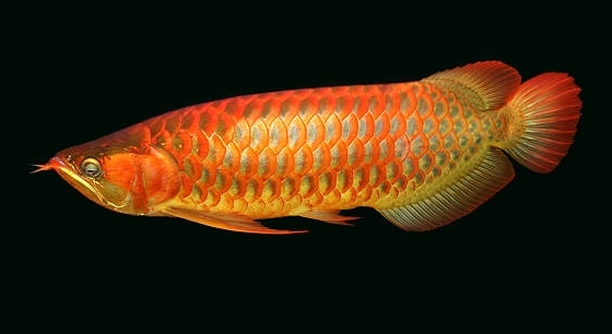
Have you ever noticed your Arowana growing but wondered when it truly reaches maturity? Watching these majestic fish develop can be both fascinating and confusing. Observing subtle changes helps determine when they are fully grown.
Arowana maturity is indicated by specific physical and behavioral traits, including body length, fin development, scale pattern consistency, coloration, feeding habits, swimming stability, and territorial behaviors. Recognizing these signs ensures accurate assessment of growth and health.
Understanding these indicators allows for better care and breeding practices. Observing your fish closely will reveal the key changes that mark their maturity.
Physical Growth and Body Length
Arowanas grow steadily over the first few years of life, with body length being one of the clearest indicators of maturity. Young Arowanas are slender and small, while mature individuals develop a more elongated, muscular body. By observing their size, owners can estimate age and growth stage. Regular measurement helps track development and identify potential health concerns. Apart from length, body thickness and proportions become more balanced as the fish matures. Growth can vary depending on diet, water quality, and tank size, so patience is key. Overfeeding or poor water conditions can slow growth or cause deformities, affecting overall maturity. A healthy, stable environment allows natural growth patterns to emerge. Owners should note the overall symmetry of the body and compare it to species standards. Subtle changes in body shape, along with behavior and coloration, provide a complete picture of a fish nearing adulthood. Consistent observation allows accurate recognition of maturity markers.
Monitoring growth ensures your Arowana develops correctly and avoids health complications that may arise from improper care or environment.
Tracking body length over time highlights when an Arowana transitions from juvenile to mature stages. This simple observation is practical and reliable.
Fin Development and Scale Patterns
Fins and scales evolve noticeably as Arowanas mature.
Fins become longer, more structured, and proportionate to the body. Young fish have shorter, more fragile fins, while mature Arowanas display firm, full fins. The scale pattern also stabilizes, showing consistent size and arrangement.
During early development, fins may appear uneven or frayed, but gradual strengthening indicates proper growth. Long, flowing pectoral, dorsal, and caudal fins are typical of mature specimens. Similarly, scales develop uniform coloration and alignment, signaling the end of rapid juvenile changes. Healthy scales also reflect water quality and diet, with dull or irregular scales suggesting stress or nutritional gaps. Observing these features alongside body length and behavior gives a comprehensive understanding of maturity. As fins grow stronger, swimming becomes more controlled, and Arowanas exhibit confident movements within their environment. Close monitoring ensures timely identification of developmental issues, preventing long-term complications. Recognizing fin and scale patterns provides insight into overall health and readiness for breeding.
Clear fin structure and consistent scale patterns are strong indicators of Arowana maturity, confirming their physical and behavioral development.
Careful observation of fins and scales helps identify healthy growth, making it easier to maintain optimal conditions in the tank.
Coloration Changes
Mature Arowanas display more vivid and consistent coloration. Juveniles often have uneven or pale colors, while adults show richer, deeper shades across the body, fins, and scales. These changes reflect age and overall health.
Color development is gradual and influenced by diet, lighting, and water quality. As Arowanas age, their natural pigments intensify, with metallic hues becoming more pronounced. Red, gold, or green tones deepen, and patterns stabilize across the body. Uneven or dull coloration can indicate stress, nutritional deficiencies, or illness. Regular observation and proper tank conditions encourage full color expression. This process can take several years depending on the species and environment. Mature colors are also important for breeding purposes, as vivid coloration often signals sexual maturity and overall vitality. Paying attention to these visual cues helps track growth and ensures your Arowana reaches its full potential in appearance.
Color changes also coincide with behavioral and physical maturity. Observing these shifts gives practical insight into when your fish is ready for adult life and breeding considerations.
Feeding Behavior and Appetite
Mature Arowanas show more deliberate feeding behavior compared to juveniles. They are less frantic and more selective, eating efficiently and purposefully.
As Arowanas mature, their appetite stabilizes, and they develop predictable feeding routines. Juveniles often eat rapidly, sometimes overindulging, while adults pace themselves and select preferred food items. Mature fish may also show territorial tendencies around feeding areas, asserting dominance over space or resources. Proper diet variety becomes crucial during this stage to maintain health, including protein-rich options and occasional live food. Monitoring feeding behavior helps detect stress, illness, or environmental issues early. A consistent appetite indicates both physical and behavioral maturity, while irregular eating can highlight problems requiring attention. Feeding patterns also affect growth, coloration, and energy levels. By tracking these behaviors, owners gain valuable insight into their Arowana’s developmental stage.
Observing these changes ensures that dietary needs match the fish’s maturity, supporting health, longevity, and optimal growth conditions within the tank.
Swimming Patterns and Stability
Mature Arowanas swim with more confidence and stability. Juveniles are often erratic, while adults glide smoothly, demonstrating control and balance within the tank.
Swimming becomes purposeful and measured, reflecting strength and coordination. Sudden darting or unsteady movements typically decrease as the fish gains experience and physical maturity.
Territorial Behavior
Mature Arowanas establish clear territory in the tank. They defend specific areas, showing dominance over space and other fish, especially during feeding or resting periods.
Territorial behavior becomes more pronounced with age. Adults may patrol their boundaries, chase intruders, or assert themselves in preferred hiding or resting spots. This behavior is natural and indicates confidence and maturity. Observing these interactions helps owners manage tank dynamics and prevents unnecessary stress or conflicts among tank mates. Understanding territorial tendencies also assists in planning tank size, decoration placement, and compatible species, ensuring a balanced environment where the Arowana feels secure. Behavioral maturity in this context is a strong indicator of overall adult development and social awareness within their habitat.
Scale and Fin Damage Recovery
Mature Arowanas recover from minor injuries more efficiently. Their scales and fins regrow steadily, showing resilience compared to younger fish.
FAQ
How can I tell if my Arowana is fully grown?
Arowanas reach full maturity when several physical and behavioral traits align. Look for stabilized body length, fully developed fins, consistent scale patterns, vivid coloration, controlled swimming, predictable feeding habits, and clear territorial behavior. Observing these factors over time gives the most accurate assessment of growth.
At what age do Arowanas usually mature?
Most Arowanas begin to show signs of maturity between 2 and 4 years, depending on species, diet, and environment. Larger species may take longer, sometimes up to 5 years, to fully develop physical and behavioral markers of adulthood. Proper tank conditions and nutrition accelerate healthy development.
Why does my Arowana’s color keep changing?
Color changes often indicate growth and adaptation. Juveniles have uneven or pale colors that gradually intensify as they age. Diet, lighting, and water quality also influence coloration. Dull or patchy colors can indicate stress or nutrient deficiencies, so consistent care is essential.
What are the common feeding changes as Arowanas mature?
Young Arowanas tend to eat rapidly and indiscriminately, while adults show more selective and controlled feeding. Mature fish establish routines, eat efficiently, and may display territorial behavior during feeding. Adjusting diet variety to include protein-rich and occasional live food supports overall health and maturation.
How important is tank size for Arowana maturity?
Tank size directly affects growth, swimming ability, and territorial behavior. Mature Arowanas require larger tanks to move freely and maintain stability. Overcrowding or restricted space can stunt growth, stress the fish, and interfere with natural behaviors like territorial establishment and controlled swimming patterns.
Do Arowanas need companions to mature properly?
Arowanas can mature in isolation or with compatible tank mates. Companions are not required for physical growth but can influence social behaviors. Aggression and territorial tendencies should be monitored if multiple fish are kept together, particularly as they reach maturity.
How do fin and scale condition relate to maturity?
Healthy, fully developed fins and uniform scales indicate both age and good care. Mature Arowanas recover faster from minor damage, and fin length stabilizes as the fish grows. Observing these features alongside swimming and feeding behavior provides a comprehensive view of maturity.
When should I consider breeding my Arowana?
Breeding should only be attempted once physical and behavioral maturity is confirmed. Look for strong coloration, developed fins, predictable feeding habits, and stable territorial behavior. Ensuring optimal water quality and tank conditions increases the chances of successful reproduction.
Can environmental factors delay maturity?
Poor water quality, insufficient tank size, and inadequate nutrition can slow growth and delay physical and behavioral development. Maintaining clean, stable conditions with a proper diet supports timely maturation and reduces the risk of deformities or health issues.
What signs indicate my Arowana is ready for adulthood?
Indicators include controlled, confident swimming, clear territorial behavior, stabilized size and fins, vivid and uniform coloration, selective feeding, and overall physical symmetry. Watching these traits develop over time allows precise identification of adult readiness.
How often should I monitor growth and behavior?
Regular observation is essential. Weekly checks for size, fin condition, scale pattern, feeding behavior, and swimming provide insight into health and maturity. Keeping notes over months helps track changes accurately and ensures any problems are addressed promptly.
Can stress affect maturation?
Yes, stress from overcrowding, poor water quality, or aggressive tank mates can slow growth, dull coloration, and affect behavior. Minimizing stress through proper tank setup, consistent feeding, and a calm environment promotes healthy, timely maturity.
How can I encourage full development in my Arowana?
Provide a balanced diet, maintain stable water conditions, ensure adequate tank space, and observe behavioral patterns. Gradual adjustments in care routines and attention to physical indicators help the fish reach maturity naturally and healthily.
Is it normal for mature Arowanas to become territorial?
Yes, territorial behavior is a natural sign of maturity. Adults assert space, especially during feeding or resting. Proper tank planning and compatible tank mates help manage this behavior while supporting natural development.
What should I do if maturity signs are delayed?
Review diet, tank conditions, and water quality first. Ensuring optimal care can correct delays. Persistent issues may require consultation with an aquatic specialist to identify underlying health problems or environmental factors affecting growth.
Final Thoughts
Observing Arowanas as they mature can be a rewarding experience. These fish display clear physical and behavioral changes over time, which reflect their growth and overall health. Body length, fin development, coloration, and scale patterns are among the most noticeable indicators. As juveniles grow into adults, their fins become longer and more structured, scales develop consistent patterns, and colors intensify. These changes are gradual, and careful observation allows owners to track progress accurately. Paying attention to these details helps ensure that the fish is developing correctly and that any potential issues are addressed early. Maintaining stable water conditions, proper nutrition, and adequate tank space supports natural growth and contributes to the overall well-being of the Arowana. Observing these traits also gives insight into the fish’s readiness for breeding or other adult behaviors, which can be an important consideration for experienced owners. Consistent monitoring and care allow the fish to reach full maturity safely and healthily.
Feeding behavior and swimming patterns provide additional insight into maturity. Juvenile Arowanas often eat rapidly and erratically, whereas adults demonstrate more controlled and selective feeding habits. Mature fish also swim with greater confidence and stability, showing smoother, more purposeful movements. Territorial behavior becomes more pronounced as they age, with adults establishing clear boundaries in the tank and asserting dominance over space. Observing these behaviors alongside physical development gives a more complete picture of maturity. By tracking feeding routines, swimming control, and social interactions, owners can better understand the stage of development their fish has reached. These behavioral traits are not only indicators of growth but also serve as signs of overall health. Ensuring the fish has proper space, suitable tank mates, and a stress-free environment encourages the natural expression of these behaviors. Monitoring both physical and behavioral changes together provides a reliable way to determine when an Arowana is fully mature.
Finally, patience is key when raising Arowanas. Maturation is a gradual process, and each fish develops at its own pace depending on species, diet, water quality, and tank conditions. Attempting to rush growth or neglecting proper care can lead to health problems and delayed development. Observing subtle changes over time, such as fin length, coloration intensity, swimming stability, and feeding patterns, offers a clear understanding of progress. Taking the time to provide optimal care helps ensure that the fish grows into a healthy adult with fully developed physical traits and natural behaviors. Recognizing the signs of maturity allows owners to make informed decisions about care, breeding, and tank management. By maintaining a consistent routine, monitoring growth, and addressing any concerns promptly, an Arowana can thrive and reach full potential. Attention to detail and ongoing observation are essential in supporting the health, longevity, and well-being of these remarkable fish.

Hello,
If you enjoy the content that we create, please consider saying a "Thank You!" by leaving a tip.
Every little bit helps us continue crafting quality advice that supports the health, happiness, and well-being of pets around the world, for pets of all shapes, sizes, and species.
We really appreciate the kindness and support that you show us!