
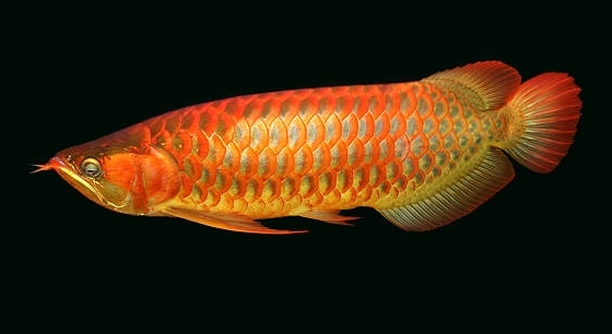
Is your arowana acting skittish or spending most of its time hiding in corners instead of swimming confidently around the tank?
The best way to make your arowana feel safe is by creating a calm and stable environment. This includes maintaining consistent water conditions, minimizing sudden movements around the tank, and providing appropriate hiding spots to reduce stress and promote security.
Understanding these methods will help you build a peaceful space that supports your arowana’s comfort and confidence in its aquatic home.
1. Maintain Consistent Water Conditions
Keeping your arowana’s environment stable is the foundation of making it feel safe. Sudden changes in temperature, pH, or hardness can cause stress and affect its health. Arowanas thrive in clean, balanced water with steady parameters. Regular testing helps you identify issues early before they cause harm. Make sure the water temperature remains between 75°F and 82°F, with a pH of around 6.5 to 7.5. Use a reliable heater and filtration system to maintain stability. Frequent but gentle water changes also help keep the environment clean without shocking your fish. When your arowana recognizes that its habitat is calm and predictable, it becomes more relaxed and confident. Stability builds trust between the fish and its surroundings, helping it swim freely and behave naturally.
When your arowana feels secure in its environment, it becomes more active, eats better, and shows off its graceful swimming patterns with ease.
Monitoring these parameters regularly helps prevent stress-related behavior such as hiding, jumping, or refusing food. Maintaining clean water prevents harmful bacteria growth, while consistent temperature supports digestion and immune health. Over time, your arowana will associate stability with safety, making it more comfortable and active in its tank. Regular attention to these details creates a peaceful rhythm that keeps your fish thriving.
2. Provide Adequate Hiding Spots
Arowanas are naturally cautious fish, especially when adapting to a new tank. Providing hiding spots helps them feel secure and protected from perceived threats.
Adding natural decorations such as driftwood, plants, and rock structures can make your tank feel more like the arowana’s natural habitat. These elements give the fish places to retreat when it feels stressed or startled. Position these decorations thoughtfully to create shaded areas and open swimming space. Avoid overcrowding the tank, as arowanas need room to move gracefully. Darker backgrounds and dim lighting can also help reduce anxiety. Hiding spots not only offer security but also reduce aggressive or nervous behavior. Over time, your arowana will spend less time hiding and more time exploring the tank confidently. By balancing open and sheltered areas, you create an environment that feels safe and inviting, allowing your fish to thrive both physically and emotionally.
3. Reduce Sudden Movements and Noise
Arowanas are sensitive to their surroundings and can easily become startled by loud noises or quick movements. Reducing these disturbances helps them feel secure and prevents stress-related behaviors like darting or refusing food. Keep their environment quiet and calm at all times.
Avoid tapping on the glass or placing the aquarium in a high-traffic area where constant activity may frighten the fish. When approaching the tank, move slowly and gently. Sudden shadows or vibrations can make an arowana anxious. If the tank is near a television or speakers, lower the volume to minimize shock from noise. Consistency in lighting and feeding schedules also provides comfort. Your arowana will gradually associate these calm surroundings with safety. Over time, its natural beauty and confidence will shine through as it glides smoothly without signs of fear or hesitation.
A peaceful environment strengthens your arowana’s trust and stability, helping it adjust to your presence and daily routines more easily. When it feels secure, it becomes more interactive, exploring the tank confidently instead of reacting to stress triggers. Calm surroundings allow your fish to focus on growth and health, showing brighter colors and more relaxed swimming patterns. Reducing sudden movements helps you build lasting harmony within your aquarium.
4. Feed on a Regular Schedule
Arowanas thrive on consistency, and feeding at the same time daily helps establish trust. This routine reassures the fish that food will always be available, minimizing anxiety and promoting predictable behavior within the tank.
Offer a balanced diet of pellets, insects, and small fish to provide complete nutrition. Feeding in moderation prevents leftover food from spoiling and clouding the water. Avoid feeding by hand too early, as sudden closeness might scare your arowana. Instead, feed from the same spot each time, allowing it to associate your presence with food. Gradually, it may grow comfortable enough to accept food directly from you. A consistent feeding pattern keeps your fish calm, healthy, and active. Over time, this regular care fosters trust and strengthens the bond between you and your arowana.
5. Avoid Overcrowding the Tank
Arowanas need plenty of space to swim freely and grow comfortably. Overcrowding causes stress and can lead to aggression or injury. Keeping the tank spacious helps your fish feel secure and prevents territorial conflicts with other tank mates.
Choose tank companions carefully and ensure they are compatible in size and temperament. Avoid adding too many fish or decorations that restrict swimming space. Arowanas prefer calm environments with open areas, allowing them to move gracefully without obstruction. A spacious setup supports their well-being and natural behavior.
6. Use Proper Lighting
Lighting plays an important role in your arowana’s comfort. Too much brightness can cause stress, while dim lighting encourages a calm, relaxed state. Use gentle lighting that mimics natural daylight and establish a consistent light schedule to create stability. Proper lighting helps maintain the fish’s rhythm and reduces anxiety.
7. Handle Tank Maintenance Gently
During cleaning or maintenance, sudden disruptions can frighten your arowana. Move slowly, keep tools organized, and avoid quick water changes that alter the environment too abruptly. Gentle handling during maintenance keeps your fish calm and reinforces a sense of safety in its surroundings.
FAQ
How do I know if my arowana feels unsafe or stressed?
When an arowana feels unsafe, it may display unusual behaviors such as hiding for long periods, swimming erratically, or refusing food. You might also notice it jumping, rubbing against the tank walls, or showing faded colors. These are all signs of discomfort or stress. Maintaining stable water parameters, providing hiding spots, and keeping noise low can help ease its anxiety. Regular observation is important because arowanas are sensitive creatures that react quickly to environmental changes. By recognizing early signs, you can adjust their conditions before serious health issues develop. A calm, consistent environment will help them regain confidence.
What type of tank setup makes an arowana feel most secure?
Arowanas prefer large, open tanks that allow smooth swimming and exploration. The tank should be long rather than tall, with a minimum of 250 gallons for adult fish. Adding natural decorations such as driftwood and plants provides shaded areas and visual barriers that promote safety. Keep the lighting soft and consistent, avoiding harsh or flashing lights. The background should be darker to help reduce reflections and create a comfortable atmosphere. Smooth stones or gravel work best for the substrate since they prevent injury. A quiet, well-filtered tank helps maintain water clarity and stability, ensuring your arowana feels calm and protected.
Can aggressive tank mates make my arowana feel unsafe?
Yes, aggressive or overly active tank mates can make your arowana nervous and defensive. This often leads to hiding, loss of appetite, or injuries. Arowanas are territorial and prefer peaceful tank companions of similar size that will not nip at their fins. Avoid small, fast-moving fish that may stress them out. Ideal companions include larger, calm species such as silver dollars or stingrays, depending on the tank size. Monitor interactions closely when introducing new fish, as even compatible species need time to adjust. When harmony is established, your arowana will swim more freely and display healthier behavior.
Why does my arowana jump out of the tank?
Arowanas are natural jumpers, and sudden movements, loud noises, or poor water quality can trigger this behavior. To prevent injury, always keep a secure lid on the tank. Check the water temperature and pH regularly, as fluctuations may cause discomfort and restlessness. Feeding inconsistently can also increase anxiety, making the fish more likely to jump. Reducing external disturbances and maintaining stable conditions helps your arowana stay calm. Over time, once it feels safe and familiar with its environment, jumping will occur less frequently.
How often should I clean my arowana’s tank to keep it feeling safe?
Cleaning should be done regularly but gently. Perform partial water changes of about 20–30% weekly to maintain cleanliness without causing sudden shifts in water chemistry. Avoid moving decorations too often, as frequent rearranging can confuse and stress the fish. When cleaning, move slowly and keep noise minimal. Use dechlorinated water to refill the tank, and always ensure the temperature matches the existing water. Consistent maintenance keeps the environment stable and promotes a sense of security for your arowana. A clean tank encourages healthy swimming and feeding behavior while reducing the risk of disease.
Does handling my arowana make it feel unsafe?
Handling should be avoided whenever possible. Arowanas are easily stressed when removed from water or touched unnecessarily. If handling is required for medical reasons, do it gently and for the shortest time possible. Use a soft, wet net to prevent damage to their scales and slime coat. Afterward, allow the fish to rest in a calm environment. Frequent handling weakens trust and may cause long-term behavioral issues. Respecting your arowana’s space helps it remain confident and secure in its tank.
Can lighting changes affect my arowana’s behavior?
Yes, sudden changes in lighting can startle your arowana. Gradual adjustments are best when turning lights on or off. Use timers to create a consistent light cycle of about 10–12 hours daily. Bright, constant lighting can cause stress, while dim, steady illumination promotes relaxation. Natural daylight is beneficial when not too direct. Maintaining a predictable lighting pattern allows your arowana to adapt comfortably, supporting both its physical and emotional well-being.
What should I do if my arowana refuses to eat due to stress?
If your arowana refuses food, first check water conditions and tank stability. Stress is often linked to poor water quality or sudden environmental changes. Keep the surroundings quiet and consistent. Offer familiar foods such as live insects or small fish before reintroducing pellets. Avoid overfeeding during this time. Once your arowana feels safe again, its appetite will return naturally. Patience and gentle care are essential in helping it recover confidence and resume normal eating habits.
How long does it take for an arowana to feel safe in a new tank?
It usually takes one to three weeks for an arowana to adjust to a new environment. During this period, maintain consistent water parameters, limit external noise, and avoid adding new fish. Keep feeding routines regular and lighting steady. With time, your arowana will begin exploring more and hiding less. The calmer the environment, the quicker it adapts and feels secure.
Final Thoughts
Caring for an arowana goes beyond feeding and cleaning. It requires understanding its behavior, emotions, and natural instincts. These beautiful fish are sensitive to their surroundings, and even small disturbances can affect how safe they feel. By focusing on stability, calmness, and consistency, you help your arowana develop trust in its environment. Each adjustment you make, whether through water maintenance, lighting control, or feeding routines, plays a role in shaping its comfort. Creating a peaceful space where it can swim freely without fear is one of the best ways to ensure it thrives. When your arowana feels secure, its true beauty, grace, and personality become more visible every day.
Making your arowana feel safe is about balance. It needs enough space to move, enough structure to feel protected, and a routine that makes life predictable. Stress in fish can often lead to illness or aggressive behavior, so prevention through care is always better than correction. Clean water, calm surroundings, and regular feeding form the core of its well-being. It is also important to observe its body language—changes in movement, color, or appetite can tell you when something is wrong. When handled gently and given time to adjust, an arowana can grow to trust its environment and the person who cares for it. That sense of trust turns into confidence, making your fish more interactive and lively.
In the end, an arowana’s sense of safety depends on the consistency and attention it receives. Every calm gesture, every steady routine, and every gentle action teaches it that it is in a secure space. The bond between you and your arowana may not be expressed like that of other pets, but it shows through its peaceful swimming, steady appetite, and calm behavior. Building that comfort takes patience, but it is deeply rewarding to watch. When your arowana feels truly safe, it reflects in its vibrant colors, graceful movements, and relaxed presence. A stable home, a patient owner, and thoughtful care will always be the key to keeping your arowana healthy, confident, and happy in its aquatic world.

Hello,
If you enjoy the content that we create, please consider saying a "Thank You!" by leaving a tip.
Every little bit helps us continue crafting quality advice that supports the health, happiness, and well-being of pets around the world, for pets of all shapes, sizes, and species.
We really appreciate the kindness and support that you show us!