
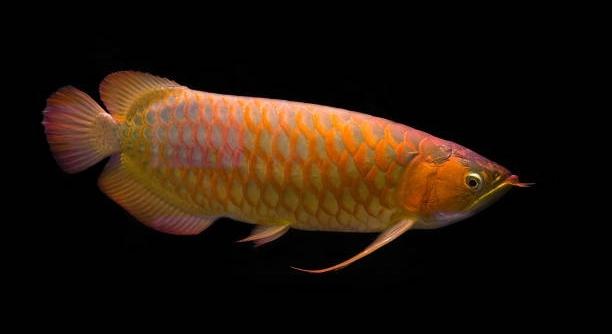
Is your arowana acting unusually skittish lately, darting around the tank or hiding more than usual? Many fish owners notice sudden changes in behavior that can be worrying or confusing. Observing these signs carefully is important.
Arowanas often display skittish behavior due to environmental stressors, sudden changes in water parameters, or inadequate tank conditions. Ensuring stable water quality, appropriate tank size, and minimal disturbances is critical for reducing stress and promoting healthy, calm behavior.
Monitoring your arowana’s environment closely can reveal hidden stress triggers. Small adjustments can make a significant difference in helping your fish feel secure and relaxed.
Understanding Skittish Behavior in Arowanas
Arowanas are naturally alert and can react strongly to sudden movements, loud noises, or changes in their environment. Their skittish behavior is often a response to perceived threats or discomfort. Tank placement, water flow, and lighting can all affect how safe they feel. Even small changes, like moving decorations or adding new fish, can trigger anxiety. Over time, constant stress can impact their health, appetite, and coloration. Observing your arowana closely helps identify patterns in its reactions and can guide adjustments. Maintaining stable water parameters, regular feeding schedules, and a calm environment reduces unnecessary stress. Providing hiding spots or gentle cover can make them feel more secure. It’s important to remember that each arowana may react differently; what works for one might not suit another. Careful observation and consistent adjustments help your fish remain calm and thrive.
Maintaining stable water temperature and clean conditions greatly reduces sudden, anxious movements in your arowana.
Watching for early signs of skittish behavior allows timely intervention. Small environmental tweaks and consistent care often lead to noticeable improvements in their comfort and activity levels.
Water Quality and Tank Conditions
Water quality is critical for arowanas, as poor conditions can lead to stress and skittish behavior. Ammonia, nitrite, or nitrate spikes irritate fish and make them more prone to sudden movements. Regular water testing and partial water changes help maintain a healthy environment. Tank size also matters—overcrowded or too-small tanks limit their natural swimming patterns and increase stress. Proper filtration ensures clean, oxygen-rich water while removing debris that can upset the fish. Temperature fluctuations are equally important; sudden changes can trigger fear responses. Consistent lighting schedules and avoiding abrupt disturbances near the tank help them feel secure. Tank decorations and plants can offer shelter and reduce exposure, allowing the fish to explore at its own pace. Monitoring and maintaining all these aspects ensures your arowana remains comfortable and less reactive.
Regular testing and careful adjustments prevent stress and help your arowana feel secure.
Stable water parameters, an appropriately sized tank, and thoughtfully arranged decorations create an environment that promotes calm, confident swimming. Monitoring these elements closely and making incremental improvements ensures your arowana’s behavior becomes predictable and healthy, reducing unnecessary stress and improving overall well-being. Clean water, stable temperature, and low-noise surroundings collectively foster an environment where your fish can thrive without fear, while strategic hiding spots give them optional retreat spaces. Attention to these details prevents long-term health issues and supports their natural instincts. Consistency and observation are key to understanding their needs and creating a balanced habitat.
Feeding Habits and Diet
Inconsistent feeding schedules or improper diet can make arowanas nervous. Skittish behavior often appears when they are hungry or struggling to digest certain foods. Providing a balanced diet at regular times helps stabilize their mood and energy levels.
Offering a varied diet including pellets, live, and frozen foods ensures proper nutrition and reduces stress. Overfeeding can cause water quality issues, while underfeeding can make them anxious and irritable. Observing their eating patterns helps identify preferences and tolerance levels. Adjusting portions and types of food gradually allows the fish to adapt comfortably.
Feeding should be consistent and appropriate for the fish’s size and age. Avoid sudden changes in food type, as this can trigger fear or refusal to eat. Including occasional treats like shrimp or small insects can encourage natural hunting instincts, keeping your arowana engaged without causing stress. Careful attention to diet directly impacts overall health, behavior, and coloration, helping maintain a calmer and more confident fish.
Tank Mates and Social Environment
Aggressive or overly active tank mates can make arowanas skittish. Peaceful, compatible species reduce anxiety and prevent constant defensive behavior.
Choosing compatible species is essential for a harmonious tank environment. Avoid small or overly timid fish that may be targeted, as well as aggressive species that provoke stress. Monitoring interactions helps identify tension early, allowing adjustments before conflicts escalate. Tank size plays a role too—larger spaces provide room for retreat and exploration. Ensuring each fish has territory and hiding spots helps minimize stress. Observation during feeding and daily activity periods allows you to spot problematic behaviors and act quickly to maintain balance.
Arowanas are naturally dominant, so careful selection of tank mates prevents constant skittishness or fear responses. Providing enough space and enrichment for all inhabitants allows each fish to express natural behavior without intimidation. Adjusting group composition gradually, observing hierarchy, and ensuring compatible diets for all species creates a stable and calm environment. Proper social management enhances overall well-being and reduces erratic movements caused by fear or competition, resulting in a healthier, more relaxed aquatic community.
Lighting and Environmental Stress
Harsh or fluctuating lighting can make arowanas nervous. Bright lights or sudden changes in illumination may trigger skittish behavior. Using a consistent, gentle light cycle helps them feel secure and reduces unnecessary stress in the tank.
Providing shaded areas or floating plants allows your arowana to retreat when it feels uneasy. This mimics their natural environment and helps regulate stress. Regular monitoring of light intensity ensures it is neither too bright nor too dim for their comfort.
Signs of Illness
Changes in behavior, appetite, or appearance can indicate health issues. Skittish movements sometimes result from infections, parasites, or other underlying conditions. Observing these signs early allows for timely treatment and prevents more serious health problems.
Reducing Stress Through Routine
Maintaining a consistent feeding schedule, water maintenance, and tank checks helps arowanas feel secure. Predictable routines reduce fear and allow them to thrive in their environment.
FAQ
Why is my arowana suddenly skittish after being calm for months?
A sudden change in behavior often points to environmental shifts or stress. Even small changes, like rearranging tank decorations, adding new tank mates, or fluctuations in water temperature or quality, can trigger anxiety. Observing your fish and the tank carefully helps identify the source of stress. Correcting water parameters, providing hiding spaces, and minimizing disturbances usually helps restore calm behavior.
Can diet affect how nervous my arowana is?
Yes, diet directly impacts behavior. Overfeeding, underfeeding, or abrupt changes in food type can make your fish uneasy. Offering a balanced mix of pellets, frozen foods, and occasional live food supports proper nutrition and reduces stress. Feeding consistently at the same time each day also creates a sense of routine, helping the fish feel secure.
Do tank mates influence skittish behavior?
Absolutely. Arowanas are naturally dominant and may feel threatened by overly aggressive or fast-moving tank mates. Small, timid fish can also trigger stress as they dart and hide. Choosing compatible species and ensuring enough space and hiding spots for everyone helps maintain a calm environment. Regular observation of interactions is crucial for preventing conflicts and reducing anxiety.
Could water quality be making my arowana anxious?
Water quality is one of the most common stress factors. High ammonia, nitrite, or nitrate levels irritate fish and can lead to erratic swimming or hiding. Regular testing, partial water changes, proper filtration, and stable temperature create a safe, consistent environment that reduces skittish behavior. Even small inconsistencies can trigger nervous responses, so maintaining routine checks is important.
How does lighting affect arowana behavior?
Arowanas are sensitive to lighting. Bright, harsh, or inconsistent lighting can provoke anxiety, causing them to dart around or hide. Gentle, consistent light cycles with shaded areas or floating plants help them feel secure. Adjusting lighting gradually rather than abruptly prevents stress and allows the fish to acclimate comfortably.
Can stress make my arowana sick?
Yes, prolonged stress weakens the immune system, making arowanas more susceptible to infections and diseases. Skittish behavior is often an early sign of discomfort or illness. Addressing stressors like water quality, diet, and tank mates early prevents more serious health issues and promotes overall well-being.
Is hiding a normal behavior for skittish arowanas?
Hiding is natural when a fish feels threatened or insecure. Providing appropriate shelters, like plants, driftwood, or decorative caves, gives them a safe retreat. Ensuring they have space to explore and maintain normal swimming patterns helps balance security with activity, reducing chronic stress.
How can I help my arowana feel more secure?
Consistency is key. Maintain water quality, feeding routines, and lighting cycles. Provide enough space, compatible tank mates, and hiding spots. Minimize loud noises or sudden disturbances near the tank. Observing daily behavior helps identify triggers, allowing gradual adjustments to create a stable, calm environment for your fish.
Are some arowanas naturally more skittish than others?
Yes, individual temperament varies. Younger fish or newly introduced arowanas may be more sensitive to environmental changes. Patience, gentle handling, and a stable routine help them acclimate and reduce anxiety over time. Observing personality differences allows for tailored care to ensure comfort and confidence.
Can overhandling or tapping the tank cause skittish behavior?
Repeated tapping, sudden movements, or overhandling stresses arowanas. Even minor disturbances can trigger erratic swimming or hiding. Limiting interaction, moving slowly around the tank, and avoiding unnecessary tapping helps them feel safe. Creating a calm, predictable environment is the most effective way to reduce nervous behavior.
Does tank size impact how skittish my arowana is?
Yes, inadequate space can increase stress. Arowanas require large tanks to swim freely and establish territory. Crowded conditions or small tanks force them into constant alertness. Providing ample space reduces competition, allows exploration, and minimizes anxiety, leading to calmer, more confident behavior.
How long does it take for an arowana to stop being skittish?
The timeline varies depending on the cause of stress and individual temperament. With stable water conditions, consistent feeding, appropriate tank mates, and proper lighting, noticeable improvement can occur within weeks. Patience and careful observation ensure gradual adjustment, leading to a relaxed and healthy fish over time.
This FAQ section addresses the most common concerns about skittish arowana behavior, providing clear, practical guidance to improve comfort and reduce stress. Consistency, observation, and attention to environmental details are key to helping your fish thrive.
Maintaining arowanas in a calm and healthy state requires consistent attention to their environment, diet, and social interactions. Skittish behavior is often a sign that something in their habitat is not fully meeting their needs, whether it’s sudden changes in water quality, inappropriate tank mates, or inconsistent lighting and feeding schedules. Observing your fish carefully over time allows you to notice patterns in their behavior and identify potential triggers. By addressing these triggers promptly, you can reduce stress and encourage natural, confident behavior. Ensuring stable water parameters, a large enough tank, and a well-thought-out layout with hiding spaces gives your arowana the security it needs to feel comfortable in its environment. Small, incremental adjustments, such as gradually changing decorations or introducing new tank mates slowly, can make a significant difference in minimizing anxiety and maintaining overall well-being.
Diet and feeding routines play a crucial role in reducing skittish behavior. Providing a balanced mix of foods, including pellets, frozen options, and occasional live treats, supports proper nutrition and helps your fish maintain energy without causing stress. Overfeeding or sudden changes in diet can create digestive problems or make your arowana nervous, while underfeeding can lead to anxiety and restless behavior. Establishing a consistent feeding schedule helps create predictability in their daily life, which contributes to a calmer disposition. Observing how your arowana responds to different types of food also gives insight into its preferences and health. By making minor adjustments and monitoring closely, you ensure the fish remains healthy, active, and less prone to fear-driven behaviors. This combination of attention to diet, feeding routines, and environment creates a stable foundation for your arowana’s comfort.
Behavior is also influenced by social factors and overall habitat structure. Arowanas are naturally dominant, so careful selection of tank mates is essential to prevent unnecessary stress. Overly aggressive or very small, timid fish can trigger constant fear and skittish movements. Providing adequate space and hiding spots allows each fish to establish its own territory and reduces conflict. Light cycles, water temperature, and daily maintenance routines also affect their sense of security. By maintaining a predictable environment and minimizing sudden changes, you support the fish’s natural instincts while promoting confidence in their surroundings. Patience and careful observation are key; some arowanas take longer to adjust to new conditions or recover from stress than others. By combining proper care, environmental stability, and gentle handling, your arowana can become more relaxed and display healthier, more natural behavior, ensuring long-term well-being and a more enjoyable experience as a fish owner.

Hello,
If you enjoy the content that we create, please consider saying a "Thank You!" by leaving a tip.
Every little bit helps us continue crafting quality advice that supports the health, happiness, and well-being of pets around the world, for pets of all shapes, sizes, and species.
We really appreciate the kindness and support that you show us!