
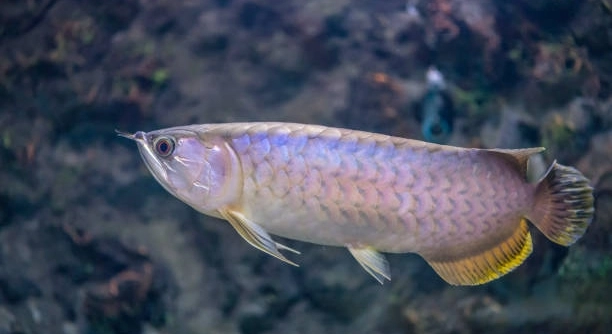
Are your arowanas seeming restless or unusually aggressive in their tank? Many fish owners do not realize that overcrowding can quietly stress their aquatic pets, affecting behavior, growth, and overall tank harmony in ways that are easy to overlook.
Overcrowding in an arowana tank occurs when the fish population exceeds the tank’s capacity, limiting swimming space, reducing water quality, and creating stressful conditions. It can lead to stunted growth, health issues, and increased aggression among the fish.
Recognizing the signs of overcrowding early helps maintain a balanced environment, promoting the well-being and longevity of your arowanas in a healthier tank.
Limited Swimming Space
When arowanas are kept in a tank that is too small, they lose the ability to swim freely. They may bump into decorations or the tank walls more often, which can lead to stress and injury. Arowanas are active swimmers and need long stretches of open water to maintain their health. Restricting their movement affects muscle development and natural behavior. Over time, crowded tanks can make them lethargic or aggressive. It’s important to measure the tank size according to the number and size of your fish. Adding multiple large arowanas in a small tank is not just uncomfortable for them but can also lead to uneven water circulation and poor oxygen levels. Observing your fish’s movement patterns can help you notice if space is insufficient. Adjusting tank layout and monitoring growth ensures that swimming space remains adequate for each arowana.
Restricted swimming space makes fish more stressed and prone to injuries from bumping into tank objects.
Giving arowanas enough room improves water flow and reduces stress. Large tanks or fewer fish help maintain a healthy swimming environment. Proper space allows them to grow naturally, maintain energy, and display their natural swimming patterns. When a tank is overcrowded, dominant fish can bully smaller ones, leading to uneven feeding and stunted growth. By ensuring adequate space, your fish remain active, less aggressive, and healthier. Regular observation and adjusting the number of fish or tank size keeps their environment balanced. Decorations should be placed carefully to avoid blocking swimming routes. Open areas also make cleaning easier and improve filtration efficiency, supporting stable water conditions. This helps prevent ammonia spikes, reduces stress, and keeps all arowanas thriving.
Poor Water Quality
Overcrowded tanks produce more waste than the filtration system can handle. Excess waste leads to cloudy water, increased ammonia, and harmful bacteria growth. Maintaining clean water is harder when too many fish are confined together, which can cause illness.
Poor water quality can make arowanas lethargic and vulnerable to diseases.
Too many fish in one tank overwhelms filtration and disrupts water chemistry. Uneaten food and fish waste release toxins that build up quickly, creating harmful conditions. Regular water testing and partial water changes may not fully counteract overcrowding effects. Stress from poor water quality weakens the immune system, increasing the chance of fin rot, infections, or parasite outbreaks. Even hardy arowanas suffer when ammonia, nitrite, or nitrate levels rise. Overcrowding reduces oxygen levels, making respiration more difficult. Proper stocking ensures waste production matches filtration capacity. Using larger tanks or reducing the number of fish helps maintain stable conditions. Aeration, effective filtration, and monitoring are critical to keeping water safe. Ultimately, preventing overcrowding is the most reliable way to sustain water quality and support the health of all arowanas.
Aggressive Behavior
Overcrowded tanks increase stress, causing arowanas to become territorial and aggressive. Frequent chasing, nipping, or bullying is common when space is limited.
Aggression rises because fish cannot establish personal territories. Dominant arowanas may corner or attack smaller ones, disrupting feeding and growth. Conflicts lead to injuries, torn fins, and higher stress levels, which weaken the immune system. Over time, continuous aggression can affect all fish in the tank. Reducing population or enlarging the tank minimizes conflicts, allowing each arowana to move freely and feel secure. Observing behavior patterns helps identify which fish are stressed or dominant. Adequate space and proper tank setup promote calm interactions and healthier relationships among your fish.
Stress and aggressive encounters not only harm individual fish but can escalate to severe injuries. Preventing overcrowding reduces these incidents and ensures all arowanas can thrive without constant confrontation.
Stunted Growth
Overcrowding can limit nutrition and space, leading to stunted growth in arowanas. Smaller fish may struggle to compete for food or swim properly.
When arowanas are confined, growth slows due to restricted movement and competition for resources. Limited swimming reduces muscle development, while aggressive neighbors may block access to food. Nutrient deficiencies and stress combine to impair overall growth. Even if the tank is well-fed, dominant fish often consume the majority, leaving weaker or smaller fish undernourished. Poor water quality in crowded conditions further impacts metabolism and development. By maintaining adequate space and monitoring feeding, fish can reach their full potential. Proper tank sizing and careful stocking prevent stunting and support healthier, larger arowanas over time.
Stress from overcrowding also affects hormonal balance, which plays a key role in growth. Reducing density allows fish to develop naturally and maintain better health throughout their lives.
Fin Damage
Overcrowded tanks cause frequent fin damage as fish bump into each other and decorations. Torn fins increase risk of infection and slow healing.
Constant contact and aggression in tight spaces lead to frayed fins. Injuries may worsen if water quality is poor, making recovery harder.
Uneven Feeding
In crowded tanks, dominant arowanas consume most of the food, leaving weaker fish undernourished. This creates nutritional imbalance and stress among the fish.
Erratic Swimming
Overcrowding makes arowanas swim frantically or in unusual patterns. Stress and limited space disrupt their natural, graceful movements.
How many arowanas can I keep in one tank?
The number of arowanas you can keep depends mainly on the tank size and the adult size of the fish. Arowanas grow large, often reaching 24–36 inches, and require ample swimming space. Overcrowding stresses them, increases aggression, and harms water quality. As a general rule, a single large arowana needs at least 250 gallons. Adding a second fish requires a proportional increase in tank size to maintain swimming space and prevent dominance conflicts. Observing how the fish interact and adjusting the number of fish accordingly ensures a balanced environment.
What tank size is ideal for arowanas?
Arowanas need long, open tanks that allow uninterrupted swimming. For juveniles, a tank of at least 125 gallons is suitable, but adults require much larger setups, ideally over 250–300 gallons. Width and length matter more than height, as arowanas prefer horizontal swimming space. Overcrowded or narrow tanks lead to stress, fin damage, and poor growth. A tank should also have strong filtration and good water circulation to support the large biomass. Monitoring behavior and water quality helps ensure the tank is meeting their spatial and environmental needs.
How do I know if my tank is overcrowded?
Signs of overcrowding include frequent aggression, frayed fins, stunted growth, erratic swimming, and poor water quality. Dominant fish may monopolize food, leaving smaller ones undernourished. Cloudy water, excessive algae, or strong ammonia odors also indicate too many fish for the tank’s capacity. Observing fish behavior and movement patterns gives early warning. When multiple indicators appear simultaneously, it’s a clear signal to reduce the number of fish or expand the tank. Addressing overcrowding promptly prevents long-term health problems and ensures all fish have space to thrive.
Can overcrowding affect water quality?
Yes, overcrowding drastically affects water quality. Excess waste increases ammonia and nitrite levels, which are toxic to arowanas. Filtration systems may not handle high waste production efficiently, causing cloudy water, harmful bacteria growth, and low oxygen levels. Maintaining water quality in an overcrowded tank requires frequent testing and large, regular water changes, which is stressful and labor-intensive. Preventing overcrowding by matching fish numbers to tank capacity is the most reliable way to maintain healthy water conditions and reduce stress-related illnesses.
Will my arowanas fight if the tank is crowded?
Overcrowded arowanas are more likely to display aggression and territorial behavior. Dominant fish chase or nip smaller ones, causing stress and physical damage. Limited swimming space intensifies these conflicts, and injuries from fights increase the risk of infection. Providing sufficient space, hiding spots, and careful monitoring reduces aggression, allowing fish to coexist more peacefully.
How can I prevent stunted growth in my arowanas?
Stunted growth occurs when fish lack space, proper nutrition, or clean water. Overcrowding limits swimming and muscle development while creating competition for food. Stress from poor water quality also slows metabolism and growth. Ensuring proper tank size, reducing fish numbers, and feeding evenly distributed, high-quality food helps arowanas grow to their full potential. Regular observation allows you to identify weaker fish and adjust conditions before stunting occurs.
What immediate steps should I take if my tank is overcrowded?
First, consider reducing the number of fish to match the tank’s capacity. If removal isn’t possible, upgrading to a larger tank is ideal. Improve filtration, perform frequent water changes, and redistribute decorations to maximize swimming space. Monitor fish behavior closely, looking for aggression, stress, or health issues. Gradually implementing these changes reduces stress and prevents long-term damage, keeping your arowanas healthier and more active.
Does overcrowding affect breeding?
Yes, overcrowding negatively impacts breeding. Stress from limited space and aggressive interactions reduces mating behavior and lowers egg or fry survival rates. Arowanas need quiet, spacious conditions with stable water parameters to breed successfully. Ensuring enough room and proper environmental conditions improves reproductive health and increases chances of successful spawning.
Can overcrowding cause long-term health problems?
Chronic overcrowding weakens the immune system, making fish more susceptible to diseases like fin rot, infections, and parasites. Stress from aggression and poor water quality slows growth and reduces lifespan. Long-term overcrowding also disrupts natural behaviors, affecting feeding and swimming. Preventing these issues requires proper tank sizing, monitoring, and maintaining stable water conditions to support the fish’s long-term health.
How often should I check my arowana tank to avoid overcrowding problems?
Daily observation of fish behavior and weekly water tests help catch early signs of overcrowding. Look for aggression, erratic swimming, uneven feeding, or changes in appearance. Regular cleaning and monitoring water parameters prevent issues from becoming severe. Staying proactive ensures a healthier, less stressful environment for all arowanas.
How do I balance tank decorations and swimming space?
Decorations should provide hiding spots without blocking open swimming areas. In crowded tanks, excess ornaments worsen space limitations. Rearranging or removing nonessential items creates open areas for movement, reduces aggression, and allows proper filtration flow. Proper layout keeps fish healthy while maintaining a visually appealing tank.
What is the best way to feed multiple arowanas in one tank?
Distribute food evenly across the tank to prevent dominant fish from monopolizing it. Feed smaller portions several times a day rather than one large meal. Using feeding rings or target feeding with tongs ensures all fish get proper nutrition. This reduces stress and competition, supporting healthy growth and behavior.
Can filtration alone handle overcrowding?
No, even the most powerful filtration cannot fully compensate for overcrowding. Excess waste can overwhelm systems, causing water quality issues. Filtration helps, but adequate space, proper stocking, and consistent maintenance are essential to prevent stress, illness, and poor growth among arowanas.
Are there behavioral changes that indicate overcrowding?
Yes, fish may become lethargic, hide more, or swim frantically in small areas. Aggression increases, and dominant fish may chase or bully others. Changes in feeding behavior, stunted growth, or unusual patterns also signal overcrowding. Observing these behaviors early helps you take corrective action before serious health issues develop.
What long-term solutions prevent overcrowding?
Plan tank size according to adult fish size, limit the number of fish, and upgrade tanks as needed. Consistent water monitoring, proper feeding, and thoughtful tank layout maintain a stable environment. Anticipating growth and ensuring each arowana has sufficient space prevents stress, disease, and behavioral problems over time.
This FAQ section covers practical steps and observations to ensure arowanas remain healthy and comfortable while avoiding the negative effects of overcrowding.
Overcrowding is one of the most common issues that affect arowanas in home aquariums. Many fish owners focus on decoration or feeding routines but forget that space is just as important as any other factor. Arowanas are large, active fish that need plenty of room to swim and grow properly. Without enough space, they can become stressed, aggressive, and more prone to illness. Observing how your fish move, eat, and interact can give you a clear picture of whether the tank is overcrowded. Stress in fish is not always obvious at first, but it can lead to serious health problems over time, so paying attention to subtle signs is important. Proper tank planning from the start can prevent many issues before they occur.
Maintaining a balanced environment goes beyond just having the right number of fish. Water quality, feeding, and tank setup all play a role, but overcrowding has a direct impact on each of these areas. When too many fish are kept together, waste builds up faster than your filtration can handle, making it harder to maintain stable water conditions. Poor water quality adds stress and can slow growth or increase disease risk. Overcrowding also leads to competition for food, which means some fish may not get enough nutrition, while dominant individuals thrive. This imbalance can create long-term problems that are difficult to correct. Providing each arowana with enough space, clean water, and evenly distributed food ensures that all fish grow and stay healthy. It also reduces aggressive behavior, which benefits the overall harmony of the tank.
Planning ahead and monitoring your arowanas closely is the best way to avoid overcrowding issues. As your fish grow, you may need to upgrade to a larger tank or reduce the number of fish to maintain a healthy environment. Observing behavior, fin condition, swimming patterns, and feeding habits can help you identify problems early. Overcrowding is not always obvious at first, but its effects accumulate over time, affecting the health, growth, and longevity of your fish. By taking proactive steps, you can create a comfortable and safe habitat that allows your arowanas to thrive. Prioritizing space and tank management helps maintain a balanced ecosystem, reduces stress, and ensures your fish live long, healthy lives while remaining active and visually striking in the aquarium.

Hello,
If you enjoy the content that we create, please consider saying a "Thank You!" by leaving a tip.
Every little bit helps us continue crafting quality advice that supports the health, happiness, and well-being of pets around the world, for pets of all shapes, sizes, and species.
We really appreciate the kindness and support that you show us!