
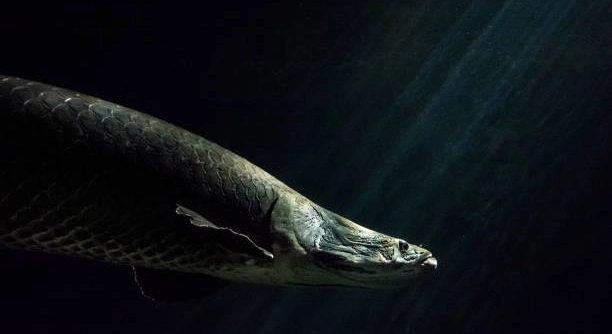
Arowanas are large, elegant fish that thrive in stimulating environments. Many owners enjoy watching them explore new spaces, but keeping them engaged requires thoughtful planning and creative enrichment ideas that suit their size and behavior.
Introducing toys and enrichment to arowanas involves providing items that encourage natural behaviors such as swimming, hunting, and exploring. Suitable options include floating objects, gentle currents, and interactive feeding tools designed to promote physical activity and mental stimulation.
Providing simple enrichment options can make arowanas more active and healthy, creating a lively, engaging aquarium environment for both fish and owner.
Choosing the Right Toys for Arowanas
Selecting appropriate toys for arowanas starts with considering their size and natural behaviors. Large, strong fish need durable items that won’t break easily or harm them. Floating objects like ping-pong balls, lightweight plastic rings, and large driftwood pieces can provide safe stimulation. Some arowanas enjoy chasing small, movable items across the water surface. Interactive feeding tools, such as floating feeders or small nets with treats, encourage them to hunt and explore, replicating natural foraging behaviors. Toys should not overcrowd the tank, as arowanas require plenty of open space to swim freely. Observing your fish over time will help determine which toys they interact with most, allowing for a more tailored enrichment plan. Gradually introducing items prevents stress and allows the arowana to adjust comfortably. Regularly rotating toys also keeps the environment interesting, preventing boredom while promoting physical activity. Careful attention to material safety and tank size ensures both enjoyment and well-being.
Toys must be sturdy, non-toxic, and appropriately sized for your arowana to interact safely and confidently.
Providing a variety of items that encourage chasing, foraging, and gentle exploration keeps arowanas active. Driftwood, floating balls, and interactive feeders stimulate movement, while rotating toys prevents monotony. This balanced approach supports their physical health and mental engagement, resulting in a more lively aquarium. Regular observation ensures that toys remain safe and suitable for long-term use.
Introducing Enrichment Activities
Enrichment activities for arowanas should replicate natural behaviors in a safe way.
Training arowanas with simple feeding routines can be highly effective. Using tongs or floating feeders encourages them to follow movements, promoting agility and responsiveness. Light currents created with gentle pumps simulate river conditions, motivating swimming and exploration. Some owners use mirrors for short periods, stimulating curiosity without causing stress. Targeted enrichment, like rearranging decorations occasionally, offers novelty, prompting natural investigative behavior. It’s important to monitor reactions closely, removing anything that causes aggression or anxiety. Combining toys with structured activities enhances their mental engagement while maintaining physical fitness. Consistency helps arowanas understand new routines, while small variations prevent boredom. Over time, these enrichment practices foster more dynamic and interactive behavior, allowing the fish to display natural instincts within a controlled environment. Integrating these methods gradually ensures safety and prevents overstimulation, creating a balanced and healthy habitat. Enrichment should always complement proper nutrition and water conditions to maximize benefits.
Monitoring Your Arowana’s Response
Observing how your arowana interacts with toys and enrichment is essential. Pay attention to behavior changes, activity levels, and stress signs. Adjust items or routines as needed to ensure a balanced and engaging environment that promotes both mental and physical well-being.
Tracking interactions helps identify preferences and avoid potential stressors. Note which toys are used most, which activities stimulate hunting or swimming behaviors, and how the fish reacts to rearranged tank decorations. Arowanas may ignore certain items at first, but consistent observation allows you to adjust placement, type, or frequency. Safety should remain a priority; avoid sharp edges or fragile materials that could injure your fish. Over time, careful monitoring ensures enrichment is both enjoyable and effective, supporting healthy growth and natural instincts in the aquarium.
Regularly reviewing responses also prevents stagnation. Rotating toys and introducing small variations keeps the environment engaging. Observing reactions over weeks allows you to refine routines, ensuring arowanas stay active, curious, and stimulated. It also helps detect any negative stress early, allowing quick adjustments for optimal care. Consistent attention strengthens the overall quality of their habitat and promotes long-term physical and mental health.
Safety Considerations for Toys and Enrichment
Safety must be a top priority when selecting or using enrichment items in the tank.
Choose non-toxic, durable materials designed for aquatic use. Avoid small items that could be swallowed or decorations with sharp edges. Inspect toys regularly for wear or damage, and remove anything that could pose a risk. Consider tank size when adding items to ensure ample swimming space remains. Gradually introducing new objects prevents sudden stress. Maintain clean surfaces and rinse items before placement to reduce contamination. Safety also involves monitoring interactions, as overly aggressive play can result in accidental injury. Consistent attention to these details protects your arowana while allowing meaningful enrichment.
Proper safety measures enhance enjoyment and minimize risks. Providing sturdy, smooth, and appropriately sized items ensures arowanas can explore without harm. Clean and rotate enrichment objects to maintain hygiene and interest. Monitoring behavior allows early detection of potential issues, preventing injuries from sharp edges, fragile materials, or overcrowding. Integrating safety with structured activities and toys supports both physical health and mental stimulation. Gradual introduction of new items reduces stress and encourages positive interactions. Combining vigilance, safe materials, and thoughtful placement creates a secure, dynamic environment where arowanas thrive and remain active in their aquarium.
Rotating Toys Regularly
Changing the arrangement and type of toys keeps your arowana engaged. Frequent rotation prevents boredom and encourages exploration, helping maintain a stimulating environment.
Introduce new items gradually, allowing the fish to adjust. Observing reactions ensures the rotation enhances activity without causing stress or confusion.
Encouraging Natural Hunting Behaviors
Using floating feeders, small moving objects, or occasional live prey can stimulate natural hunting instincts. This encourages active swimming, sharp reflexes, and mental engagement. Structured feeding routines combined with enrichment help arowanas practice foraging behaviors safely within the aquarium environment. Consistent use reinforces these instincts while preventing lethargy and boredom.
Avoiding Overcrowding
Too many toys or decorations can restrict swimming space. Maintain open areas to allow free movement and natural behaviors.
FAQ
What types of toys are safe for arowanas?
Safe toys include large, non-toxic items that cannot be swallowed. Floating balls, plastic rings, driftwood, and interactive feeders work well. Avoid sharp edges or fragile materials that could injure your fish. Observing the fish interact with new items ensures they are safe and suitable for long-term use.
How often should I rotate toys and enrichment items?
Rotating toys every few weeks keeps your arowana interested and active. Gradually introducing new items prevents stress, while removing or rearranging older items maintains novelty. Consistent rotation encourages exploration, hunting behaviors, and swimming activity without overwhelming the fish.
Can enrichment items help reduce aggression?
Yes, enrichment can distract arowanas from territorial behaviors by providing mental stimulation. Interactive feeders or toys that mimic natural hunting encourage focus on activities rather than other tank mates. Careful monitoring is needed, especially in tanks with multiple arowanas, to prevent conflict.
Are there specific feeding tools that work best for arowanas?
Floating feeders, tongs, or small nets are effective. They stimulate hunting instincts and provide physical activity. Moving food slowly or allowing it to drift encourages natural foraging. Avoid overcrowding or sudden changes in feeding methods to reduce stress.
Is it safe to use mirrors or reflective surfaces?
Short periods with mirrors can stimulate curiosity, but prolonged exposure may cause stress. Use mirrors sparingly, monitor behavior, and remove them if the fish shows signs of agitation. This tool works best as a temporary enrichment activity.
How can I tell if my arowana is enjoying enrichment?
Active swimming, repeated interaction with toys, and interest in foraging tools indicate engagement. Signs of stress, like hiding, erratic swimming, or loss of appetite, suggest adjustments are needed. Observing behavior daily helps refine enrichment strategies for better results.
What materials should I avoid for arowana toys?
Avoid items that are small enough to be swallowed, sharp, or made from toxic plastics. Fragile materials can break and cause injury. Natural driftwood, smooth plastics, and aquarium-safe floating items are the safest choices for consistent use.
Can enrichment improve overall health?
Yes, physical activity from toys and structured feeding supports muscle development and prevents lethargy. Mental stimulation reduces boredom-related stress, promoting a stronger immune system and overall well-being. Active arowanas are healthier and display more natural behaviors in a properly enriched environment.
How do I introduce new enrichment items without stressing my arowana?
Introduce one item at a time and place it gradually in the tank. Allow your fish to investigate at its own pace. Observe reactions carefully, and remove any item causing agitation. Gradual integration encourages curiosity while keeping the environment stable and comfortable.
Do arowanas respond differently to various enrichment types?
Yes, individual fish have preferences. Some enjoy floating objects, others chase moving items, and some respond best to feeding tools. Monitoring interactions helps determine which enrichment types are most engaging. Rotating options ensures continued interest and avoids boredom.
How can I keep enrichment safe in smaller tanks?
Limit the number of items and choose compact, durable toys. Maintain open swimming areas to avoid overcrowding. Monitor behavior closely to prevent stress and ensure all enrichment supports natural movement without restricting space or causing collisions.
Can enrichment help with feeding challenges?
Yes, using interactive feeders or moving food encourages natural hunting instincts, which can improve appetite and feeding response. Gradual adjustments and consistent routines make mealtime engaging while supporting physical activity and mental stimulation.
Is water quality affected by enrichment items?
Yes, some items can trap debris or harbor bacteria. Rinse all toys before placement and clean them regularly. Materials should be aquarium-safe, non-toxic, and easy to maintain to avoid affecting water parameters or fish health.
How long should enrichment sessions last?
Short, consistent sessions are best, ranging from 15 to 30 minutes for focused activities like mirror exposure or interactive feeding. Prolonged exposure may cause stress, while brief periods ensure engagement without overwhelming the fish.
Can arowanas get bored even with toys?
Yes, repetition can reduce interest. Rotating toys, changing feeding routines, and occasionally rearranging decorations maintains novelty. Consistent observation helps identify boredom signs, allowing adjustments to keep the environment stimulating and enjoyable.
What is the role of natural behaviors in enrichment planning?
Enrichment should mimic natural behaviors such as swimming, hunting, and exploring. Providing tools and activities that replicate these instincts promotes physical health, mental engagement, and overall well-being. Structured enrichment helps arowanas display instincts safely within the tank environment.
How can I track the effectiveness of enrichment?
Observe activity levels, interactions with toys, and engagement in foraging tasks. Note changes in swimming patterns, hunting behavior, or overall curiosity. Keeping a simple log helps refine enrichment strategies, ensuring your arowana remains active, stimulated, and healthy over time.
Are there risks of overstimulation?
Yes, too many items, frequent rearrangements, or prolonged mirror exposure can stress arowanas. Monitor behavior carefully, introduce changes gradually, and remove anything causing agitation. Balanced enrichment ensures mental and physical engagement without negative effects.
Can multiple arowanas share enrichment safely?
Yes, but careful planning is required. Ensure ample space and separate or duplicate items to reduce competition. Observe interactions to prevent aggression, and introduce enrichment gradually. Rotating items and monitoring behavior supports a harmonious and stimulating environment for all fish.
What is the best way to start enrichment with a new arowana?
Begin with a few simple, safe items like driftwood or floating objects. Introduce activities gradually, observe responses, and adjust as needed. Start slowly to prevent stress, then expand options over time to support natural behaviors, curiosity, and activity levels.
Final Thoughts
Providing toys and enrichment for your arowana is more than just a way to make the tank look interesting. It is essential for the fish’s physical and mental health. Arowanas are naturally active and curious, and they need opportunities to swim, hunt, and explore. Without enrichment, they can become bored or stressed, which can affect their appetite, behavior, and overall well-being. Even small changes, like adding a floating ball, rearranging driftwood, or using interactive feeding tools, can make a noticeable difference in their activity levels. Observing your arowana closely when introducing new items ensures that the environment remains safe and comfortable while keeping the fish engaged.
Consistency is key when it comes to enrichment. Rotating toys, introducing new items gradually, and encouraging natural behaviors through feeding routines and gentle currents help maintain interest and prevent boredom. Each arowana may respond differently to different types of enrichment, so it is important to monitor behavior and adjust accordingly. Some may prefer chasing moving objects, while others enjoy exploring driftwood or interacting with feeding tools. Keeping track of these preferences allows you to create a tailored environment that supports natural instincts, encourages exercise, and reduces stress. Safety should always remain a priority, so choose materials that are durable, non-toxic, and free of sharp edges or small parts that could cause harm.
The overall goal of enrichment is to support a healthy, active, and happy arowana. By providing toys and activities that replicate natural behaviors, you help your fish develop strong muscles, maintain agility, and stay mentally stimulated. Structured enrichment, combined with proper nutrition, clean water, and careful observation, ensures that your arowana thrives in its home environment. Over time, these practices create a dynamic, engaging aquarium where the fish can display natural behaviors and remain healthy. Arowanas respond positively to thoughtful enrichment, and taking the time to observe, adjust, and introduce suitable activities will make a lasting difference in their life. A well-planned environment supports not only their physical health but also their curiosity, intelligence, and overall well-being, making care more rewarding for both the fish and the owner.

Hello,
If you enjoy the content that we create, please consider saying a "Thank You!" by leaving a tip.
Every little bit helps us continue crafting quality advice that supports the health, happiness, and well-being of pets around the world, for pets of all shapes, sizes, and species.
We really appreciate the kindness and support that you show us!