
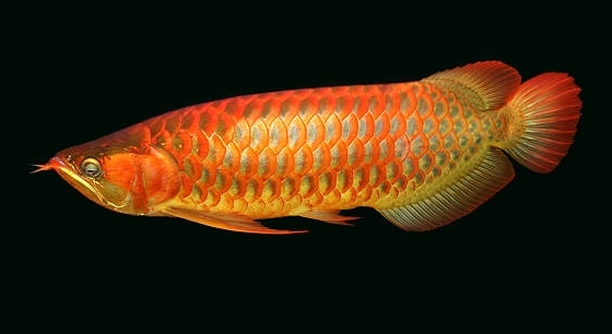
Transporting an Arowana can be challenging, especially when trying to keep it calm and healthy. Many fish owners struggle with stress-related issues that can affect their Arowana’s well-being during travel or relocation.
Properly transporting an Arowana requires careful attention to water quality, temperature stability, and minimal handling. Ensuring oxygen levels are sufficient, using secure containers, and gradually acclimating the fish can significantly reduce stress and promote a safe journey.
Knowing the right techniques can make moving your Arowana much easier and safer for both you and your fish. Following the steps carefully helps prevent common problems during transport.
Preparing the Tank and Container
Before moving an Arowana, it’s important to prepare the tank and transport container properly. Start by cleaning both thoroughly to avoid any leftover chemicals or residues that could harm the fish. Use a container that is sturdy and leak-proof, preferably made of thick plastic or specialized fish transport bags. Ensure there is enough water to cover the fish completely, but avoid overfilling, which can cause spills. The water should match the tank’s temperature to prevent sudden shocks. Adding a small amount of aquarium salt can reduce stress and help maintain the fish’s slime coat, which protects against infections. Make sure the container has a secure lid to prevent accidental escapes. If you are using a bag, double-bagging can prevent leaks and provide extra protection. Preparing everything ahead of time reduces last-minute mistakes and ensures the Arowana remains calm and safe during handling.
Taking these steps carefully protects the fish from stress and physical harm during transport.
Being thorough in preparation not only keeps your Arowana safe but also makes the process smoother for you. Ensuring temperature stability, water quality, and secure containment can prevent unnecessary complications. Small actions, like double-checking the lid or gently acclimating the fish, add up to a more controlled and less stressful experience. It also reduces the risk of sudden movements that might startle the fish, helping it stay calm throughout the process. Remember that even minor oversights, such as temperature differences or unsafe containers, can cause stress or injury. By investing time in preparation, you are ensuring the Arowana’s health and comfort. Each careful step contributes to a safer handling process. Over time, consistent attention to detail will make transporting your Arowana a predictable and manageable task. Proper preparation is the foundation of a smooth transition, minimizing risks and maintaining the fish’s well-being.
Minimizing Handling Stress
Handling an Arowana too much can cause serious stress. Limit contact to only necessary movements and avoid chasing or grabbing quickly.
Gentle movements and proper tools, like a soft net, reduce sudden panic in the fish.
Using a soft net, carefully lift the Arowana and place it in the container with minimal disturbance. Avoid touching its body directly with your hands, as this can damage the protective slime coat. Keep the environment quiet, and avoid sudden noises or bright lights, which can further stress the fish. During the process, move slowly and steadily, giving the Arowana time to adjust. If possible, keep one hand supporting the bag or container, preventing sudden tipping or sloshing of water. Keeping handling to a minimum ensures the fish remains calmer and less likely to injure itself against the container walls. Reducing stress this way helps maintain its immune system and prevents health issues that can arise from excessive worry or physical trauma.
Controlling Water Temperature
Maintaining a stable water temperature is crucial during transport. Sudden changes can shock an Arowana and cause stress. Use insulated containers or heat packs if needed to keep the water consistent. Monitor the temperature throughout the move.
Temperature stability protects the fish from stress-related illnesses. Rapid fluctuations can affect metabolism and immune function. Keeping water within a safe range ensures the Arowana remains calm and active. Pre-warming or cooling the container helps match the tank temperature, reducing shock. Avoid placing the container near direct sunlight or air conditioning vents, which can quickly alter water temperature. Using a thermometer is essential to track the exact temperature, allowing quick adjustments if needed. Arowanas are sensitive to changes, so even small differences matter. Planning ahead to control temperature improves overall safety and reduces complications during handling and transport. Proper temperature management supports both immediate comfort and long-term health.
Keeping water clean and free of debris is equally important. Removing waste and using oxygenated water helps prevent oxygen depletion, which can stress the fish further. Regular checks and careful handling maintain water quality, allowing the Arowana to remain calm and healthy throughout the process.
Securing the Container
A secure container prevents accidents and keeps the Arowana safe. Ensure lids are tight and there is no risk of leaks or spills during movement.
Choose a container that fits the fish comfortably without restricting movement. Avoid containers that are too small, as they can increase stress and limit oxygen exchange. Using padding or foam around the container helps prevent tipping or sudden jolts during transport. Bags should be double-sealed, and air should be sufficient for breathing. Placing the container on a flat, stable surface minimizes movement. Avoid stacking heavy objects on top, which could crush or destabilize it. Secure placement inside a vehicle or carrying case prevents sudden shocks, keeping the Arowana calmer. Clear labeling and handling instructions help anyone assisting to treat the container with care. Properly securing the container ensures safety and reduces stress throughout the process.
Reducing Light and Noise
Bright lights and loud sounds can stress an Arowana during transport. Cover the container with a dark cloth and keep the environment as quiet as possible.
Minimizing stimulation helps the fish stay calm. Avoid sudden movements near the container and keep other pets away.
Using Aeration
Providing proper oxygenation is important for long trips. Use battery-operated air pumps or oxygen tablets to maintain dissolved oxygen levels in the water. This prevents suffocation and reduces stress, especially in smaller containers where oxygen can deplete quickly. Regularly check that the aeration equipment is working properly before and during transport.
Limiting Feeding
Do not feed the Arowana 24 hours before moving. This reduces waste in the container and keeps water cleaner.
FAQ
How long can an Arowana be transported safely?
Arowanas can generally be transported safely for up to 6–8 hours if water quality, temperature, and oxygen levels are maintained. For longer periods, additional aeration and temperature control are necessary. Always plan for stops or monitoring during extended travel to reduce stress.
What type of container is best for transporting an Arowana?
A sturdy, leak-proof plastic container or specialized fish transport bag works best. It should provide enough room for the fish to move slightly without being cramped. Double-bagging and adding padding can prevent spills or tipping, keeping the fish safe and secure.
Can I feed my Arowana before transport?
It’s recommended to avoid feeding the fish at least 24 hours before transport. This reduces waste accumulation in the container, keeps water cleaner, and prevents digestive stress during the move. Clean water is more important than feeding for short-term transport.
How do I keep the water temperature stable?
Use insulated containers or heat packs for cooler environments. Avoid placing the container in direct sunlight or near air conditioning vents. A thermometer helps monitor temperature. Matching the container water temperature to the tank temperature reduces shock and keeps the Arowana calm.
Is it necessary to use oxygen during transport?
Yes, especially for longer trips or small containers. Battery-operated air pumps or oxygen tablets maintain dissolved oxygen levels. Proper aeration prevents suffocation and keeps the fish less stressed. Always check equipment before starting the trip to ensure it works correctly.
How should I handle the fish when moving it into the container?
Use a soft net and gentle movements. Avoid touching the fish directly, as it can damage the protective slime coat. Move slowly and steadily, and keep the environment quiet to reduce panic. Limiting handling prevents injury and helps maintain the fish’s immune system.
What should I do if the water becomes cloudy or dirty?
For short transport, it’s better to avoid changing the water mid-trip, as this can stress the fish. For longer trips, pre-treating water with safe conditioners or using filtered, clean water can help. Ensure oxygen levels are adequate and avoid overcrowding to minimize waste buildup.
Can Arowanas survive in a small container for a few hours?
Yes, as long as water quality, temperature, and oxygen are properly maintained. Small containers are only suitable for short periods. Overcrowding or insufficient oxygen can quickly cause stress or health issues. Always monitor the fish during transport.
Should I acclimate the Arowana after transport?
Yes. Slowly acclimate the fish back into its tank to prevent shock from temperature or water chemistry differences. Float the bag or container in the tank to equalize temperatures, then gradually mix tank water with transport water before fully releasing the fish.
What are the main signs of stress in a transported Arowana?
Signs include rapid gill movement, erratic swimming, clamped fins, or staying at the bottom of the container. Immediate corrective steps include checking water quality, aeration, and temperature. Minimizing handling and reducing external stimuli also helps calm the fish.
How can I prevent injuries during transport?
Ensure the container is stable and padded to prevent tipping. Avoid sharp objects inside the container, and use smooth nets or bags when handling. Secure lids prevent accidental escapes, and slow, careful movements reduce the chance of collisions with container walls.
Can I transport multiple Arowanas together?
It’s possible, but only if the container is large enough and water quality can be maintained. Overcrowding increases stress and oxygen depletion. Separate containers are safer for longer trips or if the fish are aggressive toward each other.
How often should I check the fish during transport?
Check periodically without opening the container too often. Monitor water temperature, aeration, and fish behavior. Frequent checks reduce the chance of unnoticed problems while limiting disturbances keeps stress levels low.
Is it okay to transport an Arowana in a car trunk?
No. The trunk usually lacks temperature control and vibration stability. Place the container inside the passenger area where it can remain level, monitored, and protected from extreme temperatures. A stable, climate-controlled environment is essential for the fish’s safety.
What should I do immediately after transport?
Acclimate the Arowana slowly to the tank water. Monitor for stress signs, check for injuries, and ensure the fish eats normally after a few hours. Maintaining water quality and observing behavior for the first day helps catch any post-transport issues early.
This FAQ covers practical concerns that many owners face, ensuring Arowanas remain safe and healthy while moving from one location to another. By paying attention to water quality, temperature, oxygen, and handling, stress can be minimized, and the fish can recover quickly after transport. Proper preparation and careful monitoring are key to a smooth and safe process.
Word count: 523
Transporting an Arowana can feel stressful at first, but careful planning makes a big difference. The key is to focus on the basics: stable water temperature, clean and oxygenated water, and minimal handling. Each step, no matter how small, helps reduce stress and keeps the fish safe. Preparing everything ahead of time, from the container to the aeration equipment, avoids last-minute mistakes. Even experienced fish keepers find that having a clear plan makes the process easier and less stressful for both the fish and the owner. Taking the time to secure a strong, leak-proof container and ensuring it is stable during transport prevents accidents and allows the Arowana to remain calm. Small actions, like double-bagging or padding the container, may seem unnecessary but add layers of safety that matter during handling and movement. Proper planning also includes monitoring temperature and oxygen levels, which helps maintain the fish’s health during the trip.
Handling the Arowana carefully is another important aspect. The fish’s slime coat is a natural protection, and direct contact with hands or rough nets can damage it. Using a soft net and moving slowly reduces stress and prevents injuries. Limiting handling to only what is necessary also keeps the fish calmer. Sudden movements, bright lights, or loud noises can make the fish panic, which can cause physical harm or even health issues. Reducing stimulation during transport helps the Arowana conserve energy and maintain its immune system. Even small adjustments, like covering the container with a dark cloth, can make a noticeable difference in how the fish behaves during transport. When the fish is calmer, it is easier to monitor its condition and ensure everything is functioning properly, from water quality to aeration. Overall, careful, deliberate handling is essential for a safe and smooth experience.
After transport, acclimating the fish slowly to its new environment is equally important. Even if the trip was short and stress was minimized, sudden changes in water temperature or chemistry can shock the fish. Floating the container or bag in the tank to equalize temperatures and gradually mixing tank water into the transport water helps the Arowana adjust safely. Observing the fish for any signs of stress, injury, or illness is critical during the first day. Providing a calm environment, keeping water clean, and monitoring feeding habits all support a smooth recovery. These steps ensure the fish remains healthy and comfortable after transport. By combining careful preparation, gentle handling, and proper acclimation, transporting an Arowana can be a controlled and manageable process. Following these practices consistently not only reduces stress during each move but also supports the long-term health and well-being of the fish, giving peace of mind to the owner.
Word count: 416

Hello,
If you enjoy the content that we create, please consider saying a "Thank You!" by leaving a tip.
Every little bit helps us continue crafting quality advice that supports the health, happiness, and well-being of pets around the world, for pets of all shapes, sizes, and species.
We really appreciate the kindness and support that you show us!