
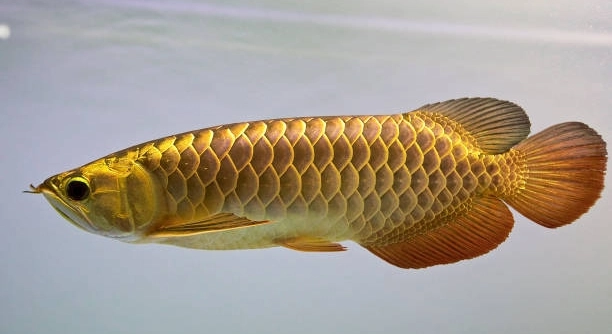
Arowanas are striking fish known for their elegance and strong presence in aquariums. Many owners notice their behavior changes when people approach, often showing signs of alertness or caution in their territory. Observing these fish can be fascinating.
Arowanas do exhibit territorial behavior around people, particularly when they perceive movement near their tank. They may patrol boundaries, display aggressive postures, or react defensively, as this behavior is rooted in their instinct to protect space and resources.
Understanding these behaviors can help owners maintain harmony and provide a suitable environment for their arowanas’ wellbeing. Proper care supports both the fish’s health and the enjoyment of observing them.
Understanding Arowana Territorial Behavior
Arowanas are naturally territorial, and this trait often extends to their interactions with people. When someone approaches the tank, they may swim along the edges, raise their fins, or even snap occasionally. These reactions are not necessarily signs of aggression toward the owner, but rather an instinctual effort to protect their perceived space. The size of the tank, presence of hiding spots, and how much attention they receive daily can influence the intensity of this behavior. Over time, many arowanas become accustomed to a regular routine, recognizing familiar movements and settling into a predictable pattern. Observing them closely allows you to notice subtle changes, such as shifts in swimming patterns or body posture, which indicate their comfort level. A calm environment, consistent feeding schedule, and minimal sudden disturbances can help reduce stress and create a more balanced relationship between the fish and those who care for it.
Proper tank setup significantly affects territorial displays. Larger tanks often reduce frequent confrontations.
Repeated interactions with arowanas show that while they maintain boundaries, they can also recognize routine presence. Gentle, slow movements around the tank help them feel secure. Decorations, plants, or floating barriers give them zones to explore without feeling threatened. Even small adjustments in lighting or water flow can influence their sense of safety. By monitoring these factors, owners can prevent unnecessary stress while allowing the fish to express natural behaviors. Consistent observation helps identify signs of agitation early, letting caretakers intervene appropriately. Understanding their habits also builds trust, as the fish gradually associates certain behaviors with safety rather than intrusion. Over time, maintaining these environmental and behavioral practices creates a harmonious atmosphere where the arowana thrives and its natural territorial instincts are respected without causing unnecessary tension or risk to the owner.
Signs of Territorial Behavior
Arowanas show territoriality through specific behaviors, including sudden lunging, patrolling, and fin displays.
These behaviors are most noticeable during feeding times or when new objects enter the tank. Signs like chasing reflections, hovering near tank boundaries, or blocking areas signal the fish is defending space. Understanding these cues helps owners anticipate reactions and manage the environment to reduce stress. Over time, recognizing these patterns allows for better interaction and minimizes unnecessary agitation, ensuring a calmer, healthier tank environment. Proper attention to these signals is essential for maintaining balance between natural instincts and peaceful cohabitation in the aquarium setting.
Reducing Stress for Your Arowana
Creating a calm environment minimizes stress. Avoid sudden movements near the tank, maintain consistent lighting, and limit loud noises. These small changes make a noticeable difference in the fish’s comfort and help prevent aggressive territorial displays.
Providing hiding spots and plants gives arowanas places to retreat when feeling threatened. Floating barriers or decorations allow them to patrol without constant exposure, which reduces tension. Regular feeding schedules also create predictability, helping the fish feel secure. Observing their reactions to different stimuli lets you adjust the environment accordingly, ensuring a balanced space where natural behaviors can occur without unnecessary stress.
Even simple adjustments like dimming lights during feeding or rearranging décor carefully can calm territorial tendencies. Small changes accumulate, creating a safer, more comfortable habitat. Over time, these practices help the arowana associate human presence with routine rather than a threat, resulting in less defensive behavior. Consistency and attention to their environment are key to maintaining harmony and allowing the fish to thrive naturally.
Interacting Safely with Your Arowana
Approaching the tank slowly reduces startle responses. Avoid tapping the glass or sudden hand movements near the water. Maintaining calm, steady behavior helps the fish remain comfortable while observing.
Feeding directly from a designated spot reduces territorial disputes and conditions the fish to associate human presence with positive experiences. It’s important to respect their space during active swimming or when exploring the tank. Observing body language, such as fin flaring or quick lunges, allows for timely adjustments in interaction. Over time, consistent routines and patient handling encourage trust, helping the arowana feel secure without compromising its natural instincts. This approach promotes safe interactions while maintaining the fish’s wellbeing and minimizing stress.
Recognizing Triggers
Movements near the tank, reflections on the glass, and sudden lighting changes often trigger territorial behavior. Knowing these triggers helps prevent unnecessary stress and aggressive displays, keeping your arowana calmer during daily observation.
Introducing new objects or tankmates can also cause reactions. Gradual adjustments and careful monitoring allow the fish to adapt without feeling threatened, maintaining a stable environment and reducing tension.
Feeding and Territory
Arowanas often guard feeding areas. Providing consistent feeding spots reduces conflict and creates predictable routines. Timing and portion control help the fish feel secure while minimizing competition for food, which can otherwise trigger aggressive territorial displays.
Tank Setup Considerations
Large tanks with clear boundaries help arowanas feel secure. Decorations, plants, and hiding spots create zones for exploration, allowing natural behavior while reducing defensive reactions and maintaining overall tank harmony.
Consistency in Interaction
Regular, calm interaction conditions the fish to human presence. Predictable routines and gentle movements minimize stress, promoting trust and reducing territorial displays over time.
FAQ
Do arowanas attack people?
Arowanas generally do not attack humans intentionally. Their aggressive behaviors are usually limited to defending territory within the tank. Occasional snapping at hands or objects is instinctual, not personal. They may react quickly if someone reaches into the water, but careful, calm interactions usually prevent injuries. Observing their body language, like flared fins or sudden lunges, helps identify moments when they feel threatened, so you can adjust your movements and avoid startling them.
Can arowanas recognize their owners?
Arowanas can become familiar with regular caretakers. They may react less aggressively to familiar movements near the tank. Over time, they learn routine feeding patterns and associate certain people with food or safety. This recognition is subtle and behavioral rather than emotional; they respond to consistency and predictability in their environment.
How do I know if my arowana is stressed?
Signs of stress include constant hiding, erratic swimming, loss of appetite, or frequent flaring. Territorial displays can intensify when the fish feels insecure. Stress may also appear as dull coloration or lethargy. Monitoring these behaviors allows you to adjust the tank setup, reduce disturbances, and maintain a calm environment. Proper water quality, hiding spaces, and consistent routines are essential to reduce stress.
What triggers territorial behavior the most?
Sudden movements near the tank, reflections, changes in lighting, or the introduction of new objects or tankmates often trigger territorial reactions. Recognizing these triggers and minimizing sudden changes helps the fish feel secure. Gradual introductions and predictable routines reduce unnecessary displays of aggression.
Does tank size affect aggression?
Yes, larger tanks typically reduce territorial disputes. Ample swimming space allows arowanas to patrol without constantly encountering perceived intrusions. Crowded tanks or lack of boundaries can intensify territorial behavior. Proper décor, hiding spots, and clear zones help manage aggression while supporting natural behavior.
Can feeding routines reduce territorial displays?
Consistent feeding locations and schedules minimize conflict. When the fish learns where and when food is provided, territorial behavior around feeding decreases. Portion control and avoiding sudden changes in diet or timing also help maintain a calm environment. Gradual adjustments in routine prevent unnecessary agitation.
How do I safely interact with my arowana?
Move slowly near the tank and avoid tapping on the glass. Limit sudden hand movements in the water and approach during calm periods. Observing body language like lunging, hovering near boundaries, or flaring fins signals when to pause interaction. Predictable routines and gentle movements build trust over time.
Are all arowanas equally territorial?
Individual personality, species, and age influence territorial behavior. Younger fish may display less aggression, while mature arowanas often assert dominance over their space. Some species are naturally more defensive. Monitoring individual behavior allows tailored care to maintain a balanced environment.
Can decorations help reduce aggression?
Yes, plants, rocks, or floating barriers provide zones for retreat and exploration. Dividing space allows the fish to patrol without constant exposure to perceived threats. Proper arrangement reduces stress and supports natural behavior, helping maintain harmony in the tank.
Is it normal for arowanas to chase reflections?
Yes, reflections on glass can trigger chasing or snapping. This is instinctive and not directed at people. Minimizing reflective surfaces or changing tank positioning can reduce this behavior while keeping the fish comfortable.
How long does it take for arowanas to adjust to human presence?
Adjustment varies, often taking weeks or months depending on consistency. Calm, predictable movements, regular feeding, and a stable environment help the fish associate human presence with routine rather than threat, gradually reducing territorial reactions.
Can stress make arowanas more aggressive?
Yes, stressed arowanas display more frequent lunging, chasing, or fin flaring. Factors like poor water quality, overcrowding, sudden environmental changes, or inconsistent feeding amplify stress. Maintaining stability, proper tank conditions, and gentle interaction reduces aggression and supports overall wellbeing.
Do arowanas get along with other fish?
Compatibility depends on species, size, and individual temperament. Some may view tankmates as intruders and become territorial. Adequate space, careful monitoring, and providing hiding spots help reduce conflict while supporting coexistence. Gradual introductions minimize stress and allow adaptation.
Can handling arowanas make them calmer?
Direct handling is generally discouraged, as it can stress the fish. Indirect interaction through calm observation, consistent feeding, and maintaining a stable environment is more effective in reducing territorial behavior. Over time, they can become accustomed to human presence without physical handling.
What are long-term strategies to manage territorial behavior?
Consistent tank conditions, predictable feeding, proper space, and slow, deliberate movements near the tank are key. Observing individual behavior allows timely adjustments, minimizing stress and aggression. Over months, arowanas often learn boundaries, reducing unnecessary territorial displays while thriving in a well-managed environment.
This FAQ provides practical guidance for understanding and managing arowana territorial behavior, ensuring a safe and calm environment for both the fish and the caretaker.
Final Thoughts
Arowanas are fascinating fish with strong territorial instincts that can become apparent around people. Their reactions are rooted in natural behavior rather than personal animosity. Observing an arowana’s body language, like fin displays, patrolling, or occasional snapping, helps you understand when the fish feels threatened or is simply protecting its space. Maintaining a calm, predictable environment is essential to keep these behaviors under control. Consistency in daily routines, feeding schedules, and minimal sudden disturbances can make a significant difference in how the fish responds to human presence. Over time, these practices help create a more balanced dynamic where the arowana feels secure while still expressing natural behaviors.
Tank setup plays a major role in managing territorial tendencies. Larger tanks provide more room for exploration and reduce the likelihood of constant confrontation with perceived intruders. Adding decorations, plants, or floating barriers gives the fish zones to retreat and explore safely. Gradual changes in the environment, rather than sudden additions or rearrangements, allow the arowana to adapt without feeling threatened. Proper water quality, adequate filtration, and a stable temperature are equally important, as stressed fish are more likely to display aggressive or defensive behaviors. By observing the fish and adjusting the habitat as needed, caretakers can minimize tension and support a healthier, calmer aquatic environment. This also allows the arowana to settle into a predictable routine, which benefits both the fish and the owner.
Interactions with arowanas require patience and attention. Approaching the tank slowly and avoiding abrupt movements reduces startle responses and aggressive displays. Feeding routines in specific locations and at consistent times can further decrease territorial behavior. While direct handling is not recommended, indirect engagement through careful observation and consistent care can help the fish become familiar with human presence. Over time, these practices build trust and create a more peaceful coexistence. Recognizing individual differences in temperament, species, and age is also important, as each arowana may respond differently to stimuli. Understanding and respecting these instincts ensures the fish can thrive naturally while minimizing unnecessary stress. With careful management, attention to environmental factors, and consistent interaction, arowanas can coexist with people in a safe and calm way, allowing owners to enjoy their elegance and natural behaviors fully.

Hello,
If you enjoy the content that we create, please consider saying a "Thank You!" by leaving a tip.
Every little bit helps us continue crafting quality advice that supports the health, happiness, and well-being of pets around the world, for pets of all shapes, sizes, and species.
We really appreciate the kindness and support that you show us!