
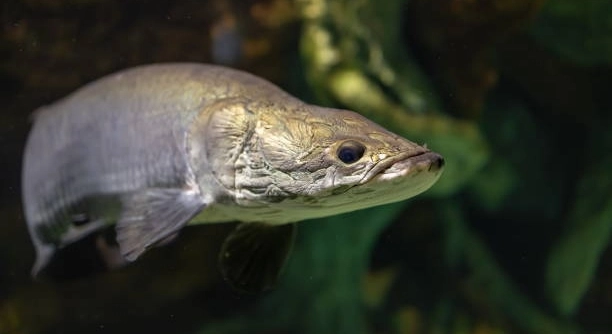
Arowanas are striking fish, admired for their shimmering scales and graceful movements. Proper lighting can enhance their natural beauty and maintain a healthy environment. The right light level contributes to both their visual appeal and overall well-being in captivity.
Arowana lighting should be moderate, avoiding extremes of brightness. Excessive light can stress the fish, while insufficient light may inhibit natural behavior and color development. A balanced, consistent light schedule is crucial for maintaining optimal health and appearance.
Choosing the proper lighting involves more than just brightness. This guide will explain the key considerations to ensure your arowana thrives in its environment.
Understanding Arowana Light Requirements
Arowanas need lighting that mimics their natural environment. Bright, direct light can cause stress, while too dim light can dull their colors and reduce activity. A balanced approach allows the fish to display their natural beauty and maintain healthy behavior. Observing the fish during different times of the day helps identify the optimal light intensity. Using adjustable LED lights can provide flexibility and control, ensuring the tank is neither too dark nor too harshly lit. Proper placement of the light source is also important. Lights should be positioned to illuminate the tank evenly without creating sharp shadows or hot spots. Incorporating plants and decorations can diffuse the light, adding depth and comfort for the fish. Consistent daily light schedules promote regular feeding and swimming habits, supporting overall health. Monitoring the tank’s temperature alongside lighting helps avoid overheating, which can harm the fish’s health and affect its appetite.
Light duration should mimic natural daylight. Around ten to twelve hours per day is ideal for most arowanas.
Maintaining proper lighting involves understanding both intensity and spectrum. A combination of white and slightly warm light enhances natural scale colors. Overly cool or harsh lighting can make the tank feel sterile and reduce the fish’s activity. Adjustable LED systems allow control over brightness and timing, making it easier to create a stable environment. Positioning the lights above the tank and avoiding direct glare on the water surface ensures comfort. Natural light through windows can help but should be moderated to prevent sudden brightness changes. Observing the fish’s behavior provides clues about whether adjustments are necessary. Healthy arowanas should swim actively, show vivid colors, and interact naturally with their environment. Lighting consistency also affects algae growth; too much light can accelerate algae, requiring more frequent cleaning. Proper balance promotes a visually appealing tank while supporting the fish’s physical and psychological well-being.
Choosing the Right Bulbs
LED bulbs are preferred for their efficiency, longevity, and low heat emission.
Different bulbs offer varying color temperatures, impacting both appearance and fish health. Fluorescent or specialized aquarium bulbs may also be used to highlight scale patterns and enhance the tank’s aesthetic. Careful selection ensures the environment remains comfortable and visually pleasing.
Selecting bulbs requires attention to intensity, spectrum, and durability. LEDs allow precise control over brightness and timing, which helps maintain stable conditions. Choosing bulbs that emit light in the 5000–7000 Kelvin range often produces the most natural appearance for arowanas. Bulbs with adjustable settings allow gradual changes in light levels, reducing stress from sudden shifts. Proper maintenance, including cleaning and replacing old bulbs, ensures consistent performance and prevents uneven lighting. Consider bulbs that minimize heat emission to avoid raising tank temperature excessively. Placement also matters; lights should evenly illuminate the tank, avoiding dark corners where the fish may hide excessively. Using a timer helps maintain a regular day-night cycle, supporting feeding and swimming patterns. Observing your arowana under different lighting conditions provides feedback on adjustments needed to achieve optimal health, comfort, and vibrant coloration over time.
Adjusting Light Intensity
Arowanas respond best to moderate lighting that mimics their natural habitat. Too bright can cause stress, while too dim can dull their colors. Adjusting intensity gradually helps the fish adapt without sudden discomfort or behavioral changes.
Gradual adjustments are key. Start with lower brightness and slowly increase until the fish appears comfortable and active. Observing behavior and swimming patterns helps determine optimal levels. Avoid sudden changes, as arowanas are sensitive to light shocks. Adjustable LED systems make this process simple, allowing precise control. Positioning the light to minimize glare and harsh reflections further reduces stress. Regular monitoring ensures consistent conditions for long-term health and vibrant coloration.
Light intensity should complement tank layout. Incorporating plants and decorations can diffuse light naturally. This prevents hotspots, giving the fish shaded areas for rest. Balanced lighting promotes natural behavior, encourages regular feeding, and highlights the arowana’s colors. Adjusting over time allows the fish to maintain comfort while enhancing visual appeal and overall tank aesthetics.
Light Schedules and Duration
Most arowanas thrive with a 10–12 hour daily light schedule. Consistency supports natural activity and feeding patterns.
Maintaining a stable light schedule reduces stress and encourages regular swimming and feeding habits. Using timers ensures precise, consistent cycles, preventing accidental overexposure or prolonged darkness. Gradual transitions between on and off periods help mimic dawn and dusk conditions, promoting comfort. Observing the fish’s response during different times of day allows fine-tuning for optimal well-being. Balancing light duration also controls algae growth and maintains water quality. A steady routine supports overall health, color vibrancy, and natural behavior, creating a more visually appealing and stable environment for the arowana.
Choosing the Right Light Color
Arowanas look their best under natural white or slightly warm light. Cooler tones can make colors appear dull and affect overall appearance.
Combining white and subtle warm lighting enhances scale shine while maintaining a natural tank look. Avoid overly blue or harsh light that may cause stress or unnatural coloration.
Using LED vs. Fluorescent Lights
LED lights are energy-efficient, long-lasting, and produce less heat than fluorescent bulbs. They allow precise brightness adjustments, creating a stable environment. Fluorescent lights can be used but often require replacement more frequently and provide less control over intensity and spectrum. Choosing LEDs ensures comfort and vibrant colors.
Monitoring Your Arowana’s Response
Observe swimming patterns, appetite, and color changes. These behaviors indicate whether the lighting setup is suitable or needs adjustment.
FAQ
How bright should my arowana tank be?
Arowanas do best under moderate lighting that mimics natural conditions. Too bright can stress the fish and cause erratic behavior, while too dim can dull their colors and reduce activity. Adjusting light gradually and observing the fish helps find the right balance.
Can too much light harm my arowana?
Yes. Excessive light increases stress and can lead to hiding, loss of appetite, or abnormal swimming patterns. It may also encourage excessive algae growth, making the tank harder to maintain. Using adjustable lights or dimmers helps prevent overexposure while keeping the tank visually appealing.
Is it okay to use only natural sunlight?
Natural sunlight alone is not ideal because it can vary throughout the day and season. Direct sunlight can overheat the tank or cause sharp light changes that stress the fish. Controlled artificial lighting ensures stable intensity and duration, keeping the arowana comfortable.
What type of bulbs work best?
LED bulbs are preferred due to energy efficiency, long lifespan, low heat emission, and adjustable brightness. Fluorescent bulbs can also be used but often need more frequent replacement and offer less control over intensity. A combination of white and slightly warm light produces the most natural appearance.
How long should the lights stay on each day?
Most arowanas thrive with a 10–12 hour daily light schedule. Consistency helps maintain natural activity, feeding habits, and color development. Using a timer ensures a regular schedule, reducing stress and preventing accidental overexposure or prolonged darkness.
Can light affect my arowana’s color?
Yes. Proper lighting enhances scale colors and overall appearance. Overly cool or dim light may make the fish look dull. Balanced, moderate lighting in the correct spectrum helps highlight the arowana’s natural colors while maintaining comfort.
Should I provide shaded areas in the tank?
Shaded areas are important. Arowanas sometimes need dimmer spots to rest and reduce stress. Plants, decorations, or floating objects can diffuse light, creating comfortable zones without darkening the tank completely. This also supports natural behavior and exploration.
How do I know if the lighting is too strong or too weak?
Watch your arowana’s behavior. Hiding, erratic swimming, or reduced appetite can indicate stress from strong light. Lack of activity, faded color, or minimal movement may suggest insufficient light. Gradual adjustments and observation are key to finding the optimal level.
Can light duration affect algae growth?
Yes. Longer or overly intense lighting promotes algae growth, which can affect water quality and the tank’s appearance. Maintaining moderate brightness with a consistent schedule helps control algae while supporting fish health and color.
Are there any benefits to using timers?
Timers create a reliable day-night cycle, supporting regular feeding, swimming habits, and overall well-being. Gradual on/off transitions mimic dawn and dusk, reducing stress from sudden light changes. Timers also prevent accidental overexposure when you’re away.
Is it necessary to adjust lighting for seasonal changes?
Seasonal light changes can affect natural sunlight exposure, especially if the tank is near a window. Adjusting artificial light accordingly ensures the arowana experiences consistent brightness and duration, maintaining comfort and stable behavior throughout the year.
Can different light colors influence mood or behavior?
Subtle changes in light color can impact activity levels and stress. Natural white and slightly warm tones promote natural behavior and color vibrancy. Harsh or very cool lights may cause discomfort, leading to hiding, reduced movement, or sluggishness.
How often should I check my lighting setup?
Regular checks ensure bulbs are functioning correctly, brightness is appropriate, and timers are accurate. Observing the fish daily provides feedback on comfort and behavior. Replacing aging bulbs prevents uneven lighting and keeps the tank visually appealing.
Are LED strips or overhead lights better for arowanas?
Both can work, but overhead LEDs provide even illumination and reduce glare, creating a more natural environment. Strips can supplement lighting in specific areas but may produce uneven intensity if not positioned carefully. Proper placement ensures comfort and highlights the fish’s colors effectively.
Can I use colored lights for aesthetic purposes?
Occasional subtle accent lighting is acceptable, but avoid strong colored lights for extended periods. Intense colors can stress the fish, alter behavior, or mask natural scale colors. Use color sparingly and in combination with natural white or warm lighting to maintain comfort.
What signs indicate that lighting adjustments are needed?
Signs include changes in swimming patterns, loss of appetite, increased hiding, dull or faded colors, or excessive algae growth. Observing these indicators and making gradual adjustments ensures the fish remains healthy and visually vibrant.
How important is light placement above the tank?
Placement is critical. Lights should be evenly distributed to avoid hotspots or shadows that may stress the fish. Overhead placement provides consistent coverage, highlights natural colors, and maintains a comfortable environment without sudden glare.
Can lighting affect my arowana’s feeding habits?
Yes. Stable, moderate lighting encourages regular feeding patterns. Overly bright or inconsistent lighting can make fish hesitant to eat or disrupt their normal activity. Maintaining a consistent schedule ensures the fish feels secure and maintains a healthy appetite.
Are timers enough, or do I need manual monitoring too?
Timers handle consistency, but manual observation is necessary to assess comfort, behavior, and color. Daily monitoring allows for fine-tuning intensity, duration, or placement to optimize the arowana’s environment. Combining both ensures stability and well-being.
Do arowanas need dimming during certain times of the day?
Gradual dimming during simulated dawn and dusk reduces stress and mimics natural conditions. Sudden on/off changes can startle the fish, whereas gentle transitions encourage natural activity cycles and help maintain calm behavior.
How do I balance lighting with tank temperature?
High-intensity lights can increase water temperature. Monitoring both is essential. Using low-heat LEDs and adjusting intensity or duration helps prevent overheating while maintaining proper light levels for color and activity.
Should lighting be adjusted for multiple fish in the tank?
Yes. Different species or individual fish may have varying light tolerance. Observing all tank inhabitants ensures brightness and spectrum meet collective needs without stressing any fish or promoting aggressive behavior.
Can inconsistent lighting affect long-term health?
Inconsistent lighting can disrupt circadian rhythms, leading to stress, weaker immune response, or reduced coloration. Maintaining a stable schedule, intensity, and spectrum supports overall health, natural behavior, and longevity in captivity.
How do I combine artificial and natural light safely?
Ensure natural sunlight is indirect and supplemented with controlled artificial lighting. Avoid sudden exposure to bright sunlight or glare. Artificial lights can provide consistent intensity and spectrum, while indirect natural light adds realism without stressing the fish.
Are there common mistakes to avoid with arowana lighting?
Yes. Common mistakes include overly bright or dim lighting, inconsistent schedules, harsh color choices, poor placement, neglecting shade areas, and ignoring behavioral feedback. Gradual adjustments, proper equipment, and careful observation prevent these issues.
What adjustments are needed for newly introduced arowanas?
New arowanas may need slightly dimmer lighting initially to reduce stress. Gradually increase intensity as they acclimate, observing behavior, swimming patterns, and appetite. Providing shaded areas also supports a smooth transition and helps the fish feel secure.
Can lighting influence breeding behavior?
Moderate, consistent lighting can encourage natural activity, which supports health and readiness for breeding. Sudden changes, excessive brightness, or improper spectrum may cause stress and reduce reproductive activity. Maintaining stable conditions is crucial.
Is it necessary to replace bulbs regularly?
Yes. Even if bulbs appear functional, aging bulbs can lose intensity and spectrum quality. Regular replacement ensures consistent lighting, optimal color display, and stable conditions for the arowana’s comfort and health.
How do I handle sudden power outages?
Sudden outages can disrupt light schedules. Using backup timers or restoring lighting gradually helps maintain consistent day-night cycles. Avoid sudden full-intensity exposure when power returns, as this may stress the fish.
Can lighting adjustments help with stress recovery?
Yes. Gradually dimming lights or creating shaded areas can calm stressed arowanas. Adjusting intensity and ensuring consistent schedules helps restore normal behavior, appetite, and color vibrancy over time.
Is there a difference between freshwater and brackish setups for lighting?
Lighting needs are similar, focusing on intensity, spectrum, and duration. However, reflections and water clarity may differ. Adjust placement and brightness to suit water conditions while keeping the fish comfortable and maintaining natural coloration.
How often should I reevaluate my lighting setup?
Periodic reevaluation is essential, especially after introducing new fish, changing tank layout, or noticing behavior changes. Observing the fish and adjusting as needed ensures consistent comfort, health, and optimal color display over time.
Can lighting influence aggression or territorial behavior?
Indirectly, yes. Overly bright or inconsistent lighting may stress fish, triggering territorial behavior or aggression. Providing moderate, even lighting and shaded areas reduces tension and supports a calm tank environment.
What are the benefits of using dimmers instead of fixed lights?
Dimmers allow gradual changes in intensity, reducing stress and simulating natural light transitions. They offer precise control, enabling the tank to maintain comfort, enhance colors, and adapt to seasonal or behavioral needs.
How important is observing daily behavior?
Daily observation is critical. Lighting adjustments should be based on swimming patterns, feeding habits, and color vibrancy. Observing behavior provides immediate feedback on comfort, stress, or the need for changes in intensity, spectrum, or duration.
Can lighting improve my tank’s aesthetic without harming the fish?
Yes, careful selection of intensity, spectrum, and placement highlights the arowana’s natural beauty while keeping the environment safe. Combining adjustable LEDs with shaded areas and moderate light schedules balances visual appeal and fish well-being.
What’s the safest way to test new lighting setups?
Introduce changes gradually and observe behavior closely. Start with lower intensity, then slowly increase while monitoring swimming patterns, appetite, and color. Ensure shaded areas remain available to reduce stress during the transition.
Does water clarity affect lighting effectiveness?
Absolutely. Clear water ensures light reaches all areas of the tank evenly. Cloudy or murky water can block light, requiring adjustments in intensity or placement to maintain comfort and highlight the arowana’s colors properly.
How can I maintain consistent lighting during vacations?
Timers are essential for maintaining light schedules in your absence. Backup power or battery-operated timers can prevent disruption. Gradual transitions should be preserved to maintain comfort and reduce stress while you are away.
Is it okay to mix different lighting types?
Yes, as long as intensity, spectrum, and placement are balanced. Combining LEDs with supplementary fluorescent or accent lights can enhance color and visual appeal, but care must be taken to avoid harsh contrasts or uneven coverage.
How do I prevent lighting-related stress in multi-fish tanks?
Observe all species and adjust intensity, duration, and placement to suit the most sensitive fish. Provide shaded areas, diffused light, and gradual transitions to maintain comfort, prevent aggression, and support natural behavior across the tank.
Can lighting influence water temperature?
Yes, especially with older fluorescent or high-intensity bulbs. LEDs produce less heat. Monitoring both lighting and temperature ensures the water remains within a safe range, protecting the fish’s health and preventing behavioral stress.
What’s the best way to highlight my arowana’s colors?
Use moderate, natural white or slightly warm light with even coverage. Avoid overly blue or harsh light. Adjustable LEDs, combined with proper placement and regular observation, enhance scale colors while maintaining a comfortable environment for the fish.
How do I know if my arowana is stressed by light?
Signs include hiding, erratic swimming, reduced appetite, faded colors, or avoidance of certain tank areas. Gradual adjustments, shaded areas, and consistent schedules help reduce stress and restore natural behavior and coloration.
Should lighting differ for juvenile and adult arowanas?
Juveniles may prefer slightly dimmer light initially to reduce stress. Adults can handle moderate intensity. Gradual adjustments allow both age groups to thrive while supporting color development, activity, and overall health.
Can light schedules affect molting or growth?
Indirectly, yes. Stable lighting supports normal behavior, feeding, and metabolic processes, which influence growth. Sudden changes or inconsistent light cycles can disrupt activity and feeding, potentially affecting healthy development.
Is it necessary to track lighting changes over time?
Yes. Keeping notes on intensity, duration, and spectrum adjustments helps identify patterns that affect behavior, color, or stress. Tracking provides guidance for future changes and ensures consistent, healthy conditions for the arowana.
How do I integrate lighting with tank maintenance?
Ensure regular cleaning, water changes, and monitoring coincide with stable lighting schedules. Proper light intensity and spectrum support algae control and visibility, making maintenance easier while maintaining a comfortable environment for the fish.
Can lighting impact interactions with other tank mates?
Indirectly. Inconsistent or overly bright lighting may increase stress or aggression among fish. Balanced lighting, shaded areas, and even distribution support calm behavior, reducing conflict and promoting natural interactions.
How important is adjusting light based on tank decorations?
Decorations affect light distribution and shaded areas. Proper placement ensures balanced illumination, prevents hotspots, and allows the arowana to access comfortable resting zones while highlighting colors effectively.
What’s the best way to combine lighting and filtration systems?
Ensure filtration does not obstruct light or create unwanted reflections. Proper placement of lights above the tank, with diffused coverage, complements filtration flow and maintains a visually appealing and comfortable environment for the arowana.
Can lighting influence the longevity of my arowana?
Yes. Proper, consistent lighting reduces stress, supports natural behavior, encourages regular feeding, and enhances immune function. Overly bright or inconsistent lighting may contribute to stress-related health issues, indirectly affecting lifespan.
How do I balance aesthetic lighting with fish comfort?
Prioritize the arowana’s well-being first. Moderate intensity, natural white or warm tones, shaded areas, and gradual transitions allow safe aesthetic enhancements without compromising health or behavior. Regular observation ensures adjustments maintain both beauty and comfort.
What are the most common lighting mistakes for arowanas?
Mistakes include extreme brightness, inconsistent schedules, harsh color choices, improper placement, lack of shaded areas, and ignoring behavioral cues. Avoiding these ensures comfort, natural coloration, and healthy activity levels.
How do I safely introduce new lighting technology?
Test new lights gradually, monitor the fish closely, and ensure shaded areas are available. Adjust intensity, spectrum, and duration slowly to allow acclimation without stress or behavioral disruption.
Can lighting influence social hierarchy in a tank?
Indirectly. Stress from inappropriate lighting may increase aggression or territorial behavior. Balanced, moderate light with shaded areas supports calm behavior, reducing conflicts and maintaining a stable social structure.
How do I evaluate the success of my lighting setup?
Success is measured by active swimming, consistent appetite, vibrant coloration, minimal stress signs, and manageable algae levels. Observing these indicators regularly ensures lighting meets both aesthetic and health needs.
Are there any emergency steps if lighting harms my arowana?
Dim lights immediately, provide shaded areas, and restore a stable day-night cycle gradually. Monitor behavior and appetite closely. Adjust intensity and duration slowly until the fish shows signs of recovery and comfort.
Can I adjust lighting for seasonal plant growth in the tank?
Yes. Plants may require slight intensity or duration changes, but adjustments must remain within comfort levels for the arowana. Balanced lighting supports both plant health and fish well-being.
How do I maintain consistency with multiple tanks?
Use timers and standardized bulbs across tanks. Monitor each tank individually for behavior, color, and algae growth. Gradual adjustments ensure all fish experience stable, comfortable conditions.
Can lighting enhance tank depth and visual appeal?
Proper placement, moderate intensity, and diffused coverage can create depth and highlight the arowana’s colors without causing stress. Combining overhead and subtle accent lighting improves aesthetics while maintaining comfort.
What should I do if my arowana avoids certain tank areas?
Avoidance often indicates too bright or harsh lighting. Adjust intensity, provide shaded areas, and observe behavior. Gradual changes allow the fish to explore comfortably and maintain natural activity patterns.
Is it better to have continuous light or multiple short sessions?
Continuous light for 10–12 hours is ideal. Multiple short sessions can disrupt natural rhythms and stress the fish. Gradual on/off transitions simulate dawn and dusk more effectively.
How do I balance aesthetics, plant growth, and fish comfort?
Prioritize fish well-being, then consider plants and appearance. Moderate light intensity, natural spectrum, even coverage, and shaded areas support color, growth, and visual appeal. Adjust gradually to maintain stability and prevent stress.
Can lighting affect tank water chemistry?
Indirectly. Excessive light can promote algae growth, which affects oxygen levels and nutrient balance. Maintaining moderate, consistent lighting helps support stable water chemistry and overall tank health.
How do I determine if lighting changes improve my arowana’s well-being?
Observe swimming patterns, color vibrancy, appetite, and behavior. Positive changes indicate comfort, while stress signs suggest further adjustments. Gradual modifications with close monitoring ensure optimal conditions over time.
Can lighting changes impact feeding schedules?
Yes. Sudden intensity shifts can make fish hesitant to eat. Consistent, moderate lighting encourages regular feeding, supporting growth, activity, and overall health.
Is there a maximum safe light intensity for arowanas?
Excessive intensity varies by tank size and species sensitivity. Moderate, even lighting with gradual adjustments is safest. Observing stress indicators ensures intensity remains within comfortable limits.
How do I integrate seasonal natural light variations?
Supplement fluctuating sunlight with controlled artificial lighting to maintain consistent intensity and duration. Gradual transitions mimic natural cycles without causing stress or behavioral disruption.
Can lighting affect tank mate behavior?
Yes. Bright or inconsistent lighting may increase stress, aggression, or hiding. Balanced light and shaded areas reduce tension and support calm interactions among all inhabitants.
Should I consider reflection and glare when placing lights?
Absolutely. Reflections or glare can stress arowanas. Position lights to avoid direct reflection on the water surface and use diffusers or decorations to reduce hotspots.
How do I test new light intensities safely?
Increase brightness slowly while observing behavior, swimming patterns, and color. Provide shaded areas and adjust gradually until the fish shows comfort and activity.
Is it important to match light spectrum with the natural environment?
Yes. Natural white and slightly warm light promote normal behavior and color. Harsh or unnatural spectrums may stress the fish or mask natural coloration.
Can lighting help prevent boredom in arowanas?
Indirectly. Balanced light with shaded areas encourages exploration and activity. Variations in light intensity at dawn and dusk mimic natural changes, stimulating natural behaviors without causing stress.
Are timers better than manual switches?
Timers provide consistency, reducing stress from irregular schedules. Manual switches may cause accidental overexposure or darkness, disrupting behavior. Combining timers with daily observation
Final Thoughts
Proper lighting is one of the most important aspects of caring for an arowana. It affects more than just the appearance of the fish. Balanced lighting supports natural behavior, encourages regular feeding, and helps maintain healthy activity levels. Overly bright light can cause stress, making the fish hide or swim erratically, while light that is too dim can result in faded colors and reduced movement. Adjusting lighting gradually and observing how the fish responds ensures a comfortable environment. Consistent schedules and moderate intensity allow the arowana to feel secure, reducing stress and supporting overall health. Light should be evenly distributed throughout the tank, and shaded areas should be provided so the fish can rest when needed. Both placement and intensity are important factors to consider when setting up a tank for optimal comfort and visual appeal.
The type of bulbs used can also make a noticeable difference. LED lights are preferred because they are energy-efficient, long-lasting, and produce less heat than traditional fluorescent bulbs. They also allow precise control over intensity and timing, which is helpful when trying to maintain a consistent environment. Fluorescent bulbs can be used, but they often need replacement more frequently and provide less flexibility in controlling brightness and spectrum. The right color temperature is important as well. Natural white or slightly warm tones tend to bring out the arowana’s colors without causing stress. Avoid overly cool or harsh lights, which can make the tank appear unnatural and may negatively affect the fish’s behavior. Combining moderate lighting with gradual adjustments, careful placement, and the use of shaded zones creates an environment that supports both physical health and a visually pleasing tank.
Light schedules play a key role in maintaining a balanced habitat. Most arowanas do best with around ten to twelve hours of light each day. Using timers helps ensure that the cycle remains consistent, even when you are not around to adjust it manually. Gradual transitions between on and off periods can mimic natural dawn and dusk, which helps the fish adjust comfortably. Consistent light schedules also help regulate feeding and activity patterns, and they prevent algae from growing excessively, which can affect water quality. Monitoring the fish for changes in behavior, swimming patterns, or coloration provides feedback on whether adjustments are needed. Small, incremental changes to intensity, spectrum, or duration are safer than sudden shifts. Paying close attention to these details ensures the arowana thrives in its tank, maintains its vibrant coloration, and exhibits natural, healthy behavior. Thoughtful lighting creates a stable environment, supporting the fish’s long-term health and making the tank more enjoyable to observe.

Hello,
If you enjoy the content that we create, please consider saying a "Thank You!" by leaving a tip.
Every little bit helps us continue crafting quality advice that supports the health, happiness, and well-being of pets around the world, for pets of all shapes, sizes, and species.
We really appreciate the kindness and support that you show us!