
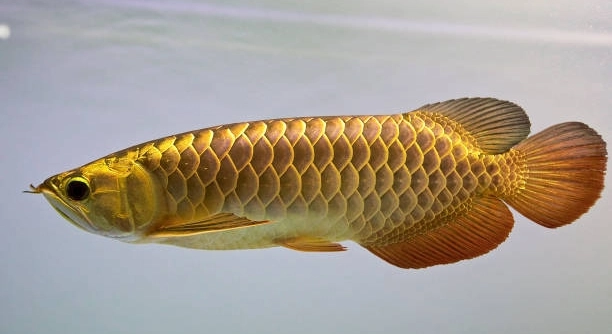
Arowanas are majestic fish, admired for their graceful movements and striking appearance. Watching them glide through the water can be calming, yet sometimes their behavior changes unexpectedly, leaving owners concerned about their health and well-being.
When an arowana stops swimming, it is often a sign of stress, illness, or environmental imbalance. Common causes include poor water quality, improper temperature, infection, or nutritional deficiencies. Prompt attention to these factors is essential to restore the fish’s normal activity.
Understanding why this behavior occurs can help prevent serious health issues. Proper care and observation ensure that your arowana remains active and healthy.
Common Reasons an Arowana Stops Swimming
Arowanas are sensitive to their environment, and several factors can cause them to stop swimming. Water quality is critical; high ammonia or nitrite levels can stress the fish, leading to lethargy. Temperature fluctuations can also affect their metabolism, making movement sluggish. Nutrition plays a role as well—lack of proper vitamins or protein can weaken the fish. Illnesses such as bacterial infections, parasites, or swim bladder issues are other common causes. Sometimes, stress from overcrowding or sudden changes in lighting can trigger this behavior. Observing your fish closely can help identify patterns or triggers. For instance, if the fish rests near the bottom or floats oddly, it may indicate a swim bladder problem. Consistent monitoring of tank conditions, proper feeding routines, and prompt attention to unusual behavior are key to preventing long-term harm and ensuring the arowana stays healthy.
Water quality and temperature are the most frequent triggers of inactivity in arowanas.
Even when environmental conditions are stable, illness can still cause an arowana to stop swimming. Parasites or bacterial infections can weaken the fish, affecting coordination and energy levels. Swim bladder disease is another issue that can prevent proper buoyancy. Early detection is vital; observing changes in posture, appetite, or gill movement helps identify problems. Providing a balanced diet and maintaining optimal water conditions support recovery. Treatment may involve isolating the fish, adjusting tank conditions, or administering medication. Preventive care, such as regular water testing and controlled feeding, minimizes the risk of these problems. By understanding these factors, owners can take deliberate steps to protect the fish’s health and restore its natural activity. Consistency and attention to detail make a significant difference in how quickly an arowana returns to normal swimming patterns.
Steps to Encourage Swimming
Adjusting water parameters is a simple yet effective first step. Arowanas prefer stable temperatures and clean water.
Providing a proper diet and gentle tank conditions encourages movement. Avoid overcrowding and sudden changes, as these can stress the fish. Regular monitoring ensures that any issues are caught early, helping the arowana regain energy. Observing swimming patterns and responding quickly to changes supports long-term health.
Monitoring Tank Conditions
Regular water testing helps maintain arowana health. Checking ammonia, nitrite, and pH levels ensures a stable environment.
Even minor changes in water parameters can stress an arowana. Keeping the temperature steady and performing partial water changes prevent sudden fluctuations. Observing the tank for debris or leftover food reduces contamination. Proper filtration is essential to maintain oxygen levels and remove toxins. Small adjustments, like adding a heater or aerator, can make a noticeable difference. Monitoring daily helps catch problems before they affect swimming behavior, keeping the fish active and healthy.
Lighting and placement also influence activity. Too much direct light can stress an arowana, while too little may reduce movement. Positioning the tank away from high-traffic areas minimizes disturbances. Maintaining a consistent routine, including feeding and cleaning schedules, supports overall well-being. Decorations and hiding spots offer comfort but should not overcrowd the tank. By carefully observing behavior in relation to tank conditions, it becomes easier to address issues promptly. Arowanas respond well to stable environments, and minor improvements often restore natural swimming patterns effectively.
Feeding and Nutrition
Feeding a balanced diet improves energy and activity levels. Variety in protein sources ensures proper growth and vitality.
Arowanas require high-protein diets with occasional supplements for vitamins and minerals. Overfeeding can cause digestive problems, while underfeeding weakens their strength. Live or frozen foods, such as shrimp and small fish, encourage natural hunting instincts. Pellet foods with added nutrients provide convenience and consistency. Maintaining a feeding schedule helps regulate metabolism, supporting swimming activity. Nutritional balance directly impacts health, immune function, and overall behavior. Observing appetite and adjusting portions prevents health issues, ensuring your arowana remains lively and responsive.
Signs of Stress in Arowanas
Rapid gill movement, clamped fins, or staying at the surface can indicate stress. Changes in color or appetite are also common warning signs.
Arowanas may become skittish or hide when stressed. Sudden movements in the tank or new additions can trigger anxiety. Observing behavior closely helps identify problems early.
Common Illnesses Affecting Swimming
Swim bladder issues, bacterial infections, and parasitic infestations are frequent reasons an arowana stops swimming. These conditions affect buoyancy, energy, and coordination. Prompt diagnosis and treatment, including medication or tank adjustments, can restore normal movement and prevent long-term complications.
Isolation and Treatment
Sick or stressed arowanas should be moved to a quarantine tank. Separate care prevents disease spread and allows targeted treatment for recovery.
FAQ
Why has my arowana stopped swimming suddenly?
A sudden stop in swimming usually points to stress, illness, or environmental changes. Common causes include poor water quality, temperature fluctuations, overfeeding, or infections. Observing the fish for other symptoms, like loss of appetite or unusual posture, helps identify the underlying issue quickly.
How can I tell if my arowana is stressed?
Stress in arowanas often shows as rapid gill movement, clamped fins, or staying near the surface. Changes in color, hiding frequently, or erratic swimming are also signs. Stress can result from poor water conditions, overcrowding, or sudden environmental changes, so monitoring behavior is important.
What water conditions are best for arowanas?
Arowanas thrive in clean water with stable temperature and pH levels. Ammonia and nitrite should be near zero, while nitrates remain low. Consistent water changes and proper filtration support a healthy environment. Using a reliable heater or aerator helps maintain stability.
Can swim bladder problems cause my arowana to stop swimming?
Yes, swim bladder disorders affect buoyancy, making it difficult for the fish to maintain normal swimming posture. Causes include overfeeding, constipation, bacterial infections, or physical trauma. Treatment may involve dietary adjustments, water quality improvement, or medication.
How often should I feed my arowana?
Feeding should be consistent, typically once or twice a day depending on age and size. High-protein diets, including pellets, live, or frozen foods, are important. Avoid overfeeding, which can lead to digestive problems or swim bladder issues.
When should I quarantine my arowana?
New or sick arowanas should be quarantined to prevent disease spread. Isolation allows close observation and targeted treatment for illnesses or parasites. A quarantine tank also reduces stress on other tank inhabitants during recovery.
Can lighting affect my arowana’s activity?
Yes, too much bright light can stress the fish, while too little light may reduce activity. Keeping lighting consistent and placing the tank in a calm area helps maintain normal behavior. Gradual changes in light are preferable to sudden shifts.
What are the signs of illness I should watch for?
Signs include lethargy, loss of appetite, abnormal swimming, clamped fins, visible wounds, or unusual spots on the body. Rapid gill movement, swelling, or floating issues also indicate health problems. Early detection increases the chance of successful treatment.
How can I prevent my arowana from becoming inactive?
Maintaining stable water parameters, feeding a balanced diet, providing enough space, and minimizing stressors help prevent inactivity. Regular observation, cleaning, and monitoring behavior ensure that problems are addressed before they worsen.
Is medication always necessary when my arowana stops swimming?
Not always. If inactivity is due to minor stress or environmental factors, improving tank conditions, adjusting feeding, and monitoring behavior may be sufficient. Medication is needed when bacterial, parasitic, or severe swim bladder issues are diagnosed.
Can temperature changes affect swimming?
Yes, arowanas are sensitive to temperature fluctuations. Sudden changes can slow metabolism, reduce energy, and cause abnormal swimming. Maintaining a consistent, species-appropriate temperature supports normal activity and overall health.
What should I do if my arowana refuses to eat?
Refusal to eat often signals stress or illness. Check water quality, temperature, and tank conditions first. Offering live or high-quality frozen foods can stimulate appetite. If the problem persists, consult a veterinarian specializing in fish health for proper diagnosis.
How long does it take for an arowana to recover from swim bladder issues?
Recovery depends on severity and cause. Mild cases may improve in a few days with diet adjustments and improved water conditions. Severe infections or chronic issues may take weeks and require medication or veterinary care. Regular monitoring is essential during recovery.
Can overcrowding in the tank cause swimming problems?
Yes, overcrowding increases stress, limits swimming space, and can lead to aggression. Ensuring adequate tank size for the arowana’s growth and limiting the number of tank mates reduces stress and promotes normal activity.
How do I know if my arowana needs a larger tank?
Signs include restricted movement, frequent contact with tank decorations, or noticeable stress behaviors. Arowanas grow large, and providing ample space supports healthy swimming, reduces stress, and prevents health issues.
Final Thoughts
Observing an arowana stop swimming can be concerning, but understanding the possible reasons helps manage the situation effectively. In most cases, changes in behavior are related to environmental factors, water quality, or nutrition. Arowanas are sensitive fish that respond quickly to stressors, so consistent care and monitoring are essential. Maintaining stable water conditions, including proper temperature, pH levels, and low ammonia and nitrite levels, creates a healthy environment that encourages normal swimming behavior. Even small fluctuations in these parameters can affect the fish’s energy and overall activity. Regular water changes, proper filtration, and avoiding sudden changes in tank setup can prevent unnecessary stress. Monitoring the fish daily allows for early detection of unusual behavior, which is often the first sign of an underlying problem.
Nutrition plays a significant role in an arowana’s health and swimming activity. A balanced diet with adequate protein and vitamins ensures the fish has the energy to move naturally and maintain buoyancy. Overfeeding can lead to digestive problems and swim bladder issues, while underfeeding may weaken the fish and reduce activity. Including a variety of foods, such as high-quality pellets, live or frozen shrimp, and small fish, can provide the necessary nutrients while also stimulating natural hunting instincts. Feeding on a regular schedule helps regulate metabolism and supports consistent behavior. Observing how the arowana responds to different foods can provide insight into its health. When combined with proper tank maintenance and care, good nutrition strengthens immunity, reduces the risk of illness, and contributes to a lively, active fish.
Illness and stress can also affect swimming, but prompt action often leads to recovery. Swim bladder disorders, bacterial infections, and parasites are common problems that influence buoyancy and energy levels. Quarantining sick fish, administering treatment when necessary, and adjusting tank conditions can help restore normal swimming behavior. Stress from overcrowding, aggressive tank mates, or excessive light can also reduce activity. Creating a calm environment with adequate space, hiding spots, and minimal disturbances supports overall well-being. Consistent observation, preventive care, and timely intervention are key to maintaining a healthy arowana. By addressing environmental, nutritional, and health factors, it is possible to encourage normal activity and ensure the long-term vitality of these striking fish.

Hello,
If you enjoy the content that we create, please consider saying a "Thank You!" by leaving a tip.
Every little bit helps us continue crafting quality advice that supports the health, happiness, and well-being of pets around the world, for pets of all shapes, sizes, and species.
We really appreciate the kindness and support that you show us!