
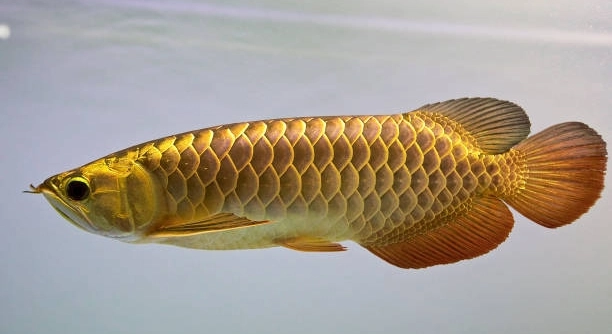
Arowanas are known for their striking appearance and graceful swimming patterns. Many fish keepers enjoy observing their behavior, but understanding dominance in the tank can be challenging for those new to caring for these majestic fish.
Arowanas display dominance through aggressive behavior, territory control, and consistent bullying of tankmates. Dominant individuals often chase or nip smaller fish, occupy prime swimming areas, and assert control over feeding times, which can significantly impact the social balance within the aquarium.
Recognizing these signs early allows you to maintain a peaceful tank environment and ensures the well-being of all your aquatic companions.
Signs of Dominance in Your Arowana
Dominant Arowanas show their power through clear behaviors. They often swim in a confident, straight line while others move aside. You may notice them chasing smaller fish or nudging tankmates to take control of favored areas. During feeding, a dominant Arowana usually eats first, sometimes preventing others from getting food. Their aggression may appear subtle at first, like tail flicks or short lunges, but it can escalate over time. Observing their body posture helps identify dominance; a high, rigid stance with fins spread wide signals confidence and control. Sometimes, they circle the tank slowly, marking territory and showing strength. Tankmates may hide, avoid certain spots, or display stress behaviors such as clamped fins or reduced appetite. Recognizing these patterns early is important for adjusting the tank environment. Proper decorations, sufficient space, and monitoring feeding routines can reduce conflict and help maintain balance in the aquarium.
Dominance often comes from a combination of size, age, and temperament. These factors dictate how interactions unfold among fish.
Regular observation is key to preventing injuries. By noting which fish consistently display aggressive behavior, you can adjust feeding strategies and tank layout. Separating overly dominant fish when necessary or providing hiding spots for smaller fish can maintain a healthier social structure. Additionally, water quality and stress reduction play roles in minimizing aggressive tendencies. A well-organized tank ensures all Arowanas can coexist without constant confrontation. Over time, consistent monitoring allows for better understanding of each fish’s behavior, making it easier to anticipate conflicts.
Adjusting Your Tank to Minimize Conflict
Creating enough space reduces tension among fish. Proper hiding areas and plants can help less dominant fish avoid aggression.
Tank adjustments begin with layout changes. Ensure the tank is large enough for all Arowanas to swim freely, as cramped spaces increase competition. Decorations like rocks, driftwood, and plants create visual barriers and hiding spots, allowing timid fish to retreat when needed. Feeding strategies also matter; spreading food across different areas prevents a single fish from controlling the entire meal. Observation remains important—notice which fish dominate during feeding or territory disputes, then make adjustments gradually to avoid sudden stress. Lighting and water quality can influence behavior too. Brighter lights may embolden dominant fish, while dimmed or diffused lighting can reduce tension. Consistency in temperature, filtration, and water changes helps maintain calm conditions. By combining space management, strategic decoration, and careful monitoring, the aquarium becomes a safer, more balanced environment for all Arowanas, reducing injuries and promoting natural behavior among tankmates.
Common Aggressive Behaviors
Dominant Arowanas often chase or nip smaller tankmates. They patrol favorite areas and may block access to feeding zones. Constant attention to these behaviors helps identify which fish are struggling under pressure and need extra space or hiding spots.
Aggressive behavior in Arowanas can take several forms. Chasing, sudden lunges, or nipping at fins are typical signs. They may also display flared gills or erect fins when asserting control. Smaller fish may hide, reduce movement, or avoid certain tank areas entirely. Over time, repeated aggression can lead to stress, reduced appetite, and even injury. Maintaining observation and noting patterns allows you to intervene early and prevent harm to weaker fish. Adjusting tank decorations, spacing, and feeding areas can reduce conflicts and promote a safer environment.
Some Arowanas establish dominance through subtle body language. Slow circling, head bobbing, and blocking tank entrances signal power without direct attacks. These behaviors are often overlooked but indicate which fish controls the territory. Monitoring both obvious and subtle signs helps maintain a healthier balance and prevents escalation.
Managing Aggression Through Tank Setup
Proper tank layout discourages constant conflict. Rocks, plants, and driftwood create territories and reduce line-of-sight confrontations.
Spacing is critical to reduce stress and aggression. Arowanas need wide swimming areas and multiple hiding spots for less dominant fish. Even distribution of decorations prevents a single fish from controlling key zones. Feeding in multiple locations reduces competition and ensures all fish receive nutrition. Maintaining clean, well-filtered water helps calm fish, as poor conditions can increase aggression. Observing behaviors over time and making gradual adjustments ensures the tank environment supports peaceful coexistence while allowing dominant fish to display natural behaviors without harming others.
Feeding and Dominance
Dominant Arowanas often eat first, taking priority over other fish. They may chase or block smaller fish during feeding times, creating competition and stress in the tank. Observing these interactions helps manage mealtime balance.
Adjusting feeding routines can reduce aggression. Spreading food in multiple locations prevents a single fish from controlling the meal. Smaller fish get a chance to eat without being bullied, supporting healthier growth and reducing stress levels in the tank.
Using Tank Dividers
Dividers can separate aggressive individuals without isolating them completely. This allows fish to remain in the same water environment while preventing physical attacks.
Monitoring Stress Levels
Stress signs in Arowanas include clamped fins, reduced appetite, and hiding. Frequent monitoring ensures dominant behavior does not harm tankmates.
Choosing Compatible Tankmates
Compatibility is essential for a peaceful tank. Avoid overcrowding and select species that can tolerate occasional dominance without injury or constant stress.
FAQ
How can I tell if my Arowana is dominating the tank?
Dominant Arowanas often chase smaller fish, block access to favorite areas, and eat first during feeding. They may display flared gills, rigid fins, or slow circling, marking their territory. Observing both aggressive actions and subtle body language helps identify which fish holds control.
What behaviors indicate aggression in Arowanas?
Common signs include chasing, lunging, nipping at fins, and circling other fish. Dominant Arowanas may also block entrances, guard feeding spots, and show erect fins. Less obvious signals, like slow head bobs or tail flicks, also indicate assertion of control. Tracking patterns over time is essential.
Can tank layout reduce dominance issues?
Yes, proper spacing and decorations help. Rocks, plants, and driftwood create hiding spots and separate territories, giving weaker fish room to retreat. Wide swimming areas and multiple feeding points reduce competition, limiting conflicts and stress for less dominant tankmates.
Should I separate aggressive Arowanas?
In some cases, temporary dividers or separate tanks are necessary. This prevents injury while keeping water conditions stable. Dividers allow fish to remain in the same environment without direct physical contact, reducing stress and maintaining social observation.
Does feeding strategy affect dominance?
Absolutely. Feeding in multiple locations ensures all fish can eat, preventing a single Arowana from monopolizing food. Smaller, less dominant fish get proper nutrition, which reduces stress and improves overall tank health. Observing mealtime interactions helps refine feeding routines.
How does stress show in tankmates?
Stress signs include clamped fins, hiding, sluggish movement, and reduced appetite. Constant aggression or lack of space can exacerbate these symptoms. Monitoring fish closely allows early intervention to prevent long-term health issues.
What tankmates are best for Arowanas?
Select species that tolerate occasional dominance without constant stress. Avoid overcrowding, and choose robust fish that can coexist peacefully. Compatibility reduces aggression and promotes a balanced, calm environment where all fish can thrive.
How often should I observe my tank?
Regular observation is crucial. Daily checks allow you to notice changes in behavior, feeding habits, or signs of stress. Early detection helps prevent injuries and ensures a healthier, balanced tank for both dominant and submissive fish.
Can water quality affect aggression?
Yes, poor water conditions can increase stress and heighten aggressive behavior. Maintaining clean water with stable temperature, proper filtration, and regular changes keeps fish calm and reduces dominance-related conflicts.
Are there signs that dominance is becoming harmful?
Frequent attacks, visible injuries, or prolonged hiding of certain fish indicate that dominance is impacting tank health. Immediate adjustments, such as more space, dividers, or changes in feeding strategy, are necessary to protect all tank inhabitants.
Is it possible to have multiple dominant Arowanas in one tank?
It is possible, but it requires careful observation and tank management. Adequate space, multiple hiding spots, and even distribution of food are essential. Even then, minor skirmishes may occur, so preparation and intervention are important to prevent serious conflicts.
How do I balance a tank with a dominant Arowana?
Balance comes from observation, tank layout, feeding strategy, and careful selection of tankmates. Providing enough space, hiding spots, and food distribution helps reduce stress, prevent injury, and allow both dominant and submissive fish to coexist more peacefully.
Final Thoughts
Managing a tank with a dominant Arowana requires consistent observation and small adjustments to the environment. Dominance in these fish is natural, and it often shows through chasing, nipping, or controlling territory. Understanding the behaviors of a dominant Arowana is the first step to keeping the tank balanced. Watching for subtle cues, like slow circling, head bobbing, or erect fins, can be just as important as noticing obvious aggression. By identifying these behaviors early, you can prevent serious conflicts that may harm smaller or less confident tankmates. Adjustments to the tank layout, feeding routines, and placement of hiding spots are practical ways to reduce tension. These changes allow the dominant fish to display natural behaviors without constantly bullying other fish. Over time, these measures contribute to a healthier and more peaceful tank environment for all inhabitants.
Tank setup plays a key role in minimizing aggression and promoting harmony. Arowanas need sufficient swimming space, as cramped conditions often increase competition and stress. Adding decorations such as driftwood, rocks, or live plants can create natural barriers and areas for less dominant fish to hide. Multiple feeding zones help prevent one fish from monopolizing meals, allowing all tankmates to eat comfortably. Maintaining clean water and stable conditions also supports calmer behavior, as poor water quality can worsen aggression. Observing your fish regularly and making gradual changes to the tank environment ensures that adjustments are effective without causing sudden stress. It is important to remain patient and consistent, as dominance hierarchies take time to establish and settle naturally. The goal is not to completely eliminate dominance but to ensure it does not harm the social balance in the aquarium.
Caring for an Arowana tank with dominant individuals requires understanding, attention, and adaptability. Choosing compatible tankmates and providing enough space and hiding spots reduces stress and prevents injury. Regular monitoring of behavior, stress signs, and feeding interactions allows you to respond quickly to potential issues. Dominance should be managed thoughtfully, using tank layout, feeding strategies, and, if necessary, dividers to maintain safety and order. With careful observation and proactive adjustments, you can create a balanced environment where dominant Arowanas coexist with other fish without constant conflict. Over time, this approach supports the overall health, happiness, and longevity of all fish in the tank, allowing you to enjoy a thriving, well-managed aquarium.

Hello,
If you enjoy the content that we create, please consider saying a "Thank You!" by leaving a tip.
Every little bit helps us continue crafting quality advice that supports the health, happiness, and well-being of pets around the world, for pets of all shapes, sizes, and species.
We really appreciate the kindness and support that you show us!