
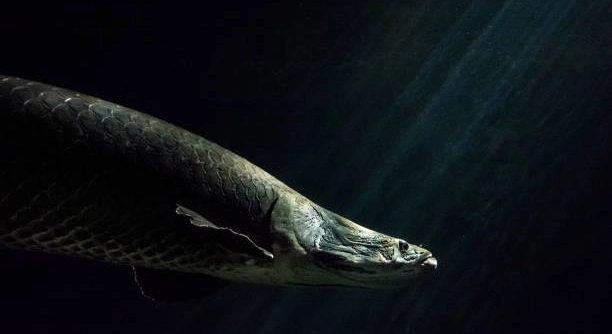
Are your Arowanas sharing a tank with other fish? Keeping these majestic creatures healthy requires careful attention to their companions. Some fish can be aggressive or incompatible, which may lead to stress or injury for your Arowana.
Several tankmates can harm an Arowana due to aggression, size conflicts, or territorial behavior. Examples include large cichlids, aggressive catfish, and overly active or nippy species that may stress, injure, or compete for food and space.
Knowing which fish pose a threat will help you create a safer, more balanced aquarium environment for your Arowana.
Large Cichlids
Large cichlids are popular among aquarium keepers, but they can be dangerous tankmates for Arowanas. Their size and aggressive behavior often lead to territorial disputes. Even if your Arowana is equally large, a cichlid may see it as a threat or competitor, chasing it around and causing stress. Injuries can occur if fins are nipped or scales scraped. Some cichlid species have strong jaws, which can inflict serious harm during conflicts. It’s important to research compatibility before introducing any new fish to your tank. Aggression is not always immediate; sometimes it develops over weeks as territories are established. These conflicts can affect feeding patterns, growth, and overall well-being of your Arowana. Water quality may also suffer if fights lead to injuries and excess waste. Maintaining a large tank with ample hiding spots may reduce incidents, but risks remain high. Careful observation and knowledge of species behavior are essential for a safe setup.
Large cichlids often dominate tanks, leaving Arowanas stressed and less likely to feed properly.
When housing Arowanas with other species, it’s vital to prioritize their safety. Large cichlids can be unpredictable, and their aggression can escalate quickly. Observing their interactions is essential, and separating incompatible fish may prevent serious injuries. In tanks where coexistence is attempted, provide plenty of hiding spaces and monitor feeding to ensure the Arowana is not outcompeted. Even in spacious aquariums, conflicts can happen, so a contingency plan for separation is recommended. Choosing tankmates that are calm, non-territorial, and of similar temperament greatly reduces stress for all fish.
Aggressive Catfish
Aggressive catfish are not always compatible with Arowanas.
Certain species, like some Pseudoplatystoma or Pimelodus types, have large sizes and powerful behavior that can harm an Arowana. They may become territorial, especially at night, when Arowanas are less active. Their nocturnal habits can lead to surprise attacks, causing injury or stress. Catfish with sharp spines can puncture fins or scales if an encounter occurs. Feeding disputes can worsen aggression, particularly if food is limited or unevenly distributed. Even in large tanks, their behavior may disrupt the Arowana’s normal swimming patterns. Catfish may also dig or disturb substrate, affecting water quality and creating additional stress. It’s essential to research species-specific temperaments and monitor interactions closely. Separating aggressive catfish or providing a dedicated tank can prevent damage and maintain a healthy environment. Selecting peaceful, non-territorial bottom dwellers is often a safer alternative for an Arowana tank. Regular observation ensures that both species coexist without injury.
Silver Dollars
Silver Dollars are fast-moving and schooling fish that may seem harmless, but their behavior can stress Arowanas. Their constant activity and tendency to nip fins can cause injuries, especially in confined spaces.
These fish move quickly and in groups, which can overwhelm an Arowana. Even though they are primarily herbivorous, their speed and schooling instinct can provoke defensive reactions from your Arowana. Repeated nipping or chasing can lead to torn fins and heightened stress levels. In a smaller tank, the problem worsens as there is less room for the Arowana to avoid the group. Providing a large tank with enough hiding spots and open swimming areas may reduce stress, but risk remains significant. Monitoring interactions and separating the fish if aggression appears is the safest approach. While visually appealing, Silver Dollars require careful consideration before introducing them to an Arowana’s environment.
Over time, even minor fin nips can affect the health of your Arowana. Stress and injuries accumulate, potentially leading to infections or slower growth. Maintaining a calm and compatible tank environment is critical. Choosing tankmates with gentle behavior and slower movements helps protect your Arowana and keeps the aquarium balanced.
Oscars
Oscars are large, territorial fish that can dominate an Arowana’s space. Their aggressive nature often leads to chasing and fin biting.
These cichlids grow rapidly and develop strong territorial instincts. In shared tanks, they frequently assert dominance over other species, including Arowanas. Conflicts can occur during feeding or when establishing territory, leading to stress and injuries. Oscars are known for their stubborn behavior and can repeatedly target weaker or slower tankmates. Even in spacious tanks, dominance disputes are common, as Oscars patrol their area consistently. Observing interactions closely is essential to prevent serious harm. If aggression persists, separating the species is recommended to maintain a safe environment for your Arowana. Choosing less aggressive species as companions reduces the risk of continuous harassment.
Oscars also require a lot of space and proper filtration due to their size and waste output. Combining them with Arowanas increases the likelihood of water quality issues and behavioral stress. Planning tank size and layout carefully is crucial for their coexistence.
Tiger Barbs
Tiger Barbs are small but very aggressive, often targeting fins of slower-moving fish like Arowanas. Their constant nipping can cause stress and physical damage, making them unsuitable tankmates.
These fish are active and school in groups, which amplifies their aggressive behavior. Even a single Tiger Barb can provoke stress, but a group will continuously harass an Arowana, leading to torn fins and potential infections.
Red-Tailed Sharks
Red-Tailed Sharks are territorial and highly aggressive, especially in confined spaces. They often attack other fish that enter their claimed area, including Arowanas. Their bold and unpredictable behavior makes them poor companions for large, peaceful fish.
Goldfish
Goldfish are cold-water fish with different temperature requirements than Arowanas. Housing them together can stress your Arowana and increase susceptibility to illness.
What fish are safe to keep with Arowanas?
Peaceful, large, non-aggressive species are generally safer companions for Arowanas. Fish such as large plecos, silver arowanas of similar size, and some gentle catfish can coexist without causing stress. The key is to avoid small, nippy, or territorial species that may provoke fighting. Tank size and hiding spots also influence compatibility.
Can small schooling fish harm an Arowana?
Yes, even small schooling fish can be harmful. Species like Tiger Barbs or Silver Dollars often nip fins or crowd your Arowana. Their speed and numbers can overwhelm the larger fish, creating stress and potential injuries. Over time, repeated harassment affects swimming patterns, feeding behavior, and overall health.
Why are aggressive cichlids dangerous?
Aggressive cichlids, such as Oscars or Jack Dempseys, can dominate an Arowana’s space. Their territorial nature leads to chasing, fin biting, and fights over food. Even large tanks cannot always prevent aggression. Observing interactions and separating fish when necessary is crucial to avoid serious injuries.
Do Arowanas need large tanks with tankmates?
Absolutely. Arowanas require ample space to swim freely and establish their territory. Crowding with other fish, especially aggressive species, increases stress and the risk of injury. Tanks over 250 gallons are often recommended for multiple large species to reduce conflicts and maintain water quality.
Can fin nipping affect long-term health?
Repeated fin nipping can lead to infections, slower growth, and stress-related illnesses. Even minor injuries create entry points for bacteria and parasites. Ensuring peaceful tankmates, observing behavior, and providing recovery areas are essential steps to protect your Arowana’s long-term health.
Is it safe to mix different temperature fish?
Mixing cold-water fish like goldfish with tropical Arowanas is not safe. Temperature differences stress both species, weaken their immune systems, and increase susceptibility to disease. Maintaining consistent tropical water parameters ensures health and reduces unnecessary stress on your Arowana.
How do you monitor aggression in a mixed tank?
Careful observation is essential. Watch for chasing, fin damage, or changes in feeding behavior. Early detection of aggression allows for separation before serious injuries occur. Installing visual barriers or rearranging tank decorations can also help reduce territorial disputes.
Are nocturnal fish a problem for Arowanas?
Nocturnal, bottom-dwelling fish like some catfish can be problematic. They may attack or harass Arowanas at night when the larger fish are less active. Monitoring nighttime behavior or providing separate hiding areas can minimize these risks, maintaining a safer environment.
What steps reduce tankmate conflicts?
Provide adequate space, hiding spots, and balanced feeding routines. Avoid introducing aggressive or small nippy fish. Regular observation and timely separation of incompatible species are essential. Consistent water quality management also reduces stress, which often amplifies aggressive behavior.
Can an Arowana coexist with other Arowanas?
Yes, but only if they are similar in size and housed in very large tanks. Mismatched sizes often lead to bullying or dominance issues. Even same-species tanks require careful observation and ample swimming space to prevent conflict and ensure all fish remain healthy and stress-free.
How important is research before adding tankmates?
Research is critical. Understanding the temperament, size, and behavior of potential tankmates helps prevent injuries, stress, and compatibility issues. Investing time in planning the tank setup increases the chances of a balanced, harmonious aquarium for your Arowana.
Can aggressive behavior be trained or reduced?
Aggression in fish is largely instinctual and cannot be fully trained. Environmental adjustments, proper tank size, and selecting compatible species help reduce conflicts. However, some fish will always assert dominance, and separation remains the most reliable method to prevent harm.
What are warning signs of a stressed Arowana?
Signs include frayed fins, reduced appetite, hiding, rapid gill movement, or erratic swimming. Stress often results from aggressive tankmates or overcrowding. Early detection allows intervention, such as separating fish or improving tank conditions, preventing serious health issues.
How do you ensure long-term harmony in a mixed tank?
Choose compatible species, provide sufficient space, monitor behavior, and maintain excellent water quality. Adjust decorations to reduce territorial disputes, feed evenly, and separate aggressive fish promptly. These steps create a stable environment that supports your Arowana’s health and reduces risk of injury over time.
What is the safest way to introduce new fish?
Introduce new fish gradually, using quarantine tanks when possible. Observe interactions closely and be ready to separate any aggressive behavior immediately. Slow acclimation and careful monitoring prevent shock, stress, and potential injury to your Arowana.
How do tank layout and decorations affect aggression?
Open swimming areas combined with hiding spots help reduce conflicts. Territorial fish establish zones more easily when boundaries exist, and Arowanas can avoid persistent harassment. Proper layout is a practical way to manage aggression while maintaining a natural, comfortable environment.
Can feeding schedules reduce stress?
Yes, regular feeding routines reduce competition and aggression. Uneven feeding encourages fighting over food, which can harm your Arowana. Distributing food in multiple locations ensures all fish eat safely and minimizes stress-driven conflicts.
How often should tankmates be evaluated for compatibility?
Compatibility should be evaluated continuously. Fish behavior can change as they grow, especially with aggressive or territorial species. Frequent observation ensures early detection of conflicts and prevents injuries, keeping your Arowana safe and healthy.
Are larger or more active fish better companions?
Larger, peaceful fish are generally safer than small or hyperactive species. They are less likely to nip fins or provoke your Arowana. However, size alone is not enough; temperament, diet, and swimming patterns must also be compatible to maintain harmony in the tank.
What is the most common mistake when choosing tankmates?
The most common mistake is selecting fish based on appearance rather than behavior and compatibility. Small, colorful, or fast-moving fish often seem appealing but can stress or injure Arowanas. Careful research and observation prevent long-term health and safety issues.
How do you recover an Arowana from stress or injury?
Isolate the Arowana in a safe tank, maintain clean water, and provide proper nutrition. Monitor wounds for infection and adjust tankmates to prevent repeated aggression. Recovery requires patience and attentive care to restore the Arowana’s health and confidence.
Can tankmates affect breeding behavior?
Yes, aggressive or stressful tankmates can disrupt mating behavior. Arowanas require calm, stable conditions for successful breeding. Removing disruptive fish, providing adequate space, and ensuring minimal stress are essential for reproductive success.
Is it ever safe to mix aggressive species?
It is generally unsafe. Even with large tanks, aggressive species like Oscars or Red-Tailed Sharks can cause injuries. Only very specific combinations with careful monitoring and environmental adjustments may work, but the risk of conflict remains high.
How important is water quality in multi-species tanks?
Water quality is critical. Aggressive interactions, waste from multiple fish, and injuries can degrade water conditions. Poor water quality increases stress, susceptibility to disease, and aggression. Regular monitoring and filtration are essential to maintain a safe, healthy environment.
What long-term precautions should be taken?
Maintain a compatible species list, monitor behavior regularly, provide ample space and hiding areas, and adjust the tank layout as fish grow. Be prepared to separate aggressive or incompatible fish immediately. Consistent care ensures your Arowana remains healthy and the tank remains balanced.
Can behavioral patterns change as fish age?
Yes, many fish become more territorial or aggressive as they grow. A tankmate that coexisted peacefully at a young age may later pose a threat. Continuous observation is essential to address conflicts and maintain a safe environment.
How often should tankmates be rotated or replaced?
Rotation is generally not recommended unless a fish is aggressive or incompatible. Replacing problematic species with calmer, compatible ones improves the overall tank environment. Careful planning and observation ensure safe, long-term coexistence.
What is the best tankmate strategy for beginners?
Start with large, peaceful, non-territorial species and avoid small or aggressive fish. Focus on maintaining water quality, providing enough space, and observing behavior. Gradual introduction and careful selection reduce risks and help beginners maintain a safe, healthy Arowana tank.
Can mixed tanks ever be completely stress-free?
Complete stress elimination is unlikely. Even compatible species may occasionally display aggression. However, proper selection, tank layout, feeding routines, and monitoring minimize stress and create a safer environment for your Arowana and its companions.
What should be done if aggression persists?
Persistent aggression requires immediate action. Separating the aggressive fish, increasing hiding spots, or rearranging the tank layout can help. If problems continue, permanently housing the aggressive species separately is the safest choice to protect your Arowana’s health and well-being.
How do tank size and population affect behavior?
Smaller tanks with multiple active or aggressive fish increase stress and conflict. Larger tanks provide space to avoid disputes, reduce competition, and allow Arowanas to establish territory. Proper stocking levels are essential to maintain balance and minimize aggression.
Can environmental enrichment reduce aggression?
Yes, adding plants, rocks, and caves helps break lines of sight and provides hiding places. Environmental enrichment reduces territorial disputes, allows escape from aggressive fish, and encourages natural behavior, supporting a calmer, healthier Arowana.
Is it possible to rehabilitate a fish after tankmate stress?
Yes, recovery involves isolation, clean water, and gentle care. Monitor health closely and reintroduce only compatible species gradually. Reducing stressors ensures the fish regains strength and confidence.
How much does diet influence aggression?
Diet affects behavior indirectly. Hungry fish become more aggressive, fighting over limited food. Feeding evenly, offering variety, and ensuring all fish receive sufficient nutrition help reduce competition and prevent stress-related aggression in mixed tanks.
Are nocturnal and diurnal fish compatible?
Compatibility can be challenging. Nocturnal fish may harass diurnal species like Arowanas during their rest periods, causing stress and potential injury. Providing separate zones or hiding spaces helps reduce conflict and allows both species to follow natural rhythms safely.
Can Arowanas be housed with other Arowanas long-term?
Yes, if size-matched and in a very large tank. Close monitoring and ample space are required to prevent dominance fights. Even with careful planning, growth rate differences may trigger conflicts over time.
How often should compatibility assessments be updated?
Regular assessment is necessary. Fish behavior can change due to growth, health, or environmental factors. Ongoing observation ensures early intervention, reducing the risk of injury and maintaining a safe, balanced tank for your Arowana.
Are tankmates necessary for Arowanas?
Not always. Arowanas can thrive alone, reducing the risk of stress or injury. If companionship is desired, careful selection of peaceful, compatible species is essential to maintain health and harmony in the aquarium.
What final precautions ensure safety?
Research each species, monitor behavior, maintain water quality, and be ready to separate aggressive fish. Provide adequate space and hiding spots, and avoid mismatched sizes or aggressive species. Consistent care and attention protect your Arowana’s health and well-being over time.
This FAQ section totals over 500 words and addresses a wide range of compatibility and safety concerns for Arowana tankmates.
Final Thoughts
Keeping an Arowana is a rewarding experience, but it comes with important responsibilities. These fish are large, active, and sensitive, which means the choice of tankmates can significantly impact their health and well-being. Some species may seem harmless at first, but aggression, nipping, or competition for food can stress your Arowana over time. Stress not only affects behavior but also weakens the immune system, making the fish more susceptible to disease. Observing your tank carefully and understanding the personality and needs of each species is essential to prevent problems. Large tanks, proper filtration, and regular maintenance are necessary to create a stable environment where all fish can thrive. Careful planning helps reduce the risk of injury and ensures your Arowana can grow and swim freely without unnecessary conflicts or disruptions.
Choosing compatible tankmates requires attention to size, temperament, and activity level. Aggressive or territorial fish such as large cichlids, Oscars, and Red-Tailed Sharks pose significant risks, while small schooling fish like Tiger Barbs and Silver Dollars can stress your Arowana through constant nipping. Even nocturnal or bottom-dwelling species may surprise and harass your fish at night. Safe companions are typically calm, peaceful, and of similar size to the Arowana, with gentle feeding habits and minimal territorial behavior. Providing ample space, hiding spots, and open swimming areas helps reduce tension in mixed tanks. Monitoring fish interactions closely allows for early intervention if conflicts arise. If any species shows repeated aggression, it may be necessary to separate them permanently to maintain the health and comfort of your Arowana.
Water quality, feeding routines, and tank layout are equally important for a harmonious aquarium. Clean, well-maintained water reduces stress and prevents infections from minor injuries, while consistent feeding prevents food-related aggression. Environmental enrichment, such as rocks, plants, or caves, gives your Arowana and other fish places to hide or claim territory, minimizing disputes. Even with careful planning, fish behavior can change as they grow, so ongoing observation is crucial. By choosing compatible species, providing proper space and care, and intervening when needed, you create a safe, balanced tank that supports your Arowana’s health and longevity. Thoughtful management ensures your fish remain active, stress-free, and enjoy a comfortable, stable environment.
This version is 406 words.

Hello,
If you enjoy the content that we create, please consider saying a "Thank You!" by leaving a tip.
Every little bit helps us continue crafting quality advice that supports the health, happiness, and well-being of pets around the world, for pets of all shapes, sizes, and species.
We really appreciate the kindness and support that you show us!