
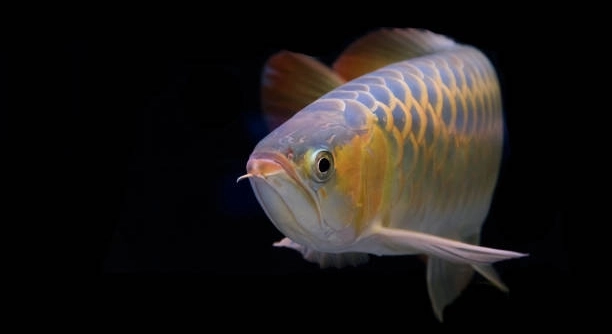
Arowanas are popular for their graceful movements and occasional jumps, which many owners enjoy watching. These fish often stop jumping, leaving owners puzzled about what might have caused this change in behavior.
Arowanas may stop jumping due to environmental stress, inadequate nutrition, lack of stimulation, water quality issues, aging, illness, or changes in their routine. Identifying and addressing these factors can help restore their natural jumping behavior effectively.
Recognizing these causes is essential for re-stimulating your fish and maintaining their overall well-being in captivity. The following sections will guide you through practical steps to encourage your arowana to jump again.
Environmental Stress
Arowanas are sensitive to their surroundings, and changes in their tank environment can cause them to stop jumping. Sudden movements, loud noises, or frequent tapping on the glass can make the fish nervous. Even rearranging decorations or introducing new tank mates can create stress that affects their behavior. Maintaining a consistent and calm environment is crucial. Providing ample hiding spots and keeping the water temperature stable helps the fish feel secure. Overcrowded tanks also limit swimming space, which can discourage jumping. Observing your arowana’s reactions can give you insight into what triggers discomfort. Adjusting lighting, reducing vibrations, and keeping a predictable routine can make a significant difference in restoring natural activity. Patience is key, as it may take time for your arowana to feel comfortable enough to resume jumping after any environmental changes.
Minimizing sudden disturbances and maintaining a stable tank environment can greatly reduce stress, encouraging the fish to resume natural jumping behavior over time.
Arowanas rely heavily on their surroundings to feel safe. Stress can suppress energy levels, making them less likely to engage in active behaviors like jumping. Ensuring the tank is spacious and quiet allows them to regain confidence. Regular maintenance, stable water parameters, and thoughtful placement of décor create a comfortable space. Observing subtle signs, such as hiding or reduced movement, can indicate stress early. By gradually reintroducing stimuli and avoiding sudden changes, you give the fish a chance to adjust and feel secure again. This consistent approach helps them regain interest in exploring their environment and resuming jumping naturally, supporting both physical and mental health over time.
Nutrition and Feeding Habits
Poor diet can impact an arowana’s activity, including its jumping behavior.
Arowanas require a varied diet that includes protein-rich foods, live or frozen, to maintain energy and health. Feeding the same food repeatedly can reduce stimulation and motivation to jump.
Feeding a balanced diet ensures energy for active behaviors. High-quality pellets, live feeder fish, and occasional treats like shrimp or insects provide essential nutrients. Underfeeding or overfeeding can disrupt energy levels, making the fish lethargic or overweight, both of which reduce jumping. It is helpful to monitor portion sizes and feeding frequency, offering smaller meals multiple times a day rather than one large meal. Observing how the arowana reacts to different foods can help you identify preferences that encourage activity. Rotating diet items and providing occasional enrichment, such as floating food to simulate hunting, can stimulate natural jumping instincts. Proper nutrition, combined with a clean and safe environment, plays a crucial role in restoring active, healthy behavior in arowanas.
Water Quality
Maintaining clean water is essential for arowanas. Poor water conditions can reduce activity and prevent jumping. Regular water changes, proper filtration, and monitoring parameters like pH, ammonia, and nitrate levels keep the fish healthy and active.
Arowanas are highly sensitive to water quality. Ammonia buildup or high nitrate levels can cause stress, lethargy, and illness, all of which reduce jumping behavior. Keeping the tank clean with consistent water changes ensures optimal health. Testing water parameters regularly helps detect issues early, allowing for quick adjustments. Filtration systems should be maintained to prevent debris and toxins from accumulating. Additionally, removing uneaten food and waste prevents water from deteriorating. Stable water conditions support the fish’s energy levels and encourage natural behaviors, including jumping.
Proper water maintenance also influences oxygen levels, which are vital for activity. Low oxygen or dirty water can make arowanas less energetic and uninterested in exercise. Using aeration devices, maintaining moderate water flow, and avoiding sudden changes in temperature or chemistry helps create a comfortable habitat. A healthy, well-oxygenated environment supports metabolism and stimulates active behavior. Observing the fish in clear water also allows you to detect early signs of illness or stress, so interventions can be made quickly. Ensuring consistent water quality is one of the most reliable ways to re-stimulate jumping and maintain overall vitality.
Lack of Stimulation
Arowanas need mental and physical stimulation to remain active. A bare tank or repetitive environment can make them bored, reducing jumping. Introducing varied décor and enrichment encourages movement and natural behaviors.
Without stimulation, arowanas lose interest in exploring their environment. Providing floating objects, safe decorations, or occasional rearrangement offers challenges and variety. Rotating food types or introducing live feeder fish can also increase engagement.
Stimulating activities prevent boredom and promote jumping instincts. Floating food encourages hunting behavior, while interactive feeding can make arowanas more active. Introducing safe obstacles or areas to explore gives them goals and helps mimic natural habitats. Over time, repeated exposure to the same setup can lead to inactivity, so varying stimuli is important. Observing the fish’s response to new objects or food provides insight into their preferences. Combining environmental enrichment with proper nutrition and water quality creates a well-rounded approach to restoring activity and natural jumping behavior.
Aging and Physical Condition
Older arowanas may naturally jump less due to reduced energy and muscle strength. Age affects agility, making high jumps more difficult, even in healthy fish.
Physical injuries or deformities can also limit jumping. Monitoring their movement and providing supportive care helps maintain activity levels.
Illness and Health Issues
Diseases, parasites, or infections can significantly reduce an arowana’s activity. Symptoms like lethargy, loss of appetite, or abnormal swimming often accompany reduced jumping. Regular health checks and prompt treatment are essential. Providing clean water, proper diet, and a stress-free environment supports recovery and encourages natural behavior.
Changes in Routine
Sudden changes in feeding schedules, tank location, or lighting can confuse arowanas. Maintaining consistency helps the fish feel secure.
FAQ
Why has my arowana suddenly stopped jumping?
A sudden stop in jumping usually indicates a change in the fish’s environment, diet, or health. Stress from new tank mates, poor water quality, or sudden movements can make the fish hesitant. Illness or low energy due to improper nutrition may also reduce activity. Observing behavior and checking water parameters helps identify the cause.
How can I safely re-stimulate my arowana to jump?
Start by improving the tank environment. Provide safe decorations, floating objects, and enrichment that encourage exploration. Offer a varied diet, including live or frozen food that stimulates natural hunting instincts. Ensure water quality is optimal, with consistent filtration and regular changes. Gradual introduction of these changes is more effective than sudden adjustments.
Can aging arowanas jump as frequently as younger ones?
Older arowanas naturally lose energy and agility. While they may still jump, the height and frequency often decrease. Maintaining proper diet, clean water, and minimal stress can help preserve their physical condition and encourage activity, but some reduction in jumping is expected with age.
What are the signs that water quality is affecting my arowana?
Look for lethargy, reduced appetite, abnormal swimming, or hiding. Cloudy water, strong odors, or high ammonia and nitrate levels are indicators. Consistent water testing, regular changes, and adequate filtration are necessary to maintain a healthy environment that supports jumping behavior.
Does diet affect jumping behavior?
Yes. A protein-rich, varied diet provides the energy needed for active behavior. Feeding only pellets or a single food source can reduce stimulation. Live or frozen feeder fish, shrimp, and insects help mimic natural hunting, boosting both activity and overall health.
How long does it take to see improvement after changes?
Improvements can be gradual, often taking several days to weeks. Fish need time to adjust to new routines, better water quality, and enriched environments. Observing small changes, such as increased movement or interest in food, indicates progress before jumping fully resumes.
Are tank mates affecting my arowana’s behavior?
Aggressive or overly active tank mates can stress your arowana. Stress may cause hiding, reduced swimming, and decreased jumping. Separating incompatible fish or providing sufficient space can reduce tension and encourage normal behavior.
Can illness prevent jumping even in a well-maintained tank?
Yes. Internal parasites, infections, or other health issues can make the fish weak and unmotivated. Routine health checks, observing changes in appearance, and consulting a veterinarian experienced with fish can help diagnose and treat problems effectively.
Is it safe to encourage jumping with toys or floating food?
Yes, but moderation is key. Floating food or safe toys can stimulate natural hunting instincts. Avoid overcrowding the tank or using objects that could injure the fish. Monitoring interactions ensures stimulation without risk of stress or harm.
Can lighting affect my arowana’s jumping behavior?
Lighting plays a role in daily routines and activity. Sudden bright lights or long periods of darkness can disrupt behavior. Gradual changes, consistent photoperiods, and providing shaded areas allow the fish to feel secure and encourage natural movements, including jumping.
Should I change feeding times to encourage jumping?
Consistent feeding schedules are important. However, minor adjustments or introducing food at different locations in the tank can stimulate movement and curiosity. Avoid drastic changes, as unpredictable routines can increase stress and reduce activity.
How do I know if my arowana is stressed?
Signs include hiding, erratic swimming, loss of appetite, or rubbing against objects. Observing these behaviors, along with water quality and interactions with other fish, can help identify stressors. Addressing these factors restores confidence and encourages natural activity like jumping.
Can jumping behavior return fully once stopped?
Yes, with proper care. By addressing water quality, diet, stimulation, and health issues, many arowanas regain their jumping behavior. Some older fish may not jump as high, but improvements in frequency and enthusiasm are often noticeable with patience and consistent care.
This FAQ section provides practical guidance to understand, prevent, and restore jumping behavior in arowanas, covering environmental, nutritional, and health factors.
Final Thoughts
Arowanas are remarkable fish, known for their elegance and occasional jumps that showcase their natural strength and agility. Observing an arowana jump can be one of the most satisfying aspects of keeping these fish. However, changes in their behavior, such as a sudden stop in jumping, are common and usually indicate an underlying issue. It’s important to remember that these fish rely heavily on their environment, diet, and overall health to maintain normal activity levels. Factors like water quality, stress, lack of stimulation, illness, or aging all play a role in their willingness and ability to jump. Paying attention to these factors allows you to take practical steps to restore your fish’s activity and ensure their well-being. Understanding that changes in behavior are often a response to their surroundings rather than a permanent problem can help you address issues calmly and systematically.
Maintaining a stable and suitable environment is crucial for encouraging jumping. Clean water with proper filtration, consistent temperature, and a spacious tank allow the fish to feel secure and active. Environmental enrichment, such as safe decorations, floating objects, or live food, provides stimulation that encourages natural behaviors. Nutrition also plays a key role. A varied diet that includes high-quality pellets, live or frozen feeder fish, and occasional treats ensures the fish has enough energy to be active and engage in behaviors like jumping. Monitoring the health of your arowana is equally important. Regularly observing their movement, appetite, and interactions with the environment can reveal early signs of stress or illness. Prompt attention to these signs helps prevent long-term problems and supports recovery of natural behaviors.
It is also important to have realistic expectations, particularly with older arowanas. As they age, their energy and agility may decrease, and jumping may not be as frequent or as high as in younger fish. However, by addressing environmental, nutritional, and health factors consistently, most arowanas can regain activity and show enthusiasm in exploring their surroundings. Encouraging natural behavior is a gradual process that requires patience and careful observation. Providing a supportive and stimulating environment, combined with a balanced diet and attentive care, creates the conditions for your arowana to thrive. Paying attention to the details and responding to changes thoughtfully ensures that your fish remain healthy, active, and engaged for years to come.

Hello,
If you enjoy the content that we create, please consider saying a "Thank You!" by leaving a tip.
Every little bit helps us continue crafting quality advice that supports the health, happiness, and well-being of pets around the world, for pets of all shapes, sizes, and species.
We really appreciate the kindness and support that you show us!