
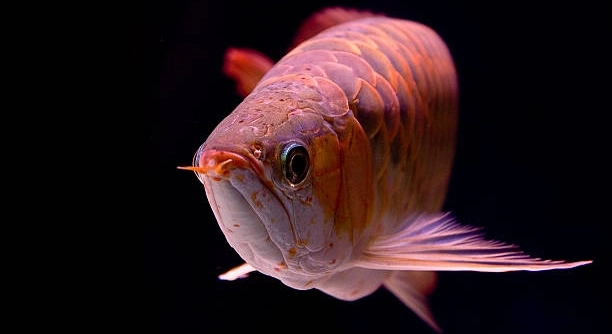
Is your arowana looking less lively than usual, or spending more time near the surface of the tank? Observing small changes in behavior and appearance can help you understand your fish’s overall well-being and health.
Arowanas show clear signs when their health declines, including loss of appetite, lethargy, faded coloration, and irregular swimming patterns. Monitoring these indicators closely allows owners to respond quickly to prevent further deterioration or potential death.
Recognizing these warning signs early can help protect your arowana and maintain a healthier, more stable environment in its tank.
Common Signs of a Dying Arowana
Arowanas often give subtle hints when they are unwell. You might notice reduced activity, where your fish spends more time resting at the bottom or hiding. Appetite changes are also important—if your arowana refuses food it once loved, this can indicate stress or illness. Physical changes are another clear indicator. Faded colors, dull scales, or fraying fins can all suggest declining health. Swim patterns may become erratic or sluggish, sometimes accompanied by floating awkwardly or struggling to maintain balance. Gasping at the water surface may point to oxygen or gill problems. Eye cloudiness and swollen areas on the body also deserve attention. Maintaining a clean, well-filtered tank with proper temperature and pH levels is crucial, as poor water conditions exacerbate health issues. Monitoring your arowana daily allows you to catch these signs early and address the causes before serious damage occurs. Observing consistently helps you identify patterns and intervene timely.
Watching your arowana’s behavior closely is the best way to catch problems early and prevent worsening health.
Understanding these signs helps ensure your fish stays healthy. Noticing subtle changes early can make a significant difference, allowing you to take corrective actions immediately. Prompt attention to diet, water quality, and environment can reverse minor issues before they become severe. This makes the difference between temporary setbacks and fatal outcomes, providing a safer, more comfortable habitat for your arowana. Daily observation and care are essential in maintaining arowana health.
Environmental Factors Affecting Arowana Health
Water quality directly impacts an arowana’s survival. Poor filtration, high ammonia, or irregular temperature changes stress the fish and weaken its immune system. Proper tank maintenance, regular water changes, and monitoring chemical levels are essential to prevent illness.
Even slight fluctuations in temperature or pH can trigger lethargy or reduce appetite. Tanks must be stable, with a proper balance of minerals and oxygen. Ensuring adequate space is also important, as cramped environments increase stress. Overcrowding, incompatible tank mates, and improper lighting can worsen health conditions. Arowanas are sensitive and require a carefully managed habitat.
Environmental stressors are often overlooked, yet they play a key role in overall health. Consistent tank monitoring, cleaning filters, and checking water parameters help maintain ideal conditions. Avoid sudden changes in temperature or water chemistry, and provide a balanced diet to complement the environment. Neglecting these factors can result in disease, slower healing, or death. Observing behavior, swimming patterns, and physical appearance allows for early identification of problems caused by the environment. Taking proactive steps ensures your arowana thrives in a healthy and stable habitat, minimizing risk of illness and extending its lifespan.
Changes in Eating Habits
Arowanas that stop eating or show less interest in food are often unwell. Appetite loss can indicate stress, infection, or internal issues. Monitoring feeding patterns helps catch problems early.
Sudden changes in eating habits are a strong indicator of health problems. An arowana that previously ate eagerly may begin nibbling or ignoring food entirely. This can result from poor water quality, parasites, or bacterial infections. Consistent refusal to eat weakens the fish, making it more vulnerable to disease. It is important to observe not only the quantity eaten but also how quickly the fish reacts to food. Slow or hesitant feeding is another subtle warning sign. Addressing these changes immediately by checking water conditions, adjusting diet, or consulting a veterinarian can prevent further decline.
Even minor shifts in appetite should not be ignored. Nutritional deficiencies can develop quickly, leading to lethargy and weakened immunity. Offering a variety of high-quality foods and maintaining stable tank conditions encourages better feeding behavior. Avoid overfeeding, as leftover food can worsen water quality. Tracking daily feeding responses provides insight into overall health.
Unusual Swimming Behavior
Erratic or sluggish swimming often signals illness or stress in arowanas. Abnormal patterns can include floating sideways, struggling to maintain balance, or rapid darting.
Swimming irregularities can result from physical injuries, swim bladder issues, or environmental stressors. Arowanas may hover near the surface or the bottom, avoiding usual swimming routes. Poor water conditions, such as low oxygen levels, can exacerbate these problems. Observing how the fish moves, its reaction to surroundings, and its coordination helps identify the underlying issue. Immediate attention to tank conditions, diet, and stressors can improve swimming behavior. Persistent irregular movement indicates the need for veterinary care or water parameter adjustments.
Changes in swimming behavior are critical to monitor daily. Even slight deviations from normal patterns suggest underlying problems. Maintaining stable water temperature, clean filtration, and adequate space supports natural movement. Removing aggressive tank mates or rearranging decorations can reduce stress. Ensuring proper nutrition and avoiding sudden environmental changes prevents further complications. Consistent observation of swimming habits is an effective way to track health and respond to issues before they worsen.
Physical Appearance Changes
Faded colors, dull scales, and fraying fins are clear signs of declining health in arowanas. Regularly checking your fish’s appearance helps spot issues early.
Swelling, sores, or cloudy eyes also indicate illness. Noticing these changes quickly allows for prompt intervention before the condition worsens.
Gasping and Breathing Issues
Arowanas that gasp at the water surface or breathe rapidly may be struggling with oxygen levels or gill problems. This behavior often signals poor water quality or infection. Maintaining clean, well-oxygenated water is essential to prevent these issues and support proper respiration.
Lethargy and Reduced Activity
Persistent lethargy, spending long periods resting at the bottom, or hiding more than usual reflects stress or illness. Observing activity levels daily helps detect early health problems.
FAQ
How can I tell if my arowana is seriously sick?
Arowanas show clear signs when their health declines. Look for changes in appetite, lethargy, faded colors, fraying fins, or unusual swimming patterns. Persistent gasping at the surface or hiding for long periods also indicates stress or illness. Observing these signs daily helps identify serious problems early.
What should I do if my arowana stops eating?
Loss of appetite is often a warning sign. First, check water quality, temperature, and pH levels. Ensure food is fresh and appropriate for arowanas. Try offering a variety of high-protein options like shrimp or pellets. If the fish continues to refuse food, consult a veterinarian experienced with freshwater fish.
Why is my arowana swimming oddly?
Erratic or sluggish swimming can result from physical injury, swim bladder issues, or environmental stressors. Floating sideways, hovering near the surface, or darting suddenly may indicate poor water conditions, low oxygen, or disease. Adjusting tank conditions and monitoring behavior is essential. Persistent abnormal movement requires veterinary attention.
What do changes in color mean?
Faded or dull coloration often reflects stress, poor diet, or disease. Vibrant scales indicate a healthy arowana, while discoloration may signal illness or inadequate tank conditions. Regular observation helps you notice subtle changes and take corrective action quickly.
Can water quality really affect my arowana’s health?
Yes. Arowanas are sensitive to ammonia, nitrites, nitrates, and pH fluctuations. Poor water quality weakens immunity, reduces appetite, and can cause fin rot or gill problems. Maintaining clean water, using a reliable filtration system, and performing regular water changes is critical for long-term health.
How often should I check my arowana for signs of illness?
Daily observation is best. Check swimming patterns, appetite, physical appearance, and behavior. Even minor changes can indicate early health problems. Monitoring consistently allows prompt corrective action, reducing the risk of severe illness or death.
Is lethargy a serious concern?
Persistent lethargy is a major warning. Healthy arowanas are usually active, exploring the tank and responding quickly to food. If your fish spends excessive time at the bottom or hides frequently, it may be stressed, ill, or suffering from environmental problems. Early intervention is important.
Can tank mates affect my arowana’s health?
Yes. Aggressive or incompatible tank mates can stress an arowana, causing reduced appetite, poor swimming, and color changes. Ensure tank mates are suitable in size and temperament. Stress from other fish can worsen underlying health problems, so monitoring interactions is essential.
What role does diet play in arowana health?
A balanced diet is crucial. Protein-rich foods like shrimp, fish, and specially formulated pellets support growth and immunity. Overfeeding or inconsistent feeding weakens the fish and affects water quality. Offering variety while maintaining portion control helps prevent malnutrition and health problems.
When should I consult a veterinarian?
Seek professional help if appetite loss, lethargy, abnormal swimming, or physical changes persist despite improving water quality and diet. Early consultation increases the chances of recovery and helps prevent irreversible damage or death.
Can stress alone cause an arowana to die?
Yes. Chronic stress from poor water quality, aggressive tank mates, or sudden environmental changes can weaken the immune system. This makes arowanas more susceptible to infections and reduces their lifespan. Minimizing stress is essential for a healthy, thriving fish.
How can I prevent my arowana from getting sick?
Maintain stable water parameters, provide a balanced diet, avoid overcrowding, and monitor behavior daily. Regular tank cleaning, proper filtration, and careful observation are key preventive measures. Early detection of subtle changes ensures your arowana stays healthy and active for years.
What signs indicate the end stages of illness?
Extreme lethargy, persistent floating at the surface or sinking to the bottom, complete loss of appetite, and severe discoloration are late-stage warning signs. At this point, veterinary care is critical, but survival chances may be lower. Immediate attention is essential to minimize suffering.
How long can an arowana survive with early intervention?
With prompt action, arowanas can recover from many health problems. Correcting water conditions, adjusting diet, and addressing stressors early can restore vitality and prevent death. Recovery time varies, but attentive care greatly increases survival chances.
Is it normal for arowanas to hide frequently?
Occasional hiding is normal, but frequent or prolonged hiding signals stress or illness. It may result from poor water quality, tank disturbances, or aggression from other fish. Monitoring and improving tank conditions helps reduce hiding behavior and maintain activity levels.
Can temperature changes make arowana sick?
Yes. Sudden drops or spikes in temperature stress the fish, slow metabolism, reduce appetite, and increase disease susceptibility. Maintaining a stable, appropriate temperature range ensures better digestion, activity, and overall immunity.
How important is tank size for arowana health?
Tank size affects swimming space, stress levels, and growth. Small tanks restrict movement and increase aggression, making the fish more prone to illness. A sufficiently large, well-maintained tank supports natural behavior, reduces stress, and promotes longevity.
Can I treat minor illnesses at home?
Some minor issues, like small fin tears or mild stress, can improve with water changes, proper diet, and isolation if necessary. However, persistent symptoms or serious infections require professional veterinary care to prevent worsening or death.
How often should I perform water changes?
Regular water changes, typically 20-30% weekly, maintain chemical balance and remove toxins. Consistency prevents stress and supports overall health. Monitor ammonia, nitrites, and nitrates to adjust the schedule if necessary, ensuring optimal conditions for your arowana.
Are cloudy eyes always a sign of illness?
Cloudy eyes can indicate poor water quality, infection, or aging. While minor cloudiness may resolve with improved water conditions, persistent cloudiness usually requires attention to prevent permanent damage or complications.
What is the first step if I notice unusual behavior?
Check water parameters immediately, including temperature, pH, ammonia, and nitrite levels. Observe other fish for signs of disease or stress. Adjust tank conditions and diet, and isolate the fish if necessary to prevent worsening or spread of illness.
Can I prevent stress-related deaths?
Yes. Stable water, proper tank mates, adequate space, and predictable feeding routines reduce stress. Minimizing sudden changes in the environment and maintaining clean, well-oxygenated water ensures arowanas remain healthy and resilient.
How can I track my arowana’s health effectively?
Keep a daily log of feeding, swimming behavior, appearance, and interaction with tank mates. Noting subtle changes allows early detection of problems. Consistent observation helps identify trends and take timely action before serious health issues develop.
Is it normal for arowanas to gasp at the surface occasionally?
Occasional surface breathing can occur, but frequent or prolonged gasping signals low oxygen or water quality issues. Ensuring proper aeration and filtration reduces this behavior and supports normal respiratory function.
What are the most common preventable causes of death?
Poor water quality, improper diet, overcrowding, and stress are leading causes. Regular maintenance, monitoring, and careful management of tank conditions and nutrition prevent most preventable health issues.
Can illness in arowanas be reversed?
Many health problems can improve if detected early and addressed promptly. Water adjustments, proper feeding, stress reduction, and veterinary care increase the chance of recovery. Delaying intervention reduces survival likelihood.
How long should I isolate a sick arowana?
Isolation depends on the illness. For contagious diseases, keep the fish separate until symptoms disappear and water is stable. Isolation reduces stress from tank mates and prevents spread of infection. Always monitor closely during this period.
Can changes in lighting affect my arowana’s health?
Yes. Too bright or inconsistent lighting can stress the fish, while insufficient lighting may affect appetite and coloration. Maintaining a consistent light cycle supports natural behavior and overall well-being.
What signs indicate immediate veterinary attention is needed?
Severe lethargy, constant floating, extreme color loss, rapid breathing, or visible sores require urgent care. Prompt veterinary intervention increases survival chances and helps prevent permanent damage.
How important is observation compared to treatment?
Observation is crucial. Catching subtle changes early allows for preventive action before serious illness occurs. Daily monitoring combined with proper treatment ensures timely response and better outcomes.
Can stress be completely eliminated?
Stress can’t be fully removed, but it can be minimized through stable water conditions, suitable tank mates, proper diet, and consistent care. Reduced stress supports arowana health and lowers the risk of disease.
Is it normal for arowanas to refuse food occasionally?
Occasional refusal can happen due to minor stress or environmental changes. Persistent refusal is a warning and should be addressed through water checks, dietary adjustments, or veterinary advice.
How do I know if my arowana is recovering?
Recovery is indicated by restored appetite, normal swimming, vibrant coloration, and increased activity. Gradual improvement over days or weeks shows that care measures are effective and health is stabilizing.
Can minor injuries become fatal?
Yes. Small cuts or frayed fins can become infected if water quality is poor. Prompt cleaning, isolation, and monitoring prevent infections from escalating into serious health issues.
What is the most effective long-term prevention?
Consistent observation, proper tank maintenance, balanced diet, stable environment, and minimizing stress ensure long-term health. Proactive care reduces risk of disease and helps your arowana thrive for years.
How often should I consult a veterinarian for routine care?
Even healthy arowanas benefit from periodic check-ups, especially if you notice subtle changes or are unsure about tank conditions. Annual or semi-annual evaluations help detect early problems and provide guidance for optimal care.
Are there common mistakes that harm arowanas?
Overfeeding, poor water quality, sudden environmental changes, overcrowding, and incompatible tank mates are frequent mistakes. Avoiding these keeps the fish healthy and reduces risk of stress-related illness or death.
How do I maintain consistent water parameters?
Regular testing, water changes, and reliable filtration maintain stable parameters. Avoid sudden adjustments, use proper heaters and aeration, and track pH, temperature, and ammonia levels daily to prevent fluctuations.
Can disease spread quickly in a tank?
Yes. Contagious diseases can affect multiple fish rapidly, especially in crowded or poorly maintained tanks. Isolation of sick fish and maintaining good water quality limit spread and protect overall tank health.
What is the first sign of fin rot?
Fraying, discoloration, or small tears at the edge of fins are early signs. Prompt water treatment and isolation prevent further deterioration and infection.
How do I know if water oxygen is sufficient?
Active swimming, normal surface breathing, and clear gill movement indicate adequate oxygen. Frequent gasping or sluggish behavior may mean low oxygen, requiring aeration adjustments or water changes.
Can I prevent swim bladder issues?
Yes. Avoid overfeeding, provide a balanced diet, and maintain stable water parameters. Swim bladder problems often result from diet errors or environmental stress, which can be minimized with proper care.
How do I monitor my arowana’s health over time?
Keep records of feeding, swimming, coloration, and behavior. Note changes, treatments, and water parameters. This documentation helps track trends, detect early issues, and measure recovery or response to interventions.
Can overcrowding lead to death?
Yes. Limited space increases stress, aggression, and disease risk. Providing adequate room for each fish ensures normal behavior, reduces injury, and supports long-term survival.
What should I do if water quality suddenly drops?
Perform partial water changes, test and adjust parameters, remove uneaten food, and ensure filtration is functioning. Observe fish closely for stress or illness until conditions stabilize.
Are cloudy water or algae harmful?
Cloudy water and excessive algae can reduce oxygen, stress fish, and hide disease symptoms. Regular cleaning, proper lighting, and balanced feeding prevent these issues.
How can I reduce stress during tank maintenance?
Minimize sudden changes, handle fish gently if necessary, maintain consistent temperature, and perform routine tasks calmly. Stable routines help keep your arowana healthy and active.
Is it normal for arowanas to stop moving temporarily?
Short rests are normal, but prolonged inactivity indicates illness, stress, or poor water conditions. Monitor carefully and address environmental or health issues promptly.
How do I know if a treatment is working?
Improvement in appetite, swimming, color, and activity indicates successful treatment. Lack of progress or worsening symptoms requires reevaluation and possible veterinary intervention.
Can low-quality food affect health?
Yes. Poor nutrition weakens immunity, causes discoloration, and may trigger illness. Feeding high-quality, protein-rich foods supports growth, vitality, and overall resistance to disease.
How often should I clean the tank?
Regular cleaning, including partial water changes and filter maintenance, prevents toxin buildup. Consistency ensures stable water conditions, reduces stress, and supports long-term health.
What’s the most important daily check?
Observe swimming behavior, appetite, physical appearance, and tank conditions. Early detection of subtle changes allows prompt action to maintain health and prevent serious problems.
How do I prevent infections?
Maintain clean water, avoid overcrowding, provide balanced nutrition, isolate sick fish, and monitor tank mates. Prompt action at early signs prevents infections from spreading and worsening.
Can sudden tank rearrangements harm my arowana?
Yes. Sudden changes stress fish, disrupt territory, and may trigger hiding, appetite loss, or aggression. Gradual adjustments are safer and reduce stress-related health issues.
What temperature range is safe for arowanas?
Arowanas thrive in 75–82°F (24–28°C). Consistency is key, as sudden drops or spikes can stress fish and increase susceptibility to illness.
How important is lighting consistency?
Consistent light cycles support feeding, activity, and coloration. Irregular lighting causes stress and affects natural behavior, impacting overall health.
Can minor stress lead to long-term problems?
Yes. Chronic stress weakens immunity, reduces appetite, and increases susceptibility to disease. Minimizing stress supports growth and longevity.
How can I tell if my arowana is happy?
Active swimming, regular feeding, vibrant colors, and normal social behavior indicate well-being. Observing daily helps track mood and detect early signs of stress or illness.
Is quarantine necessary for new fish?
Yes. Quarantine prevents introducing diseases or parasites to the main tank, protecting existing arowanas and maintaining a stable environment.
How do I know if my arowana is aging normally?
Slower activity, slight color changes, and reduced appetite may occur with age. Monitoring health, diet, and water conditions ensures quality of life despite natural aging.
Are there signs that indicate irreversible illness?
Extreme lethargy, severe discoloration, continuous floating or sinking, and organ failure suggest advanced illness. Veterinary assessment is crucial, though recovery may be limited.
Can I prevent fin damage from aggression?
Yes. Provide enough space, avoid aggressive tank mates, and monitor behavior. Minimizing stress and conflicts reduces the likelihood of fin damage and infection.
Is it normal for an arowana to refuse food after water changes?
Occasional refusal can occur due to temporary stress. Persistent refusal requires checking water parameters, diet, and tank conditions to prevent health decline.
How can I tell if my arowana is stressed by lighting or noise?
Hiding, reduced activity, rapid breathing, and color fading suggest stress. Observing patterns in response to environmental factors helps identify and correct stressors.
Can diet changes help recover a sick arowana?
Yes. High-protein, easily digestible foods support energy, immunity, and healing. Gradual introduction prevents further stress and encourages recovery.
What is the role of oxygenation in prevention?
Proper oxygen levels support metabolism, activity, and immunity. Aeration through filters or air stones prevents gasping, lethargy, and health problems.
How can I prevent bacterial infections?
Clean water, balanced diet, isolation of sick fish, and avoiding overstocking minimize bacterial growth and infection risks. Regular observation helps detect early signs.
Are cloudy gills a warning sign?
Yes. Cloudy gills may indicate ammonia burns, infection, or oxygen deficiency. Monitoring water quality and seeking treatment early prevents serious illness.
How can I maintain long-term health?
Consistent water quality, diet, observation, stable environment, stress reduction, and proper tank management ensure healthy, active arowanas for years.
Is daily observation really necessary?
Yes. Subtle changes are often the first signs of health problems. Daily checks allow early intervention and prevent serious illness or death.
Can minor injuries affect appetite or behavior?
Yes. Even small injuries cause stress, reduce feeding, and affect activity. Prompt care and clean water promote healing and prevent complications.
What signs indicate immediate danger?
Persistent floating or sinking, severe lethargy, complete appetite loss, extreme discoloration, or rapid breathing signals urgent health issues requiring immediate attention.
How do I prevent overfeeding?
Offer only what the arowana can eat in a few minutes, remove leftovers, and maintain a consistent feeding schedule to avoid water quality problems and obesity.
Can environmental enrichment help?
Yes. Proper tank layout, hiding spaces, and stimulation reduce stress, encourage activity, and improve overall well-being.
How do I differentiate between stress and illness?
Stress often causes temporary changes in behavior, hiding, or minor appetite loss. Illness leads to persistent, worsening symptoms, physical changes, or severe lethargy. Monitoring over time clarifies the cause.
Can parasites kill an arowana?
Yes. Parasites can cause weight loss, irritation, and secondary infections. Early detection, treatment, and maintaining clean water reduce the risk and severity.
How do I maintain tank stability long-term?
Regular water testing, consistent maintenance, proper filtration, temperature control, and careful monitoring of behavior ensure a stable, healthy environment for your arowana.
Are there seasonal considerations for arowana care?
Temperature fluctuations during seasonal changes can stress fish. Adjust heaters, monitor water quality, and maintain consistent care to prevent seasonal health issues.
Can sudden changes in water chemistry be fatal?
Yes. Rapid pH shifts or chemical imbalances can cause shock, reduce immunity, and lead to death. Gradual adjustments and monitoring prevent dangerous fluctuations.
How long can an arowana survive minor illness with care?
With early detection and proper care, minor illnesses can resolve in days to weeks. Timely intervention greatly improves recovery chances and long-term survival.
What is the most common mistake causing death?
Neglecting water quality, overfeeding, or ignoring early warning signs are the main
Final Thoughts
Caring for an arowana requires close attention to both the fish and its environment. These fish are sensitive to small changes in water quality, temperature, and tank conditions. Even minor stressors, like sudden movements, loud noises, or the presence of aggressive tank mates, can impact their health. Observing your arowana daily helps you notice subtle changes in behavior, appetite, or appearance, which are often the first signs of a problem. Taking note of these small differences allows for early intervention, giving your fish a much better chance of recovery and long-term well-being. Being proactive rather than reactive is key to maintaining a healthy arowana.
Water quality is one of the most important factors in preventing illness and promoting overall health. Regular testing for pH, ammonia, nitrites, and nitrates ensures that conditions remain stable and safe. Filtration systems must be maintained and water changes performed consistently to remove waste and prevent toxins from building up. Temperature also plays a critical role, as arowanas thrive within a specific range, and even short-term fluctuations can weaken their immune system. Proper nutrition complements these environmental factors. Feeding high-quality, protein-rich foods supports growth, energy, and immunity. A balanced approach to diet and water care reduces the likelihood of stress, disease, and premature death.
Finally, patience and careful observation are essential when managing an arowana’s health. Not all signs of illness are immediately severe, but ignoring subtle changes can allow problems to escalate. Addressing issues early, whether it involves adjusting tank conditions, improving diet, or seeking veterinary care, makes a significant difference in outcomes. Understanding your arowana’s normal behavior, swimming patterns, and feeding habits helps you detect when something is wrong. While keeping an arowana healthy requires dedication, consistent care and attention create a stable environment where the fish can thrive. By combining observation, proper nutrition, and meticulous tank maintenance, you can help your arowana live a longer, healthier, and more active life.

Hello,
If you enjoy the content that we create, please consider saying a "Thank You!" by leaving a tip.
Every little bit helps us continue crafting quality advice that supports the health, happiness, and well-being of pets around the world, for pets of all shapes, sizes, and species.
We really appreciate the kindness and support that you show us!