
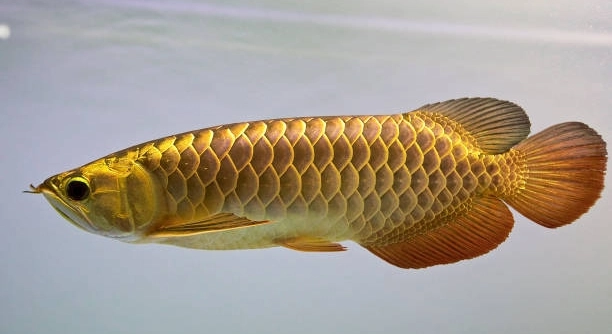
Is your arowana acting unusually calm and barely moving its fins? Observing your fish closely can reveal subtle signs of discomfort or stress. Understanding these signs early can help ensure its long-term health and well-being.
Arowana fin inactivity is commonly caused by stress, poor water quality, disease, or nutritional deficiencies. Ensuring optimal tank conditions, a balanced diet, and monitoring for infections can prevent fin immobility and support normal swimming behavior.
Identifying the root causes of fin inactivity is essential. By learning key signs and proper care strategies, you can help your arowana regain vitality and comfort.
Common Causes of Arowana Fin Immobility
Arowanas may stop moving their fins for several reasons, often linked to their environment and care. Poor water quality is one of the main factors. High ammonia or nitrite levels, fluctuating pH, and low oxygen can stress the fish, causing fin inactivity. Another major factor is improper temperature. Arowanas are tropical fish that thrive in stable temperatures between 75°F and 82°F. Sudden drops or rises can affect their metabolism, making them lethargic. Nutrition also plays a role. Feeding an imbalanced diet lacking essential vitamins and minerals can weaken muscles and fin movement. Additionally, infections and parasites can impact mobility. Bacterial or fungal infections often show up as discoloration or frayed fins, while parasites may cause discomfort, leading the fish to limit movement. Observing your arowana closely and addressing water, temperature, and diet can prevent most causes of fin immobility.
Monitoring water quality and feeding habits closely is key to maintaining active fins in arowanas.
Stress, disease, and diet interact to influence fin movement. Even minor water imbalances can have an immediate effect on arowanas, causing them to float near the surface or hide. When the fins are not moving, it signals a problem that needs attention. Regular testing of water parameters, consistent feeding schedules, and observing behavior daily are simple steps that can prevent long-term health issues. Ensuring clean filters, proper aeration, and a stable environment reduces stress and supports natural fin activity. Supplementing the diet with high-quality proteins and occasional live food can strengthen muscles and improve mobility. If infections are suspected, isolating the fish and using appropriate treatments is critical. By combining careful observation, proper nutrition, and a clean habitat, most cases of fin immobility can be reversed, helping the arowana return to normal, active behavior and enjoy a healthy life in its tank.
Water Quality and Its Impact
Water conditions directly affect arowana fin movement. Poor quality leads to stress, reducing fin activity and overall health.
Maintaining proper filtration, regular water changes, and monitoring ammonia, nitrite, and pH levels are essential. Sudden shifts can weaken immune response, making the fish susceptible to infections. Keeping water parameters stable ensures arowanas can swim naturally. Beyond chemistry, temperature stability is vital. Fluctuating temperatures slow metabolism, while stagnant or poorly aerated water reduces oxygen intake, both limiting fin movement. Even a clean tank can hide subtle threats like leftover food or debris that degrade water quality. Testing kits and attentive observation help prevent issues before they escalate. Consistency in cleaning routines and monitoring ensures your arowana remains active, healthy, and stress-free. Proper water care supports natural behavior, encouraging your fish to use its fins fully and maintain strength. Recognizing how water conditions influence fin mobility is the first step toward proactive, effective arowana care.
Nutritional Deficiencies and Fin Health
Arowanas need a balanced diet to keep their fins strong and functional. Lack of essential vitamins and minerals can weaken fin muscles and reduce mobility. Regularly providing a variety of proteins and supplements helps maintain fin strength and overall vitality.
Inadequate nutrition often leads to slow growth and brittle fins. Feeding only one type of food, like pellets, can cause deficiencies in vitamins A, C, and E, which are crucial for tissue repair and immune health. Offering live or frozen foods such as shrimp, small fish, and insects ensures your arowana receives a wider range of nutrients. Rotating foods and including vitamin-enriched options can prevent deficiencies and support active fin movement. Strong fins improve swimming efficiency and reduce the risk of injury or deformities.
Even minor dietary gaps can manifest as torn, frayed, or clamped fins. When fins stop moving normally, it often signals that the fish’s diet is insufficient. Consistent feeding routines, attention to food quality, and occasional supplementation make a noticeable difference. Observing the arowana during feeding also helps identify appetite changes, which can indicate underlying health or nutritional issues. Balanced nutrition is essential for maintaining not only fin mobility but overall energy, resilience, and longevity, ensuring your arowana thrives in its aquatic environment.
Diseases Affecting Fin Movement
Bacterial, fungal, and parasitic infections can directly impair fin movement. Infected fins may appear discolored, frayed, or clamped, signaling the need for immediate attention. Proper diagnosis and treatment are crucial to prevent worsening.
Pathogens can enter through wounds, poor water quality, or contaminated food. Bacterial infections often cause redness, swelling, or fin rot, while fungal growth shows as white, cotton-like patches. Parasites may irritate the skin and gills, leading to lethargy and reduced fin use. Regular observation of your arowana’s behavior and appearance helps catch early signs. Quarantining affected fish and using appropriate medications can limit spread. Supporting the fish with clean water, stress reduction, and a nutritious diet improves recovery rates. Preventive measures, such as avoiding overcrowding and maintaining proper tank hygiene, minimize disease risks and keep fins functional and strong.
Stress and Its Effects on Fins
Stress can cause arowanas to stop moving their fins normally. Sudden changes in tank conditions, aggressive tank mates, or overcrowding often trigger this behavior.
Minimizing stress is essential for fin health. Stable water conditions, adequate space, and calm surroundings help arowanas regain normal movement and maintain overall vitality.
Tank Size and Swimming Space
Arowanas need ample space to swim freely. Small tanks limit movement, causing fins to weaken over time. Providing a properly sized tank allows natural exercise, supporting muscle strength and fin flexibility. Regularly rearranging decorations and ensuring open swimming paths encourages consistent fin use.
Temperature Fluctuations
Rapid changes in water temperature affect arowana metabolism and fin movement. Maintaining a steady tropical temperature prevents lethargy and supports proper swimming behavior. Consistent monitoring and using reliable heaters or chillers help reduce stress and protect fin health.
Observing Early Warning Signs
Clamped fins, reduced activity, and hiding are early signs of fin issues. Watching your arowana daily allows for quick interventions to prevent further health decline.
FAQ
Why is my arowana’s fin clamped most of the time?
Clamped fins usually indicate stress or poor water conditions. Sudden changes in temperature, high ammonia or nitrite levels, or overcrowding can make arowanas keep their fins close to their body. Correcting water parameters and providing a stable environment often helps the fins relax naturally.
Can poor diet affect fin movement?
Yes, an unbalanced diet can weaken fins. Arowanas need proteins, vitamins, and minerals to maintain fin strength. Feeding only pellets without variety may lead to brittle or frayed fins. Including live or frozen foods and occasional vitamin supplements supports normal fin mobility.
How does water quality impact fin health?
Water quality directly affects fin activity. High ammonia, nitrite, or nitrate levels can stress the fish and damage fins. Regular water testing, proper filtration, and consistent water changes help maintain a healthy environment that encourages natural swimming.
Can diseases make arowana stop moving its fins?
Absolutely. Bacterial, fungal, and parasitic infections often affect fin movement. Bacterial infections may cause fin rot, while fungi appear as white patches, and parasites can irritate the fish, reducing mobility. Early detection and treatment are crucial to prevent permanent damage.
Does tank size play a role in fin activity?
Yes, small or crowded tanks restrict movement and weaken fins. Arowanas need ample space to swim and exercise their fins properly. Ensuring a large tank with open swimming areas encourages normal fin movement and overall health.
Can temperature changes affect fin movement?
Temperature fluctuations slow metabolism and reduce activity. Arowanas need stable tropical temperatures, typically between 75°F and 82°F. Using reliable heaters and monitoring daily prevents stress and supports proper fin function.
How can I tell if fin immobility is temporary or serious?
Temporary fin clamping often resolves after stabilizing water conditions or reducing stress. Persistent immobility, discoloration, or fraying may indicate disease or nutritional deficiencies. Observing daily behavior and checking water parameters helps determine the severity and necessary intervention.
What preventive measures keep fins healthy?
Maintaining stable water conditions, providing a balanced diet, ensuring adequate tank size, and reducing stress are key preventive steps. Regular observation and prompt response to early signs help prevent fin problems before they worsen.
Are supplements necessary for arowana fin health?
Supplements can be beneficial if the diet lacks essential vitamins or minerals. Occasional use of vitamin-enriched foods or specialized supplements supports tissue repair and immune function, helping fins remain strong and mobile.
How long does it take for fins to recover?
Recovery depends on the cause. Fins often show improvement within a few weeks if water conditions, nutrition, and stress are addressed. Disease-related fin damage may take longer and require medical treatment. Patience and consistent care are crucial for full recovery.
Can fin immobility lead to other health issues?
Yes, weak or inactive fins can affect swimming efficiency, making the fish more prone to infections and injuries. Maintaining fin health is important for overall energy, behavior, and long-term well-being.
Is it normal for arowanas to rest with fins still?
Occasional resting with fins folded is normal, especially during quiet periods. However, constant inactivity or clamped fins outside normal resting periods is a warning sign and should be addressed.
Should I separate my arowana if fins are not moving?
Isolation may be necessary if disease is suspected to prevent spread to other fish. Quarantining and treating the affected fish allows better observation and targeted care without stressing tank mates.
How often should I monitor my arowana for fin issues?
Daily observation is recommended. Watching how fins move during swimming, feeding, and resting provides early warning signs. Quick action at the first sign of stress or disease improves recovery chances and prevents long-term damage.
Can fin immobility be reversed completely?
In many cases, yes. Addressing water quality, diet, temperature, and stress typically restores fin mobility. Disease-related damage may require medical intervention, but with proper care, most arowanas regain normal fin function and activity.
This FAQ covers the main concerns regarding fin immobility, offering practical steps to identify, address, and prevent problems. Consistent care, observation, and proper nutrition are key to keeping your arowana healthy and active.
Final Thoughts
Arowanas are beautiful and active fish, and their fins play a critical role in their health and overall behavior. When arowanas stop moving their fins or show signs of reduced mobility, it often reflects underlying issues in their care or environment. Observing your fish carefully is the first step in identifying potential problems. Poor water quality, temperature fluctuations, stress, dietary imbalances, or disease can all contribute to fin immobility. Addressing these factors early can prevent more serious health complications and improve the fish’s quality of life. Even small adjustments, such as improving water filtration, stabilizing the tank temperature, or diversifying the diet, can have a significant impact on fin activity. Consistent attention to the fish’s environment helps maintain normal swimming behavior and ensures that your arowana remains strong and energetic.
Proper nutrition is essential for fin health and overall vitality. Arowanas require a balanced diet that includes proteins, vitamins, and minerals to support tissue strength and immune function. Feeding only one type of food, like pellets, may lead to deficiencies that weaken fins and slow movement. Including live or frozen foods such as shrimp, small fish, and insects, along with occasional vitamin supplements, ensures that your fish receives the nutrients it needs. Regular feeding schedules and careful observation of appetite and eating habits can also help detect early signs of health issues. Providing a varied diet not only improves fin strength but also supports growth, coloration, and general well-being. Maintaining proper nutrition alongside clean water and stable conditions creates an environment where fins can recover naturally and function as intended.
Stress reduction and preventive care play equally important roles in keeping fins healthy. Arowanas are sensitive to sudden changes, overcrowding, and aggressive tank mates, which can all contribute to fin clamping or reduced activity. Providing ample swimming space, minimizing disturbances, and maintaining a consistent routine reduce stress and encourage natural fin movement. Quarantining new or sick fish, regular water testing, and prompt attention to disease or infections also prevent problems before they escalate. Recovery of fin mobility depends on consistent care, patience, and observation. By addressing water quality, nutrition, and environmental stressors, most arowanas regain full fin function and continue to thrive. Focusing on these key areas ensures that your arowana not only swims actively but also enjoys long-term health and vitality.

Hello,
If you enjoy the content that we create, please consider saying a "Thank You!" by leaving a tip.
Every little bit helps us continue crafting quality advice that supports the health, happiness, and well-being of pets around the world, for pets of all shapes, sizes, and species.
We really appreciate the kindness and support that you show us!