
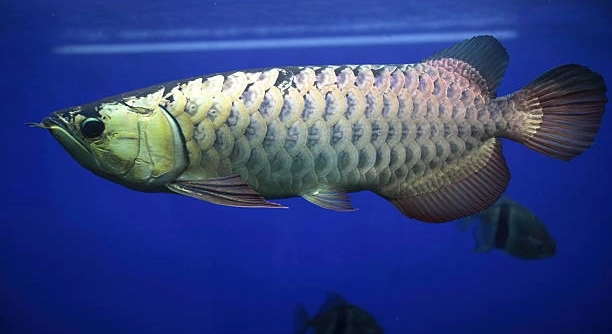
Are your arowanas refusing to eat the pellets you provide, leaving you frustrated and unsure of what to do next? Many owners face this challenge when transitioning their fish to a new diet. Understanding their behavior is key.
The most effective approach to getting your arowana to accept pellets involves patience, consistency, and strategic feeding techniques. Gradual introduction, using live or frozen food as an intermediary, adjusting pellet size, and ensuring proper tank conditions can significantly improve acceptance.
Following these strategies will make feeding time smoother and help your arowana maintain a healthy diet. Proper care ensures their long-term growth and well-being.
Gradually Introduce Pellets
Switching an arowana from live or frozen food to pellets requires a careful, step-by-step approach. Start by offering crushed pellets mixed with their regular food. This allows your fish to become familiar with the new texture and taste without causing stress. Over time, gradually increase the proportion of pellets while reducing other food. Feeding small amounts multiple times a day can encourage consistent eating habits. Monitor your arowana’s behavior closely to ensure it is adjusting properly. Patience is essential, as sudden changes can lead to refusal or stress-related health issues. Maintaining a calm environment and consistent feeding schedule helps your arowana feel secure while trying the new diet. Remember, every fish is different; some may adapt quickly, while others need more time. By observing carefully and adjusting gradually, you can increase the chances of successful pellet acceptance and promote long-term nutritional stability for your arowana.
Start slowly and observe carefully to ensure your arowana adapts without stress or refusal.
Consistency in introducing pellets, combined with close monitoring, ensures your arowana gradually accepts the new diet, reducing stress and promoting healthy growth. Watching their response allows adjustments and improves success in feeding habits over time.
Use High-Quality Pellets
Choosing the right pellets is critical for arowana health and appetite. Look for pellets with high protein content and appropriate nutrients to mimic their natural diet. Avoid fillers that provide little nutritional value. Fish are more likely to eat pellets that resemble the size, color, and texture of their usual food. Rotating pellet brands occasionally can also maintain interest, but always ensure consistency in quality to prevent digestive issues. Proper storage is essential, as stale or damp pellets may lose their nutritional value and repel your arowana. Observing how your fish responds to different options will help identify the preferred type. High-quality pellets support growth, vibrant coloration, and overall health. Pairing this with gradual introduction strategies enhances acceptance and ensures your arowana receives balanced nutrition every day.
High-quality pellets support growth, health, and consistent feeding acceptance.
Selecting pellets with proper protein, nutrients, and texture improves your arowana’s appetite and long-term health. Proper storage, careful observation, and occasional rotation prevent boredom and maintain interest while ensuring a nutritious diet.
Maintain Proper Tank Conditions
Arowanas eat more readily in a clean, well-maintained tank with stable temperature and water parameters. Stress from poor conditions can reduce appetite and slow adaptation to pellets.
Temperature, pH, and water quality directly affect feeding behavior. Keep the tank at the recommended temperature range of 75–82°F and maintain pH between 6.5 and 7.5. Regular water changes prevent toxin buildup, which can make your arowana reluctant to eat. Clean decorations and substrate to avoid leftover food decaying and affecting water quality. Adequate space and hiding areas reduce stress, encouraging natural feeding habits. Observing water conditions daily and responding promptly to changes ensures your arowana remains healthy and willing to accept pellets.
Consistent tank maintenance also minimizes disease risk, which can interfere with appetite. A calm, stable environment allows your arowana to focus on feeding, increasing pellet acceptance over time.
Hand-Feeding Techniques
Hand-feeding encourages arowanas to accept pellets and builds trust during the transition. Start by holding pellets with tweezers or fingers, allowing your fish to see and taste them.
Offer pellets at a consistent location and height, letting your arowana associate your presence with food. Avoid forcing the fish, as this can create stress or fear. Move slowly and repeat sessions daily until it begins taking pellets independently. Combining hand-feeding with crushed or moistened pellets often works best, gradually shifting to full-size pellets as confidence grows. Keep sessions brief and consistent, ensuring your arowana does not associate feeding with stress. Hand-feeding also helps monitor its health and appetite closely.
Over time, hand-feeding reduces hesitation and builds routine, making the transition from live food smoother. Observing reactions during these sessions allows quick adjustments to techniques for better results.
Soak Pellets Before Feeding
Soaking pellets in tank water softens them and releases aroma, making them more appealing to your arowana. This can encourage initial acceptance during the transition phase.
Softened pellets are easier to bite and digest. The familiar scent from the water helps your fish recognize the food, reducing refusal.
Feed at the Same Time Daily
Establishing a regular feeding schedule helps your arowana develop routine and reduces anxiety. Consistency reinforces feeding habits and increases the likelihood of accepting pellets over time.
Avoid Overfeeding
Overfeeding can lead to waste, poor water quality, and a decreased appetite. Give only what your arowana can consume in a few minutes.
FAQ
Why is my arowana refusing pellets completely?
Arowanas may refuse pellets if they are not used to the texture, size, or smell. Sudden changes in diet or poor tank conditions can also reduce appetite. Gradual introduction, soaking pellets, and maintaining clean water can help overcome refusal.
Can I mix pellets with live or frozen food?
Yes, mixing pellets with familiar live or frozen food makes the transition easier. Start by crushing pellets and sprinkling them over the usual food. Gradually increase the proportion of pellets while reducing other food to encourage acceptance.
How long does it take for an arowana to accept pellets?
Acceptance varies by fish. Some adapt in a few days, while others may take several weeks. Consistency, patience, and proper feeding techniques are key. Avoid forcing the fish, as stress can delay progress.
Should I adjust pellet size for my arowana?
Yes, the size should match the fish’s mouth to ensure easy consumption. Smaller pellets can help juveniles transition, while adults may prefer larger ones. Gradually increase size as your arowana becomes comfortable.
Does water temperature affect pellet eating?
Absolutely. Arowanas eat better in water temperatures between 75–82°F. Low temperatures can slow metabolism and reduce appetite. Keep a thermometer to monitor tank temperature and adjust heaters as needed.
Can hand-feeding really help?
Hand-feeding is effective for reluctant eaters. Offering pellets with tweezers helps fish associate the food with a safe, familiar presence. This also allows you to monitor health and appetite closely.
Do I need to soak pellets every time?
Not always, but soaking is useful during the transition period. Softened pellets release scent, making them more appealing. Once your arowana consistently accepts dry pellets, soaking can become optional.
Is pellet quality important?
Yes, high-quality pellets with proper protein and nutrients are crucial. Low-quality pellets may be ignored or cause digestive issues. Look for brands designed for arowanas and avoid fillers that offer little nutritional value.
Can overfeeding pellets cause problems?
Overfeeding can lead to water pollution, decreased appetite, and health issues. Offer only what can be eaten in a few minutes. Stick to a consistent schedule and remove leftover food promptly.
What if my arowana still refuses pellets after weeks?
If refusal continues, reassess pellet type, size, and tank conditions. Try different high-quality brands, ensure water quality is optimal, and use hand-feeding or soaking techniques. Persistent refusal may require consulting an aquatic specialist for guidance.
Is it necessary to rotate pellet brands?
Rotation can maintain interest and prevent boredom, but always prioritize quality. Switching too often may confuse your fish. Observe preferences and rotate occasionally while keeping nutritional consistency.
How can I tell if my arowana is adapting to pellets?
Look for regular consumption, eagerness during feeding, and steady growth. Healthy coloration, active swimming, and minimal leftover food are good indicators that the transition is successful.
Can stress prevent pellet eating?
Yes, stress from sudden tank changes, overcrowding, or poor water quality can reduce appetite. Minimizing disturbances and keeping the environment stable supports feeding and overall health.
Are there alternatives if pellets fail completely?
If pellets are completely rejected, high-quality frozen or live foods can temporarily replace them. Continue trying different pellet types gradually, as consistent exposure often leads to eventual acceptance.
How often should I feed my arowana pellets?
Feed juveniles two to three times daily in small amounts. Adults can be fed once or twice daily. Adjust portions based on appetite to prevent waste and maintain water quality.
Can I use supplements with pellets?
Yes, vitamins or additives can enhance nutrition, especially during the transition phase. Ensure supplements are designed for arowanas and follow recommended dosages to avoid health issues.
What role does tank size play in feeding pellets?
Arowanas need ample swimming space to feel secure during feeding. Small or crowded tanks increase stress, reducing willingness to accept pellets. Proper tank size and layout promote calm behavior and better eating habits.
Should I remove uneaten pellets immediately?
Yes, leftover pellets can decompose, reducing water quality and discouraging feeding. Remove uneaten food after 5–10 minutes to maintain a healthy environment and encourage consistent eating habits.
Can lighting affect feeding behavior?
Moderate, consistent lighting supports natural activity and feeding rhythms. Too bright or fluctuating light can stress your arowana, making it reluctant to eat. Keep a balanced day-night cycle to encourage regular pellet consumption.
Is it normal for an arowana to nibble before fully accepting pellets?
Yes, initial nibbling is part of the adjustment process. Fish may test texture and taste before eating consistently. Be patient and continue offering pellets gradually to support full acceptance.
This FAQ section provides practical strategies and answers to common feeding challenges, helping your arowana transition successfully to a pellet-based diet while maintaining health and appetite.
Arowanas can be picky eaters, and getting them to accept pellets often requires patience, observation, and consistent effort. The process is rarely instant, and each fish may respond differently depending on its age, previous diet, and personality. Some arowanas take to pellets quickly, while others need several weeks of gradual introduction. Key strategies, such as soaking pellets, hand-feeding, or mixing them with familiar live or frozen foods, help ease the transition. Maintaining proper tank conditions is equally important, as stress from poor water quality, temperature fluctuations, or overcrowding can significantly reduce appetite. A calm, stable environment allows the fish to focus on feeding rather than coping with external stressors. Regular monitoring of water parameters and feeding behavior ensures that any potential issues are addressed before they affect the arowana’s health or willingness to eat. By combining these methods, you increase the likelihood of a successful diet transition while keeping your fish healthy and active.
Consistency is essential when trying to get an arowana to accept pellets. Feeding at the same time each day helps establish a routine and encourages natural eating habits. Using high-quality pellets that closely match their nutritional needs and preferred size and texture improves the chances of acceptance. Over time, gradually increasing the proportion of pellets while reducing other foods makes the fish more comfortable with the change. Avoid overfeeding, as excess food can deteriorate water quality, create stress, and discourage your arowana from eating properly. Observing your fish’s behavior during feeding sessions allows you to notice subtle changes in appetite or health, ensuring that adjustments are made when necessary. Patience and careful observation go hand in hand, as forcing a diet change can create resistance and prolong the process. Each small success, such as nibbling on a soaked pellet or taking it from your hand, is a step toward a fully accepted pellet diet.
Ultimately, the goal is to provide a balanced, nutritious diet that supports your arowana’s growth, coloration, and long-term health. While the transition to pellets may take time, the benefits are significant: a reliable food source, reduced dependence on live feeds, and more control over nutrition. Maintaining proper tank conditions, offering high-quality food, and using gradual introduction techniques all work together to create a positive feeding experience. Being attentive, patient, and consistent allows your arowana to adapt naturally, building confidence and trust in the feeding process. With these approaches, feeding becomes less stressful for both the fish and you, resulting in a healthier, more responsive, and well-nourished arowana. Over time, the pellet diet becomes a routine part of life, supporting their well-being and ensuring that your care efforts translate into a thriving, vibrant fish.

Hello,
If you enjoy the content that we create, please consider saying a "Thank You!" by leaving a tip.
Every little bit helps us continue crafting quality advice that supports the health, happiness, and well-being of pets around the world, for pets of all shapes, sizes, and species.
We really appreciate the kindness and support that you show us!