
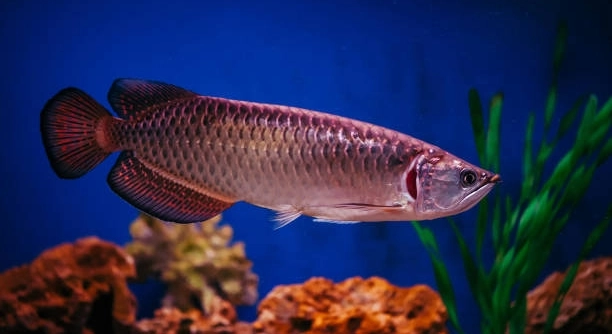
Keeping an arowana can be a rewarding experience, but it comes with responsibilities. Many aquarists focus on water quality, diet, and tank setup, yet small adjustments like adding salt are often debated among fish keepers.
Adding salt to an arowana tank can be beneficial in moderation. It helps reduce stress, prevent minor infections, and maintain proper osmotic balance. However, excessive salt can harm the fish and disrupt the tank’s overall ecosystem.
Learning the right balance and method for using salt ensures arowanas stay healthy and vibrant while avoiding common mistakes that new fish keepers often make.
Why Some Keepers Add Salt
Some arowana keepers add salt to their tanks to improve the fish’s overall health. Salt can help reduce stress, especially after transportation or sudden water changes. It also aids in preventing minor infections by creating a less favorable environment for parasites. Many aquarists notice arowanas become slightly more active and show better coloration when salt is used correctly. It is important to remember that salt does not replace proper tank maintenance. Clean water, stable temperature, and a balanced diet remain essential. Adding salt is simply a supplemental measure that can support the fish during periods of stress or minor health concerns. Over time, some keepers find that occasional salt treatments help maintain the fish’s immunity. It’s a subtle tool, not a guaranteed solution, and must be used carefully. Each tank setup is different, and what works in one system may not work in another.
Salt can be helpful but only in the right dosage.
Careful measurement is critical. Using too much salt can harm arowanas by stressing their kidneys and gills. Keeping a regular schedule, such as small salt additions every few weeks or during minor health concerns, is safer than adding large amounts at once.
Risks of Adding Salt
Adding salt incorrectly can lead to health issues for arowanas.
Excessive salt may cause dehydration, slow growth, and damage to internal organs.
Although salt can be beneficial, it is not always necessary. Arowanas are freshwater fish that naturally thrive without added salt. Over-reliance on salt may mask underlying water quality problems or stress factors. For example, poor filtration, sudden temperature fluctuations, or overcrowding can stress fish more than a small amount of salt ever would. Salt should be viewed as a temporary aid, not a permanent fix. Regular water testing and careful tank maintenance remain the most effective ways to keep arowanas healthy. If a tank already has soft or low-mineral water, adding salt can alter the balance too much, potentially affecting plants or invertebrates in the tank. Observing your fish closely is the best way to determine if a salt treatment is necessary. Using salt properly requires patience, careful measurement, and attention to the fish’s behavior.
How to Safely Add Salt
Start by measuring the salt carefully. Too much at once can stress the fish. Use aquarium-specific salt and dissolve it in water before adding it to the tank. Gradual addition helps maintain stable water conditions.
Adding salt slowly ensures the arowana’s system adjusts without shock. Typically, 1 teaspoon per 5 gallons of water is enough for minor treatments. Monitor the fish closely for signs of stress, such as clamped fins or reduced activity. Avoid adding salt if the tank has live plants sensitive to salinity, as it may harm them. Consistent water testing helps maintain the proper balance of minerals and prevents accidental over-salting.
Regular, small doses are preferable to large, infrequent treatments. If the arowana shows signs of illness, salt can support recovery but should not replace proper care. Water changes remain the primary method to manage tank health, while salt acts as a temporary aid.
When Salt is Not Necessary
Many arowanas live perfectly healthy lives without added salt.
If your tank is stable, well-filtered, and fish show no signs of stress or disease, salt is not required. Overuse may even create unnecessary stress.
Relying on salt as a preventive measure is not always needed. Focus on water quality, temperature stability, and proper diet first. Healthy fish in a well-maintained environment rarely benefit from routine salt additions. In some cases, adding salt to prevent illness can mask underlying problems, such as poor filtration or overcrowding. Observing your fish’s behavior and appearance is the best guide. If fins remain vibrant, appetite is normal, and activity is consistent, the tank likely does not need salt. Temporary salt treatments can still be used for minor stress events, but they should not become a regular practice. Always prioritize environmental stability over chemical supplementation.
Signs Your Arowana Needs Salt
Clamped fins, reduced activity, and minor white spots can indicate stress or early infections. These signs often appear after water changes or transportation.
Arowanas that seem less active or lose appetite may benefit from a mild salt treatment. Observing behavior closely is key.
How to Monitor Salt Levels
Regular testing of water salinity ensures safe conditions. Using a refractometer or hydrometer helps maintain consistent levels. Gradual adjustments are safer than sudden changes. Monitoring also prevents damage to plants or tank inhabitants sensitive to salt.
Tips for Short-Term Salt Treatments
Short-term treatments should last no longer than a week. Remove the salt afterward with partial water changes to restore normal conditions.
FAQ
How much salt should I add to my arowana tank?
The typical dosage for minor treatments is about 1 teaspoon of aquarium salt per 5 gallons of water. Always dissolve the salt in a separate container before adding it to the tank. Gradual addition prevents stress and sudden changes in water chemistry.
Can I use table salt instead of aquarium salt?
Table salt is not recommended because it may contain additives like iodine or anti-caking agents, which can harm your fish. Aquarium salt is specifically formulated for freshwater fish and ensures a safer environment for your arowana.
How often can I add salt to the tank?
Salt should not be added routinely. Occasional treatments for minor stress or mild illness are sufficient. Regular water changes and proper tank maintenance are more important than frequent salt use. Overuse can cause kidney or gill damage.
Will salt affect my tank plants?
Yes, some freshwater plants are sensitive to salinity. High salt concentrations can burn leaves, stunt growth, or even kill certain plant species. If your tank has live plants, consider using salt sparingly and monitor plant health closely after each treatment.
Can salt prevent all diseases in arowanas?
No, salt is not a cure-all. It helps reduce minor infections and stress but cannot prevent serious diseases caused by bacteria, fungi, or parasites. Proper water quality, diet, and tank conditions remain the primary methods to keep fish healthy.
What are the signs that my arowana is stressed?
Signs include clamped fins, reduced activity, loss of appetite, unusual swimming patterns, or minor white spots on the body. If you notice these behaviors, a mild salt treatment can help, but it should be combined with water testing and general tank care.
Can I leave salt in the tank permanently?
Permanent salt use is not advised. Continuous salinity can affect the fish’s kidneys and gills and alter the tank ecosystem. Short-term treatments are safest, followed by partial water changes to return the water to normal freshwater conditions.
How long should a salt treatment last?
Short-term treatments usually last about 5–7 days. Monitor your arowana’s behavior closely during this period. Afterward, perform partial water changes to remove excess salt and restore normal water balance.
Is it safe to mix salt with other medications?
Salt can be used alongside certain medications, but you should check compatibility. Some treatments are affected by salinity, and combining them without guidance may reduce effectiveness or stress the fish further. Always follow medication instructions carefully.
What should I do if I accidentally add too much salt?
If salt levels are too high, immediately perform partial water changes to dilute the concentration. Remove the fish temporarily if possible and keep them in stress-free conditions until the water returns to safe levels. Continuous monitoring is essential to prevent lasting damage.
Can young arowanas tolerate salt the same as adults?
Juvenile arowanas are more sensitive to salt than adults. Use smaller doses and shorter treatments to avoid stress or health problems. Always observe their behavior carefully, as even slight overdosing can have negative effects on young fish.
Does salt improve arowana coloration?
Salt does not directly enhance coloration. However, by reducing stress and preventing minor infections, it can indirectly help fish display more vibrant colors. Healthy, active fish often appear brighter and more vivid, which is why some keepers notice better coloration after careful salt use.
Can salt help after transporting arowanas?
Yes, mild salt treatments can help arowanas recover from transportation stress. Transport can temporarily weaken their immune system, and salt supports osmotic balance and reduces the risk of minor infections during recovery.
Are there alternatives to using salt?
Maintaining excellent water quality, providing a balanced diet, and minimizing stress are better long-term solutions. Salt is a temporary aid, not a replacement for proper care. Many arowanas thrive without any salt if the tank conditions are stable and healthy.
How do I know if salt is actually helping my arowana?
Observe behavior, appetite, and fin condition. If the fish becomes more active, starts eating normally, and shows fewer stress signs, the salt treatment is likely helping. Combine observation with water testing to ensure the environment remains safe and supportive.
This FAQ provides practical guidance for using salt safely, addressing common concerns while highlighting the limits of salt treatments. Proper care, observation, and moderation are key to supporting arowana health.
Final Thoughts
Adding salt to an arowana tank can be a helpful tool if used correctly. It is not necessary for every tank, but it can support the fish during times of stress, minor illness, or recovery after transportation. Salt helps reduce osmotic stress, which keeps the fish’s body fluids balanced, and can prevent some minor infections. Many keepers notice that arowanas appear more active or show better coloration after careful salt treatments, but these benefits only appear when the right amounts are used. Overuse can be harmful, so it is important to measure carefully and monitor the fish closely. Salt is a supplemental aid, not a replacement for proper care, and should always be combined with consistent tank maintenance and attention to water quality.
Before deciding to add salt, it is important to assess the specific needs of your tank. Arowanas living in well-maintained, stable environments may not need salt at all. Healthy water conditions, proper diet, and regular monitoring of temperature and filtration are the main factors for keeping your fish healthy. Salt should only be considered when there is a reason, such as minor stress or the appearance of small health issues like clamped fins or reduced activity. It is also important to consider any plants or invertebrates in the tank, as some species are sensitive to even small amounts of salt. Observing your arowana’s behavior and appearance is often the best indicator of whether a salt treatment is necessary. Short-term use is the safest approach, and partial water changes afterward help restore normal conditions.
Overall, the use of salt in an arowana tank should be approached with care and understanding. It is a tool to support health, not a solution for underlying problems. Proper dosage, gradual addition, and careful observation are key to using salt safely. Maintaining clean water, stable temperature, and a balanced diet will always be the foundation of a healthy tank. Salt can help in specific situations, but long-term reliance is unnecessary and can even cause harm. By combining careful use of salt with attentive tank management, arowanas can thrive, remain active, and maintain vibrant colors. Watching your fish respond to treatments can also help you learn more about their needs and develop better care habits over time. With moderation and patience, salt can be a useful addition to your care routine, supporting your arowana’s well-being while keeping the tank environment safe and balanced.

Hello,
If you enjoy the content that we create, please consider saying a "Thank You!" by leaving a tip.
Every little bit helps us continue crafting quality advice that supports the health, happiness, and well-being of pets around the world, for pets of all shapes, sizes, and species.
We really appreciate the kindness and support that you show us!