
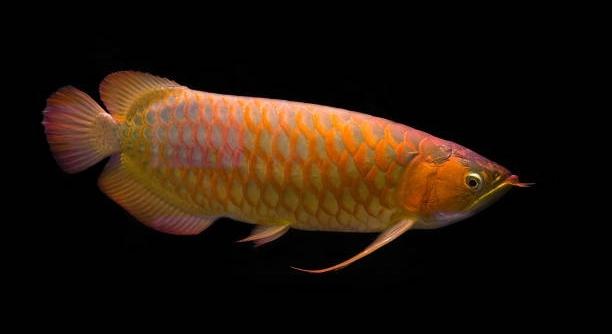
Is your arowana showing unusual behavior by biting its tail? Observing this can be worrying, especially if you care about your fish’s well-being. Many fish owners notice this behavior and wonder what might be causing it.
Tail biting in arowanas is often linked to stress, poor water quality, or underlying health issues. Overcrowding, lack of stimulation, or aggressive tankmates can trigger this behavior, leading to physical injury and affecting the fish’s overall health.
Understanding the reasons behind this behavior can help you take steps to protect your arowana and improve its environment effectively.
Common Causes of Tail Biting
Many arowanas bite their tails due to stress or discomfort. Water quality plays a big role—high ammonia or nitrite levels can irritate their skin and fins, prompting them to bite. Tank size matters too; arowanas need ample space to swim freely. Overcrowded tanks or aggressive companions can make them feel threatened, causing repetitive biting behavior. Sometimes, boredom is a factor. A lack of stimulation or enrichment in the tank may lead your fish to focus on its own tail. Health issues like parasites or skin infections can also trigger this behavior. Observing your arowana’s environment and behavior closely can help identify the problem. Making adjustments to water parameters, tank setup, and diet often reduces tail biting significantly.
Stress-related tail biting can also indicate that your arowana is not comfortable in its current environment. Immediate observation is key to prevent worsening.
Small changes in diet and tank maintenance can improve your arowana’s health. Adding decorations, hiding spots, or compatible tankmates can reduce boredom and anxiety. Monitoring water quality, including temperature, pH, and cleanliness, is essential. Feeding a balanced diet with proper nutrients strengthens fins and skin, reducing irritation. Regular health checks for parasites or infections allow for early intervention. Even minor adjustments in lighting or water flow can have a calming effect, helping your fish feel safer. Documenting behavior changes over time helps track improvements and ensures long-term well-being.
Water Quality and Tank Environment
Poor water conditions directly affect your arowana’s behavior. Dirty tanks, high ammonia levels, or sudden changes in temperature can make your fish anxious. Maintaining stable water parameters is crucial for preventing tail biting.
Proper filtration, regular water changes, and testing for pH, ammonia, nitrites, and nitrates are essential. Arowanas thrive in clean, well-oxygenated water, so ensuring consistent water quality minimizes stress. Tank size should match the fish’s growth; small or crowded tanks limit swimming space and lead to frustration. Decorations and hiding spots provide mental stimulation and a sense of security. Avoid sudden changes in lighting or water conditions, as these can provoke aggressive or anxious behavior. A balanced diet enhances overall health, making fins less prone to damage. Observing your arowana closely for early signs of stress or irritation helps prevent chronic tail biting. By maintaining a healthy, enriched environment, you can reduce harmful behaviors and support your arowana’s natural instincts.
Diet and Nutrition
An imbalanced diet can make arowanas restless, leading them to bite their tails. Providing varied, high-quality food supports their growth and overall health.
Feeding your arowana only one type of food can result in nutritional deficiencies. Live or frozen foods, such as shrimp, insects, or fish, supply essential proteins and fats. Supplementing with pellets ensures vitamins and minerals are covered. Avoid overfeeding, as excess food can decay and pollute the tank, adding stress. Proper nutrition strengthens fins and skin, reducing irritation that may trigger tail biting. A consistent feeding schedule helps your fish feel secure and maintains healthy energy levels.
Observing how your arowana responds to dietary changes is important. Introducing new foods gradually prevents digestive upset. Rotate proteins and add occasional plant matter to mimic natural feeding habits. Balanced nutrition not only curbs destructive behavior but also enhances color, vitality, and resilience. Monitoring appetite and growth helps identify potential health issues early, giving you a better chance of keeping your fish healthy and less stressed.
Health and Parasites
External parasites and infections can irritate arowanas, causing them to bite their tails. Quick identification is essential for prevention.
Regular inspections of fins, scales, and skin help detect signs of fungus, mites, or other parasites. Water quality directly affects susceptibility, so keeping the tank clean lowers risks. Quarantining new fish prevents the introduction of diseases. Treatment may involve medicated baths or adding safe medications to the water, depending on the condition. Stress and weakened immunity worsen infections, making your arowana more likely to engage in tail-biting behavior.
Monitoring behavior closely can reveal early health problems. Lethargy, unusual swimming patterns, or discoloration often accompany tail biting caused by infections. Keeping a record of these signs helps track improvements after treatment. Ensuring water stability, proper diet, and minimal stress strengthens immunity, reducing parasite risks. Prompt intervention prevents long-term damage to fins and tail, making recovery faster and minimizing the chance of recurring tail-biting episodes. Preventive care is the most effective strategy to keep your arowana healthy and comfortable.
Tank Size and Space
Arowanas need plenty of space to swim freely. Small or crowded tanks can frustrate them, leading to tail biting.
Providing enough swimming area reduces stress and allows natural movement. Overcrowded tanks increase aggression and competition for resources, which can trigger destructive behaviors.
Behavior and Boredom
Arowanas can become bored without mental stimulation. Repetitive tail biting is often a sign of under-stimulation or lack of environmental enrichment. Introducing decorations, driftwood, and safe hiding spots encourages exploration and reduces boredom. Regular interaction with feeding routines or tank activities can also help keep your fish engaged.
Aggression from Tankmates
Aggressive or incompatible tankmates can provoke tail biting. Stress from constant chasing or nipping makes arowanas defensive.
Keeping compatible species and monitoring interactions minimizes stress. Separating aggressive fish or providing partitions ensures a safer environment and helps prevent self-injury.
FAQ
Why is my arowana constantly biting its tail?
Tail biting in arowanas is usually caused by stress, poor water quality, boredom, or health issues. Overcrowded tanks, aggressive tankmates, or sudden changes in water parameters can trigger this behavior. Observing the environment and checking water quality often reveals the cause.
Can diet affect tail-biting behavior?
Yes. A poor or unbalanced diet can make arowanas restless and more prone to tail biting. Providing a mix of high-quality pellets, live or frozen foods, and occasional plant matter ensures proper nutrition. Balanced feeding strengthens fins and reduces irritation that can lead to biting.
Is my tank too small for my arowana?
Tank size is critical. Arowanas are large, active fish that need space to swim. Small or overcrowded tanks create stress, encourage aggression, and increase tail-biting behavior. A properly sized tank with enough swimming room reduces frustration and promotes healthy activity.
How do water conditions influence tail biting?
Poor water conditions, such as high ammonia, nitrites, or sudden temperature changes, irritate arowanas. Dirty or unstable water makes them stressed and more likely to bite their tails. Maintaining clean, well-oxygenated water with stable parameters prevents this behavior. Regular water testing and changes are essential.
Can parasites or infections cause tail biting?
Yes. External parasites, fungus, and skin infections can irritate fins and tails, prompting biting. Regular health inspections help detect early signs. Quarantining new fish and treating infections promptly reduces the risk. Strong immunity, supported by a proper diet and clean water, helps prevent these issues.
Will tankmates influence this behavior?
Aggressive or incompatible tankmates can trigger defensive tail biting. Constant chasing or nipping creates stress, leading arowanas to injure themselves. Choosing compatible species, monitoring interactions, and using partitions when necessary ensures a safer environment. Reducing stress from social interactions helps minimize tail biting.
Does boredom cause tail biting?
Yes. Arowanas are intelligent fish that require mental stimulation. Without enrichment, they may focus on their own tails. Adding decorations, driftwood, hiding spots, or interactive feeding routines keeps them engaged and reduces destructive behaviors. Consistent environmental enrichment is important for long-term well-being.
How can I prevent tail biting in the future?
Prevention involves addressing stress, water quality, diet, tank size, and enrichment. Regular maintenance, a balanced diet, adequate space, compatible tankmates, and stimulating environments reduce the chances of tail biting. Observing behavior and making gradual adjustments improves comfort and health.
Is tail biting dangerous to my arowana?
Yes. Frequent tail biting can cause injury, infection, or permanent fin damage. Immediate intervention is necessary to prevent worsening. Cleaning the tank, addressing environmental issues, and monitoring health reduce the risk of long-term harm.
How long does it take to stop tail biting?
Recovery depends on the cause and how quickly it is addressed. Water quality improvements, dietary adjustments, health treatments, and environmental enrichment may take days to weeks. Close observation and consistent care speed up recovery and prevent recurrence.
Should I consult a veterinarian?
If tail biting persists despite adjustments, consulting a fish health specialist is wise. A veterinarian can identify infections, parasites, or other medical issues. Professional guidance ensures proper treatment and protects your arowana’s health.
Can stress alone cause tail biting?
Stress is a major factor. Sudden changes in water, tank size, lighting, or the presence of aggressive tankmates increase stress levels. Minimizing environmental stress and maintaining consistency helps prevent tail-biting behavior.
Does fin damage indicate a serious problem?
Repeated tail biting can lead to fin tears, infection, or deformities. Early intervention prevents long-term damage. Observing fins for fraying, discoloration, or redness helps track the severity and guides treatment.
How often should I check water quality?
Frequent checks are essential. Ammonia, nitrites, nitrates, pH, and temperature should be monitored weekly or more often for sensitive setups. Consistent testing prevents stress-related behaviors, including tail biting. Proper filtration and regular water changes maintain stable conditions.
Are there medications that help stop tail biting?
Medications only address infections or parasites, not behavior caused by stress or boredom. Treating infections can prevent irritation that leads to tail biting. Always follow recommended dosages and ensure water conditions remain optimal during treatment.
Can lighting affect tail biting?
Sudden or intense lighting changes can stress arowanas. Gradual transitions and consistent light cycles help them feel secure. Providing shaded areas or floating plants can reduce stress and prevent self-injury behaviors like tail biting.
How can I tell if tail biting is from health issues or behavior?
Tail biting due to health issues is often accompanied by redness, swelling, or frayed fins. Behavioral tail biting occurs in otherwise healthy fish without visible signs of disease. Observing context, water conditions, and tank dynamics helps identify the root cause.
Is it normal for young arowanas to bite their tails?
Juveniles may occasionally nip fins out of curiosity or play, but persistent tail biting is abnormal. Providing enrichment, adequate space, and proper nutrition reduces the likelihood of developing harmful habits. Early intervention prevents long-term damage.
Does tank location matter?
Yes. Frequent disturbances, loud noises, or high traffic around the tank can stress arowanas. Placing the tank in a calm, stable environment reduces anxiety and self-injurious behaviors. Consistency in surroundings supports overall well-being.
Can enrichment alone stop tail biting?
Enrichment helps, but it works best alongside proper water quality, nutrition, and compatible tankmates. Toys, hiding spots, and interactive feeding reduce boredom, but stressors or health problems must also be addressed to fully stop tail-biting behavior.
How long should I observe after making changes?
Behavioral improvement may take several days to weeks. Regular monitoring of tail condition, swimming patterns, and activity levels helps determine whether interventions are effective. Patience and consistent care are key to long-term success.
Can temperature fluctuations trigger tail biting?
Yes. Sudden temperature changes or consistently improper temperatures increase stress. Stable water temperature appropriate for arowanas supports comfort and reduces self-injurious behaviors. Monitoring heaters and avoiding drafts helps maintain stability.
Is tail biting reversible?
With proper care, it can be stopped. Fixing water quality, providing enrichment, treating infections, and reducing stress all contribute to recovery. Persistent observation and intervention prevent permanent damage and ensure the fish returns to normal behavior.
What signs indicate recovery?
Reduced tail biting, improved fin condition, normal swimming patterns, and consistent appetite are good indicators. Monitoring behavior over time ensures interventions are working, and the arowana remains healthy and comfortable.
Are some arowanas more prone to tail biting?
Individual temperament plays a role. Some arowanas are naturally more active or nervous, making them more susceptible to stress-related behaviors. Tailoring care to each fish’s personality helps reduce harmful habits and supports overall well-being.
How do I maintain long-term prevention?
Consistent tank maintenance, stable water conditions, proper diet, enrichment, and monitoring interactions with tankmates are all essential. Early detection of stress, illness, or environmental issues prevents tail-biting behavior from returning and keeps your arowana healthy.
Can stress from moving the tank trigger tail biting?
Yes. Relocating the tank or moving fish can cause temporary stress. Minimizing sudden changes and allowing time for acclimation helps prevent self-injury and allows your arowana to adjust safely.
Does water flow affect tail biting?
Strong or uneven water currents can frustrate or tire arowanas, leading to tail biting. Adjusting pumps or filters to create gentle, consistent flow supports natural swimming behavior and reduces stress-related injuries.
Should I separate my arowana if tail biting continues?
If tail biting persists due to aggression from tankmates, temporary separation may help. Providing partitions or a separate quarantine tank allows healing and reduces stress until compatible tankmates are ensured.
How often should I trim fins?
Fin trimming is not recommended unless medically necessary. Damaged fins should be treated, not removed, as trimming can increase stress and worsen tail-biting behavior. Healing in a safe, clean environment is preferable.
Is tail biting more common in certain arowana species?
All arowanas can exhibit tail-biting behavior under stress, but larger or more active species may show it more frequently if tanks are small or poorly enriched. Adjusting care to each species’ needs helps prevent this behavior.
Can overfeeding contribute to tail biting?
Yes. Excess food can decay, polluting the tank and increasing stress. Maintaining a balanced feeding schedule with appropriate portions reduces water quality issues and prevents irritation-related tail biting.
How do I address tail biting caused by aggression?
Identify aggressive tankmates and monitor interactions closely. Rearranging the tank, adding hiding spots, or temporary separation can reduce conflict. Ensuring each fish has enough space prevents repeated tail injuries and stress-related behaviors.
Does stress from illness cause tail biting even if water is clean?
Yes. Illnesses weaken immunity and increase stress, making arowanas more likely to bite their tails. Treating the underlying health issue and maintaining a clean, calm environment helps reduce this behavior.
How can I track improvements effectively?
Keep a journal of tail condition, feeding habits, water parameters, and behavior. Regular observations help evaluate the effectiveness of interventions and prevent recurrence of tail-biting behavior.
What role does lighting consistency play?
Stable light cycles reduce stress and promote natural rhythms. Sudden or intense lighting changes can make arowanas anxious, increasing the likelihood of tail biting. Providing gradual transitions and shaded areas supports calm behavior.
How can I tell if tail biting is stress-related or medical?
Tail biting with normal fin color and no swelling often points to stress or boredom. Redness, fraying, or lesions indicate possible infection or parasites. Observing behavior and environmental factors helps distinguish the cause.
Is quarantine necessary for new fish to prevent tail biting?
Yes. Quarantining new fish prevents the introduction of parasites, infections, or aggressive behavior that could trigger tail biting. A proper quarantine period ensures the main tank remains safe and stable.
Can frequent water changes alone stop tail biting?
Water changes help maintain clean, stable conditions, but they must be combined with proper diet, enrichment, and tank management. Alone, they may not fully address boredom, aggression, or underlying health issues causing tail biting.
Does stress from handling trigger tail biting?
Yes. Excessive handling or netting increases stress and may lead to tail biting. Minimize handling and ensure gentle care during necessary tank maintenance or health checks.
Are certain foods better for preventing tail biting?
High-quality pellets, live or frozen foods, and occasional plant matter provide essential nutrients. Variety ensures strong fins and skin, reducing irritation that may trigger tail-biting behavior. Balanced diets support both health and behavior stability.
Can water hardness affect tail biting?
Extreme water hardness or sudden changes can stress arowanas. Maintaining consistent, appropriate water hardness supports comfort and reduces the risk of self-injury behaviors like tail biting.
How long after treatment should I expect improvement?
Improvement varies with cause. Stress or environmental fixes may show results in days, while health-related issues may take weeks. Patience, monitoring, and consistent care are key to recovery.
Are there signs that tail biting is permanent?
Permanent damage is rare but possible if biting continues unchecked. Chronic fraying, severe fin loss, or deformities indicate long-term effects. Early intervention is crucial to prevent permanent harm and restore normal behavior.
Can tank layout influence tail biting?
Yes. Sharp decorations, crowded areas, or lack of hiding spots increase stress and self-injury. Arranging the tank to allow free swimming and safe spaces reduces the likelihood of tail biting.
Is it normal for tail biting to occur in groups?
Yes, if multiple fish are stressed, overcrowded, or poorly fed. Ensuring adequate space, compatible tankmates, and environmental enrichment helps reduce group tail-biting behaviors.
Do temperature fluctuations at night affect behavior?
Yes. Sudden nighttime drops can stress arowanas, making them more prone to tail biting. Maintaining stable temperatures day and night supports calm behavior and reduces self-injury risks.
How does water pH influence tail biting?
Improper pH levels irritate skin and fins, causing stress. Stable, appropriate pH values help prevent discomfort and self-injurious behavior. Regular testing and gradual adjustments maintain balance.
Are some fin types more prone to damage?
Long, flowing fins are more vulnerable to self-inflicted injury. Providing enrichment, proper tank setup, and minimizing stress protects delicate fins from repeated tail-biting damage.
Can tank decorations cause tail biting?
Yes. Sharp or tight decorations may injure fins or tails. Ensuring smooth surfaces, adequate swimming space, and safe hiding spots reduces accidental injuries and stress-related biting.
Is tail biting a sign of boredom in adult arowanas?
Yes. Even adults need stimulation. Environmental enrichment, varied feeding, and mental engagement reduce boredom and prevent repetitive self-injury behaviors like tail biting.
Can stress from water changes trigger tail biting?
Sudden or large water changes can temporarily stress arowanas. Performing gradual changes and maintaining consistent water parameters minimizes anxiety and reduces self-injurious behavior.
Are there long-term effects of tail biting?
If untreated, repeated tail biting can cause fin deformities, infections, and permanent tissue damage. Addressing environmental, dietary, and health factors early prevents long-term consequences and preserves your arowana’s well-being.
Does tank cover influence tail biting?
Insecure or open tanks can make arowanas feel exposed, increasing stress. Secure covers provide a sense of safety and help reduce anxiety-driven tail-biting behavior.
Is stress from loud noises a factor?
Yes. Loud or sudden noises can stress arowanas, provoking tail biting. Placing the tank in a quiet area and minimizing disturbances helps maintain calm behavior.
How does water flow consistency affect tail biting?
Erratic or strong water currents tire fish and cause stress. Maintaining gentle, consistent flow supports natural swimming and reduces self-injurious behavior.
Are young arowanas more prone to tail biting than adults?
Juveniles may bite out of curiosity or stress. Adults can also bite under stress, but young fish are more exploratory. Proper enrichment and care reduce harmful habits at any age.
Can stress from overcrowding cause tail biting in large tanks?
Even in large tanks, overcrowding can trigger stress. Ensuring sufficient swimming space and minimizing aggressive interactions prevents tail-biting behavior in all tank sizes.
Is regular observation essential?
Yes. Monitoring behavior, water quality, and fin condition helps detect problems early. Consistent observation prevents minor issues from becoming serious tail-biting incidents.
How does fin damage affect swimming?
Damaged fins reduce swimming efficiency, causing stress and further self-injury. Prompt intervention, healing, and improved tank conditions restore normal movement and reduce repetitive tail biting.
Can alternating tankmates help reduce tail biting?
Occasionally rotating or separating tankmates can reduce stress-induced tail biting. Ensuring compatibility and minimizing conflict prevents self-injury and maintains a calmer environment.
Are there environmental enrichment ideas for tail-biting prevention?
Driftwood, plants, hiding spots, and interactive feeding activities stimulate mental engagement. These reduce boredom and stress, preventing tail-biting behavior in both young and adult arowanas.
Does water temperature stability matter for long-term prevention?
Yes. Stable temperatures support comfort and natural behavior. Avoiding rapid fluctuations reduces stress, helping prevent tail-biting habits from developing or recurring.
How can I maintain consistent improvement?
Regular tank maintenance, balanced diet, stable water conditions, compatible tankmates, and enrichment are all essential. Consistent care ensures long-term prevention of tail-biting behavior.
Are tail-biting incidents more frequent during tank changes?
Yes. Sudden changes in environment, water, or tank setup increase stress temporarily. Gradual adjustments and careful handling minimize the likelihood of self-injury.
Does stress from lighting influence tail biting at night?
Inconsistent or intense lighting can disturb sleep patterns and cause stress. Maintaining a regular light cycle and providing shaded areas helps reduce night-time tail-biting behavior.
Can stress from new fish arrivals trigger tail biting?
Introducing new fish can provoke stress or aggression. Quarantine, gradual introduction, and careful observation reduce the risk of tail biting caused by social disturbances.
How do I know if tail biting is behavior-related or medical?
Behavior-related tail biting usually occurs in healthy fins without redness or swelling. Medical causes show visible signs like lesions, fraying, or discoloration. Observing both environmental and health factors helps determine the cause accurately.
Does water hardness affect fin sensitivity?
Extreme hardness can irritate fins, contributing to stress and tail-biting behavior. Maintaining stable, suitable water hardness supports comfort and reduces self-injury.
Is tail biting more common in aggressive fish?
Aggressive or nervous arowanas are more likely to bite their tails under stress. Reducing stressors, providing enrichment, and ensuring compatible tankmates help prevent this behavior.
Can tank placement near activity areas increase tail biting?
Yes. High-traffic or noisy locations raise stress levels. Placing the tank in a calm, quiet area supports natural behavior and reduces self-injury.
Does water movement intensity impact tail-biting behavior?
Strong, turbulent currents can frustrate arowanas, increasing the likelihood of tail biting. Adjusting pumps for gentle, steady flow promotes comfort and natural swimming patterns.
How can I track behavioral changes effectively?
Documenting tail condition, swimming patterns, appetite, and interactions helps identify trends. Consistent records allow early intervention and ensure tail-biting behavior is addressed promptly.
Are there species-specific behaviors to watch for?
Certain arowana species are naturally more active or nervous, which may make them more prone to stress-induced tail biting. Tailoring care to species characteristics helps prevent harmful habits.
Does temperature variation during the day affect tail biting?
Yes. Rapid temperature swings increase stress. Maintaining stable daytime and nighttime temperatures supports calm behavior and reduces the risk of tail-biting incidents.
Can tank lighting intensity be adjusted to reduce stress?
Gradual lighting changes and shaded areas reduce anxiety. Proper light levels encourage normal behavior and decrease self-injury tendencies like tail biting.
Are water conditioners effective in preventing tail biting?
Water conditioners improve quality and reduce irritants that cause stress. Combined with proper care, they help prevent tail-biting behavior but do not replace enrichment or health management.
How do I identify early signs of tail biting?
Small fraying, discoloration, or occasional nipping of fins indicates the beginning of tail-biting behavior. Early recognition allows interventions before serious damage occurs.
Can tank overcrowding cause chain reactions of tail biting?
Yes. Stress from overcrowding can lead multiple
Tail biting in arowanas is a behavior that can be alarming, but it is usually a sign that something in the fish’s environment or health needs attention. It is not uncommon for arowanas to bite their tails when they feel stressed, bored, or uncomfortable. Stress can come from poor water quality, sudden changes in temperature, aggressive tankmates, or insufficient space. Even small issues, like inconsistent lighting or lack of hiding spots, can make a fish anxious enough to engage in this behavior. Paying attention to the signs and understanding the root causes is the first step in preventing further injury and ensuring your arowana remains healthy and active.
Proper care and regular observation are key to managing tail-biting behavior. Maintaining stable water conditions with the right pH, temperature, and cleanliness supports the fish’s overall well-being. Monitoring ammonia, nitrite, and nitrate levels, along with performing regular water changes, creates a safer environment that reduces stress. Nutrition also plays an important role. Providing a balanced diet of pellets, live or frozen foods, and occasional plant matter strengthens fins and skin, making them less susceptible to irritation and damage. Combining a healthy diet with mental stimulation, like decorations, hiding spots, and varied feeding routines, keeps the fish engaged and reduces the chances of tail biting caused by boredom or frustration.
Addressing tail-biting behavior takes patience and attention to detail, but the results are worth it. Regularly checking your arowana for signs of parasites, infections, or physical injury ensures problems are treated early. Observing interactions with tankmates and making adjustments when needed can prevent aggression-related stress. Over time, consistent care, a stable environment, proper nutrition, and environmental enrichment will not only reduce tail-biting behavior but also improve your arowana’s overall health and vitality. By taking a proactive approach, you create a safer, more comfortable space where your fish can thrive, swim freely, and display natural behaviors without harm.

Hello,
If you enjoy the content that we create, please consider saying a "Thank You!" by leaving a tip.
Every little bit helps us continue crafting quality advice that supports the health, happiness, and well-being of pets around the world, for pets of all shapes, sizes, and species.
We really appreciate the kindness and support that you show us!