
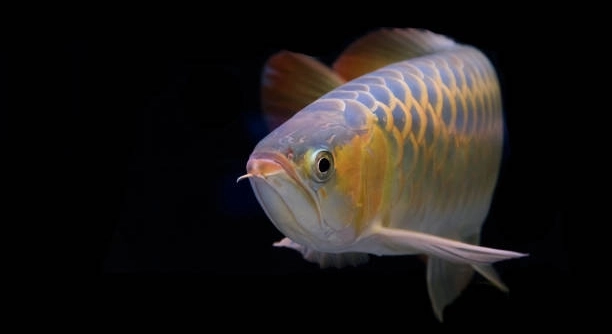
Have you ever considered keeping an Arowana but felt unsure about where to start? These striking fish can bring beauty and presence to a home, yet they require careful planning and attention to thrive.
Before purchasing an Arowana, it is essential to evaluate tank size, water quality, diet, lifespan, species compatibility, legal restrictions, and budget. Proper preparation ensures the health, longevity, and wellbeing of this delicate freshwater species.
Knowing these factors will make the process smoother and help you make an informed choice that benefits both you and your new pet.
Tank Size and Space Requirements
Arowanas grow quickly and can reach over two feet in length, which means a small tank will not suffice. A tank of at least 250 gallons is ideal for a single adult. The tank should be long and wide enough for the fish to swim freely without feeling cramped. Inadequate space can stress the fish, slow growth, and weaken the immune system. Filtration and aeration systems must also be considered, as a large tank requires strong equipment to maintain water quality. Placement in your home matters too; ensure the tank sits on a sturdy stand, away from direct sunlight and temperature fluctuations. Planning the right space from the start avoids costly upgrades later. Observing the fish’s swimming habits can indicate whether the tank is suitable.
Adult Arowanas need enough room to thrive, and proper spacing reduces stress and promotes healthy growth.
Providing ample space ensures your Arowana moves comfortably, reduces territorial disputes, and supports a stable aquatic environment. Consistent maintenance is easier in an adequately sized tank, and the fish’s natural behavior can be observed without restriction. Large tanks also allow better water circulation, which keeps the environment cleaner and more stable. Lighting and decoration placement should complement the swimming area, leaving open zones where the fish can glide. Additionally, a spacious tank makes it simpler to separate the fish if aggression arises, particularly during feeding or breeding. Choosing a tank with future growth in mind prevents frequent relocation, which can stress the fish. Overall, a properly sized tank creates an environment where the Arowana’s health, appearance, and activity levels can flourish naturally over many years.
Water Quality and Filtration
Maintaining clean water is crucial for Arowanas. Poor water quality can lead to disease and stress. Frequent testing of pH, ammonia, nitrite, and nitrate levels is necessary to ensure stability.
A high-quality filtration system is essential to handle the fish’s waste and keep the environment balanced.
Filtration should include mechanical, chemical, and biological components to remove debris, toxins, and maintain healthy bacteria. Arowanas produce significant waste, so regular water changes are necessary, typically 20–30% weekly, depending on tank size and stocking. Temperature should stay consistent, ideally between 75–82°F, and heaters or chillers may be required depending on the climate. Using a dechlorinator when adding tap water prevents chemical damage. Monitoring water clarity, smell, and the fish’s behavior helps catch problems early. Overfeeding should be avoided, as leftover food decays quickly, impacting water quality. Investing in reliable pumps, filters, and test kits simplifies maintenance and reduces the risk of illness. Keeping water stable supports the fish’s immunity, color, and natural activity levels, ensuring a long and healthy life.
Diet and Feeding
Arowanas are carnivorous and require a varied diet of live or frozen foods. Regular feeding promotes healthy growth and vibrant colors.
A balanced diet should include insects, shrimp, small fish, and specially formulated pellets. Overfeeding can lead to obesity and water pollution, so portion control is important. Feeding two to three times daily is usually sufficient for young fish, while adults may need less. Observing how the fish responds to different foods helps determine preferences and ensures proper nutrition. Variety also prevents nutrient deficiencies and keeps the fish active. Avoid feeding wild-caught fish to reduce the risk of disease. Consistency in feeding times supports digestive health and overall wellbeing.
Supplements like vitamins or calcium can be added occasionally to strengthen immunity and bone development. Maintaining a proper feeding schedule, along with clean water, creates a stable environment where the Arowana thrives naturally. Careful selection of diet components helps maintain its striking appearance and energy levels.
Lifespan and Long-Term Care
Arowanas can live 10–15 years, sometimes longer with proper care, so commitment is crucial.
Long-term care includes regular water testing, consistent feeding, and monitoring for signs of stress or disease. Tank maintenance should be scheduled weekly to prevent accumulation of waste. Observing behavior, appetite, and physical condition helps detect early issues. Arowanas can be territorial, so tank mates must be chosen carefully to avoid aggression. Health checks, proper diet, and environmental stability contribute to a longer, healthier life. Owners should be prepared for this long-term responsibility, ensuring the fish’s wellbeing throughout its lifespan.
Planning for future needs such as tank expansion, equipment replacement, and ongoing costs is important. Arowanas may grow larger than expected, requiring adjustments in tank setup or filtration. Seasonal changes in temperature or water source must be managed to avoid stress. Regular observation and preventive measures reduce the risk of disease outbreaks. Building a routine around water maintenance, feeding, and monitoring creates a reliable environment where the Arowana can thrive for many years. Consistency and attention to detail in care practices directly impact the fish’s longevity and quality of life.
Species Compatibility
Arowanas can be aggressive, so careful selection of tank mates is important. Avoid small or slow-moving fish that may be seen as prey.
Compatible tank mates include large, robust species that can tolerate similar water conditions. Observation is key to prevent fights or stress.
Legal Considerations
Some Arowana species are protected and require permits for ownership. It is essential to check local regulations before purchasing.
Illegal ownership can lead to fines or confiscation. Ensuring the species is legally allowed prevents future problems and ensures responsible pet keeping.
Budget and Expenses
Owning an Arowana requires significant investment in tank, filtration, food, and long-term care. Initial costs can be high, but maintenance and equipment upgrades add ongoing expenses. Planning your budget ensures you can provide a stable environment and proper care for the lifespan of the fish.
FAQ
What is the ideal tank size for an Arowana?
Arowanas need a large tank because they grow quickly and are active swimmers. For a single adult, a minimum of 250 gallons is recommended. The tank should be long and wide to allow natural movement. A larger tank also helps maintain stable water conditions and reduces stress.
How often should I feed my Arowana?
Young Arowanas should be fed two to three times per day, while adults need one to two feedings daily. Portion control is important to prevent overfeeding, which can lead to water pollution and obesity. A balanced diet of live, frozen, and pellet foods keeps the fish healthy.
Can Arowanas live with other fish?
Arowanas are territorial and may attack smaller or slow-moving fish. Suitable tank mates are large, robust species that can handle similar water conditions. Monitoring interactions is essential, especially during feeding, to prevent aggression.
What water conditions are best for an Arowana?
They thrive in slightly acidic to neutral water with a pH of 6.5–7.5 and a temperature between 75–82°F. Consistent water quality is crucial, and regular testing for ammonia, nitrites, and nitrates is necessary. Using a dechlorinator when adding tap water is recommended.
How long do Arowanas live?
With proper care, Arowanas can live 10–15 years, sometimes longer. Longevity depends on stable water conditions, proper diet, and regular monitoring for health issues. Consistent maintenance and attention to their needs are key to a long life.
What should I feed an Arowana?
Their diet should be varied, including live or frozen insects, shrimp, small fish, and high-quality pellets. Occasional supplements like vitamins or calcium can support growth and immunity. Avoid wild-caught fish to reduce disease risk. Variety prevents nutrient deficiencies and keeps the fish active.
Are Arowanas legal to own?
Some species are protected and require permits. Always check local regulations before purchase. Owning a restricted species without authorization can result in fines or confiscation. Ensuring legality protects both the owner and the fish population.
How do I prevent disease in my Arowana?
Regular water changes, proper filtration, balanced diet, and observation are essential. Quarantining new fish before adding them to the tank helps prevent the spread of illness. Signs of disease include unusual swimming, loss of appetite, or changes in color. Prompt action is crucial.
What equipment is essential for Arowana care?
A large tank, strong filtration, heater or chiller, aeration system, and water test kits are necessary. Decorations should leave plenty of swimming space. Investing in quality equipment ensures a stable environment and reduces stress on the fish.
How often should I clean the tank?
Partial water changes of 20–30% weekly are recommended, depending on tank size and stocking. Filter media should be cleaned according to manufacturer instructions without removing beneficial bacteria. Regular maintenance supports water quality and fish health.
Can Arowanas jump out of the tank?
Yes, they are strong jumpers. A secure, tightly fitting lid is necessary to prevent accidents. Observing behavior and minimizing stress can reduce the risk, but precautions are always essential.
How do I handle aggression in an Arowana?
Aggression often occurs during feeding or if the tank is crowded. Separating fish temporarily or adding dividers can help. Choosing compatible tank mates and providing enough space reduces territorial disputes. Consistent monitoring is key.
What signs indicate my Arowana is healthy?
A healthy Arowana is active, swims smoothly, and has vibrant coloration. Clear eyes, intact fins, and a good appetite are positive indicators. Any sudden change in behavior, color, or appetite should be addressed promptly.
Is it expensive to keep an Arowana?
Yes, initial costs for the tank, filtration, and fish can be high, with ongoing expenses for food, water treatments, and equipment maintenance. Planning your budget ensures consistent care over the fish’s long lifespan.
Can Arowanas be bred at home?
Breeding is challenging and requires experience. They are mouthbrooders, with the male carrying eggs in his mouth. A separate breeding tank and careful monitoring are essential. Success requires proper conditions, diet, and management of aggression.
How do I monitor water quality effectively?
Use test kits to regularly measure pH, ammonia, nitrite, and nitrate levels. Keeping a log helps detect trends or sudden changes. Clear water, stable temperature, and no foul odor are good indicators of quality. Prompt adjustments prevent stress and disease.
What should I do if my Arowana refuses to eat?
Check water conditions, temperature, and tank environment first. Stress, illness, or poor water quality are common reasons. Offering a variety of foods and ensuring tank mates are not intimidating can encourage feeding. Persistent refusal may require veterinary attention.
Can I keep multiple Arowanas together?
It is possible with a very large tank, but aggression is common. Provide ample space and hiding spots, and monitor interactions closely. Introducing fish at the same time may reduce dominance issues, but careful planning is required.
How do I encourage natural behavior?
Provide open swimming areas, varied diet, and minimal disturbance. Observing the fish and adjusting the environment to suit its activity helps maintain health and wellbeing. Enrichment through safe decorations or floating structures can support natural instincts.
Are there common mistakes new owners make?
Common errors include underestimating tank size, overfeeding, ignoring water quality, and choosing incompatible tank mates. Research and preparation prevent stress, disease, and short lifespan. Consistent care and observation are essential for long-term success.
How do I handle tank emergencies?
Keep spare equipment like heaters, filters, and air pumps. Have water conditioners and test kits ready. Quick action during power outages, temperature fluctuations, or filter failures prevents stress or injury. Preparedness ensures the Arowana remains safe and healthy.
What is the best way to introduce a new Arowana to a tank?
Acclimate slowly using the drip or floating method to equalize temperature and water chemistry. Monitor closely for stress or aggression. Avoid sudden changes, as this can cause shock or illness. Gradual introduction promotes adaptation to the new environment.
How do I know when my Arowana is stressed?
Signs include hiding, rapid gill movement, loss of appetite, or erratic swimming. Stress often results from poor water quality, overcrowding, or aggressive tank mates. Identifying and correcting the cause quickly is important to prevent long-term health issues.
Can Arowanas recognize their owners?
They may respond to regular feeding or presence, showing curiosity or alert behavior. While not affectionate like mammals, they can learn routines and recognize patterns, which makes care easier and observation rewarding.
How important is lighting for Arowanas?
Lighting enhances natural coloration and supports day-night cycles. Avoid direct sunlight to prevent temperature spikes and algae growth. Consistent lighting schedules help maintain healthy behavior and overall wellbeing.
What should I do during holidays or long absences?
Arrange a reliable feeder or ask someone experienced to monitor water quality and feeding. Avoid overfeeding before leaving. Preparing in advance ensures the fish remains healthy and stress-free during your absence.
Can Arowanas jump at night?
Yes, they can jump anytime. Ensure a secure lid is always in place, especially at night. Minimizing disturbances and vibrations can reduce nighttime activity and accidental jumps.
How do I handle water temperature changes?
Monitor daily and use heaters or chillers to maintain 75–82°F. Sudden changes can stress the fish. Gradual adjustments are safer than rapid corrections. Stable water supports digestion, immunity, and overall health.
Are there signs my Arowana is ready to breed?
Mature males develop a larger mouth, and females may appear fuller. Behavioral changes include increased territoriality and chasing. Breeding requires controlled conditions, a separate tank, and careful observation to support egg and fry development.
What are safe decorations for an Arowana tank?
Use smooth, sturdy objects that won’t injure the fish. Avoid sharp edges and small items that can be swallowed. Open swimming areas should remain, while providing occasional hiding spots or floating structures for enrichment.
How do I maintain color in my Arowana?
A varied diet, stable water, and proper lighting help keep colors vibrant. Stress reduction and avoiding overcrowding also contribute. Supplements can enhance pigmentation when used correctly. Observation ensures any fading is addressed early.
What is the most common health issue in Arowanas?
Fin rot, parasitic infections, and drop-eye are common problems. Poor water quality and diet are often contributing factors. Regular maintenance, proper nutrition, and preventive care reduce the risk and support overall health.
Can Arowanas live outdoors?
They can only survive outdoors in controlled climates with stable water conditions. Extreme temperatures, predators, or sudden environmental changes make outdoor tanks risky. Indoor setups provide safer, consistent environments for long-term health.
How do I handle aggressive behavior toward me?
Aggression is usually territorial. Avoid hand-feeding directly, and use feeding tools. Ensure the fish has enough space, and limit disturbances near the tank. Understanding triggers and responding calmly reduces stress for both the fish and owner.
Are Arowanas sensitive to noise?
Excessive vibrations or loud sounds can startle them. Keep the tank in a quiet area to maintain calm and reduce stress. Stability supports feeding, growth, and overall wellbeing.
How do I know if my Arowana is overgrown for its tank?
If it struggles to swim freely or frequently bumps into tank walls, it may need a larger space. Overcrowding leads to stress, aggression, and reduced health. Planning ahead prevents these problems.
Can I train my Arowana?
They can learn routines, recognize feeding times, and respond to familiar patterns. Training is limited but improves observation, feeding control, and interaction. Positive reinforcement works better than forcing behavior.
Is it necessary to quarantine new fish?
Yes, quarantining prevents disease transmission to established tank inhabitants. A separate tank for 2–4 weeks allows observation, treatment, and safe integration without risking the main tank.
How do I handle water evaporation?
Regularly top off with dechlorinated water to maintain levels. Avoid sudden refills that drastically change water chemistry. Consistency prevents stress and maintains stable conditions for the fish.
What is the best way to monitor tank health?
Daily observation, weekly water tests, and proper equipment maintenance ensure stability. Keeping a log of water parameters, feeding, and behavior helps identify problems early. Prevention is more effective than treatment.
How do I manage multiple Arowanas?
Ensure an extremely large tank, plenty of swimming space, and compatible sizes. Monitor for aggression, and separate fish if needed. Introduce them together when possible, and provide enrichment to reduce boredom and territorial disputes.
Are Arowanas noisy?
They are generally quiet, but jumping or interacting with tank equipment may cause splashes. Secure lids and proper setup minimize disturbances. Noise is rarely a concern compared to other care factors.
How do I handle sudden illness?
Isolate the fish if necessary, check water parameters, and consult a veterinarian experienced with freshwater fish. Quick action prevents the spread of disease and supports recovery. Prevention is easier than treatment.
Can Arowanas tolerate low oxygen levels?
No, they require well-oxygenated water. Use aeration, filters, and avoid overcrowding to ensure adequate oxygen. Low oxygen can cause stress, lethargy, and health problems.
What is drop-eye, and how can I prevent it?
Drop-eye is when one or both eyes point downward, often caused by genetics, diet, or injury. Providing a proper diet, large tank, and smooth decorations reduces risk. Prevention is easier than correction.
Are Arowanas prone to jumping accidents?
Yes, they can leap unexpectedly. Always use a secure lid and avoid startling the fish. Awareness and tank setup are essential for safety.
How can I tell if my Arowana is stressed?
Erratic swimming, hiding, loss of appetite, and color fading are common indicators. Identifying and correcting causes like poor water, overcrowding, or aggressive tank mates is critical.
Is it important to rotate foods?
Yes, rotating diet items prevents nutrient deficiencies and maintains interest. A mix of live, frozen, and pellet foods supports growth, coloration, and immune function.
What is the best way to introduce foods?
Offer small portions gradually, observe acceptance, and adjust types based on preference. Consistency in feeding routines helps digestion and prevents waste buildup.
Can Arowanas recognize reflections?
They may react to their reflection as a rival. Positioning the tank to minimize reflective surfaces reduces stress and aggression.
Do Arowanas need plants in the tank?
Plants are optional; robust artificial or floating plants provide enrichment and hiding spots. Ensure they don’t restrict swimming space. Natural plants may be uprooted or eaten.
How do I know if my Arowana is growing properly?
Consistent growth, healthy appetite, vibrant coloration, and active swimming indicate proper development. Stunted growth may result from inadequate diet, space, or water quality issues.
What should I do about algae growth?
Scrape tank walls, control light exposure, and maintain water quality. Algae can compete with oxygen and reduce aesthetics but generally does not harm the fish.
Can Arowanas adapt to new tanks quickly?
Acclimation is gradual; rushing can cause stress. Drip acclimation and slow introduction allow adjustment to temperature, pH, and water chemistry safely.
How do I transport an Arowana?
Use a strong, aerated container with minimal movement. Water should match the tank’s temperature, and transport should be as brief as possible to reduce stress.
Are there signs of aggression among Arowanas?
Chasing, nipping fins, or circling indicate territorial behavior. Providing space, hiding spots, and monitoring interactions helps prevent injury.
How do I prevent tank escapes?
Secure lids, minimize disturbances, and avoid overcrowding. Awareness of their jumping ability is essential for safety.
Can Arowanas tolerate sudden light changes?
Rapid shifts can startle them. Gradual lighting changes are safer and reduce stress. Consistent day-night cycles support natural behavior.
What is the best way to clean the tank?
Use siphons for debris, clean filters as recommended, and perform partial water changes regularly. Avoid harsh chemicals that harm fish.
How do I maintain stable water parameters?
Regular testing, proper filtration, controlled feeding, and water changes maintain stability. Monitoring trends helps prevent sudden fluctuations that stress the fish.
Can Arowanas live in brackish water?
They are freshwater species. Occasional mild brackish exposure may be tolerated, but long-term brackish conditions can harm health. Freshwater with stable conditions is ideal.
What is the best water conditioner to use?
A dechlorinator that neutralizes chlorine and heavy metals is recommended. Using products specifically designed for freshwater fish ensures safety and maintains water quality.
How do I recognize illness early?
Watch for changes in appetite, swimming patterns, coloration, and fin condition. Early detection allows treatment before issues become serious.
Are Arowanas sensitive to medications?
Yes, incorrect dosing or unsuitable medications can harm them. Always follow instructions carefully and consult experts if unsure.
What is the proper water hardness for Arowanas?
Moderate hardness is preferred. Extreme soft or hard water can affect health and stress the fish. Regular testing ensures parameters remain safe.
How do I prevent aggressive feeding behavior?
Feed one at a time or separate areas, and ensure tank mates have access to food. Adequate space reduces competition.
Can Arowanas recognize feeding times?
Yes, they can learn routines and anticipate food based on consistent schedules, improving feeding efficiency.
How do I handle aggressive territorial disputes?
Provide extra space, dividers, or separate tanks. Observing behavior and intervening when necessary prevents injury and stress.
Are there signs of overfeeding?
Excess food, cloudy water, sluggish behavior, or bloating indicate overfeeding. Adjust portions and remove leftovers promptly.
How do I prevent fin damage?
Avoid sharp decorations, aggressive tank mates, and overcrowding. Healthy water conditions and proper nutrition also support strong fins.
What is the proper filtration flow rate?
Moderate flow is preferred. Too strong can stress the fish, while too weak may reduce water quality. Choose equipment suitable for tank size and fish load.
Can Arowanas tolerate cold water?
No, temperatures below 70°F can stress the fish. Use heaters to maintain 75–82°F for optimal health.
How do I know if my Arowana is dehydrated or stressed?
Lethargy, sunken eyes, and slow swimming indicate stress. Correct water quality and stable environment alleviate these issues.
What is the best method for water changes?
Partial weekly water changes of 20–30% using dechlorinated water maintain quality. Avoid sudden large changes to reduce stress.
How do I prevent disease during transport?
Use clean, aerated containers, stable temperature, and minimal handling. Transport time should be short to reduce stress and susceptibility to illness.
Can Arowanas recognize tank mates?
They may learn to tolerate certain fish over time, but aggression can still occur. Observation is necessary for long-term compatibility.
How do I handle sudden water contamination?
Immediate partial water change, testing, and treatment if necessary are required. Preventative measures like regular maintenance reduce risk.
Are Arowanas sensitive to vibrations?
Yes, strong vibrations can stress them. Place the tank in a stable, low-traffic area.
How often should I inspect equipment?
Weekly checks of filters, heaters, and pumps prevent failure and maintain a stable environment. Immediate replacement or repair avoids stress or injury.
Can Arowanas live with turtles?
Turtles are generally not suitable tank mates. They may compete for space or injure the fish. Separate housing is safer for both species.
How do I treat minor injuries?
Isolate if necessary, monitor for infection, and maintain clean water. Small cuts or fin damage usually heal with stable conditions.
What is the best substrate for Arowanas?
Fine gravel or sand is recommended. Avoid sharp or rough materials that could injure fins or eyes. Substrate should allow easy cleaning.
How do I encourage natural hunting behavior?
Provide live or frozen prey occasionally, leaving enough open space to chase. This stimulates activity and mental engagement.
Can Arowanas adapt to pellet-only diets?
Yes, if high-quality pellets meet nutritional needs, but supplementing with live or frozen foods improves health, color, and activity.
**How do I prevent water chemistry swings?
Final Thoughts
Owning an Arowana is a serious commitment that requires careful preparation and ongoing attention. These fish are not just decorative pets; they are large, active, and intelligent creatures that need proper space, water conditions, and nutrition to thrive. Starting with the right tank size is essential, as a small tank can cause stress, stunt growth, and lead to health problems. Arowanas grow quickly and require ample swimming space, strong filtration, and consistent maintenance to maintain water quality. Planning ahead for future growth, equipment upgrades, and tank placement will prevent unnecessary stress and ensure a stable environment. Every detail, from temperature control to aeration, plays a role in keeping the fish healthy and active. Regular observation of behavior, appetite, and physical condition allows you to catch problems early and provide timely care, which is crucial for the fish’s long-term wellbeing.
Diet and feeding are equally important in keeping an Arowana healthy. A varied diet of live, frozen, and high-quality pellet foods provides essential nutrients while preventing deficiencies and maintaining vibrant coloration. Overfeeding or giving inappropriate foods can create health problems and pollute the tank, so careful portion control is necessary. Supplements like vitamins and calcium can support growth and immunity, especially in young fish or during stressful periods. Feeding routines help the fish develop natural behaviors and reduce stress during meals. Equally important is choosing compatible tank mates, as Arowanas are territorial and may show aggression if the environment is crowded or other fish are too small. Monitoring interactions and providing open swimming areas help reduce conflicts, supporting a calmer and more balanced tank community. By understanding and meeting these dietary and behavioral needs, the fish can grow strong and display natural activity patterns.
Long-term care of an Arowana requires a combination of planning, consistency, and attention to detail. These fish can live 10–15 years or more, so owners should be prepared for a long-term responsibility. Regular maintenance, water testing, and monitoring for signs of stress or disease are essential to prevent health issues. Investing in reliable equipment, such as heaters, filters, and test kits, reduces the risk of sudden problems and makes day-to-day care more manageable. Legal considerations should also be taken into account, as certain Arowana species require permits or are restricted. Understanding the costs, space, and time needed to care for these fish ensures that they remain healthy and active throughout their lives. By taking the time to prepare properly, providing a stable environment, and maintaining consistent care, an Arowana can thrive as a striking and long-lived addition to any home aquarium.

Hello,
If you enjoy the content that we create, please consider saying a "Thank You!" by leaving a tip.
Every little bit helps us continue crafting quality advice that supports the health, happiness, and well-being of pets around the world, for pets of all shapes, sizes, and species.
We really appreciate the kindness and support that you show us!