
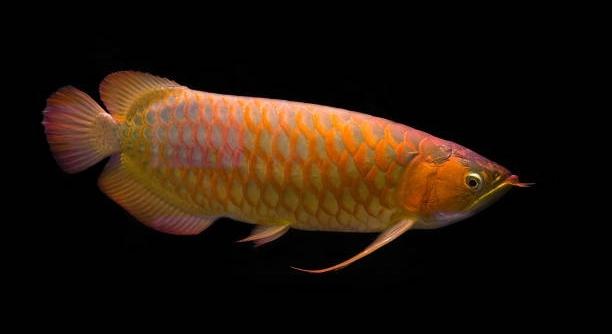
Many aquarium owners enjoy keeping arowanas with other fish, but sometimes these majestic creatures show signs of stress. Observing your arowana’s behavior closely can help you identify when it feels uncomfortable with a tank mate.
Arowanas may display aggression, territorial displays, or avoidance behaviors when they dislike a tank mate. These reactions can include chasing, nipping, sudden hiding, or refusing to eat near the other fish. Monitoring these signs is essential for maintaining a healthy aquarium environment.
Recognizing these early signs allows you to take action before conflicts escalate, ensuring both your arowana and its companions remain safe and stress-free.
Aggressive Chasing
When an arowana dislikes a tank mate, aggressive chasing is often the first visible sign. You may notice your arowana swimming rapidly toward the other fish, forcing it to flee repeatedly. This behavior can happen during feeding times or when the tank mate enters the arowana’s preferred area. Over time, constant chasing can stress both fish, leading to health problems or injuries. Aggression is usually a response to territory concerns, as arowanas are naturally dominant and prefer large, open spaces with minimal competition. It can also occur if the tank mate is too small or displays colors and movements that trigger predatory instincts. Observing patterns of movement, as well as times of day when chasing is more frequent, can help you understand the intensity of the conflict. Consistent aggressive behavior indicates the tank is not well balanced, and intervention is necessary to prevent harm.
Aggressive chasing is a strong indicator your arowana feels threatened or annoyed by a tank mate.
Monitoring interactions daily and adjusting tank conditions or separating the fish can reduce stress. Tank rearrangements, hiding spots, or larger spaces often minimize aggressive behaviors, helping your arowana feel secure.
Refusal to Eat
Arowanas that avoid eating near another fish may be signaling discomfort. This behavior can appear suddenly, especially when a new tank mate is introduced.
Refusal to eat is serious because it affects growth, energy levels, and immune function. Stress from an incompatible companion can make your arowana hide or avoid areas where food is offered. Some arowanas may only eat when alone, showing the intensity of their discomfort. Changes in appetite often coincide with other stress signals, such as lethargy or color changes. Tank size, water conditions, and feeding routines also impact feeding behavior. Offering meals in different locations or during quiet periods may improve eating, but persistent refusal usually means the tank mate is not suitable. A balanced diet is crucial for maintaining your arowana’s health, so early detection of feeding issues allows corrective measures before serious problems arise. Monitoring meal times and response to food provides insight into tank harmony.
Hiding Frequently
Hiding more than usual is a clear sign your arowana is uncomfortable. It may retreat behind decorations or stay near the tank bottom to avoid a particular tank mate.
Excessive hiding can indicate stress or fear. Arowanas are naturally curious and bold, so sudden reluctance to explore the tank signals tension. This behavior often occurs when the tank mate is overly active, aggressive, or occupies areas the arowana prefers. Continuous hiding can reduce feeding and activity, affecting overall health. Observing when and where your arowana hides helps identify patterns of stress. Adjusting tank layout, adding hiding spots, or separating the fish can help your arowana feel more secure and regain normal behavior.
Over time, hiding may also affect social interactions and movement. A stressed arowana that spends long periods concealed might develop weaker muscles, lose appetite, or show duller colors. Ensuring that the tank has proper space, visual barriers, and compatible companions allows your arowana to feel confident and return to natural swimming and feeding patterns. Regular observation is key to preventing long-term issues and maintaining a healthy, balanced environment for all tank inhabitants.
Nipping at Tank Mates
Nipping or biting other fish is a direct expression of irritation or dominance. Even minor nips can escalate if left unchecked.
Nipping is often a result of territorial instincts or frustration. Arowanas may target smaller or more colorful tank mates, striking repeatedly at fins or tails. This behavior can lead to injuries, infections, or stress in the affected fish. Tank setup and population density influence the frequency of nipping. Limited space or lack of hiding spots increases tension, causing the arowana to react aggressively. Regular monitoring and noting which fish are affected helps determine compatibility. In some cases, adjusting the environment or removing the problematic fish is necessary.
Preventing nipping requires careful observation and proactive measures. Adding barriers, rearranging decorations, or providing visual separation can reduce incidents. Choosing tank mates that are similar in size, temperament, and swimming style helps maintain harmony. Feeding your arowana adequately and ensuring it is not stressed by water quality or overcrowding can also minimize aggression. Consistency in tank care and awareness of behavior changes allow you to address nipping early, preserving both your arowana’s health and the wellbeing of other fish.
Avoiding Interaction
Arowanas that avoid swimming near certain tank mates are signaling discomfort. They may linger in corners or opposite ends of the tank to keep distance.
This avoidance can reduce social engagement and feeding opportunities. Continuous separation indicates incompatibility between the arowana and the other fish, requiring intervention.
Sudden Color Changes
Changes in color often indicate stress or irritation. Arowanas may darken or lose their usual vibrancy when unhappy with a tank mate. Stress-induced color shifts can appear quickly and may persist if the cause is not addressed.
Monitoring water quality, tank layout, and interactions can help determine the source of stress. Providing visual barriers or separating aggressive companions often restores normal coloration. Color changes are a clear signal to reassess compatibility and ensure arowana wellbeing.
Restlessness
Restless swimming, such as pacing along tank walls or repeated darting, can indicate unease. Your arowana may show heightened alertness when a tank mate is nearby.
How can I tell if my arowana dislikes a tank mate?
Signs that your arowana dislikes a tank mate include aggression, chasing, nipping, hiding, refusal to eat, and sudden color changes. These behaviors are often repeated or persistent rather than occasional. Observing when and where your arowana displays these actions can help identify the specific trigger. Patterns like avoiding certain areas, darting around the tank, or showing stress behaviors during feeding indicate a problem with tank compatibility. Even small signs, if consistent, suggest the fish feels threatened or uncomfortable. Early recognition is key to preventing injuries or long-term stress in both your arowana and the other fish.
What should I do if my arowana is aggressive toward a tank mate?
When aggression appears, immediate action is needed to prevent harm. Separating the fish temporarily or permanently is often the simplest solution. Rearranging the tank to create visual barriers can reduce confrontations. Ensuring your arowana has enough space and hiding spots helps lower territorial tension. Feeding the fish adequately and monitoring water quality also reduces stress that can trigger aggression. In some cases, selecting tank mates of similar size and temperament is the best long-term solution. Keeping a careful log of aggressive incidents helps track improvements or recurring problems.
Why is my arowana hiding so much?
Excessive hiding indicates stress or fear. Arowanas are naturally confident swimmers, so sudden withdrawal is a response to discomfort with another fish. Hiding may be triggered by aggressive tank mates, insufficient space, or lack of secure areas in the tank. Prolonged hiding can affect feeding, swimming, and overall health. Providing hiding spots, rearranging decorations, or separating incompatible fish often resolves the issue. Monitoring your arowana’s behavior over time shows whether the changes are temporary or need intervention.
How do I reduce stress for my arowana in a shared tank?
Stress reduction involves creating a stable environment. Ensure the tank is large enough for all inhabitants, with adequate swimming space and hiding areas. Monitor water conditions closely, maintaining appropriate temperature, pH, and filtration. Avoid overcrowding, and choose compatible tank mates that do not provoke aggression. Feeding routines should be consistent to reduce competition and stress during meal times. Observing interactions daily allows you to adjust tank layout or separate fish before problems escalate. Sometimes simply moving decorations or adding barriers can restore balance and calm your arowana.
Can diet affect arowana behavior toward other fish?
Yes, diet plays a significant role in behavior. An underfed or nutrient-deficient arowana may become more aggressive or irritable toward tank mates. Overfeeding can also cause stress and sluggishness, affecting social interactions. Providing a balanced diet with proper proteins, vitamins, and minerals supports normal behavior. Feeding smaller, frequent portions reduces competition and helps your arowana remain calm. Observing eating patterns alongside behavior provides insight into whether dietary adjustments are needed to improve tank harmony.
When should I consider separating my arowana from a tank mate?
Separation should be considered if aggressive behavior, persistent hiding, refusal to eat, or repeated nipping occurs. Even minor injuries can escalate if the problem continues. If environmental adjustments or diet changes fail to reduce stress, separating the fish ensures safety and health. Monitoring daily behavior and noting repeated conflicts helps determine the necessity and timing of separation.
Are some fish better companions for arowanas than others?
Yes, compatibility depends on size, temperament, and swimming patterns. Arowanas generally do best with larger, non-aggressive fish that occupy different levels of the tank. Avoid small, fast-moving, or brightly colored fish that can trigger predatory instincts. Matching activity levels and temperament reduces tension. Proper research on species compatibility before introducing new fish prevents stress, aggression, and potential injury.
How can I improve harmony in a mixed-species tank?
Creating visual barriers, arranging hiding spots, and providing sufficient space reduces stress. Feeding multiple areas at once can prevent competition, and monitoring water quality ensures a stable environment. Choosing compatible species, spacing out decorations, and observing behavior regularly help maintain peaceful interactions. Adjustments should be gradual, allowing your arowana to acclimate without sudden disruption.
What long-term effects can stress have on arowanas?
Prolonged stress can weaken the immune system, reduce appetite, cause stunted growth, and trigger color loss. Chronic stress may also increase aggression or lethargy, reducing overall tank harmony. Early recognition and intervention prevent these issues. Ensuring a balanced environment, compatible tank mates, and proper care promotes long-term health and well-being.
How often should I monitor interactions in a shared tank?
Daily observation is recommended, especially after introducing new tank mates. Note behaviors such as chasing, hiding, or refusal to eat. Keeping a simple log can reveal patterns and help you address issues early. Consistent monitoring ensures interventions are timely and effective, maintaining a safe environment for all fish.
Keeping an arowana with other fish can be rewarding, but it also requires careful attention. These fish are naturally dominant and can become stressed if a tank mate is not suitable. Observing your arowana’s behavior is the most reliable way to identify problems early. Signs such as chasing, hiding, nipping, restlessness, or changes in color are clear indicators that the fish may not be comfortable with its companions. Each arowana has a unique personality, and what works for one tank may not work for another. Recognizing the difference between normal behavior and stress responses helps you maintain a healthy, balanced aquarium. The sooner you notice these signals, the more effectively you can address any issues before they escalate into injuries or long-term health problems.
Providing a proper environment is essential for reducing stress and promoting harmony among tank mates. Arowanas need plenty of space to swim, along with areas where they can retreat if they feel threatened. Decorations, rocks, and plants can create visual barriers that limit direct interactions with other fish. Choosing tank mates that are similar in size, temperament, and activity level also reduces tension. Feeding routines and diet play a role in behavior as well; underfeeding or overcrowding can lead to irritability and aggression. Ensuring clean water, stable temperature, and proper filtration further supports arowana well-being. Small adjustments in tank layout or daily care often lead to noticeable improvements in behavior. Observing your fish over time helps you understand patterns, such as which areas they prefer and which companions trigger stress.
Ultimately, maintaining a peaceful aquarium with an arowana requires ongoing attention and responsiveness. Conflicts with tank mates can usually be managed with careful observation, environmental adjustments, and thoughtful selection of compatible species. Separation may sometimes be necessary if aggressive or stressful behavior persists, but it should be seen as a solution rather than a failure. Keeping your arowana healthy and stress-free is not only about preventing fights—it is also about supporting their natural behaviors and allowing them to thrive. Regular monitoring, consistent care, and understanding the signals your fish give will create a safer, more enjoyable tank for all its inhabitants. With patience and attention, your arowana can coexist with other fish successfully while staying healthy, active, and vibrant.

Hello,
If you enjoy the content that we create, please consider saying a "Thank You!" by leaving a tip.
Every little bit helps us continue crafting quality advice that supports the health, happiness, and well-being of pets around the world, for pets of all shapes, sizes, and species.
We really appreciate the kindness and support that you show us!