
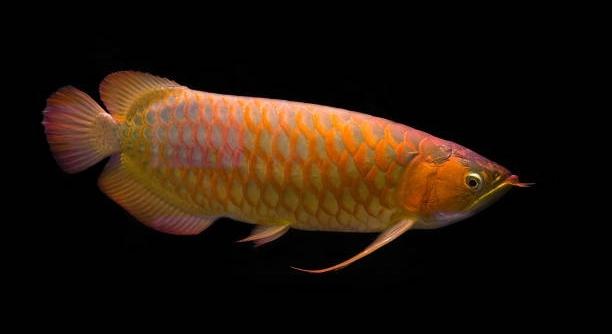
Keeping an arowana can be a rewarding experience for aquarium enthusiasts. These fish are known for their graceful swimming and striking appearance, making them a captivating addition to any home tank. Their presence brings a sense of elegance.
A 75-gallon tank is generally too small for an adult arowana. These fish can grow over two feet long, requiring ample space for proper movement and health. Larger tanks are recommended to prevent stunted growth and stress.
Proper planning and understanding of tank requirements are essential. Knowing the space and care needed ensures the arowana thrives and maintains a healthy, active lifestyle.
Understanding Arowana Tank Requirements
Arowanas are large, active fish that require a significant amount of space to thrive. A 75-gallon tank may seem sufficient at first, but adult arowanas can grow beyond two feet in length. This growth means they need room to swim freely and exercise naturally. Without proper space, their health can be compromised, leading to stress, weak immunity, and stunted development. Tank height and length are just as important as overall capacity because arowanas often swim near the surface and need vertical and horizontal space. Filtration is critical to maintain water quality, as these fish produce considerable waste. A 75-gallon tank may struggle to handle waste efficiently, causing ammonia and nitrate levels to rise quickly. Providing hiding spots and gentle lighting helps create a more natural environment, reducing stress. Consistent water changes and monitoring water parameters are essential to support their long-term health and maintain a stable, clean habitat for the fish.
Tank decorations should not overcrowd swimming space, keeping the tank functional yet comfortable for movement.
Planning ahead for size, filtration, and maintenance ensures your arowana can live healthily in a properly equipped environment. Proper water flow, temperature, and tank structure all contribute to minimizing stress and supporting natural behavior. A 75-gallon tank may initially house a juvenile arowana, but growth will soon demand a larger tank to maintain comfort and longevity. Prioritizing space over decoration is essential because adult arowanas require open areas for smooth swimming and exercise. Maintaining water quality through filtration and regular changes supports their metabolic needs and prevents diseases. Substrate choice, gentle lighting, and limited décor reduce stress and allow the fish to focus on feeding and movement. Monitoring tank conditions closely ensures any early issues are addressed before they impact the arowana’s health. By understanding these requirements, the tank can provide a safe, supportive environment while reducing risks associated with confinement.
Feeding and Care for Arowanas
Juvenile arowanas may adapt to smaller tanks with careful feeding, but diet must be controlled to prevent pollution.
Arowanas require a varied diet of live, frozen, or prepared foods to meet nutritional needs. Overfeeding can quickly reduce water quality, so small, frequent meals are recommended. Observing feeding habits helps identify stress or illness early. Supplements may support growth, but balance is key. Tank size impacts feeding because fish in restricted spaces may consume food faster and produce more waste. Maintaining clean water after feeding is necessary to prevent harmful chemical buildup. Understanding their dietary needs ensures growth and vitality, reducing the likelihood of disease or malnutrition while living in confined spaces temporarily.
Tank Size Limitations
A 75-gallon tank restricts an adult arowana’s movement, which can lead to stunted growth and stress. The fish needs horizontal and vertical space to swim comfortably, and limited size can affect both physical development and overall health.
Limited space in a 75-gallon tank impacts an arowana’s natural behavior. These fish are surface swimmers and require open water for exercising. When confined, they may bump into walls or decorations, causing injuries or fin damage. Stress from cramped conditions can weaken their immune system, making them more prone to disease. Juveniles may cope temporarily, but adults quickly outgrow the tank, requiring relocation to maintain proper growth and reduce health risks. Careful monitoring is necessary to prevent overcrowding and ensure water quality remains high despite waste accumulation.
Tank size also affects filtration efficiency. Smaller tanks fill with waste faster, making water parameters unstable. This can result in ammonia spikes, which are toxic. Proper aeration, frequent water changes, and efficient filtration are crucial in a 75-gallon setup. Even with these measures, an adult arowana will eventually need a larger tank to thrive. Planning for future growth avoids constant stress, injury, and health complications. Ensuring enough space is the best way to support their well-being and natural swimming patterns.
Long-Term Growth Considerations
Arowanas grow rapidly and can exceed two feet, making a 75-gallon tank suitable only for juveniles. Growth rate must be considered before deciding on tank size.
Juvenile arowanas can live in a 75-gallon tank for a limited time, but adults require much larger tanks. Arowanas grow about six to eight inches in the first year, and space must increase accordingly. Insufficient tank size can lead to stunted growth, deformities, and stress. Adult fish need at least 180 to 250 gallons for proper movement and long-term health. Planning for growth ensures arowanas maintain normal behavior, exercise adequately, and avoid injuries caused by confinement. Even with careful care, long-term housing in a small tank is not sustainable.
Proper tank planning includes anticipating adult size and providing adequate filtration, water changes, and swimming space. Overcrowding restricts growth and increases stress, directly affecting the fish’s lifespan. Juveniles in smaller tanks require close monitoring of water parameters, feeding habits, and health. Decorations should be minimal to allow open swimming areas. Choosing a tank that accommodates adult size prevents long-term health problems and reduces maintenance challenges. Ensuring adequate space supports exercise, proper digestion, and overall vitality, making the investment in a larger tank worthwhile for both fish and caretaker.
Water Quality Challenges
A 75-gallon tank can struggle to maintain stable water conditions for an arowana. These fish produce significant waste, which raises ammonia and nitrate levels quickly, requiring frequent monitoring and water changes to prevent health issues.
Filtration in smaller tanks must be efficient. Even with strong filters, water parameters can fluctuate rapidly. Overfeeding or missed water changes can stress the fish and lead to illness. Careful attention is necessary to maintain a clean, balanced environment that supports growth and vitality.
Behavior and Space Needs
Arowanas are active swimmers that need ample horizontal space. Limited room can cause frustration, erratic swimming, or collisions with tank walls and decorations.
Providing a tank that allows open water for smooth, natural swimming is essential. Cramped environments reduce physical activity, which can lead to weaker muscles and poor overall health. Ensuring adequate swimming space supports natural behavior and reduces stress, improving long-term well-being for the fish.
Filtration and Maintenance
Smaller tanks require more frequent maintenance because waste accumulates faster. Proper filtration and regular water changes are critical to maintain health and water quality.
FAQ
Can a juvenile arowana live in a 75-gallon tank?
Yes, a juvenile arowana can temporarily live in a 75-gallon tank. Young fish are smaller and require less swimming space. However, this setup is only suitable for a short period, as rapid growth will soon make the tank too small. Monitoring water quality and feeding carefully is essential during this stage.
How often should water changes be done in a 75-gallon tank?
Water changes should be frequent, at least 25-30% weekly. Arowanas produce a lot of waste, which can quickly raise ammonia and nitrate levels. Regular water changes help maintain stable water parameters, preventing stress, illness, and potential stunting caused by poor water quality.
What type of filtration works best for a 75-gallon tank?
A strong canister or sump filter is recommended for efficient mechanical and biological filtration. Filters must handle large amounts of waste without slowing water flow too much. Combining mechanical, biological, and chemical filtration ensures water remains clean and reduces toxins that could harm the fish.
Can an arowana adapt to a smaller tank?
Arowanas can adapt temporarily, especially juveniles. However, limited space restricts movement, increases stress, and can stunt growth. Long-term adaptation is not possible without health risks. Planning for a larger tank ensures proper swimming space and reduces potential physical and behavioral problems.
What happens if the tank is too small?
A small tank can cause stunted growth, stress, and injuries from bumping into walls. Water quality deteriorates faster, leading to illness or reduced lifespan. Behavioral problems, such as erratic swimming or aggression, may appear. Immediate relocation to a larger tank is necessary as the fish grows.
How important is tank length versus tank volume?
Tank length is critical because arowanas are horizontal swimmers. A deep but short tank may have adequate volume but will not provide enough horizontal swimming space. Ensuring the tank allows full movement along its length helps maintain health, natural behavior, and reduces stress.
What kind of diet is suitable in a smaller tank?
Feeding should be controlled to prevent overfeeding, which can pollute water. Juveniles can eat small live or frozen foods, gradually introducing pellets. Balanced nutrition supports growth, but care must be taken not to produce excess waste in the confined environment. Small, frequent meals are ideal.
Can decorations affect arowana health in a 75-gallon tank?
Yes, overcrowding with decorations can limit swimming space and increase risk of injuries. Open water is more important than elaborate décor. Minimal hiding spots and gentle lighting create a safe, functional environment without restricting natural movement or causing stress.
Is it possible to keep multiple fish with an arowana in this tank size?
It is not recommended. Arowanas are territorial and need space to swim. Adding other fish increases waste production, leading to rapid water quality decline. Conflicts may occur, risking injury to both the arowana and tank mates. A single fish is safest for a 75-gallon tank.
How long can an arowana stay in a 75-gallon tank before needing upgrade?
Typically, a juvenile can stay for several months, depending on growth rate. Once the fish approaches 12-15 inches, the tank becomes inadequate. Planning ahead for at least a 180-250 gallon tank is essential for long-term health and proper exercise.
Can stress be managed in a smaller tank?
Stress can be partially managed through careful feeding, frequent water changes, and minimal decorations. However, space restriction remains a significant factor. Even with optimal care, long-term confinement will negatively impact health and behavior, making a larger tank necessary.
What is the maximum size an arowana can safely reach in a 75-gallon tank?
The safe maximum is usually under one foot. Beyond this, swimming space becomes too limited, and health risks increase. Adult arowanas need significantly larger tanks to thrive, so planning for growth early prevents problems and ensures proper development.
Are there signs the arowana is unhappy in a small tank?
Signs include erratic swimming, fin damage, reduced appetite, and lethargy. Constantly bumping into walls or decorations is another indicator. Monitoring these behaviors allows early intervention, though ultimately upgrading to a larger tank is necessary for long-term health.
Can proper maintenance compensate for small tank size?
Maintenance helps, but it cannot fully compensate for limited space. Regular water changes and filtration prevent water quality issues, but stress, restricted movement, and growth limitations persist. A larger tank is the only true solution for a healthy adult arowana.
What should I prioritize when using a 75-gallon tank temporarily?
Prioritize water quality, open swimming space, and controlled feeding. Minimal decorations reduce injury risk, and careful monitoring prevents early health problems. The 75-gallon tank can be a temporary home, but planning for a larger tank ensures long-term well-being.
Is tank size the most critical factor for arowana health?
Yes, size directly impacts growth, behavior, and stress levels. While diet, water quality, and care matter, inadequate swimming space in a small tank poses the greatest risk to health and longevity. Proper tank planning is essential from the start.
This FAQ provides guidance for anyone keeping a juvenile arowana in a 75-gallon tank, emphasizing limitations and best practices for temporary housing, feeding, and maintenance.
Final Thoughts
Keeping an arowana in a 75-gallon tank is possible only for a short period while the fish is still a juvenile. These fish grow quickly and require much more space as they mature. Even with careful maintenance, water changes, and efficient filtration, the tank will soon become too small. Limiting space affects both physical and mental well-being, causing stress, stunted growth, and potential injuries from bumping into tank walls or decorations. Planning ahead for a larger tank ensures the arowana can swim freely, exercise properly, and develop in a healthy environment. While a 75-gallon tank may seem convenient for starting out, it should never be considered a long-term solution.
Maintaining water quality in a smaller tank requires extra effort and attention. Arowanas produce a significant amount of waste, and even with strong filtration, ammonia and nitrate levels can rise quickly. Regular water changes are necessary, and overfeeding must be avoided to prevent rapid pollution. Minimal decorations help maximize swimming space while reducing the risk of injury. Observing the fish for signs of stress or behavioral changes is important, as these are indicators that the tank may no longer be suitable. A small tank can support a juvenile fish temporarily, but the long-term health of the arowana depends on upgrading to a larger, more suitable environment.
Feeding, behavior, and care all need careful attention in a 75-gallon tank. Juveniles require small, frequent meals to reduce waste buildup, and their diet should remain balanced to support growth. Cramped conditions can impact natural behavior, leading to frustration or lethargy. Ensuring adequate swimming space, clean water, and proper nutrition helps the fish remain healthy until it outgrows the tank. Ultimately, a 75-gallon tank is only a temporary home, and planning for a larger tank is essential for long-term success. Understanding the limitations and responsibilities of keeping an arowana in a smaller tank allows you to provide the best care possible while preparing for the fish’s future needs. Proper preparation and monitoring create a safe, supportive environment that promotes growth, health, and natural behavior.

Hello,
If you enjoy the content that we create, please consider saying a "Thank You!" by leaving a tip.
Every little bit helps us continue crafting quality advice that supports the health, happiness, and well-being of pets around the world, for pets of all shapes, sizes, and species.
We really appreciate the kindness and support that you show us!