
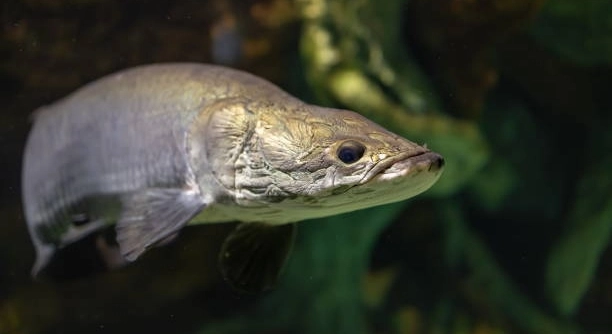
Arowanas are majestic fish that require careful attention to their diet. Feeding them the wrong foods can lead to health issues and reduce their lifespan. Understanding which items to avoid is essential for responsible care.
Certain foods, such as processed meats, high-fat snacks, live feeder goldfish, frozen feeder fish, excessive insects, human junk food, and spoiled items, can harm an arowana’s digestive system, cause diseases, or disrupt their nutritional balance, and must be strictly avoided.
Proper feeding ensures your arowana thrives in its environment. Learning what to exclude from their diet protects their health and longevity.
Processed Meats
Processed meats like sausages, deli cuts, and bacon are not suitable for arowanas. They contain preservatives, high salt levels, and additives that can damage their internal organs. Even small amounts can cause long-term harm. Feeding processed meats can lead to fatty deposits, kidney stress, and liver problems. Many fish owners assume these are okay for occasional treats, but the risk is significant. Arowanas are carnivorous but require fresh or specially formulated foods. Avoid giving them any human-processed products. Fresh fish fillets, shrimp, or pellets designed for large carnivorous fish are safer. Consistency in diet is key. A healthy diet supports proper growth, vibrant scales, and strong immune function. Occasional experimentation with safe foods is fine, but processed meats should never be part of arowana feeding. Their system is sensitive, and the wrong food can trigger digestive issues and long-term health consequences, which are preventable.
Avoiding processed meats is critical for maintaining arowana health and preventing preventable diseases.
Arowanas thrive on natural, fresh protein sources. Feeding them healthy fish fillets, shrimp, or insects ensures they get the right balance of nutrients. Commercial pellets can supplement their diet, providing vitamins and minerals they may not get from live or frozen foods. Regularly monitoring their feeding habits helps detect early signs of stress or dietary deficiencies. Overfeeding or including processed items can lead to obesity and organ strain. A consistent, balanced diet improves longevity and keeps them active. By focusing on safe, high-quality foods, owners can enjoy a vibrant, energetic arowana. Avoiding processed meats altogether reduces the risk of sudden illness and supports healthy growth patterns. Feeding responsibly demonstrates care and understanding of their specific dietary needs.
Live Feeder Goldfish
Live feeder goldfish are often sold as convenient food, but they carry hidden risks. Feeding them can introduce parasites, bacteria, or diseases that harm your arowana.
Live goldfish often carry pathogens that arowanas cannot resist. Many aquarists have seen severe infections from feeding them directly. Additionally, goldfish have a different fat composition, which is not ideal for arowanas. Over time, repeated feeding can lead to obesity, fatty liver, and weakened immunity. Even quarantining the goldfish may not eliminate all risks, as some pathogens are hard to detect. Arowanas are large predators, but their digestive systems are delicate, and improper prey can cause blockages or digestive failure. Frozen or specially prepared feeder fish are safer alternatives. These options reduce the risk of disease while still providing protein. Maintaining a healthy tank environment and avoiding risky live feeds ensures arowanas remain strong, grow properly, and display natural behavior without compromising their health. Feeding smartly protects them from preventable illness and improves their overall well-being.
Human Junk Food
Human junk food like chips, candy, or fast food is extremely harmful to arowanas. High salt, sugar, and artificial additives can disrupt their digestion and weaken their immune system.
Feeding junk food can quickly cause nutritional imbalances. Arowanas require high-protein diets, and empty calories from processed snacks provide no real benefits. Over time, even small amounts can lead to fatty liver, stunted growth, and behavioral changes. Their metabolism is not designed to handle sugar or excessive salt, which can lead to organ strain or long-term health issues. Maintaining a natural, high-protein diet ensures proper development, prevents disease, and supports energy levels.
Even seemingly harmless snacks can create severe problems. Arowanas are sensitive to chemical additives and preservatives commonly found in junk food. Regular exposure increases the likelihood of chronic illness and shortens lifespan. By strictly avoiding human junk food, their digestive system remains strong, and their natural appetite for healthy protein-rich food stays intact. Feeding responsibly reduces unnecessary health risks and keeps them active, vibrant, and growing properly.
Spoiled or Rotten Food
Spoiled or rotten food can introduce dangerous bacteria and toxins that arowanas cannot tolerate. Feeding it can result in rapid illness or death.
Rotten food contains harmful microbes that quickly overwhelm an arowana’s immune system. Even if the fish eats it without immediate issue, the toxins can damage internal organs, particularly the liver and intestines. Their sensitive digestive system is not equipped to handle decayed proteins or moldy items. It is essential to inspect all food before feeding, ensuring it is fresh and properly stored. Frozen foods should be thawed safely, and any uneaten portions should be removed promptly. Proper handling and storage prevent bacterial growth and maintain nutritional quality, reducing health risks.
Feeding spoiled food disrupts the tank environment as well. Decomposing food contaminates water, promoting bacterial and fungal growth that affects not just the arowana but other tank inhabitants. Maintaining a clean feeding routine preserves both fish health and water quality. Consistent attention to freshness safeguards your arowana’s wellbeing and ensures they continue to thrive in a safe, healthy environment.
High-Fat Snacks
High-fat snacks like fried foods or fatty cuts of meat are not suitable for arowanas. Excess fat can cause obesity, liver damage, and slow digestion.
Regularly feeding high-fat items can disrupt their natural metabolism. Arowanas need lean protein sources, and too much fat weakens their health over time.
Excess Insects
Insects can be healthy in moderation, but too many can imbalance an arowana’s diet. They often contain chitin, which is hard to digest in large amounts. Overfeeding insects may lead to nutritional deficiencies and digestive issues, preventing proper growth and weakening the immune system.
Frozen Feeder Fish
Frozen feeder fish are safer than live fish but still carry risks if not handled properly. Improper thawing or storage can introduce bacteria, causing illness. Always inspect and prepare frozen fish carefully before feeding to maintain arowana health and prevent infections.
FAQ
What foods are completely unsafe for arowanas?
Arowanas should never eat processed meats, high-fat human foods, live goldfish, spoiled food, excessive insects, or junk snacks. These items introduce harmful chemicals, bacteria, or unsuitable fats that their digestive systems cannot handle. Feeding these foods can lead to organ damage, infections, or stunted growth.
Can I feed my arowana live fish safely?
Feeding live fish is risky. Live goldfish or feeder fish often carry parasites and diseases that can harm arowanas. Even quarantined fish can introduce hidden pathogens. If live prey is desired, it is safer to use frozen, pre-treated feeder fish to reduce the risk of illness.
Are insects a good food option?
Insects are okay occasionally but should not make up the bulk of the diet. Large amounts of chitin from insects can be hard to digest. Use insects as a small supplement alongside high-protein foods like shrimp, pellets, or fresh fish. Balance is key for proper growth and health.
Is human food ever acceptable?
No human food is suitable. Chips, candy, or fried items contain additives, sugar, and salt that can seriously damage internal organs. Arowanas cannot process these substances, which leads to fatty liver, digestive problems, and weakened immunity over time. Only fish-specific foods should be given.
Can frozen fish replace live fish completely?
Yes, frozen fish can safely replace live prey when prepared correctly. Thaw it slowly in clean water and remove any ice crystals. Inspect the fish for spoilage before feeding. Frozen fish provides high protein without the disease risk live fish carries.
How often should I feed my arowana?
Young arowanas can be fed twice daily in small portions, while adults usually do well with once-daily feeding. Avoid overfeeding, as uneaten food pollutes the water and causes digestive issues. Consistency and portion control help maintain their health and prevent obesity.
What signs show my arowana is eating something harmful?
Signs include bloating, lethargy, loss of appetite, abnormal swimming, or visible distress. Sudden illness after introducing new food is a strong indicator that it is unsafe. Prompt removal of harmful foods and observation can prevent long-term damage.
Can feeding mistakes be corrected?
Yes, removing harmful foods and returning to a balanced diet can improve arowana health. Monitor for recovery and maintain high-quality protein sources. Regular water changes and tank hygiene support recovery and reduce secondary risks from spoiled or contaminated food.
Are commercial pellets a reliable option?
Commercial pellets formulated for arowanas are safe and nutritionally balanced. They provide essential vitamins and minerals that may not be present in natural prey. Combining pellets with fresh fish or shrimp ensures a varied and complete diet without introducing risks from unsafe foods.
What is the safest way to prepare food for my arowana?
Always use fresh or properly frozen fish and seafood. Rinse before feeding, thaw in clean water, and remove spoiled portions immediately. Avoid seasoning or additives. Feeding small, controlled portions reduces waste and prevents water contamination. Safe preparation ensures long-term health and stable growth.
How can I prevent dietary problems long-term?
Stick to high-protein, low-fat foods and avoid processed or human items. Rotate fresh fish, shrimp, and commercial pellets to provide nutrients. Regularly clean the tank and monitor your arowana’s condition. Consistent, careful feeding prevents diseases and promotes a strong, active, and vibrant fish.
Can overfeeding frozen or fresh fish be harmful?
Yes, overfeeding any food can cause bloating, obesity, and digestive blockages. Stick to recommended portions based on size and age. Feed smaller amounts more frequently for younger fish, and ensure adults maintain healthy body weight with controlled portions. Monitoring appetite and behavior helps avoid excess.
Are there any supplements needed for arowanas?
Generally, a varied diet of fresh fish, shrimp, and quality pellets provides necessary nutrients. Supplements are rarely needed if the diet is balanced. Only use supplements designed for large carnivorous fish under guidance, as improper use can create nutrient imbalances or toxicity.
How important is food storage for arowanas?
Proper storage is crucial. Fresh fish should be refrigerated or frozen promptly, and frozen foods must remain at stable temperatures. Spoiled or thawed-for-too-long food can introduce harmful bacteria. Safe storage maintains nutritional value and prevents illnesses that could be fatal to arowanas.
Can feeding habits affect behavior?
Yes, improper feeding can make arowanas lethargic, aggressive, or anxious. Balanced, high-protein diets support normal activity and natural hunting instincts. Avoiding unsafe foods reduces stress and improves overall temperament, making them more interactive and healthy in their environment.
What should I do if my arowana eats something unsafe?
Remove any remaining food immediately, monitor for symptoms, and consider contacting an aquatic veterinarian if signs persist. Early intervention can prevent severe complications. Maintaining water quality and returning to a proper diet helps recovery and reduces long-term health risks.
How do I know my arowana is getting enough nutrients?
Healthy arowanas display steady growth, vibrant scales, clear eyes, and normal swimming patterns. They eat consistently and maintain a lean, muscular body. Lack of these signs may indicate dietary deficiencies or improper feeding practices, which should be corrected promptly.
Are there safe treats I can give my arowana?
Yes, occasional treats like small shrimp, earthworms, or high-quality feeder fish are safe in moderation. Limit treats to prevent imbalances and continue providing primary nutrition through fresh fish and pellets. Controlled treats add variety without compromising health.
How can I make feeding easier and safer?
Use tongs or feeding tools to place food in the tank. Measure portions in advance and remove uneaten food promptly. Avoid introducing unknown or questionable foods. Keeping the routine consistent minimizes risk and maintains a clean, healthy environment.
What role does water quality play in feeding safety?
Water quality directly affects digestion and immunity. Contaminated water from uneaten or spoiled food can spread bacteria and toxins. Regular water changes, proper filtration, and prompt removal of leftover food protect arowanas from secondary illnesses linked to feeding mistakes.
How long can I store frozen feeder fish?
Frozen fish should generally be used within 1–3 months, depending on storage conditions. Prolonged freezing can reduce nutritional value and increase the risk of spoilage upon thawing. Always check for discoloration, odor, or freezer burn before feeding. Proper rotation ensures freshness and safety.
Can variety in diet prevent health issues?
Yes, rotating foods like fresh fish, shrimp, and pellets ensures balanced nutrition. Variety prevents deficiencies, reduces boredom, and supports immune function. Avoid relying on a single food type, which can lead to long-term health problems and hinder natural growth patterns.
What is the best way to transition arowanas to a new diet?
Introduce new foods gradually over 1–2 weeks, mixing them with familiar items. This prevents digestive stress and ensures acceptance. Monitor behavior, appetite, and stool quality. Gradual transition reduces risk of refusal or illness and allows the fish to adapt safely to dietary changes.
How often should I clean feeding areas?
Immediately after feeding, remove leftover food to prevent spoilage. Weekly thorough cleaning of decorations and substrate reduces bacteria. Maintaining a clean feeding environment supports digestion, prevents infections, and keeps the tank safe for long-term health.
Are all frozen fish equally safe?
Not all frozen fish are safe. Avoid fish with added salts, preservatives, or unknown origins. Stick to clean, high-quality sources designed for aquariums. Proper handling and thawing are critical to prevent contamination and maintain the nutritional benefits of frozen foods.
Can feeding mistakes shorten lifespan?
Yes, repeated exposure to unsafe foods can reduce lifespan significantly. Organ damage, infections, and chronic illness from improper feeding accumulate over time. Consistently providing safe, balanced nutrition is essential to ensure longevity and maintain arowanas’ health and vitality throughout their lives.
What are the easiest foods to feed regularly?
Commercial pellets, shrimp, and fresh fish fillets are easy and reliable. They provide complete nutrition, are simple to portion, and reduce risks associated with unsafe or spoiled foods. A consistent routine with these items keeps feeding straightforward and secure.
Is it okay to feed arowanas leftovers from my meals?
No, leftovers are unsafe. They often contain spices, oils, and salts that arowanas cannot process. Even small amounts of seasoning can harm internal organs. Stick to aquarium-safe foods only to prevent illness or long-term health problems.
How important is portion control?
Portion control is critical. Overfeeding leads to obesity, organ strain, and water contamination. Underfeeding can cause malnutrition. Adjust portions based on size, age, and appetite. Monitoring feeding habits ensures proper growth and maintains overall health.
Can dietary mistakes be reversed in older arowanas?
Recovery is possible but slower. Older fish may have existing organ damage from prior mistakes. Correcting the diet, maintaining clean water, and monitoring closely can improve health, but prevention is always better than trying to reverse long-term effects.
What common mistakes should I avoid?
Avoid processed or human foods, overfeeding, live feeder fish without precautions, and spoiled items. Improper storage, inconsistent feeding, and lack of variety are also risks. Following safe feeding practices ensures proper nutrition, reduces disease risk, and supports longevity.
How can I tell if a frozen feeder fish is still good?
Check for color, odor, and freezer burn. Fresh frozen fish should look natural, have no strong smell, and be free of ice crystals or dark spots. Proper inspection prevents feeding spoiled or unsafe food, keeping your arowana healthy.
What is the recommended diet for a balanced arowana growth?
Feed a combination of fresh fish, shrimp, and quality pellets. Limit treats and avoid harmful foods. Rotate protein sources for variety. Consistency in diet, portion control, and proper storage are key to healthy development, strong immunity, and vibrant activity.
Can feeding too many insects cause illness?
Yes, excessive insects are hard to digest due to chitin. Overfeeding can lead to constipation, malnutrition, and weakened immunity. Limit insects as a supplement and focus on fish and pellet-based nutrition for proper balance and growth.
Are there alternatives to live feeder fish for protein?
Yes, high-quality frozen fish, shrimp, or specialized pellets provide protein safely. These options avoid disease risks, are easy to store, and support balanced nutrition. Combining them ensures arowanas get all essential nutrients without compromising health.
How do I balance convenience and safety in feeding?
Frozen or prepared foods are convenient and safe. Avoid shortcuts like leftover human food or questionable live feeders. Planning portions, proper storage, and rotation of safe options keeps feeding manageable while protecting health.
What daily observations can help maintain a healthy diet?
Watch appetite, swimming patterns, scale appearance, and stool quality. Any sudden changes can indicate dietary problems. Early observation allows prompt adjustments, preventing illness and maintaining long-term well-being.
Are there any foods that should only be occasional treats?
Small shrimp, worms, or special feeder fish can be given sparingly. Limit to maintain nutritional balance and prevent overfeeding or digestive issues. Treats should complement a primary diet of safe fish and pellets, not replace it.
How does improper thawing of frozen fish affect arowanas?
Rapid or uneven thawing can promote bacterial growth, leading to illness. Thaw slowly in clean water, avoid microwaving or warm water, and check quality before feeding. Safe thawing maintains nutrients and reduces disease risk.
What is the main takeaway for feeding safety?
Only feed fresh, frozen, or high-quality prepared foods designed for arowanas. Avoid human foods, spoiled items, and high-fat or processed products. Careful portioning, proper storage, and observation ensure long-term health, growth, and vitality.
Final Thoughts
Feeding an arowana requires careful attention and consistency. These fish are large, carnivorous, and highly sensitive to the quality of their food. Giving them unsafe items, even occasionally, can have serious long-term consequences. Processed meats, human junk food, live goldfish, spoiled items, and high-fat snacks all pose risks that can affect their organs, digestion, and overall health. Maintaining a balanced diet is not just about promoting growth—it is about preventing illness and supporting the natural vitality of the fish. Arowanas thrive when fed high-protein foods such as fresh fish, shrimp, and specially formulated pellets. These sources provide essential nutrients, vitamins, and minerals necessary for their metabolism, scale health, and energy. Even treats should be carefully selected and given in moderation, ensuring they do not disrupt the overall dietary balance. Attention to portion control is also crucial, as overfeeding can lead to obesity, digestive issues, and poor water quality, while underfeeding can cause malnutrition and stunted growth.
Proper preparation and storage of food are equally important. Fresh fish should be handled safely and stored at the correct temperature to prevent spoilage. Frozen foods should be thawed gradually in clean water, inspected for quality, and any leftover portions removed promptly. Feeding practices that ignore these precautions can introduce bacteria and toxins into the tank, causing severe health problems for the arowana. Tank cleanliness and water quality also directly influence the fish’s ability to process food safely. Contaminated water from uneaten or decayed food can spread pathogens, leading to illness and reduced immunity. Regular monitoring of feeding habits, water parameters, and the fish’s behavior allows owners to identify early signs of distress or dietary issues. Observing appetite, swimming activity, scale condition, and stool quality provides valuable feedback about whether the diet is supporting the fish’s health.
Feeding an arowana is a responsibility that requires diligence, knowledge, and consistency. Safe feeding practices ensure not only proper growth and longevity but also a stronger, more active, and resilient fish. Avoiding harmful foods, providing a balanced combination of fresh, frozen, and pellet-based protein, and monitoring portions and preparation all contribute to a healthy diet. Treats, if given, must be carefully selected and limited, maintaining the primary focus on high-quality nutrition. By committing to proper feeding, an owner can protect their arowana from preventable health issues, strengthen its immune system, and promote natural behaviors and activity levels. Arowanas are remarkable, long-living fish, and the care put into their diet has a direct impact on their overall wellbeing, vitality, and longevity. Consistent attention to nutrition and safe feeding practices will help these fish thrive in any tank environment.

Hello,
If you enjoy the content that we create, please consider saying a "Thank You!" by leaving a tip.
Every little bit helps us continue crafting quality advice that supports the health, happiness, and well-being of pets around the world, for pets of all shapes, sizes, and species.
We really appreciate the kindness and support that you show us!