
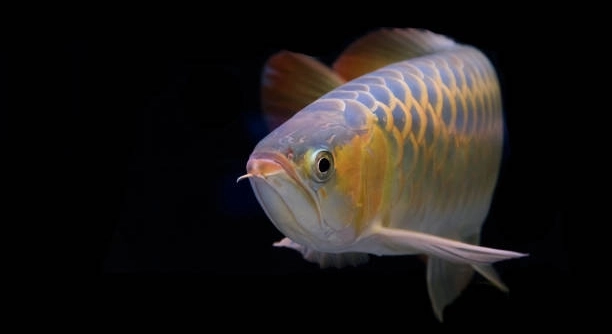
Have you ever noticed the striking beauty of arowanas gliding through rivers and streams, their scales shimmering in sunlight? These majestic fish capture attention not only for their appearance but also for their unique feeding habits.
In the wild, arowanas primarily consume insects, smaller fish, and crustaceans, adapting their diet to seasonal availability and water conditions. In captivity, their diet shifts to pellets, frozen or live foods, and supplemented protein sources for balanced nutrition.
Learning the differences between their natural and captive diets can help ensure these fish remain healthy and thrive in any environment. Proper care starts with understanding what they truly need.
Arowana Diet in the Wild
Arowanas in their natural habitat have a diet that is diverse and highly adaptive. They mainly feed on insects that fall onto the water surface, small fish, crustaceans, and occasionally amphibians. Seasonal changes and water conditions influence the availability of these food sources, causing arowanas to adjust their feeding habits. Young arowanas focus more on insects and small invertebrates, which are easier to catch and digest. As they grow, they gradually target larger prey like fish and crustaceans, which provide more protein and energy for growth. Hunting methods include surface snatching, jumping out of the water to catch insects, and ambushing smaller fish. Their diet in the wild is naturally balanced, supplying the necessary nutrients without human intervention. Understanding this natural feeding behavior is essential for anyone attempting to care for arowanas in captivity, as replicating these conditions ensures health and longevity.
Their natural diet ensures proper growth, energy, and vibrant coloration throughout their life.
Replicating these feeding patterns in captivity can be challenging, but knowing what they naturally eat provides clear guidance for a balanced care routine. Carefully observing their feeding responses helps adjust diets to meet nutritional needs and maintain health.
Feeding Arowanas in Captivity
In captivity, arowanas require a controlled diet that compensates for the lack of natural prey.
Captive arowanas rely on high-quality pellets as the main food source, often supplemented with frozen or live foods like shrimp, feeder fish, and insects. Vitamins and minerals are sometimes added to ensure proper nutrition. Overfeeding can lead to obesity and health issues, so portion control is critical. Feeding frequency typically depends on the fish’s age, with juveniles requiring more frequent meals than adults. Offering a variety of foods helps stimulate natural hunting instincts and prevents boredom, mimicking some of their wild behaviors. Water quality is equally important since leftover food can degrade the environment quickly. Some owners introduce live foods occasionally to encourage exercise and enhance mental stimulation, which contributes to overall wellbeing. By carefully monitoring diet, behavior, and water conditions, captive arowanas can thrive while maintaining strength, color, and natural energy levels similar to those in the wild.
Common Foods for Captive Arowanas
Pellets, live feeder fish, shrimp, and insects make up the primary diet of captive arowanas. Variety is key to ensure balanced nutrition and maintain natural hunting behavior.
High-quality pellets are formulated to meet most of the arowana’s nutritional needs, providing protein, vitamins, and minerals. Supplementing pellets with frozen or live shrimp and insects helps replicate natural feeding habits and adds stimulation. Occasionally feeding small feeder fish encourages exercise and prevents boredom, which supports muscle development and mental alertness. Portion control is critical to avoid overfeeding, which can lead to obesity, digestive issues, and poor water quality. Monitoring the fish’s response to each food type ensures they are receiving adequate nutrition. Regularly alternating foods also helps prevent dietary deficiencies.
Including a mix of pellets, live, and frozen foods provides a balanced approach. Observing the arowana during feeding allows adjustments in portion size and type to match their activity level, growth, and overall health. Keeping a structured feeding schedule supports consistent digestion and energy levels. Proper handling of live foods prevents contamination and maintains tank hygiene. Combining these practices ensures the fish remain strong, healthy, and display their natural vibrant colors.
Seasonal Variations in Wild Diet
Arowanas adjust their diet depending on seasonal availability of food in their natural habitat. Water level changes and rainfall affect insect and fish populations.
During rainy seasons, rivers flood and bring more insects, small fish, and amphibians within reach, allowing arowanas to feed abundantly. In dry seasons, prey becomes scarce, causing them to hunt smaller, less frequent meals. This seasonal fluctuation encourages efficient energy use and selective feeding, helping the fish adapt to varying conditions. Younger arowanas consume smaller prey consistently, while adults can capture larger fish and crustaceans when available. Understanding these patterns helps aquarists replicate some seasonal changes in captivity, adjusting feeding routines to promote natural behavior and health. Observing wild feeding habits provides insight into nutrient needs, portion sizes, and dietary diversity. By mimicking these patterns, captive arowanas can maintain fitness, coloration, and vitality throughout the year.
Nutritional Differences Between Wild and Captive Diets
Wild arowanas consume a variety of natural prey, rich in protein and micronutrients. Captive diets rely more on formulated pellets and frozen or live foods to meet similar nutritional requirements.
Natural prey provides a balance of vitamins, minerals, and natural enzymes that are difficult to replicate fully in captivity. Captive diets must be carefully planned to prevent deficiencies, support growth, and maintain coloration. Live or frozen supplements help mimic wild feeding patterns, but careful monitoring is needed to avoid overfeeding or water contamination. Observing feeding behavior allows adjustments to maintain proper health.
Feeding Frequency Recommendations
Young arowanas require more frequent feeding, typically two to three times daily. Adult fish can be fed once a day or every other day, depending on size and activity.
Treats and Supplements
Occasional treats like earthworms, crickets, or bloodworms provide enrichment and additional nutrients. Regular use supports growth and encourages natural hunting instincts.
Signs of Improper Diet
Arowanas may show slow growth, faded coloration, or reduced activity if their diet is inadequate. Monitoring these signs helps adjust feeding routines quickly.
FAQ
What is the best food for arowanas in captivity?
High-quality pellets are the foundation of a captive arowana’s diet, providing balanced protein, vitamins, and minerals. Supplementing with frozen or live foods such as shrimp, feeder fish, or insects helps maintain natural hunting behaviors and adds dietary variety. Alternating food types prevents deficiencies and encourages mental stimulation.
How often should I feed my arowana?
Juvenile arowanas need two to three meals per day to support rapid growth. Adults can be fed once daily or every other day depending on their size and activity level. Overfeeding can lead to obesity, poor water quality, and digestive issues, so monitoring portion size is essential.
Can arowanas eat live fish?
Yes, live feeder fish can be offered occasionally, but they should be disease-free and sourced safely. Feeding live fish encourages natural hunting behavior and exercise, but overreliance can introduce pathogens or cause nutritional imbalance if used as the primary diet.
Are frozen foods safe for arowanas?
Frozen shrimp, insects, and small fish are safe when thawed properly. They provide essential nutrients and protein while reducing the risk of transmitting diseases. It’s important to avoid overfeeding and remove uneaten portions promptly to maintain water quality.
Do arowanas need vitamins or supplements?
While high-quality pellets meet most nutritional needs, supplements can be useful if feeding live or frozen foods exclusively. Vitamins and minerals support growth, coloration, and overall health, particularly for captive fish with limited diet variety.
What are signs of a poor diet in arowanas?
Slow growth, faded coloration, lethargy, and reduced appetite indicate dietary issues. Digestive problems, bloating, or uneven scale condition may also appear. Observing feeding behavior and adjusting portions or food types helps prevent long-term health problems.
Can arowanas eat insects only?
Insects provide protein but do not cover all dietary needs. A varied diet including pellets, shrimp, and fish ensures sufficient vitamins, minerals, and fatty acids necessary for growth, immune function, and vibrant coloration.
How do seasonal changes affect wild arowana diets?
In the wild, food availability changes with rainfall and water levels. During rainy seasons, insects and small fish are abundant, while dry periods reduce prey. Seasonal shifts influence feeding frequency, prey size, and energy expenditure, which captive care can partially mimic through diet variety and feeding schedules.
Is it okay to feed human food to arowanas?
Human foods are generally unsafe for arowanas. Bread, processed meats, or dairy lack necessary nutrients and can cause digestive problems or water contamination. Sticking to formulated pellets, frozen or live aquatic foods ensures proper nutrition and overall health.
How can I encourage picky arowanas to eat?
Introduce variety gradually and maintain consistent feeding times. Offering live or frozen prey, alternating pellet types, and ensuring water quality can stimulate appetite. Avoid sudden diet changes, as they can cause stress or refusal to eat. Observing preferences helps tailor a suitable diet.
Can overfeeding harm arowanas?
Yes, overfeeding can lead to obesity, fatty liver, digestive blockages, and poor water conditions. Feeding measured portions and monitoring leftovers prevents health issues. Feeding schedules should reflect age, size, and activity levels to maintain a balanced and safe diet.
How do I mimic arowanas’ wild diet in captivity?
Providing a mix of pellets, live, and frozen foods simulates wild conditions. Rotating food types, offering occasional live prey, and adjusting feeding frequency encourages natural hunting instincts and satisfies nutritional needs. Observing behavior ensures adjustments are effective.
Do arowanas need plant-based foods?
Arowanas are primarily carnivorous, but small amounts of plant matter like algae or vegetation can occasionally be offered. It is not essential, but variety can provide trace nutrients and support gut health. Most essential nutrition comes from protein sources.
How much live prey is safe per week?
Offering live prey two to three times weekly is sufficient for enrichment. Excessive live feeding may cause disease or nutritional imbalance. Combine with pellets and frozen foods to maintain a complete diet without overreliance on live sources.
Are there foods to avoid for arowanas?
Avoid processed human foods, overly fatty meats, and spoiled or contaminated live prey. These can lead to digestive issues, illness, or water contamination. Stick to safe, nutrient-rich options to ensure growth, vitality, and overall wellbeing.
Can dietary adjustments improve arowana coloration?
Yes, foods rich in carotenoids and vitamins, like shrimp or fortified pellets, enhance natural colors. Consistent nutrition, combined with a clean tank and proper lighting, helps maintain bright, healthy scales over time.
How do I know if my arowana is getting enough protein?
Healthy growth, active swimming, strong musculature, and shiny scales indicate adequate protein intake. Slow growth, lethargy, or dull coloration may signal protein deficiency, requiring diet adjustments with high-quality pellets or protein-rich supplements.
What is the role of feeding behavior in health monitoring?
Observing feeding habits provides insights into health. Reduced appetite, selective eating, or sudden refusal may indicate illness or nutritional deficiency. Adjusting diet and monitoring closely can prevent serious health issues while ensuring proper nutrient intake.
Is it necessary to feed arowanas at the same time every day?
Consistency helps regulate digestion and energy levels. Feeding at regular intervals reduces stress, prevents overfeeding, and allows the fish to anticipate meals, supporting metabolic and overall health. Flexibility is allowed but should maintain a structured routine.
How long can an arowana go without food?
Adult arowanas can survive several days without food, but prolonged fasting can weaken them and affect immune function. Juveniles require regular feeding to support growth. Monitoring health and adjusting feeding schedules ensures their nutritional needs are met consistently.
What precautions should be taken when introducing new foods?
Introduce one new food at a time, monitor for acceptance and digestive response, and ensure water quality remains stable. Gradual changes prevent stress, digestive upset, or rejection, allowing safe incorporation of dietary variety.
Can overreliance on pellets affect arowanas?
Exclusive pellet diets can be nutritionally adequate if high-quality, but may lack stimulation provided by live prey. Combining pellets with occasional live or frozen foods encourages natural behaviors and supports mental engagement. Monitoring growth, coloration, and activity ensures balance.
Do arowanas eat at night?
Arowanas are primarily surface feeders and tend to be more active during daylight. Some may feed at low light conditions, but night feeding is generally minimal. Scheduling feeding during active periods supports proper digestion and energy use.
How do tank size and environment affect feeding?
Larger tanks allow more movement, making feeding more natural and encouraging exercise. Small tanks restrict activity, potentially causing obesity if portions are not adjusted. Environmental enrichment, such as hiding food or varying presentation, promotes mental and physical health.
Is it safe to feed multiple arowanas together?
Feeding multiple arowanas requires careful portion control and monitoring. Dominant fish may consume more, leaving others underfed. Using separate feeding areas or monitoring individual intake ensures balanced nutrition and reduces stress or aggression.
How important is water quality during feeding?
Maintaining clean water is critical. Uneaten food can decompose, lowering water quality and causing disease. Prompt removal of leftovers, regular water changes, and filtration support a healthy feeding environment. Proper water conditions enhance digestion, growth, and coloration.
Can dietary mistakes be reversed?
Yes, adjusting feeding practices, improving food quality, and correcting portions can restore health over time. Consistent monitoring and observation allow recovery from minor nutritional deficiencies or overfeeding effects. Immediate action prevents long-term issues.
What are the benefits of occasional fasting?
Skipping one meal occasionally for adults can improve digestion, prevent overfeeding, and stimulate natural hunting instincts. Juveniles should not fast frequently due to growth requirements. Controlled fasting supports overall health and balanced metabolism.
How do I store arowana foods properly?
Pellets, frozen, and live foods should be stored in cool, dry, or frozen conditions according to type. Proper storage prevents spoilage, maintains nutrient content, and reduces risk of disease or contamination in the tank. Regular checks of expiration and quality are important.
Are homemade diets effective for arowanas?
Homemade diets can be used with careful planning to meet protein, vitamin, and mineral needs. They must be nutritionally complete and safe. Combining with commercial pellets ensures balance, reduces risk of deficiencies, and supports overall health.
Can arowanas eat small crustaceans?
Yes, shrimp and similar crustaceans are excellent protein sources and help enhance coloration. They should be offered appropriately sized and cleaned to avoid water contamination. Regular inclusion provides nutritional variety and encourages natural feeding behavior.
How do I handle picky eaters?
Introduce new foods gradually, vary textures and types, and maintain consistent feeding times. Observing preferences allows adjustments without causing stress or refusal. Using live or frozen foods can stimulate appetite and encourage active feeding habits.
Are there differences between juvenile and adult dietary needs?
Juveniles need higher protein and more frequent meals to support growth. Adults require fewer calories but still need balanced nutrients. Adjusting portion sizes, food types, and feeding frequency ensures optimal development and long-term health.
Can arowanas adapt to pellet-only diets?
Yes, with high-quality pellets formulated for carnivorous fish, arowanas can thrive on a pellet-only diet. Variety with occasional live or frozen foods enhances stimulation and natural behavior but is not strictly necessary if pellets are nutritionally complete.
What is the ideal protein percentage in arowana diets?
Arowana diets should contain approximately 40–50% protein for juveniles and 35–40% for adults. Protein quality and digestibility are as important as quantity to support growth, coloration, and overall health. Balancing with vitamins and minerals ensures complete nutrition.
Can dietary changes affect arowana temperament?
Yes, insufficient nutrition or sudden changes can lead to stress, aggression, or lethargy. Maintaining a consistent, balanced diet supports calm behavior, proper activity levels, and social interaction when multiple fish are housed together.
How do I prevent diet-related diseases?
Balanced nutrition, portion control, clean water, and proper storage of food prevent common diseases. Observing feeding behavior and adjusting diet based on growth, coloration, and energy levels reduces the risk of health issues.
Is it safe to feed insects from outdoors?
Outdoor insects may carry pesticides, parasites, or pathogens. Only safe, pesticide-free sources should be used, and insects should be cleaned or quarantined. Frozen or commercially bred insects are safer alternatives for reliable nutrition.
How can I tell if my arowana is overfed?
Signs include bloating, slow movement, excess fat deposits, and leftover food in the tank. Reducing portion sizes and maintaining a feeding schedule corrects overfeeding issues while promoting proper digestion and health.
What is the role of enrichment in feeding?
Varying food types, presentation, and occasional live prey encourages natural hunting behaviors, mental stimulation, and exercise. Enrichment improves physical condition, reduces stress, and supports overall wellbeing, especially in captive environments.
Can arowanas eat fish eggs?
Fish eggs are high in protein and nutrients but should be offered sparingly. They can supplement diet variety but are not sufficient as a primary food source. Care must be taken to avoid introducing pathogens.
How do I transition wild-caught arowanas to captivity?
Gradual introduction to pellets and frozen foods, combined with consistent feeding times and water quality management, helps adaptation. Observing feeding response and health indicators ensures successful transition and minimizes stress.
Are there specific brands recommended for arowana pellets?
High-quality brands formulated for carnivorous tropical fish are preferred. Look for pellets with high protein, essential vitamins, and minerals. Rotating brands can help prevent selective feeding while ensuring nutritional completeness.
Can feeding practices extend arowana lifespan?
Consistent, balanced diets with appropriate portions, enrichment, and proper water quality contribute to longevity. Meeting nutritional requirements and observing health indicators directly affects growth, coloration, energy, and overall lifespan.
How important is feeding technique for arowanas?
Using tweezers, feeding rings, or carefully placing food encourages proper intake and reduces waste. Feeding technique supports natural hunting behaviors, prevents aggression among tankmates, and maintains tank hygiene.
Do arowanas require different diets in different seasons?
Adjusting feeding frequency and portion size to mimic natural seasonal variations supports metabolism and natural behavior. More abundant feeding during active periods and slightly reduced intake during slower periods reflects wild dietary patterns.
Is it necessary to monitor weight and growth?
Yes, tracking growth ensures dietary adequacy and identifies potential issues early. Healthy, steady growth reflects proper nutrition, while deviations signal adjustments in feeding routines or diet composition may be needed.
Can dietary mistakes be fatal?
Severe nutritional deficiencies, chronic overfeeding, or toxic foods can cause serious illness or death. Early detection and corrective measures prevent most issues and support long-term health.
How do I balance protein, fats, and vitamins?
Using high-quality pellets combined with occasional live or frozen foods achieves a balanced diet. Observing arowana condition, growth, and behavior ensures nutrients are consumed in proper proportions, supporting health and vitality.
Are there specific feeding tips for large adult arowanas?
Provide fewer meals with larger portions, maintain water quality, and offer occasional live prey for stimulation. Adjust diet to prevent obesity while supporting energy levels and coloration. Monitoring tankmates reduces competition during feeding.
Can stress affect feeding behavior?
Yes, stress from tank conditions, aggression, or poor water quality can reduce appetite. Maintaining a stable environment, balanced diet, and proper tank setup encourages normal feeding habits.
Do arowanas benefit from variety in diet?
Yes, offering pellets, live, and frozen foods encourages natural behavior, provides complete nutrition, and prevents boredom. Variety ensures all essential nutrients are consumed while supporting mental stimulation and physical activity.
How long should arowanas be acclimated to new foods?
Introduce new foods gradually over one to two weeks, monitoring acceptance and digestion. This allows adjustment without causing stress, rejection, or digestive upset, ensuring smooth dietary transitions.
What are the most common feeding mistakes?
Overfeeding, relying exclusively on one food type, sudden diet changes, and poor water management are common errors. Observing behavior and providing a balanced, varied diet prevents health issues and ensures optimal growth.
How does water temperature affect feeding?
Cold water slows metabolism, reducing appetite and digestion. Warm, stable temperatures encourage active feeding and proper nutrient absorption. Adjust feeding schedules based on temperature changes to support health.
Is it necessary to clean the tank after each feeding?
Removing uneaten food prevents water contamination, reduces disease risk, and maintains proper oxygen levels. Regular cleaning supports healthy feeding environments and overall fish wellbeing.
Do arowanas eat plants?
Primarily carnivorous, arowanas rarely consume plants. Small amounts of vegetation may be ingested accidentally or for gut health, but the main diet should focus on protein-rich foods.
How do I prevent aggression during feeding?
Feed multiple fish in separate areas, provide sufficient food, and observe dominant behavior. Structured feeding reduces competition, stress, and ensures each fish receives adequate nutrition.
Can overuse of live food cause problems?
Yes, excessive live feeding can introduce diseases, create nutritional imbalance, and promote dependency. Balance with pellets and frozen foods ensures health, growth, and stimulation without risks.
Are there age-specific feeding recommendations?
Juveniles need higher protein and more frequent meals, adults require fewer calories but balanced nutrients. Adjusting portion size and frequency according to age supports optimal development and long-term health.
How do I know when my arowana is satisfied?
Signs include reduced activity around food, ignoring leftovers, and calm swimming. Monitoring intake ensures proper portion control, prevents overfeeding, and maintains digestive health.
Can dietary mistakes affect reproduction?
Yes, poor nutrition can reduce fertility, egg quality, and spawning success. Balanced protein, vitamins, and minerals are crucial for reproductive health in both males and females.
What is the safest way to introduce new foods?
Introduce one food type at a time, observe acceptance and digestion, and maintain water quality. Gradual introduction reduces stress and ensures dietary balance without compromising health.
Are there feeding considerations for different arowana species?
All arowanas are carnivorous, but prey size, protein needs, and feeding frequency may vary slightly by species. Adjusting diet according to species-specific growth rates and size supports optimal health.
How can feeding routines impact overall behavior?
Consistent routines encourage calm, predictable behavior. Irregular or poor feeding may cause aggression, lethargy, or stress. Structured, balanced feeding supports energy, mental engagement, and social interaction.
Can supplements correct poor coloration?
Yes, carotenoid-rich foods, vitamins, and minerals enhance natural coloration. Combined with a balanced diet and clean environment, supplements support bright, healthy scales.
How do I prevent digestive issues from feeding?
Feed appropriate portion sizes, avoid spoiled or unsafe foods, and provide a balanced diet. Monitoring leftovers and maintaining water quality minimizes risk of digestive upset and promotes overall health.
Is feeding method important for large tanks?
Yes, dispersing food or using feeding tools ensures all fish access meals, reduces competition, and mimics natural hunting behaviors, improving nutrition and tank harmony.
Can overfeeding affect water quality?
Yes, uneaten food decomposes, increasing ammonia and nitrites. Maintaining proper portions, removing leftovers, and regular water changes prevent water quality deterioration and associated health risks.
Do arowanas need protein supplements?
High-quality pellets and varied foods typically meet protein needs. Supplements may be necessary if feeding limited live or frozen foods to prevent deficiencies and support growth, coloration, and energy.
How do I handle dietary emergencies?
Identify the issue quickly, adjust diet or portions, maintain clean water, and monitor behavior and health. Prompt action prevents long-term damage and restores normal feeding patterns.
Can seasonal feeding mimic wild conditions?
Adjusting portion size and frequency according to activity levels simulates natural seasonal variations. This supports metabolism, prevents overfeeding, and encourages natural hunting behaviors in captive environments.
What is the ideal combination of food types?
A balanced diet includes high-quality pellets as a base, supplemented with frozen and live foods. Rotating options ensures protein, vitamins, minerals, and stimulation while reducing the risk of deficiencies or boredom.
How do I monitor diet effectiveness?
Observe growth, coloration, activity, appetite, and digestive health. Adjust food types, portions, and frequency based on these indicators to ensure nutritional adequacy and overall wellbeing.
Can feeding mistakes be prevented entirely?
Careful planning, monitoring, and observation reduce the likelihood of mistakes. Using a balanced, varied diet and maintaining water quality ensures health, proper growth, and optimal behavior in captive arowanas.
**How long does it take for diet changes to show results?
Arowanas are remarkable fish that require careful attention to their diet for optimal health and longevity. Understanding the differences between what they eat in the wild and what is provided in captivity is essential for anyone keeping them. In the wild, arowanas feed on a variety of prey including insects, small fish, crustaceans, and occasionally amphibians. Their diet is naturally balanced and influenced by seasonal changes, water levels, and the availability of food. Young arowanas focus more on smaller prey, while adults gradually target larger fish and crustaceans to meet their energy and protein needs. This variety not only supplies essential nutrients but also stimulates natural hunting behaviors that keep them active and healthy. Observing these patterns in the wild provides valuable insights into replicating their nutritional requirements in a captive environment.
In captivity, arowanas rely on a combination of high-quality pellets, frozen foods, and live prey to meet their dietary needs. Pellets are formulated to provide protein, vitamins, and minerals in a convenient and consistent form, while live or frozen foods help maintain natural instincts and offer additional enrichment. Proper feeding frequency depends on age and size, with juveniles requiring multiple meals per day and adults feeding once daily or every other day. Overfeeding can cause digestive issues, obesity, and water contamination, making portion control critical. Rotating food types ensures a balanced diet and prevents nutritional deficiencies. Occasional treats such as shrimp, insects, or bloodworms also support growth and stimulate activity. Monitoring feeding behavior, appetite, and overall condition helps detect problems early and allows for adjustments before they become serious. Maintaining clean water, proper tank conditions, and stable temperature further supports digestion and overall wellbeing.
Arowanas benefit greatly from careful planning and observation in their feeding routines. Consistency in feeding times and methods encourages healthy digestion and predictable behavior, while variety in food types keeps them mentally stimulated and physically active. Mimicking aspects of their natural diet, such as offering different prey types and occasionally adjusting portions to reflect seasonal changes, can improve overall health and support vibrant coloration. Dietary mistakes can often be corrected with gradual adjustments, but prevention through careful monitoring is always preferable. Providing a balanced diet, proper environment, and attentive care ensures arowanas remain strong, energetic, and visually striking for many years. By understanding both their wild and captive dietary needs, caretakers can confidently maintain their fish’s health, enhance longevity, and create an environment that supports natural behavior while keeping them safe and well-nourished.

Hello,
If you enjoy the content that we create, please consider saying a "Thank You!" by leaving a tip.
Every little bit helps us continue crafting quality advice that supports the health, happiness, and well-being of pets around the world, for pets of all shapes, sizes, and species.
We really appreciate the kindness and support that you show us!