
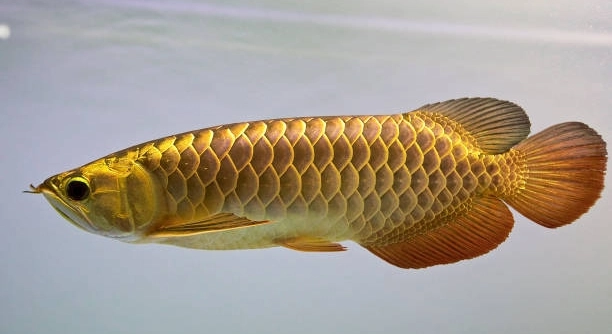
Is your arowana hiding in the corners of its tank, barely moving, and avoiding interaction? Many owners notice this behavior when their fish are first introduced to a new environment or adjusting to changes in their habitat.
Arowanas exhibit shy behavior primarily due to stress, environmental changes, or insufficient acclimation. Factors such as tank size, lighting, water quality, and the presence of other fish can influence their comfort and willingness to explore.
Understanding the reasons behind your arowana’s timid nature can improve its well-being. Small adjustments in care and environment may help your fish feel safer and more confident over time.
Common Causes of Shyness in Arowanas
Arowanas can become shy due to several environmental and behavioral factors. Sudden changes in water temperature or chemistry often trigger stress, making them hide or move slowly. Overcrowding in the tank may cause fear or aggression, preventing the fish from swimming freely. Strong lighting or direct sunlight can also make arowanas retreat to shaded areas. In addition, the introduction of new tank mates can create tension, as arowanas are territorial and need time to adjust. Inadequate hiding spots or decorations may leave them feeling exposed, increasing anxiety. Even handling or tapping on the tank glass can reinforce timid behavior. Understanding each factor helps in creating a more comfortable and stable environment. Adjusting water parameters gradually, providing ample space, and carefully selecting companions can reduce stress. Observing the fish’s daily behavior can provide insights into which conditions make them uncomfortable and how to improve their confidence over time.
Creating a calm environment and avoiding sudden changes encourages your arowana to explore more naturally.
Patience and consistency are key to building trust. Gradual improvements in tank setup and handling can help your fish become more active and less shy.
Improving Tank Conditions
Proper tank conditions are essential for a confident arowana. Maintaining clean water, stable temperatures, and adequate filtration reduces stress and promotes healthy behavior.
Regular water changes, around 25% weekly, help maintain quality and remove harmful chemicals. Using soft lighting and creating shaded areas encourages exploration without overwhelming the fish. Decorations like driftwood, rocks, and plants provide hiding spots, making the tank feel safer. Avoid overcrowding, as each arowana requires ample space to swim and establish territory. Monitoring water parameters such as pH, ammonia, nitrite, and nitrate levels ensures stability and prevents stress-related behavior. Limiting sudden disturbances, like tapping the glass or adding new fish too quickly, can help your arowana feel secure. Over time, these adjustments create a predictable environment where the fish is more likely to venture out, interact, and show natural activity patterns. Observing changes after adjustments allows owners to fine-tune the setup and address remaining issues effectively. Consistency and care are critical in fostering a confident, comfortable arowana.
Feeding and Nutrition
Arowanas may hide if they feel insecure about food availability or if their diet is inconsistent. Providing a balanced, predictable feeding schedule helps them feel secure and encourages normal activity.
Offering high-quality pellets, live foods, and occasional treats ensures proper nutrition and stimulates natural hunting behavior. Rotating protein sources such as shrimp, fish, and insects can prevent boredom and provide essential vitamins. Avoid overfeeding, as leftover food can pollute the tank and increase stress. Observing how your arowana responds to different foods helps identify preferences and dietary needs. Feeding at consistent times daily reinforces routine, reducing anxiety and promoting confidence during mealtime. Small adjustments in quantity and frequency can improve both appetite and energy levels.
Feeding in calm conditions, without disturbances, encourages your arowana to emerge and explore. Over time, it associates mealtime with safety, gradually reducing shy behavior and increasing interaction with its environment.
Social Interaction and Tank Mates
Arowanas are naturally territorial and can become shy when stressed by other fish. Careful selection of tank mates is essential to minimize fear.
Aggressive or overly active fish can intimidate arowanas, causing them to retreat frequently. Larger or similarly sized species are generally safer, as they reduce territorial disputes. Providing ample space and visual barriers helps establish separate zones, allowing each fish to feel secure. Introducing new fish gradually allows the arowana to adapt without feeling threatened. Observing interactions closely can prevent conflicts and identify stress triggers early. Avoid overcrowding, as limited space increases tension and timid behavior. Tank layout adjustments, like adding plants or rocks, help create escape routes and privacy for shy fish. Over time, proper social management can encourage confidence, allowing your arowana to swim more freely and exhibit natural behaviors.
Lighting and Environment
Excessively bright lighting can make arowanas feel exposed, causing them to hide. Soft, diffused light encourages natural exploration and reduces stress, helping the fish feel more secure in its surroundings.
Adding shaded areas, floating plants, or decorations allows your arowana to retreat when needed. This creates a sense of safety and comfort.
Handling and Human Interaction
Frequent tapping on the tank or sudden movements nearby can intimidate arowanas. Minimizing direct disturbances helps them adjust gradually to human presence and reduces shy behavior. Regular, calm observation allows the fish to feel safe without feeling threatened.
Monitoring Health
Shyness can sometimes indicate health issues. Regularly check for signs like unusual swimming, discoloration, or loss of appetite. Early detection helps prevent serious problems and ensures your arowana remains active and confident.
FAQ
Why is my arowana hiding all the time?
Arowanas often hide due to stress, environmental changes, or discomfort in the tank. Sudden shifts in water temperature, poor water quality, or aggressive tank mates can make them retreat. Providing ample space, hiding spots, and stable conditions helps them feel secure and encourages normal activity.
How long does it take for an arowana to become less shy?
The time varies depending on the fish’s personality and tank conditions. Some arowanas adjust in a few days, while others may take weeks. Consistent care, a stable environment, and a predictable feeding schedule speed up the process and build confidence over time.
Can tank size affect arowana behavior?
Yes, smaller tanks can increase stress and timid behavior. Arowanas need enough space to swim freely and establish territory. Overcrowding can lead to fear, hiding, or aggression. A tank that allows natural movement and provides privacy areas improves comfort and reduces shyness.
Do lighting conditions influence shyness?
Bright or harsh lighting can make arowanas feel exposed and vulnerable. Soft, diffused light and shaded areas encourage exploration and reduce stress. Floating plants, driftwood, or other decorations give them safe spots to retreat when needed, helping them gradually feel more confident.
Can diet impact how shy my arowana is?
Yes, a consistent and balanced diet supports health and encourages activity. Irregular feeding or low-quality food can cause stress or lethargy. Providing a mix of high-quality pellets, live foods, and occasional treats helps stimulate natural hunting instincts and encourages the fish to explore its tank.
Are arowanas naturally shy?
Arowanas are cautious and territorial by nature. Some individuals are more timid than others, especially when introduced to new tanks or surroundings. Understanding their natural behavior and providing a secure environment can reduce excessive hiding and improve interaction.
How do tank mates affect arowana confidence?
Aggressive or overly active fish can intimidate arowanas, causing them to hide. Selecting compatible tank mates and providing space for each fish to establish territory reduces fear. Gradual introductions and careful observation help maintain a peaceful environment and build confidence.
What health issues can cause shyness?
Illness or injury can make arowanas more withdrawn. Signs like unusual swimming patterns, discoloration, loss of appetite, or lethargy may indicate health problems. Regular monitoring and prompt treatment ensure the fish remains active and comfortable in its environment.
Does human interaction matter?
Frequent disturbances like tapping the glass or sudden movements can increase fear. Calm, regular observation allows the fish to become accustomed to human presence. Over time, the arowana associates people with safety, which can reduce shyness and encourage normal behavior.
Can environmental enrichment help?
Yes, decorations, plants, and hiding spots provide security and stimulate natural behavior. A varied environment encourages exploration, reduces stress, and gradually builds confidence. Consistent care combined with thoughtful tank setup supports a more active and less timid arowana.
What is the best way to encourage a shy arowana to explore?
Gradually improving water quality, providing hiding spots, and maintaining a consistent feeding schedule are key. Avoid sudden changes or disturbances. Patience and careful observation allow the fish to adjust at its own pace and build confidence naturally.
How often should I check water conditions?
Regular monitoring of pH, ammonia, nitrite, and nitrate levels is essential. Weekly checks, combined with partial water changes, help maintain stability. Stable conditions reduce stress, prevent health problems, and encourage a shy arowana to become more active.
Is it normal for arowanas to hide at first?
Yes, especially in a new tank or after a recent change. Shyness is a natural response to unfamiliar surroundings. Creating a stable environment and offering safe retreat areas helps them adjust more quickly and gradually explore their habitat.
Can stress cause long-term shyness?
Persistent stress from poor water quality, aggressive tank mates, or frequent disturbances can make arowanas habitually timid. Addressing these factors promptly is important. Consistency, careful tank management, and gradual acclimation help reduce long-term shy behavior and improve overall well-being.
How do I know if my arowana is finally comfortable?
Signs include active swimming, regular feeding, and reduced hiding. The fish will explore open areas, interact with its environment, and appear more confident. Observing these behaviors indicates the arowana feels secure, and continued care will help maintain a stable and stress-free habitat.
This FAQ provides practical insights into managing shy arowanas, covering environmental, dietary, social, and health-related factors that influence their behavior and confidence.
Final Thoughts
Arowanas are sensitive and intelligent fish that require careful attention to their environment and daily care. Their shy behavior is often a natural response to stress, changes in their surroundings, or the presence of other fish. Understanding these responses is essential for maintaining their well-being and helping them feel safe. Creating a stable tank environment, with appropriate water conditions, temperature, and lighting, can significantly reduce anxiety. Providing hiding spots, shaded areas, and decorations allows them to retreat when they feel insecure, which encourages gradual exploration and natural behavior over time. Observing their daily habits closely helps identify factors that may cause discomfort, allowing timely adjustments to ensure a comfortable habitat. Over time, consistent care and a well-planned tank layout help your arowana gain confidence and display its full range of behaviors, including swimming freely, hunting for food, and interacting more openly with its surroundings.
Nutrition also plays a critical role in supporting an arowana’s activity and confidence. A balanced diet of high-quality pellets, live foods, and occasional treats ensures they receive the nutrients they need to stay healthy and active. Feeding should follow a predictable schedule, as irregular or inconsistent meals can contribute to stress and shy behavior. Observing your arowana during feeding can provide insight into its preferences and overall health. Small adjustments in diet, combined with calm feeding practices, help the fish feel more secure and reduce hiding tendencies. Consistency in care, including proper feeding, water changes, and tank maintenance, creates a predictable routine that allows your arowana to develop trust in its environment. The more stable and secure the habitat, the more likely the fish is to become confident and active, demonstrating natural behaviors that indicate it is comfortable and healthy.
Social interactions and handling practices are also important in managing shyness. Arowanas are naturally territorial, and the presence of other fish can affect their confidence. Choosing compatible tank mates and introducing them gradually reduces stress and prevents fear-based hiding. Avoiding sudden disturbances, such as tapping on the glass or abrupt movements near the tank, is equally important. Over time, calm and consistent observation helps the fish become accustomed to human presence, reducing anxiety and encouraging exploration. Patience is essential, as building confidence in a shy arowana can take weeks or even months. By addressing environmental, dietary, and social factors, you can create a supportive setting that promotes natural behavior. Ultimately, careful attention to these aspects ensures your arowana thrives in a safe and comfortable habitat, showing more active, confident, and healthy behavior consistently.

Hello,
If you enjoy the content that we create, please consider saying a "Thank You!" by leaving a tip.
Every little bit helps us continue crafting quality advice that supports the health, happiness, and well-being of pets around the world, for pets of all shapes, sizes, and species.
We really appreciate the kindness and support that you show us!