
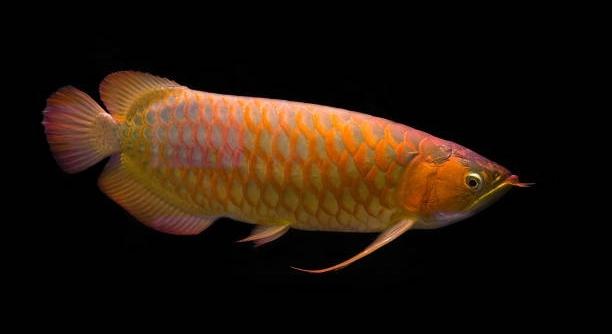
Do you ever notice how quickly some Arowanas grow while others seem to lag behind despite being cared for in similar conditions? Understanding the key influences on their development can make a significant difference in their growth.
Arowana growth is primarily affected by seven factors, including water quality, temperature, diet, tank size, genetics, stress levels, and overall health. Each of these elements plays a measurable role in ensuring optimal growth rates and development.
Properly managing these factors can help your Arowana thrive. Knowing how each one impacts growth will provide practical steps to support healthy development.
Water Quality
Maintaining good water quality is essential for Arowana growth. Dirty or unbalanced water can stunt their development and make them susceptible to diseases. Regular water changes, proper filtration, and monitoring pH, ammonia, nitrite, and nitrate levels are crucial. Arowanas are sensitive to sudden shifts in water chemistry, so gradual adjustments are recommended. Keeping the tank clean also reduces stress, which can directly impact growth. Observing the fish for signs of discomfort or abnormal behavior can help you address water issues early. Using water conditioners and testing kits regularly ensures the environment remains stable. Even slight deviations from optimal parameters can slow growth or weaken immunity. Temperature fluctuations, improper oxygen levels, and accumulated waste can all interfere with digestion and energy, further affecting growth rates. Investing in a reliable filtration system and performing consistent maintenance makes a noticeable difference. Healthy water encourages better appetite, stronger immune systems, and consistent growth, which is essential for raising vibrant, robust Arowanas.
Poor water quality often leads to slow growth, increased illness, and stress-related behavior in Arowanas.
Arowanas rely on stable water conditions for proper development. Pollutants like ammonia and nitrites can damage gills, weaken immunity, and reduce energy for growth. Regularly testing and maintaining the water prevents long-term health issues. Temperature consistency, sufficient oxygen, and clean tanks promote better feeding efficiency and metabolism. Observing the fish for changes in color, activity, or appetite allows early intervention. Using appropriate filtration and changing water in measured amounts avoids shock and maintains chemical balance. Additionally, maintaining proper water hardness and pH ensures that Arowanas grow at their natural pace without complications.
Diet and Nutrition
A balanced diet directly affects Arowana growth, health, and vitality.
Feeding high-quality, protein-rich food ensures strong muscles, vibrant color, and proper development.
Providing a varied diet is crucial for Arowanas. Live or frozen foods like shrimp, insects, and small fish supply essential nutrients, while pellets formulated for carnivorous fish provide stability. Overfeeding can lead to obesity and water pollution, while underfeeding slows growth. Rotating food types prevents deficiencies and encourages natural hunting behavior. Supplements such as vitamins and minerals support skeletal and immune system development. Observing how the fish consumes food helps determine portion sizes and frequency. Feeding in moderation and maintaining consistent schedules enhances digestion and energy utilization. Avoiding processed human foods or low-quality flakes reduces the risk of malnutrition or illness. Proper nutrition works alongside other factors, like tank size and water quality, to support steady, healthy growth over time. Balancing variety, quality, and quantity ensures your Arowana develops fully while staying active and healthy.
Tank Size
Arowanas need large tanks to grow properly. Limited space restricts movement, which can stunt growth and cause stress.
A small tank confines the fish and limits exercise, affecting muscle development and overall health. Crowded conditions increase aggression and competition for food. A minimum tank size of 250 liters is recommended for young Arowanas, with larger tanks needed as they grow. Providing enough swimming space encourages natural behavior, reduces stress, and supports steady growth. Decorations should not overcrowd the tank, allowing room for movement. Proper tank size also helps maintain water quality, as larger volumes are more stable and easier to manage.
Choosing a tank that accommodates an Arowana’s full size is essential. Vertical and horizontal space is necessary for natural swimming patterns. Taller tanks reduce injury risk, while long tanks provide adequate exercise. As the fish grows, upgrading the tank ensures continued development. A suitable tank promotes better feeding, reduces stress, and supports immune function, creating optimal conditions for strong, healthy growth. Regularly assessing space needs and planning for adulthood prevents stunted growth and maintains overall well-being.
Temperature and Environment
Maintaining stable temperature is crucial for Arowana growth and metabolism. Sudden changes can stress the fish and slow development.
Arowanas thrive in water temperatures between 24°C and 28°C. Proper heating ensures metabolic efficiency, digestion, and nutrient absorption. Temperature fluctuations increase susceptibility to disease and reduce appetite. Environmental enrichment, such as hiding spots and open swimming areas, minimizes stress and encourages natural behavior. Consistent lighting cycles support circadian rhythms and overall health, while avoiding direct sunlight prevents algae overgrowth and overheating. Monitoring and adjusting heaters regularly ensures the tank remains within optimal parameters.
A stable environment supports Arowana growth in multiple ways. Consistent temperature enhances enzyme function, improving digestion and energy use. Balanced surroundings reduce stress, which can otherwise suppress immune response and slow development. Proper water flow and aeration maintain oxygen levels, which are essential for metabolism. Providing space, hiding areas, and stable lighting reduces behavioral stress and encourages natural feeding. Together, these environmental factors allow the fish to grow steadily, maintain vibrant coloration, and remain active. Paying attention to these details prevents growth issues and keeps Arowanas healthy throughout their life stages.
Genetics
Genetics play a significant role in determining an Arowana’s growth potential. Some fish naturally grow faster or larger than others due to inherited traits.
Selective breeding affects size, color, and overall vitality. Understanding your fish’s lineage can help set realistic expectations for growth and development.
Stress Levels
Chronic stress can seriously slow Arowana growth and weaken immunity. Stress arises from overcrowding, aggressive tankmates, poor water quality, or sudden environmental changes. Managing stress is essential to maintain healthy growth and prevent disease.
Overall Health
Monitoring overall health ensures consistent growth. Regular observation for signs of illness, injuries, or abnormal behavior allows timely interventions. Maintaining vaccinations or treatments when necessary supports longevity.
FAQ
How often should I change my Arowana’s water?
Regular water changes are essential for maintaining optimal growth. Changing 20–30% of the water weekly helps remove waste, excess nutrients, and toxins. This keeps ammonia and nitrite levels low, supporting healthy metabolism and reducing stress that can stunt growth. Always treat tap water with a conditioner to remove chlorine and heavy metals before adding it to the tank. Monitoring water quality frequently ensures the fish remain in a stable environment.
What is the best diet for Arowanas?
Arowanas thrive on a varied diet rich in protein. Live foods like small fish, shrimp, and insects provide essential nutrients, while high-quality pellets designed for carnivorous fish ensure stability. Supplements, including vitamins and minerals, can support skeletal and immune system development. Avoid overfeeding, which can lead to obesity, water pollution, and slow growth. Feeding small portions multiple times a day promotes proper digestion and energy use. Rotating food types prevents deficiencies and keeps the fish interested in feeding.
How important is tank size for growth?
Tank size directly affects movement, stress levels, and overall development. Small tanks restrict swimming, stunt muscle growth, and increase aggression. A minimum of 250 liters is recommended for young Arowanas, with larger tanks as they mature. Providing sufficient horizontal and vertical space encourages natural behavior and exercise. A spacious tank also helps maintain water quality and reduces the risk of injuries from bumping into decorations. Regularly assessing tank size as the fish grows prevents stunted development and ensures a healthier environment.
Can water temperature affect growth?
Yes, maintaining stable water temperature is crucial. Arowanas thrive between 24°C and 28°C. Fluctuations can stress the fish, suppress appetite, and slow metabolism. Using a reliable heater and thermometer helps maintain consistent conditions. Stable temperature supports digestion, nutrient absorption, and energy use. Proper water circulation and aeration also enhance oxygen levels, which work together with temperature control to optimize growth and overall health.
How does stress influence Arowana development?
Chronic stress slows growth and weakens immunity. Causes include overcrowding, aggressive tankmates, sudden environmental changes, and poor water quality. Minimizing stress through proper tank size, calm surroundings, and stable conditions allows the fish to focus energy on growth. Hiding spots and open swimming areas also reduce behavioral stress.
Are genetics a factor in growth rate?
Yes, inherited traits determine potential size, color, and vitality. Some Arowanas naturally grow faster, while others may remain smaller. Knowing the fish’s lineage helps set realistic expectations and informs care strategies. Genetics also influence susceptibility to disease, stress tolerance, and overall resilience, making it an essential factor in long-term growth management.
What signs indicate poor growth?
Slow growth, pale color, lethargy, and reduced appetite are warning signs. Health problems or poor water conditions are often the root causes. Observing behavior, feeding habits, and appearance helps identify issues early. Prompt adjustments in diet, water quality, and environment can restore healthy development.
Can supplements improve growth?
Yes, supplements can enhance growth when used correctly. Vitamins, minerals, and amino acids support skeletal strength, coloration, and immune function. However, over-supplementing can cause health issues. A balanced diet remains the foundation, with supplements used as a supportive measure rather than a primary source of nutrition.
How frequently should I monitor water quality?
Testing water parameters at least once a week is recommended. Ammonia, nitrite, nitrate, pH, and hardness levels should remain within safe ranges. Monitoring ensures early detection of imbalances, allowing for timely intervention. Consistent observation helps maintain a stable environment, which directly supports healthy growth and prevents stress-related stunting.
Does tank decoration affect growth?
Yes, decorations influence movement and stress. Overcrowded tanks restrict swimming, increasing stress and slowing growth. Hiding spots and plants provide security but should not limit open swimming space. A balanced layout promotes natural behavior, reduces aggression, and supports steady development. Regularly reassessing decorations as the fish grows helps maintain an optimal environment.
What role does feeding schedule play?
Consistent feeding schedules improve digestion and nutrient absorption. Multiple small feedings per day prevent overeating and reduce waste accumulation in the tank. Timing meals consistently also aligns with natural feeding patterns, supporting metabolism and steady growth. Adjusting portions as the fish grows ensures they receive adequate nutrition without compromising water quality.
How can I prevent stunted growth?
Maintaining water quality, proper tank size, stable temperature, balanced nutrition, and minimal stress are key. Regular observation for health issues and prompt intervention ensures the fish can grow at its natural rate. Genetics set the potential, but consistent care allows the fish to reach its full size.
Do Arowanas require social interaction for growth?
Arowanas are territorial and often prefer solitary conditions. Crowding or aggressive tankmates can increase stress, negatively impacting growth. Observing behavior and adjusting tankmates or separation strategies reduces stress and allows the fish to thrive physically and mentally.
Can illness affect growth?
Yes, infections and parasites drain energy from growth. Early detection and treatment are critical. Monitoring appetite, swimming patterns, and color helps catch issues before they become severe. Maintaining clean water and proper nutrition reduces the risk of disease.
Is lighting important for growth?
Moderate, consistent lighting supports natural circadian rhythms, which influence metabolism and appetite. Avoid direct sunlight or overly bright lights that may cause stress. A stable day-night cycle promotes better feeding behavior, activity, and overall health.
How long does it take for an Arowana to reach full size?
Growth rates vary based on genetics, diet, environment, and care. With optimal conditions, it can take several years for an Arowana to reach adult size. Consistency in feeding, water maintenance, and stress reduction ensures the fish reaches its maximum growth potential.
Can overfeeding stunt growth?
Yes, overfeeding leads to obesity, digestive issues, and poor water quality. Excess food decays in the tank, increasing toxins that stress the fish. Feeding in controlled portions prevents these issues and supports steady, healthy growth.
Does tank location affect growth?
Placing the tank in a quiet, stable area reduces stress. Avoid areas with frequent vibration, loud noises, or extreme temperature changes. A calm environment encourages natural behavior, improves appetite, and supports healthy growth.
Are live foods better than pellets?
Live foods stimulate natural hunting behavior and provide high protein content, which supports growth. However, quality pellets offer consistency and essential nutrients. Combining both ensures a balanced diet and encourages optimal development while maintaining convenience and tank cleanliness.
How can I track growth effectively?
Regularly measuring length, observing body condition, and monitoring behavior are practical ways. Keeping a growth log helps identify patterns and detect problems early. Comparing growth with expected benchmarks allows adjustments in care, diet, and environment to maximize development.
Can I improve growth after stunting occurs?
If the stunting is due to environmental or nutritional factors, improvement is possible with immediate intervention. Correcting water quality, diet, tank size, and stress levels can restore healthy growth patterns. However, genetic limitations cannot be reversed, so expectations should remain realistic.
What is the role of oxygen levels in growth?
Adequate oxygen supports metabolism, digestion, and energy use. Insufficient oxygen slows growth, reduces appetite, and weakens immunity. Proper aeration, water flow, and surface agitation maintain oxygenation, ensuring the fish can utilize nutrients efficiently and grow steadily.
Do seasonal changes affect growth?
Yes, seasonal temperature fluctuations can impact metabolism and feeding behavior. Maintaining consistent water temperature and minimizing stress during seasonal shifts supports continuous growth. Adjusting feeding schedules and monitoring water quality helps counter potential seasonal effects.
How important is observation in managing growth?
Frequent observation allows early detection of illness, stress, or environmental issues. Identifying subtle changes in behavior, color, or appetite ensures timely intervention, preventing growth delays and maintaining overall health.
Can multiple factors interact to affect growth?
Yes, poor water quality, inadequate diet, stress, and improper tank size often combine to hinder development. Addressing all factors together provides the best chance for steady, healthy growth and prevents compounding problems.
Is it necessary to upgrade the tank as the fish grows?
Absolutely. A growing Arowana requires more space for swimming, exercise, and proper environmental balance. Upgrading the tank ensures consistent water quality, reduces stress, and supports natural behavior, all of which are essential for reaching full growth potential.
What is the ideal feeding frequency for juveniles versus adults?
Juveniles benefit from multiple small feedings daily to support rapid growth. Adults require fewer, larger portions, as their metabolism slows. Adjusting frequency according to age and activity levels ensures proper nutrition while minimizing waste accumulation in the tank.
How do I balance natural behavior with growth needs?
Providing open swimming areas, hiding spots, and opportunities for foraging encourages natural activity. Avoid overcrowding and aggressive tankmates. Balancing behavior and environmental enrichment with nutritional and water quality needs ensures optimal growth without unnecessary stress.
Can water hardness affect growth?
Yes, water hardness influences mineral availability, which supports bone development and overall metabolism. Maintaining stable, appropriate hardness levels prevents deficiencies and supports healthy skeletal growth. Regular testing ensures levels remain optimal.
Are there signs of optimal growth I should watch for?
Bright coloration, steady appetite, strong swimming, and proportional body development indicate healthy growth. Consistent observation helps ensure the fish is thriving and allows early detection of any issues that could impede growth.
How do I prevent aggression from affecting growth?
Arowanas are territorial. Providing sufficient space, avoiding overcrowding, and monitoring tankmates reduces stress and aggression. Minimizing conflicts allows energy to focus on feeding, growth, and health rather than defense or dominance behaviors.
Does water movement matter?
Moderate water flow simulates natural conditions, supporting oxygenation and swimming activity. Too strong currents can stress the fish, while stagnant water reduces oxygen and increases waste accumulation. Balanced water movement promotes metabolism and steady growth.
Is consistency more important than occasional high-quality care?
Yes, consistent daily care—feeding, water maintenance, and monitoring—ensures stable conditions. Occasional improvements cannot compensate for chronic neglect, which can stunt growth and compromise overall health. Stability is key to maximizing growth potential.
Can I rely solely on visual observation for growth monitoring?
Visual checks are important but should be combined with water testing, measurements, and behavior tracking. Objective monitoring provides a complete picture and ensures timely adjustments to prevent stunting or illness.
Do temperature and diet interact to influence growth?
Yes, proper temperature ensures metabolism functions efficiently, allowing nutrients from diet to be utilized effectively. Suboptimal temperature reduces digestion efficiency, meaning even high-quality diets may not support optimal growth. Managing both together is essential for steady development.
Are there long-term effects of early poor growth?
Yes, early stress, poor nutrition, or suboptimal conditions can result in permanently stunted growth, weaker immunity, or skeletal issues. Correcting conditions later helps, but some effects may remain. Early intervention is critical to prevent lasting impact.
How do I know if supplements are necessary?
Supplements are useful when diet lacks essential nutrients or when fish show signs of deficiency, such as poor color, slow growth, or weak immunity. Overuse should be avoided, and high-quality food should remain the foundation of nutrition.
Does light duration affect growth?
Yes, consistent lighting supports circadian rhythms and appetite, indirectly influencing growth. A regular day-night cycle promotes natural feeding patterns and energy use, supporting steady development. Avoid excessive brightness or darkness, which can stress the fish.
How do I manage growth with multiple Arowanas in one tank?
Ensure sufficient space, reduce competition by providing multiple feeding spots, and monitor interactions. Aggressive or territorial behavior can inhibit growth in subordinate fish. Separating individuals if necessary ensures all can feed and grow without stress.
Can poor water circulation slow growth?
Yes, stagnant areas reduce oxygen levels and nutrient distribution. Adequate circulation ensures consistent water quality, supports metabolism, and prevents localized waste buildup that can harm growth. Proper filtration and flow management are essential.
Is it normal for growth to slow at certain ages?
Yes, Arowanas grow rapidly when young and slow as they mature. Maintaining proper care ensures they reach their full potential. Growth plateaus are natural, and adjustments in feeding and environment can support steady development.
How do I adjust care for seasonal or climate changes?
Monitor water temperature, oxygen levels, and feeding behavior closely. Adjust heaters, aeration, and feeding schedules as needed. Consistency helps prevent stress, maintain metabolism, and support continuous growth regardless of external climate variations.
Can tankmates affect growth?
Yes, aggressive or competitive tankmates can limit feeding and increase stress. Choosing compatible species and observing interactions ensures all fish grow properly and remain healthy.
What is the best way to measure growth?
Measure length and body condition periodically. Documenting growth over time allows comparison with expected benchmarks. Observing appetite, coloration, and activity complements measurements to provide a full picture of development.
How do I prevent overgrowth-related injuries?
Providing sufficient space, smooth tank decorations, and avoiding overcrowding prevents injuries as the Arowana grows. Proper care reduces stress and ensures safe development without physical damage.
Can feeding live prey carry risks?
Yes, live prey may introduce parasites or disease. Source from reputable suppliers and quarantine new additions. Combining live food with high-quality pellets minimizes risk while supporting growth and nutrition.
Does Arowana size influence dietary needs?
Yes, larger fish require proportionally more food. Adjust portion size and frequency as the fish grows to maintain proper nutrition without overfeeding, which can harm water quality and health.
How do I handle sudden slow growth?
Check water quality, diet, stress factors, and health immediately. Correct any issues, adjust feeding schedules, and monitor behavior closely. Early intervention can restore healthy growth patterns before problems worsen.
Are there growth differences between species?
Yes, different Arowana species grow at varying rates and reach different maximum sizes. Knowing the species-specific growth expectations helps plan tank size, diet, and care accordingly.
Can disease recovery impact future growth?
Yes, recovery may slow growth temporarily, as energy is diverted to healing. Once fully recovered and care is consistent, growth can resume normally, but early intervention is crucial to minimize long-term effects.
Do I need to adjust water hardness for growth?
Maintaining stable hardness provides essential minerals for bone development and metabolism. Sudden changes can stress the fish and slow growth. Regular monitoring ensures optimal conditions for steady development.
Is monitoring behavior as important as measuring size?
Yes, behavior reflects stress, appetite, and health. Changes in activity, aggression, or swimming patterns often indicate issues affecting growth. Combined with measurements, behavior monitoring provides a complete assessment of development.
Can multiple minor issues accumulate to affect growth?
Yes, small problems like slight water fluctuations, occasional overfeeding, or minor stress can combine over time to stunt growth. Addressing each factor consistently ensures the fish grows steadily and healthily.
Does feeding technique influence growth?
Yes, ensuring food reaches all fish and is consumed efficiently prevents competition, overeating, or nutrient deficiencies. Using tongs, target feeding, or multiple feeding areas supports balanced growth.
How do I know if my Arowana is reaching full potential?
Observe steady growth, vibrant coloration, strong swimming, and healthy appetite. Consistent care and monitoring, combined with realistic expectations based on species and genetics, indicate whether the fish is developing optimally.
Can minor injuries affect growth?
Yes, injuries may stress the fish or lead to infection, diverting energy from growth. Quick treatment and maintaining a safe environment prevent long-term growth issues.
Are there long-term benefits to strict care?
Yes, consistent water quality, diet, and stress management throughout life maximize growth, health, and lifespan. Early attention to detail ensures the fish reaches its full genetic potential.
Does feeding variety matter?
Yes, rotating foods prevents deficiencies, encourages natural behavior, and supports metabolism. A balanced combination of live, frozen, and pellet foods ensures optimal growth.
Can growth rate indicate health issues?
Yes, slow or uneven growth may signal water quality problems, illness, or nutritional deficiencies. Monitoring growth trends helps detect underlying issues early.
How important is quarantine for new fish?
Quarantining prevents disease introduction, protecting growth and overall health. Even a small infection can disrupt metabolism, appetite, and energy, slowing development in the main tank.
Do seasonal feeding adjustments help growth?
Yes, minor adjustments during cooler or warmer months support metabolism and appetite, ensuring steady growth despite environmental changes.
Is stress reduction more important than extra supplements?
Yes, reducing stress enhances immune function, feeding efficiency, and energy allocation for growth. Supplements alone cannot compensate for a stressful environment.
How does water clarity affect growth?
Clear water improves oxygen exchange, reduces stress, and allows for healthy feeding behavior. Proper filtration and regular maintenance maintain clarity and support steady growth.
Are there signs my tank setup is limiting growth?
Restricted swimming space, aggressive tankmates, or poor water circulation often indicate environmental limitations. Adjusting these factors allows healthier, faster development.
Can adult Arowanas continue growing?
Yes, growth slows with age but continues gradually. Maintaining proper care, diet, and environment ensures adults remain healthy and maintain optimal body condition.
How do I balance care for multiple Arowanas?
Provide enough space, multiple feeding zones, and monitor interactions. Adjust environmental factors and feeding to ensure all individuals grow without stress or competition.
Does water pH influence growth?
Yes, stable pH levels optimize metabolic and enzymatic functions. Sudden shifts can stress the fish, reducing appetite and slowing growth. Regular monitoring ensures a suitable environment.
Can slow growth be reversed?
If caused by environmental, dietary, or stress factors, growth can resume with proper intervention. Genetic limitations, however, cannot be changed. Correcting conditions early maximizes recovery.
How do I prepare for a growing Arowana?
Plan tank upgrades, monitor water quality, adjust feeding, and manage stress. Preparing ahead ensures consistent care and supports steady growth.
Are some water treatments harmful to growth?
Yes, incorrect doses of medications or conditioners can stress the fish or alter water chemistry. Always follow instructions and monitor water parameters carefully.
Do lighting cycles influence appetite?
Yes, consistent day-night cycles regulate feeding behavior and metabolism, supporting steady growth. Inconsistent lighting can disrupt digestion and reduce energy for development.
Can frequent handling affect growth?
Yes, excessive handling increases stress, which can suppress appetite and slow metabolism. Minimal, careful interaction is recommended to prevent growth issues.
Is it necessary to track growth in centimeters or inches?
Yes, accurate measurements help monitor development trends, identify stunting, and adjust care. Documenting changes over time provides a clear picture of health and growth potential.
How do I know when to upgrade tank equipment?
Monitor fish size, water quality, and filter performance. Upgrading heaters
Arowanas are fascinating fish that require consistent care to reach their full potential. Their growth is influenced by several key factors, including water quality, diet, tank size, temperature, genetics, stress levels, and overall health. Each element plays a measurable role in ensuring that the fish develop properly and remain healthy. Neglecting any of these factors can slow growth, increase susceptibility to disease, and create long-term problems that are difficult to correct. Observing the fish daily, maintaining a stable environment, and providing proper nutrition are practical steps that significantly improve the chances of raising a strong and vibrant Arowana. While genetics set the maximum potential, the conditions provided at home largely determine whether the fish achieves it.
Maintaining clean, stable water is one of the most critical aspects of care. Regular testing, water changes, and proper filtration prevent harmful chemicals and toxins from building up in the tank. Balanced pH, ammonia, nitrite, and nitrate levels allow the fish to feed efficiently and digest properly, supporting steady growth. Tank size also directly affects development. Arowanas need room to swim freely, exercise muscles, and display natural behavior. Crowded or small tanks can lead to stress, aggression, and stunted growth. Proper heating and temperature control ensure metabolism and digestion function efficiently, while providing hiding spots and open swimming areas reduces stress and promotes healthy activity. When combined, these environmental factors create a stable and safe habitat where the fish can thrive.
Nutrition and overall health are equally important. Arowanas benefit from a varied diet rich in protein, including live or frozen foods and high-quality pellets. Supplements may support skeletal and immune system development, but the foundation of growth is a balanced diet and consistent feeding schedule. Monitoring the fish for signs of illness, injury, or unusual behavior allows for early intervention, preventing problems that could impair growth. Managing stress, whether from tankmates, environmental changes, or handling, ensures the fish can focus energy on feeding and development. By addressing all these factors together, owners can support steady, healthy growth and help their Arowana reach its full potential while maintaining long-term health and vitality.

Hello,
If you enjoy the content that we create, please consider saying a "Thank You!" by leaving a tip.
Every little bit helps us continue crafting quality advice that supports the health, happiness, and well-being of pets around the world, for pets of all shapes, sizes, and species.
We really appreciate the kindness and support that you show us!