
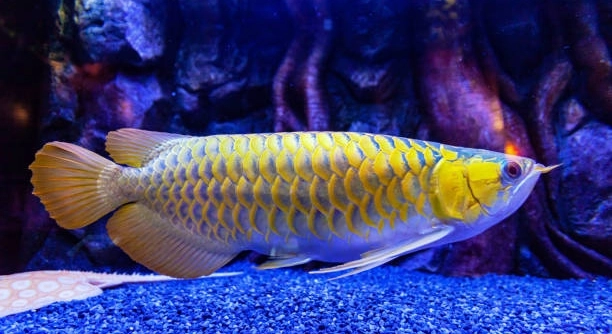
Is your arowana spending more time at the bottom of the tank instead of swimming gracefully through the water as it usually does?
The most common reason your arowana is lying at the bottom is due to stress or poor water quality. Low oxygen levels, sudden temperature changes, or infections can also contribute to this unusual behavior, indicating possible health or environmental issues.
Understanding these causes will help you create a healthier and safer environment for your arowana to thrive once again.
Common Reasons Your Arowana Is Lying at the Bottom
Arowanas are sensitive fish that react quickly to changes in their environment. When they rest at the bottom, it often signals discomfort or illness. Poor water quality is a major factor, as toxins like ammonia or nitrite can stress your fish. Sudden drops in temperature, lack of oxygen, or an unbalanced pH can also cause this behavior. Sometimes, stress from loud noises, frequent tank tapping, or aggressive tank mates may drive them to stay low for safety. Observing these conditions closely can help identify what’s wrong before it becomes a serious problem.
Arowanas also lie at the bottom when they feel weak or tired. This may occur after overfeeding, injury, or when dealing with a developing infection. Keeping track of your fish’s habits makes it easier to notice these subtle changes early.
Testing your water parameters regularly and maintaining a stable environment are key steps in preventing stress and illness.
How to Help Your Arowana Recover
Start by checking the basics. Measure the water temperature, pH, and ammonia levels using a reliable testing kit. Ensure the tank temperature stays around 78–82°F, and perform a partial water change if the readings are off.
Once the environment is stable, observe your arowana for signs of disease such as clamped fins, loss of appetite, or labored breathing. If you suspect an infection, isolate the fish and consider using an antibacterial or antifungal treatment recommended for freshwater species. Avoid overfeeding, as leftover food can quickly deteriorate water quality. Adding an air stone can improve oxygen levels, and reducing tank activity helps your fish relax. Keeping the tank clean and minimizing sudden changes in light or sound will reduce stress. With steady care and attention, your arowana will have a better chance of regaining its strength and returning to its usual, graceful behavior.
Preventing Future Problems
Consistent care keeps your arowana active and healthy. Regular water changes, stable temperatures, and balanced feeding routines are essential. Avoid overstocking your tank and ensure your filtration system can handle the tank’s size and bioload effectively.
Maintaining stable water parameters helps prevent most health issues. Test for ammonia, nitrite, and nitrate weekly to ensure safe levels. Keep decorations smooth and free from sharp edges to avoid injury. Feeding high-quality pellets and occasional live food provides balanced nutrition. Always remove uneaten food to maintain water clarity and prevent bacteria buildup. A consistent schedule for maintenance and feeding keeps your arowana stress-free and active.
Monitoring your arowana’s behavior daily is another simple yet powerful habit. Slow movements, skipping meals, or breathing heavily near the surface can signal early trouble. Catching these changes quickly helps you respond before the issue becomes serious, protecting your fish’s long-term health.
Creating a Comfortable Environment
Arowanas thrive in large, calm spaces with clean water and proper oxygenation. Ensure the tank has a tight lid, as they tend to jump. Soft lighting and steady water flow help them feel secure and reduce stress over time.
Tank setup plays a major role in your arowana’s comfort. A minimum 150-gallon tank gives enough room to swim freely. Keep the water temperature consistent between 78–82°F and the pH between 6.5–7.5. Use gentle filtration to prevent strong currents and position plants or driftwood to create shaded spots. Avoid sudden movements around the tank, as they can startle your fish. Regular cleaning and monitoring keep the tank stable, giving your arowana a calm, healthy environment that supports steady growth and bright coloration.
Signs That Indicate a Serious Issue
When your arowana refuses to eat, gasps near the surface, or shows visible sores, it may be facing a health emergency. Cloudy eyes, bloated belly, or erratic swimming also point to illness or severe stress that requires immediate attention.
If your arowana stays motionless for long periods, has pale coloration, or tilts to one side, check water quality right away. These behaviors often signal toxic buildup or infection. Quick testing and corrective measures can prevent further decline and support your fish’s recovery.
When to Seek Professional Help
If home care and environmental adjustments don’t improve your arowana’s condition within a few days, it’s time to consult a professional. A qualified aquatic veterinarian can perform proper testing and diagnose conditions such as parasites, bacterial infections, or organ problems. Always follow their prescribed treatment carefully and avoid using random medications without guidance. Proper diagnosis ensures your arowana gets the safest and most effective care possible, reducing the risk of worsening the situation or harming its delicate system.
Final Thoughts on Arowana Care
Caring for an arowana takes patience and consistency. Paying attention to small behavioral changes can make a big difference in its overall health and happiness.
FAQ
Why is my arowana lying at the bottom of the tank?
An arowana lying at the bottom usually indicates stress, poor water quality, or illness. Ammonia spikes, temperature changes, and low oxygen are common triggers. Sometimes, it may also rest due to fatigue, minor injury, or sudden disturbances. Always start by checking your water parameters and environment before assuming illness.
How can I tell if my arowana is sick?
A sick arowana may lose its appetite, swim unevenly, or breathe heavily. You might also notice white spots, bloating, or clamped fins. These signs suggest stress or infection. Testing water quality and isolating the fish in a hospital tank can help identify the cause and allow for proper treatment.
Can poor water quality cause my arowana to stop moving?
Yes, poor water quality is a major reason arowanas become inactive. High ammonia or nitrite levels cause irritation, while low oxygen can make breathing difficult. Regular water testing, proper filtration, and partial water changes are essential to maintain a healthy aquatic environment and prevent such behavior.
Should I move my arowana to another tank if it lies at the bottom?
Moving the fish is not always necessary. Relocation can cause more stress unless infection or aggression from other fish is suspected. Instead, improve the current tank’s conditions first. If the situation doesn’t improve after adjustments, then consider temporary isolation for treatment.
What temperature is best for an arowana?
The ideal temperature range for arowanas is between 78°F and 82°F (25°C–28°C). Keeping the temperature stable is more important than chasing exact numbers. Avoid sudden fluctuations, as these can shock your fish and lead to stress or illness over time.
Can overfeeding make my arowana lie at the bottom?
Yes, overfeeding can cause bloating, constipation, and lethargy. Uneaten food also pollutes the water. Feed your arowana once or twice daily, only giving what it can eat within a few minutes. Occasional fasting days help regulate digestion and maintain a healthy appetite.
How often should I clean my arowana’s tank?
Partial water changes of 20–30% once a week are recommended. Clean filters and remove waste buildup regularly without disturbing beneficial bacteria. A consistent cleaning routine helps maintain stable water chemistry, keeping your arowana active and reducing the risk of diseases.
Why does my arowana appear to breathe heavily?
Heavy breathing usually signals poor oxygen levels, high ammonia, or infection in the gills. Increase surface agitation with an air stone or adjust the water flow for better oxygen exchange. If symptoms persist, check for parasites or bacterial gill infections.
Can tank mates stress my arowana?
Yes, arowanas are territorial and easily stressed by smaller or aggressive tank mates. Choose companions of similar size and temperament. Avoid overcrowding and provide enough swimming space to reduce tension. Observing interactions regularly helps prevent bullying or injuries in the tank.
What are the early signs of stress in an arowana?
Stress signs include dull coloration, decreased activity, or sudden darting movements. A stressed fish may also skip meals or stay near the bottom. Identifying and fixing the cause—such as poor lighting, noise, or fluctuating water parameters—prevents further complications.
Can low oxygen cause my arowana to rest at the bottom?
Yes, insufficient oxygen makes your arowana sluggish. You might notice it gasping near the surface or lying still to conserve energy. Ensure good aeration with air pumps or surface agitation to maintain proper oxygen levels throughout the tank.
How can I improve my arowana’s energy levels?
Provide a balanced diet with high-quality pellets and occasional live or frozen food. Keep the water clean and maintain consistent lighting schedules. Regular exercise through open swimming space also keeps your arowana active and reduces boredom.
Why does my arowana sometimes rest during the day?
Arowanas occasionally rest, especially in calm environments or after feeding. Short resting periods are normal and not a concern if other behaviors remain healthy. However, frequent or prolonged resting may signal stress, poor water conditions, or low oxygen levels.
How can I prevent infections in my arowana?
Maintain clean water, avoid overfeeding, and quarantine new fish before adding them to the tank. Disinfect equipment between uses and remove uneaten food quickly. A consistent care routine helps prevent bacteria and parasites from harming your fish.
Can arowanas recover from lying at the bottom?
Yes, recovery is possible with prompt care. Correcting water quality issues, stabilizing temperature, and providing proper nutrition usually help. If illness is present, treatment under guidance from an aquatic veterinarian ensures better chances of full recovery and long-term health.
Final Thoughts
Caring for an arowana takes time, consistency, and observation. These fish are graceful but sensitive, reacting quickly to even small changes in their environment. When an arowana lies at the bottom of the tank, it is not behaving normally—it is communicating that something feels wrong. This behavior often relates to stress, poor water quality, or health issues that can worsen if ignored. By watching your fish closely and responding early, you can often prevent minor problems from becoming serious. Clean water, stable temperature, and balanced nutrition are the foundation of keeping your arowana active and strong. Even small details, such as maintaining quiet surroundings or avoiding sudden movements, can make your fish feel safer and more at ease.
Healthy tank conditions go far beyond appearance; they are about stability and consistency. Arowanas thrive in large, well-maintained spaces where oxygen levels are balanced, and the water is free from harmful toxins. Regular maintenance, like weekly water changes and filter cleaning, keeps their habitat clean and stable. Testing your water regularly helps you spot issues like rising ammonia or low pH before they harm your fish. Lighting and tank size also matter. Bright or erratic lighting can cause stress, while cramped conditions make swimming difficult. Providing enough space and soft lighting creates a calm environment that supports natural movement. Taking a few minutes each day to observe your arowana’s behavior can tell you a lot about its overall condition.
Long-term care for an arowana is about building a stable routine that supports both physical health and comfort. Feeding high-quality food in proper portions, ensuring a balanced diet, and preventing overfeeding help maintain a strong immune system. Avoiding sudden changes—whether in temperature, feeding habits, or tank layout—keeps your fish from becoming anxious or withdrawn. When issues do arise, quick action makes all the difference. Addressing water quality problems, adjusting tank conditions, or seeking professional help ensures your fish gets the care it needs. Arowanas are intelligent and responsive creatures, and their well-being depends on how consistently their environment is managed. With patience, steady attention, and respect for their natural needs, you can enjoy the beauty and grace of your arowana for many years. Caring properly doesn’t just protect your fish—it allows it to live confidently, swim freely, and display the strength and elegance that make arowanas truly remarkable pets.

Hello,
If you enjoy the content that we create, please consider saying a "Thank You!" by leaving a tip.
Every little bit helps us continue crafting quality advice that supports the health, happiness, and well-being of pets around the world, for pets of all shapes, sizes, and species.
We really appreciate the kindness and support that you show us!