
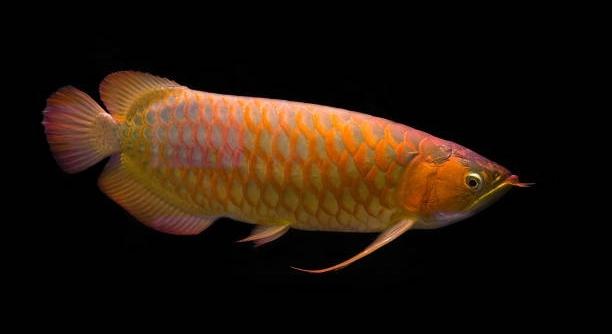
Do you ever find yourself admiring the elegance of an arowana while wondering how much room it truly needs to thrive in your home aquarium? These majestic fish are known for their size and graceful movements, requiring special care.
Arowanas need a substantial amount of space to maintain their health and natural behavior. A tank should be at least 250 gallons for adult fish, with sufficient length and width to allow unrestricted swimming and proper oxygen circulation.
Providing the right environment is essential, as the correct tank size supports both the fish’s growth and overall wellbeing. Proper planning ensures your arowana can flourish in a comfortable aquatic space.
Understanding Arowana Tank Requirements
Arowanas are large, active fish that need space to swim freely. A cramped tank can lead to stunted growth, stress, and health problems. Most adult arowanas require at least a 250-gallon tank, ideally longer than it is tall, to allow natural movement. A tank that is too narrow limits their turning space, which can impact muscle development and overall fitness. Filtration is essential because these fish produce significant waste, and water quality must remain stable to prevent diseases. Decorations should be minimal and positioned to allow open swimming areas. Lighting should mimic natural conditions but avoid excessive brightness that can stress the fish. Regular water changes and testing for ammonia, nitrate, and nitrite levels are critical. Arowanas are strong jumpers, so a secure tank lid is necessary to prevent accidents. Proper planning and tank setup directly affect your arowana’s lifespan and behavior.
Proper tank setup reduces stress and helps your arowana stay healthy while promoting natural growth patterns.
Arowanas also need stable temperature and pH levels. Sudden changes in water conditions can cause illness or reduce appetite. Choosing a tank location away from drafts, direct sunlight, or noisy areas helps maintain a calm environment. Water flow should be moderate to encourage swimming without overwhelming the fish. Using strong filtration and performing weekly water changes ensures consistent water quality. Tank size, shape, and maintenance together create a safe, comfortable space for your arowana to thrive and exhibit natural behaviors.
Choosing the Right Tank Size
A 250-gallon minimum is recommended for adult arowanas to thrive comfortably.
Selecting a tank depends on the species and expected adult size. Asian arowanas can grow over 30 inches, so length is more important than height. A tank should be at least 6 feet long and 2 feet wide, providing enough room to swim and turn without bumping into walls or decorations. Narrow tanks restrict movement, leading to stress and abnormal growth. Arowanas also need headroom, as they frequently jump; a tall, secure lid is crucial. Proper tank size ensures adequate water volume for filtration and reduces rapid changes in water chemistry. Planning for growth from juvenile to adult stages prevents the need for frequent upgrades. Ensuring enough space supports both physical health and natural behaviors, making the fish easier to care for.
Maintaining the proper tank length, width, and water volume is key for an arowana’s long-term health and growth.
Water quality is closely tied to tank size. Smaller tanks require more frequent water changes, as waste accumulates quickly, increasing stress and the risk of disease. Larger tanks maintain stable water parameters more easily and provide space for robust filtration systems. Consistent temperature control is also easier in bigger tanks. Adding plants, driftwood, or rocks should not compromise swimming space, and open areas must be prioritized. Tank material, placement, and secure covers contribute to overall safety. Monitoring water regularly and adjusting equipment when necessary helps maintain ideal conditions. By considering all aspects of tank size, from length and width to filtration and decoration, your arowana can grow strong, remain active, and enjoy a healthy environment that meets its natural needs.
Tank Shape Considerations
Long, rectangular tanks are ideal for arowanas because they allow more swimming space. Tall or narrow tanks restrict movement and can stress the fish. Open swimming areas are more important than decorative features. A secure lid is essential to prevent jumping accidents, and moderate water flow supports activity without causing strain.
Tank shape affects both fish behavior and water quality. Rectangular tanks provide longer swimming paths, which helps maintain muscle tone and natural movement patterns. Narrow or overly tall tanks limit turning ability and can cause stress, leading to a weaker immune system or abnormal swimming. Filtration is more efficient in wider tanks, reducing areas of stagnant water where waste can accumulate. Proper tank dimensions also make it easier to maintain stable water conditions and monitor fish health. Prioritizing shape ensures your arowana has a comfortable and safe environment that encourages normal growth.
Decorations should be chosen carefully to maximize open space. Driftwood, rocks, or plants can create hiding spots, but overcrowding must be avoided. Smooth surfaces prevent injury during sudden movements. Minimalistic setups improve water circulation and reduce stress. By balancing safety and swimming freedom, your arowana can explore the tank naturally.
Juvenile vs. Adult Tank Needs
Juvenile arowanas need smaller tanks initially but require rapid upgrades as they grow. Proper spacing prevents stunted growth and health problems. Adequate swimming room and water volume are essential at every stage of development.
Young arowanas are often kept in 50- to 100-gallon tanks for easier monitoring and feeding control. As they grow quickly, transitioning to larger tanks is critical to avoid stress, deformities, or slowed growth. Filtration and water quality must scale with tank size to handle increased waste. Juveniles are more sensitive to temperature and pH changes, so consistent maintenance is necessary. Planning tank upgrades in advance ensures the fish remain healthy and active. Gradual adjustments help juveniles adapt to new environments without shock, maintaining normal development and behavior.
Adult arowanas demand significantly more space. Tanks of 250 gallons or larger provide room for unrestricted swimming and proper oxygenation. Overcrowding can trigger aggression, stress, or physical injuries, so keeping one fish per tank is recommended unless the space is exceptionally large. Equipment must support the increased water volume, including filtration, heating, and circulation systems. Tank furniture and decorations should be positioned to allow a clear swimming path. Regular maintenance becomes more crucial with adult fish because larger size leads to higher waste production. By anticipating growth from juvenile to adult stages, you can ensure long-term health and comfort for your arowana.
Water Quality and Filtration
Maintaining clean water is essential for arowanas. Strong filtration systems help remove waste and prevent harmful chemical buildup. Regular water testing for ammonia, nitrites, and nitrates ensures a safe environment. Consistent water changes support both health and growth, especially in larger tanks.
Proper circulation prevents stagnant areas, which can stress the fish. Arowanas thrive in well-oxygenated water, so choosing filters that balance flow without creating strong currents is important. Regular maintenance keeps the tank stable, reducing the risk of disease and promoting overall wellbeing.
Temperature and pH Control
Arowanas require stable temperatures, ideally between 75 and 82°F. Sudden changes can stress the fish, affecting appetite and immunity. Maintaining pH around 6.5 to 7.5 supports metabolic and physiological balance. Monitoring equipment and using reliable heaters or chillers ensures consistency throughout the tank.
Tank Decoration Tips
Use minimal decorations to maximize swimming space. Smooth rocks, driftwood, and hardy plants create safe hiding spots while preventing injuries during sudden movements. Avoid overcrowding the tank.
FAQ
How large should my arowana tank be?
For an adult arowana, a tank of at least 250 gallons is recommended. The tank should be long and wide, providing enough space for swimming and turning. Juveniles can start in smaller tanks, around 50–100 gallons, but they grow quickly and will need upgrades to avoid stress and stunted growth.
Can I keep multiple arowanas in one tank?
Keeping more than one adult arowana in a single tank is generally not advised unless the tank is exceptionally large. Arowanas can be aggressive and territorial, and limited space can increase conflicts. If housing multiple juveniles, ensure the tank is sufficiently spacious and provide hiding areas to reduce stress.
What water parameters are best for arowanas?
Arowanas thrive in slightly acidic to neutral water, with a pH between 6.5 and 7.5. Temperature should be stable, ideally between 75 and 82°F. Ammonia and nitrite levels should always remain at 0 ppm, while nitrates should be kept below 20 ppm. Regular water testing and maintenance are essential.
Do arowanas need strong water flow?
Moderate water flow is ideal. Strong currents can stress the fish, while stagnant water leads to oxygen depletion and poor water quality. Filtration systems should ensure consistent circulation without creating turbulence that could interfere with natural swimming patterns.
How often should I change the water?
Weekly water changes of 20–30% are recommended for adult tanks. Smaller tanks or heavily stocked tanks may require more frequent changes. Consistent water changes help maintain chemical balance, prevent disease, and support overall health. Monitoring water parameters before and after changes ensures stability.
What kind of tank decorations are safe?
Keep decorations minimal to maximize swimming space. Smooth rocks, driftwood, and hardy plants work well, creating hiding spots without risking injury. Avoid sharp or rough objects that could harm your arowana during sudden movements or jumps.
Do arowanas jump out of tanks?
Yes, arowanas are strong jumpers. A secure, tightly fitted lid is essential to prevent accidents. Sudden movements, reflections, or disturbances can trigger jumping, so tank placement in a quiet area helps reduce risk.
Can arowanas live in a community tank?
Arowanas are best kept alone or with very large, non-aggressive fish that occupy different areas of the tank. Smaller fish are at risk of being eaten, and aggressive tankmates can provoke stress and injuries. Space and size of the tank are crucial considerations for compatibility.
How fast do arowanas grow?
Arowanas grow quickly in the first year, often reaching 12–18 inches depending on species. Growth slows as they mature, but proper tank size, diet, and water quality directly influence their ultimate size and health. Planning for their adult size early prevents stress and health issues.
What diet supports healthy growth?
A varied diet of high-quality pellets, live or frozen fish, shrimp, and occasional insects ensures proper nutrition. Overfeeding can pollute the water, while underfeeding can stunt growth. Feeding small portions multiple times a day is more effective than a single large meal.
How do I prevent disease in arowanas?
Maintaining clean water, stable temperature, and proper diet reduces disease risk. Quarantining new fish, avoiding overcrowding, and regular observation for unusual behavior or spots help catch health issues early. Early intervention is key to successful treatment and long-term wellbeing.
Are all arowanas suitable for home aquariums?
Not all species are practical for home tanks. Asian arowanas are highly prized but require very large tanks and specialized care. Silver arowanas grow very large but are slightly more adaptable. Researching species requirements ensures you can provide an appropriate environment for long-term health.
How do I know my arowana is happy and healthy?
Healthy arowanas have smooth, shiny scales, consistent swimming patterns, and a good appetite. Stress signs include erratic swimming, loss of appetite, clamped fins, or rubbing against surfaces. Proper tank size, clean water, and balanced nutrition contribute to their overall wellbeing.
Can arowanas recognize their owners?
Arowanas can show recognition through swimming patterns, responding to feeding routines, or following movements outside the tank. While not social in the same way as smaller fish, consistent interaction can build familiarity and reduce stress.
What are common mistakes in arowana care?
Common mistakes include undersized tanks, inconsistent water maintenance, overfeeding, and ignoring signs of stress. Jumping accidents are frequent if lids are unsecured. Planning for adult size, proper filtration, and consistent monitoring prevents many health and behavioral problems.
How often should I upgrade the tank?
Tank upgrades depend on growth rate and species. Juveniles may need new tanks within months, while adults require sufficient long-term space from the start. Upgrading proactively ensures swimming freedom, reduces stress, and supports natural development.
Can arowanas live long in captivity?
With proper care, arowanas can live 10–20 years or more. Tank size, water quality, diet, and attention to health are key factors. Planning for adult size and maintaining consistent conditions contribute to a long, healthy life.
Is it necessary to monitor tank equipment regularly?
Yes, heaters, filters, and lighting should be checked frequently. Equipment failure can cause sudden temperature changes, oxygen depletion, or water contamination. Routine checks prevent stress and maintain stable conditions for your arowana’s wellbeing.
Can I breed arowanas at home?
Breeding arowanas in home aquariums is challenging due to size, territorial behavior, and specialized water requirements. Most hobbyists focus on providing optimal conditions for growth rather than breeding. Professional breeders typically manage reproduction under controlled environments.
How do I handle arowanas safely?
Handling should be minimized and done with care. Use nets with soft mesh and avoid squeezing. Sudden movements can injure the fish or cause jumping accidents. Handling is typically only needed for medical treatment or tank transfers.
Are arowanas compatible with other fish species?
Compatibility depends on size, temperament, and tank space. Large, peaceful fish that occupy different areas of the tank are safest. Small or aggressive species may be eaten or provoke stress, so careful selection is essential for a balanced aquarium.
What signs indicate tank size is insufficient?
Signs include restricted movement, aggression, stunted growth, and stress-related behaviors. Fish may bump into walls or decorations frequently. Upgrading to a larger tank ensures sufficient swimming space and proper development.
How do I maintain stable water chemistry?
Regular testing, partial water changes, and maintaining proper filtration help stabilize ammonia, nitrite, and nitrate levels. Avoid sudden changes in temperature, pH, or hardness, which can stress arowanas and compromise health. Consistency is key to a thriving aquarium.
What equipment is essential for arowanas?
Essential equipment includes a secure lid, large-capacity filter, reliable heater, thermometer, and water testing kits. Optional items include airstones or circulation pumps. Proper equipment ensures a safe and healthy environment for long-term care.
Can arowanas adapt to smaller tanks temporarily?
Temporary housing is possible for short periods, but prolonged confinement in small tanks can cause stress, stunted growth, and health issues. Always plan for adequate long-term space to support natural behavior and proper development.
How do I reduce aggression in arowanas?
Providing sufficient space, hiding spots, and avoiding overcrowding reduces aggression. Maintaining consistent routines and stable water conditions also helps. Aggression is natural but can be managed through careful tank planning and monitoring.
Are there specific lighting requirements?
Moderate lighting that mimics natural day and night cycles is ideal. Avoid excessive brightness, which can stress the fish, or complete darkness, which can affect feeding and activity. Adjustable lighting helps maintain a healthy rhythm.
How do I acclimate a new arowana?
Float the bag in the tank to equalize temperature, then gradually introduce small amounts of tank water over an hour. This reduces stress and prevents shock from differences in temperature, pH, and water chemistry. Slow acclimation is key for healthy adaptation.
Is filtration more important than decorations?
Yes, maintaining water quality is critical. Decorations should not obstruct swimming or compromise filtration. Arowanas need open space, proper circulation, and clean water above decorative complexity. Safe, minimal decorations are sufficient while prioritizing filtration.
Can arowanas live in outdoor ponds?
Some large arowanas can survive in outdoor ponds in suitable climates, but water temperature, oxygen levels, and predator protection must be carefully managed. Outdoor setups require more monitoring and contingency plans for seasonal changes.
How do I prevent jumping accidents?
A secure, fitted lid is essential. Minimizing reflections, vibrations, and sudden disturbances reduces the risk of jumping. Observing behavior and tank location can also prevent accidental escapes or injuries.
What is the best way to feed arowanas?
Feed a balanced diet of pellets, frozen or live fish, shrimp, and occasional insects. Multiple small feedings are better than one large meal. Avoid overfeeding to maintain water quality and support healthy growth.
Can tank mates reduce stress?
Careful selection of large, peaceful tank mates can provide stimulation without provoking aggression. Most arowanas prefer solitude, so overcrowding or incompatible species can increase stress and risk of injury.
How do I recognize illness early?
Watch for changes in appetite, erratic swimming, clamped fins, spots, or discoloration. Early signs allow prompt treatment, preventing serious health issues. Regular observation and water monitoring are essential for prevention and early detection.
Is it okay to use chemical treatments in the tank?
Chemical treatments should be used carefully, following manufacturer instructions and considering tank size. Overuse or incorrect application can harm arowanas or disrupt beneficial bacteria in the filtration system. Only use when necessary for disease control.
How often should I clean the tank?
Weekly partial water changes, filter maintenance, and substrate cleaning help maintain stable water quality. Larger tanks may require less frequent intensive cleaning, but consistent monitoring ensures a healthy environment.
Are arowanas sensitive to noise or vibrations?
Yes, sudden loud noises or vibrations can stress the fish, causing erratic swimming or jumping. Placing the tank in a stable, quiet area reduces stress and supports natural behavior.
Can arowanas recognize feeding times?
Yes, they often respond to routine cues like movement or feeding patterns. Consistent schedules help reduce stress and encourage normal appetite and behavior.
Do arowanas need live food?
Live food can supplement nutrition but is not strictly necessary if a high-quality pellet and frozen diet are provided. Live food can enhance variety and encourage natural hunting behavior.
How do I prevent water parameter fluctuations?
Use stable equipment, avoid overstocking, and perform regular water changes. Gradual adjustments in temperature or pH prevent stress and maintain consistent conditions. Consistency is more important than rapid corrections.
Is it necessary to quarantine new fish?
Yes, quarantining new fish for at least two weeks prevents disease transmission. Observing behavior, appetite, and water parameters before introduction protects established arowanas.
Can arowanas live in brackish water?
Most species prefer freshwater. Some may tolerate slightly brackish conditions, but stable freshwater environments are generally best for long-term health and growth. Sudden salinity changes can stress the fish.
How do I support growth in young arowanas?
Provide adequate space, high-quality nutrition, and stable water conditions. Frequent monitoring and gradual tank upgrades ensure proper development, preventing stunted growth and stress-related problems.
Are arowanas hardy fish?
Arowanas are robust if provided proper care, including sufficient space, clean water, balanced diet, and stable environment. Neglecting these factors leads to illness and reduced lifespan.
How do I handle water emergencies?
Have spare water, filtration backup, and temperature control ready. Rapid intervention during equipment failure or contamination prevents stress, injury, or disease. Consistent monitoring helps detect issues early.
What is the lifespan of a well-cared-for arowana?
With proper care, arowanas can live 10–20 years or more. Tank size, diet, water quality, and consistent monitoring are crucial factors for long-term health and wellbeing.
Can arowanas adapt to different water hardness?
They tolerate moderate variations in hardness but prefer stable, slightly soft to neutral water. Sudden changes can cause stress and health problems. Gradual acclimation is necessary when adjusting water conditions.
Do arowanas need oxygen supplementation?
Aeration is helpful in large tanks or warm water conditions. Airstones or surface agitation ensures adequate oxygen levels and supports overall health.
How can I encourage natural behavior?
Provide open swimming areas, moderate flow, and varied diet. Minimal decorations and stable conditions allow exploration, hunting instincts, and normal activity without stress or injury.
Are arowanas sensitive to light cycles?
Yes, maintaining a consistent day-night cycle supports feeding, activity, and sleep. Sudden changes can cause stress or disrupt normal behavior. Adjustable lighting helps mimic natural conditions.
Can I use automated feeders?
Yes, automated feeders provide consistent feeding schedules, especially when you are away. Ensure portion sizes are appropriate to prevent overfeeding and water quality issues.
How do I manage tank algae?
Regular cleaning, proper lighting, and balanced feeding prevent excessive algae growth. Algae-eating species can help, but open swimming space must remain a priority.
Are there common behavior issues to watch for?
Erratic swimming, aggression, or refusal to eat can indicate stress or health problems. Observing patterns and maintaining optimal conditions helps prevent issues.
How do I transport arowanas safely?
Use a secure container with adequate water volume, stable temperature, and minimal movement. Transport quickly and carefully to reduce stress and prevent injury.
Is tank placement important?
Yes, choose a stable, quiet location away from direct sunlight, drafts, or vibrations. Proper placement reduces stress and encourages natural behavior.
Can arowanas recognize reflections?
They may react to reflections, mistaking them for other fish. Minimizing reflective surfaces can reduce stress and prevent aggression or jumping.
How do I monitor growth?
Measure length periodically and observe body condition. Proper nutrition, water quality, and tank size support healthy growth rates. Keep records for better care planning.
What is the best substrate for arowanas?
Smooth sand or bare-bottom tanks are safest. Avoid sharp gravel that could injure the fish during swimming or jumping. Substrate should be easy to clean and maintain.
Can arowanas survive in small tanks temporarily?
Short-term confinement is possible, but prolonged periods in undersized tanks cause stress, stunted growth, and health problems. Always prioritize adequate space for long-term wellbeing.
Do arowanas need supplemental vitamins?
High-quality commercial diets usually provide sufficient nutrients. Occasional supplementation may help, but overuse can harm water quality and health.
How do I reduce stress during tank maintenance?
Minimize handling, perform gradual water changes, and avoid loud noises or sudden movements. Maintaining consistency in routine helps arowanas remain calm and healthy.
Are arowanas compatible with catfish or large bottom dwellers?
Some large, non-aggressive bottom dwellers can coexist, but space and territorial behavior must be considered. Monitor interactions carefully to prevent stress or injury.
What is the ideal tank lighting duration?
Around 10–12 hours of light per day mimics natural conditions. Gradual transitions between day and night help reduce stress and support normal behavior.
Do arowanas need seasonal adjustments?
Temperature and light consistency are more important than seasonal variation. Sudden changes in environment can stress the fish, so maintain stability year-round.
How do I introduce new tank equipment?
Add new equipment gradually, monitoring water parameters and fish behavior. Sudden changes can cause stress or disrupt established conditions. Proper integration ensures safe operation.
Can arowanas tolerate low oxygen levels?
No, low oxygen can cause stress, reduced appetite, and lethargy. Aeration, circulation, and proper filtration help maintain adequate oxygen levels for healthy activity.
Are arowanas sensitive to chemicals in tap water?
Yes, chlorine and chloramine are harmful. Always treat tap water with appropriate conditioners before adding it to the tank to ensure safety.
How do I manage aggressive behavior in juveniles?
Provide open space, hiding spots, and avoid overcrowding. Observing interactions and separating overly aggressive individuals prevents injury and supports normal development.
What is the best way to acclimate a juvenile arowana?
Float the transport bag in the tank, gradually mixing small amounts of tank water over an hour. This helps the fish adjust to temperature and chemistry safely.
Can arowanas recognize feeding cues from different people?
Yes, they often associate feeding with specific movements or routines. Consistent handling and feeding patterns reduce stress and support normal appetite.
Do arowanas require nightly darkness?
Yes, a clear light-dark cycle is necessary for rest. Continuous light can stress the fish, affecting appetite and behavior.
How do I clean large tanks efficiently?
Use siphons, pre-filters, and partial water changes. Cleaning regularly without disturbing fish too much maintains water quality and reduces stress.
Are arowanas sensitive to sudden movements outside the tank?
Yes, rapid motions or tapping can startle them, causing erratic swimming or jumping. Keeping the surrounding area calm is beneficial.
Can arowanas live in tanks smaller than recommended if well-maintained?
Short-term survival is possible, but long-term health, growth, and behavior are compromised. Adequate space is crucial for overall wellbeing.
Do arowanas need hiding spots?
Minimal hiding areas help reduce stress, especially in tanks with multiple fish or juveniles. Open swimming space remains the priority.
What are signs of stress in arowanas?
Clamped fins, erratic swimming, loss of appetite, rubbing against surfaces, or lethargy indicate stress. Immediate adjustments to environment or water quality can prevent illness.
Can arowanas tolerate fluctuating temperatures?
Sudden temperature changes are harmful. Stable water temperature is essential to prevent stress, disease, and reduced appetite. Gradual adjustments are safer.
How often should I monitor water parameters?
Weekly testing is recommended, with more frequent checks after tank changes or equipment adjustments. Monitoring ensures a stable and safe environment.
Are arowanas sensitive to pH swings?
Yes, rapid shifts in pH can stress the fish and cause health issues. Gradual adjustments and consistent monitoring are necessary.
Do arowanas need a specific tank shape?
Long, rectangular tanks are ideal. They provide ample swimming space, support muscle development, and reduce stress caused by restricted movement.
How do I maintain consistent temperature in large tanks?
Use reliable heaters, chillers, and thermostats. Avoid drafts
Arowanas are beautiful and powerful fish that require careful planning and attention to thrive in captivity. Proper tank size is the foundation of their care, as these fish need ample swimming space to support natural behavior and physical development. A minimum of 250 gallons is recommended for adults, with tanks that are long and wide to allow turning and unrestricted movement. Juveniles can start in smaller tanks but will quickly outgrow them, making gradual upgrades necessary. Choosing the right shape and ensuring sufficient open swimming space is just as important as water volume. Overcrowding or restricted movement can lead to stress, stunted growth, and health problems, so planning ahead is crucial for long-term care.
Water quality and stable environmental conditions are equally important. Arowanas are sensitive to changes in temperature, pH, and chemical levels, so consistent monitoring and maintenance are essential. Proper filtration removes waste and prevents harmful chemical buildup, while regular partial water changes help maintain chemical balance and prevent disease. Moderate water flow encourages activity without creating stress, and minimal decorations ensure swimming areas remain open. Temperature should be kept between 75 and 82°F, and pH should remain slightly acidic to neutral. Monitoring ammonia, nitrites, and nitrates protects the fish from stress-related health issues and supports overall wellbeing. A secure lid is necessary because arowanas are strong jumpers, and tank placement should minimize disturbances, vibrations, and excessive light.
Feeding and nutrition are another cornerstone of care. A varied diet of high-quality pellets, live or frozen fish, and occasional insects provides the nutrients needed for growth and long-term health. Overfeeding can pollute the water, while underfeeding can stunt growth, so feeding small, consistent portions multiple times a day is ideal. Observing behavior, appetite, and swimming patterns helps identify stress or illness early, allowing for timely intervention. Juvenile and adult arowanas have different space and dietary needs, so careful attention to growth stages ensures proper development. By combining thoughtful tank planning, consistent water management, and balanced nutrition, arowanas can live long, healthy lives in captivity, showing their natural beauty and graceful movement in a well-maintained environment.

Hello,
If you enjoy the content that we create, please consider saying a "Thank You!" by leaving a tip.
Every little bit helps us continue crafting quality advice that supports the health, happiness, and well-being of pets around the world, for pets of all shapes, sizes, and species.
We really appreciate the kindness and support that you show us!