
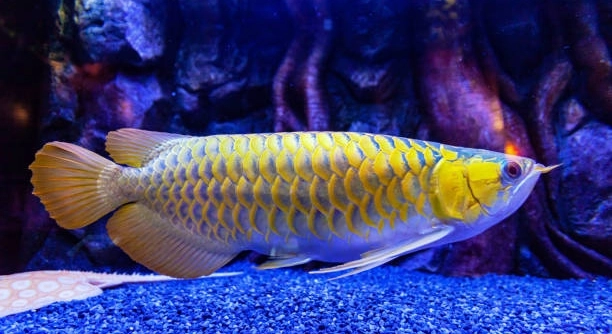
Arowanas are beautiful and energetic fish that often captivate hobbyists with their sleek bodies and shimmering scales. Their active nature sometimes surprises owners, especially when they leap unexpectedly from the water, creating concern and curiosity.
Arowanas jump primarily due to instinctive behavior, stress, poor water conditions, or lack of space. Ensuring proper tank size, maintaining clean water, and reducing sudden disturbances are effective strategies to prevent these jumps and protect the fish.
Understanding why these fish jump and how to minimize it can help maintain a safe and enjoyable environment for your arowana. Proper care makes a significant difference in their health and behavior.
Common Reasons Arowanas Jump
Arowanas are naturally active and agile fish, so jumping is sometimes instinctive. In smaller tanks, they may leap due to limited space or feeling confined. Sudden loud noises, rapid movements near the tank, or tapping on the glass can also startle them, prompting jumps. Water quality plays a significant role; poor conditions like high ammonia, incorrect pH, or temperature fluctuations can stress the fish, increasing their tendency to leap. Diet impacts behavior too. If the fish are not fed properly or consistently, they may jump in search of food. Even slight changes in the environment, like rearranging decorations or moving the tank, can trigger jumping. Observing patterns in their behavior helps identify the triggers. Some arowanas jump during feeding or when exploring their environment. Providing adequate tank space, stable water conditions, and minimal disturbances can reduce these behaviors and keep the fish calmer.
Jumping is mainly caused by stress, environmental changes, and instinctive behavior, which can be mitigated through proper tank setup and care.
Monitoring your arowana’s daily behavior allows you to spot early signs of stress. Adjusting tank conditions, feeding schedules, and surroundings ensures they remain safe. Over time, these small changes create a more secure environment, preventing accidents or injuries from jumps.
Preventing Jumps Effectively
Using a secure tank cover or lid is essential to prevent arowanas from escaping or injuring themselves. A row of floating plants or decorations near the surface can also reduce jumping by providing visual barriers.
Proper tank size is critical. Arowanas require long and wide tanks to swim comfortably. Keeping water clean with regular changes and monitoring pH, temperature, and ammonia levels helps maintain a stable environment. Avoid sudden movements or tapping near the tank to reduce stress. Consistent feeding at scheduled times keeps the fish satisfied and less likely to leap for food. Creating hiding spots with decorations or plants helps them feel secure. Observing behavior for signs of stress or discomfort can prevent jumps before they occur. Each fish is unique, so tailoring the environment to its needs improves overall health and reduces dangerous jumping incidents. Combining these approaches ensures your arowana thrives safely.
Tank Setup Tips
Arowanas need tanks that are both long and wide to allow swimming without restriction. A secure lid is essential to prevent accidental jumps. Decorations should not overcrowd the space but can provide areas to feel safe and reduce stress.
Choosing the right tank size is the first step in preventing jumps. For juvenile arowanas, a minimum of 150 gallons is recommended, but adults require much larger tanks, often 250 gallons or more. The tank should be long enough for the fish to swim in straight lines and wide enough to reduce turning stress. Adding sturdy decorations like rocks or driftwood can create shelter without limiting swimming space. Avoid sharp objects that could injure the fish during jumps. Placement of the tank is also important; it should be in a low-traffic area to minimize sudden disturbances and maintain a calm environment.
Water quality directly affects arowana behavior. Consistent water changes, proper filtration, and monitoring parameters like pH, ammonia, nitrites, and temperature help prevent stress-induced jumping. Aeration and circulation are also essential to maintain oxygen levels and overall tank stability.
Feeding and Behavior Management
Feeding schedules impact jumping behavior. Consistent, balanced meals reduce the likelihood of fish leaping for food. Overfeeding can also cause stress and water quality issues.
Providing a balanced diet supports healthy growth and reduces erratic behavior. High-quality pellets, occasional live food, and frozen treats meet nutritional needs. Avoid sudden changes in diet, which can increase stress. Feeding in predictable patterns trains the fish to expect food at certain times, reducing the urge to jump. Monitor your arowana’s response to different foods and adjust portions to prevent overeating. If the fish becomes overly aggressive during feeding, scatter food to distribute it evenly, reducing competition and stress. Observing these patterns allows you to fine-tune both diet and environment.
Behavior management includes minimizing disturbances and creating a stable routine. Lights, noises, and tank maintenance should follow a consistent schedule. Regular interaction, like gentle observation without tapping, helps the fish become accustomed to its environment. Incorporating plants or floating decorations can reduce surface activity, lowering jump risks. Tracking changes in swimming patterns or appetite provides early signs of stress. Environmental enrichment, including hiding spots and safe areas for exploration, helps maintain mental stimulation while reducing anxiety. Small, consistent adjustments contribute to long-term safety and well-being of the arowana in your care.
Environmental Adjustments
Reducing sudden noises and vibrations near the tank helps calm arowanas. Placing the tank away from doors, speakers, or high-traffic areas lowers stress and decreases jumping incidents. Consistency in the environment is key.
Adding floating plants or gentle decorations near the water surface can limit leaps. These elements give the fish a sense of security while keeping the tank spacious enough for swimming freely.
Monitoring Stress Signs
Watch for rapid gill movement, erratic swimming, or hiding more than usual. These behaviors often indicate stress, which can lead to jumping. Early detection allows you to address problems before they escalate, ensuring the fish remains safe and comfortable.
Lighting Considerations
Gradual light transitions help maintain arowanas’ natural rhythms. Sudden bright lights or flickering can startle them, increasing the chance of jumping. Using timers and soft lighting creates a calmer environment that supports stable behavior.
Tank Lid Importance
A secure, fitted lid is essential to prevent escape and injury. Even active or startled fish can be protected by proper coverage.
FAQ
Why does my arowana jump even though the tank is large?
Even in spacious tanks, arowanas may jump due to stress, sudden disturbances, or instinctive behavior. Environmental changes, loud noises, or quick movements near the tank can startle them. Monitoring their daily behavior and minimizing disruptions often reduces jumping incidents.
Can poor water quality cause jumping?
Yes, poor water conditions are a major factor. High ammonia, nitrite levels, incorrect pH, or fluctuating temperatures stress arowanas. Consistent water testing, regular changes, and maintaining stable parameters help create a safer environment and reduce stress-induced jumping.
How often should I feed my arowana?
Feeding should follow a consistent schedule. Juveniles often need two meals per day, while adults typically do well with one. Balanced portions prevent overfeeding and water pollution. Regular feeding reduces erratic behavior and the urge to leap in search of food.
Do decorations affect jumping behavior?
Decorations can help if placed strategically. Floating plants or gentle barriers near the surface provide a sense of security, lowering surface activity and jumping. Avoid overcrowding, as limited swimming space can increase stress and lead to more leaping.
Is a tank lid necessary for arowanas?
Absolutely. Even calm arowanas can leap unexpectedly. A secure lid prevents injuries and escapes, ensuring safety. Lids also reduce the stress caused by sudden movements outside the tank by creating a more enclosed, stable environment.
How do I recognize stress in my arowana?
Signs include erratic swimming, hiding more than usual, rapid gill movements, and loss of appetite. Observing daily behavior helps detect stress early. Addressing water quality, environment stability, and feeding routines can prevent jumping before it becomes dangerous.
Can lighting affect jumping?
Yes, sudden bright lights or flickering can startle arowanas. Using timers for gradual light transitions and soft lighting helps maintain their natural rhythm and reduces unnecessary jumps.
What type of tank is best for preventing jumps?
Long, wide tanks with minimal obstacles are ideal. Proper dimensions allow natural swimming, reducing stress and sudden movements. Adding secure hiding spots or floating decorations near the surface can also limit jumping while keeping space open for exercise.
Does diet impact jumping?
Diet directly affects behavior. High-quality pellets supplemented with occasional frozen or live food meet nutritional needs. Avoid sudden diet changes, as they can stress the fish. Scattering food can reduce competition and jumping during feeding.
How can I maintain long-term safety for my arowana?
Consistent water quality, proper tank size, secure lids, stable lighting, and predictable feeding routines all contribute to a calm environment. Observing behavior and adjusting as needed ensures the fish stays healthy and reduces the risk of dangerous jumps.
Are certain arowana species more prone to jumping?
Yes, some species, like the silver arowana, are naturally more active and prone to leaping. Understanding your specific species’ behavior helps in tank setup, feeding, and environmental adjustments to minimize jumping.
What should I do immediately after a jump?
Check for injuries and assess water conditions. Adjust any environmental factors that may have caused stress, like sudden noise or disturbance. Providing calm surroundings and monitoring behavior can prevent repeat incidents.
Can tank placement reduce jumping?
Placing the tank in a low-traffic area away from doors, windows, and loud appliances reduces disturbances. A consistent environment with minimal sudden changes helps keep the fish calm.
How do I combine multiple prevention methods?
Use a secure lid, maintain proper water conditions, provide adequate space, consistent feeding, soft lighting, and decorations for comfort. Observing behavior allows you to fine-tune these methods, creating a safer, stress-free environment.
Is jumping always harmful to arowanas?
Not always, but repeated jumps can lead to injuries, stress, and even mortality if they hit tank walls or escape. Preventive measures and careful monitoring help protect your fish from harm.
Can I train my arowana to jump less?
While not “trainable” like pets, consistent routines, feeding schedules, and a calm environment reduce stress and surface activity. Over time, the fish becomes more accustomed to its surroundings, naturally decreasing jumping incidents.
Are juvenile arowanas more likely to jump?
Yes, younger fish are more active and curious. They explore their environment more vigorously, making them more prone to leaping. Proper tank size, secure lids, and consistent care help manage this behavior.
Does water temperature affect jumping?
Sudden changes in temperature can stress arowanas, triggering jumps. Maintaining stable, species-appropriate temperatures reduces stress and encourages calmer swimming behavior.
How important is observation in preventing jumps?
Observation is critical. Daily monitoring allows early detection of stress signs, abnormal behavior, or environmental triggers. Prompt adjustments prevent injuries and ensure the fish remains healthy and secure.
Can floating food prevent jumping?
Distributing food evenly across the tank or using sinking pellets for less aggressive fish can reduce competition and surface activity, lowering the risk of jumps during feeding times.
Are there long-term health benefits to preventing jumps?
Yes. Minimizing jumping reduces stress, injury risk, and behavioral issues. A calm environment supports growth, immunity, and overall well-being, allowing arowanas to thrive safely in captivity.
Arowanas are lively and striking fish that require attentive care to thrive in a home aquarium. Their tendency to jump can be alarming, but understanding the reasons behind this behavior helps prevent injuries and stress. Many factors contribute to jumping, including instinctive behavior, stress, water quality, and tank size. By recognizing these factors, owners can create a safer and more comfortable environment. Observing daily patterns in swimming, feeding, and interaction with the tank provides valuable insight into their needs. Consistent care and attention to detail are essential for keeping arowanas healthy and reducing risky behavior, ensuring they live longer, more secure lives.
Proper tank setup plays a key role in preventing jumping. Arowanas require spacious tanks with ample length and width for swimming, and the addition of secure lids protects them from accidents. Decorations and floating plants can reduce surface activity and provide a sense of safety without restricting movement. Water quality must be monitored and maintained consistently to prevent stress. Regular testing for ammonia, nitrites, pH levels, and temperature ensures stable conditions. Feeding schedules should be consistent and balanced, using high-quality food appropriate for the species. Environmental stability, including gradual lighting transitions and minimal sudden disturbances, encourages calmer behavior. Attention to these details significantly reduces jumping incidents and promotes a more harmonious tank environment.
Behavior management is equally important for long-term well-being. Recognizing signs of stress, such as erratic swimming, hiding, or rapid gill movement, allows timely adjustments to care routines. Combining secure lids, stable water parameters, adequate tank size, balanced feeding, and environmental enrichment creates a safe and comfortable habitat. Monitoring the fish regularly ensures they remain healthy and reduces the risk of sudden jumps or injuries. Over time, these measures establish a calm and predictable environment, which encourages natural behavior while minimizing dangerous activity. By understanding arowanas’ needs and addressing them proactively, owners can enjoy the beauty and elegance of these fish while maintaining their safety and overall health.

Hello,
If you enjoy the content that we create, please consider saying a "Thank You!" by leaving a tip.
Every little bit helps us continue crafting quality advice that supports the health, happiness, and well-being of pets around the world, for pets of all shapes, sizes, and species.
We really appreciate the kindness and support that you show us!