
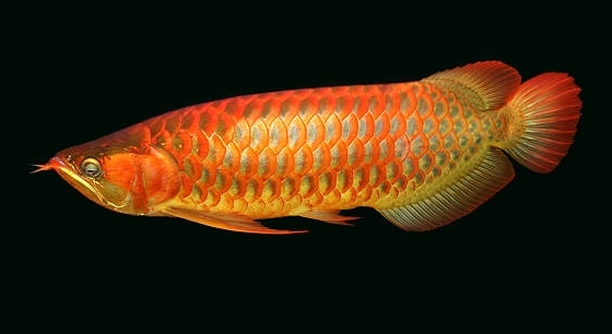
Arowanas are sensitive to vibrations and loud sounds. Keeping them near loud speakers can cause stress, disrupt feeding habits, and potentially weaken their immune system. It is advisable to place aquariums away from strong or constant noise sources.
Managing the aquarium environment goes beyond water quality. Paying attention to sound levels ensures your Arowana thrives in a calm and healthy space.
How Loud Sounds Affect Arowanas
Arowanas are naturally sensitive to their surroundings. Sudden loud noises or constant vibrations from speakers can make them anxious. Stress in fish is not always visible immediately, but over time it affects their behavior and health. You might notice your Arowana swimming erratically, hiding more than usual, or refusing to eat. Their delicate hearing system picks up water vibrations, which means music or other loud sounds can feel overwhelming to them. Creating a stable and calm environment helps them stay healthy and active. Even small amounts of noise can gradually disturb their routine. Aquariums placed near living rooms, offices, or entertainment areas with frequent sound changes can be particularly stressful. Providing hiding spots or background white noise can reduce the impact. Paying attention to these factors ensures your Arowana maintains regular feeding habits, proper growth, and overall wellness. It is always better to be cautious than to deal with long-term health issues.
Controlling the environment with minimal loud sounds is a simple but effective step in keeping your Arowana healthy.
Avoiding constant loud noise ensures your fish feels safe and secure, allowing them to behave naturally. This calm environment supports their growth and reduces stress-related problems.
Practical Tips for Placement
Choose a quiet spot for the tank, away from frequent disturbances.
Place the aquarium in a low-traffic area where vibrations are minimal. Avoid rooms with constant music, TVs, or speakers that can produce high or low-frequency sounds. Positioning the tank on a stable surface reduces vibrations transferred from floors or furniture. Using a tank stand with cushioning or padding can absorb minor tremors. Consider adding plants or decorations that provide natural hiding areas, giving the Arowana a sense of security. Regular observation of behavior is important; if you notice restlessness or unusual hiding, relocating the tank may be necessary. Adjusting the tank’s environment gradually helps them adapt without additional stress. Even changing the tank location slightly can improve comfort, feeding, and activity levels. Consistency in noise levels and lighting will encourage regular habits and overall well-being. With thoughtful placement and minor adjustments, you can create a stable, safe habitat for your Arowana.
Signs of Stress in Arowanas
Restlessness, frequent hiding, or loss of appetite are common signs your Arowana is stressed. Changes in swimming patterns or sudden aggression can also indicate discomfort from environmental factors like loud sounds.
Stress can affect an Arowana’s immune system, making them more prone to diseases. You may notice faded coloration or slow movements if the tank is noisy. Stress also impacts feeding behavior, causing your fish to skip meals or show disinterest in food. Over time, constant exposure to vibrations can stunt growth and reduce activity levels. Monitoring daily behavior and tank conditions can help catch early signs of stress before they become serious. Simple adjustments, like reducing sound or providing more hiding spaces, can significantly improve their well-being.
Behavioral changes often appear subtly, so keeping a close eye on your Arowana is key. Patterns like erratic swimming or avoiding areas near speakers indicate discomfort that should be addressed promptly to maintain a healthy habitat.
Reducing Noise Around the Aquarium
Place the tank on a sturdy surface to minimize vibrations from floors or furniture.
Using rugs or foam pads under the aquarium can absorb minor shocks and reduce sound transmission. Limiting the use of loudspeakers, TVs, or other devices near the tank helps maintain a calm environment. Even background noise from frequent conversations or household appliances can affect sensitive fish over time. Positioning the tank in a low-traffic area ensures fewer sudden disturbances. Regularly checking water quality and temperature is also important, as stress from noise can worsen the effects of poor conditions. Creating a predictable and quiet habitat allows your Arowana to establish normal routines.
Adding decorations, plants, or hiding spots further reduces stress caused by vibrations and noise. Softening sharp surfaces in the tank can limit startled reactions, while consistent lighting and temperature complement the quiet environment. Gradually adjusting any environmental changes allows the fish to adapt without additional stress. Monitoring behavior daily ensures early detection of discomfort, allowing quick intervention. A well-placed, stable, and quiet tank promotes healthy growth, normal feeding patterns, and active swimming. Even small adjustments to reduce sound exposure can significantly improve the fish’s overall health and long-term happiness.
Choosing the Right Location
Keeping the tank away from loudspeakers and high-traffic areas helps reduce stress. Even small vibrations from floors or nearby appliances can disturb your Arowana.
Placing the aquarium in a quieter corner ensures the fish can swim freely without sudden disruptions. Stability in surroundings supports their natural behavior and comfort.
Using Sound-Absorbing Materials
Foam pads, rugs, or tank stands with cushioning can minimize vibrations reaching the water. These materials help dampen noise from both speakers and household movements. Regularly checking for any loose equipment or surfaces ensures the tank remains stable and quiet, which protects your Arowana’s well-being.
Monitoring Daily Behavior
Observe swimming patterns, feeding habits, and coloration changes each day. Sudden changes can indicate stress or discomfort caused by environmental factors. Consistent observation allows quick adjustments, ensuring your Arowana remains healthy, active, and comfortable in its habitat.
FAQ
Can Arowanas hear loud music?
Yes, Arowanas can sense vibrations and sound in the water. While they don’t hear exactly like humans, loud music or sudden noises can cause stress. Prolonged exposure to such sounds may affect their behavior, feeding habits, and overall health.
How close is too close to a speaker?
It is best to keep the aquarium at least several feet away from speakers. Even moderate vibrations can travel through furniture or flooring into the water. Distance, along with using stable stands or padding, helps reduce stress and keeps the fish comfortable.
What are the early signs of stress?
Early signs include hiding more than usual, swimming erratically, and refusing food. Color changes, slower movements, and occasional aggression can also indicate stress. Observing your Arowana daily helps catch these signs before they lead to health problems.
Will occasional loud sounds harm my Arowana?
Short, infrequent loud noises usually won’t cause long-term harm. However, repeated exposure can increase stress levels and affect feeding, growth, and immune function. Minimizing noise as much as possible is the safest approach.
Can adding decorations help reduce stress?
Yes, decorations like plants, driftwood, or rocks create hiding spots. These provide a sense of security and reduce the impact of vibrations from surrounding noise. A more natural environment allows the fish to relax and feel protected.
Does water quality affect stress caused by noise?
Absolutely. Poor water conditions can worsen stress from noise. Maintaining proper temperature, pH, and cleanliness ensures the Arowana’s environment is healthy and helps them cope better with occasional disturbances.
Is it necessary to move the tank if the location is noisy?
If your Arowana shows repeated signs of stress, moving the tank to a quieter area is recommended. Even small adjustments, like relocating away from heavy foot traffic or loud electronics, can significantly improve comfort and behavior.
How can I make my tank quieter without moving it?
Use foam pads, rugs, or cushioned stands to absorb vibrations. Adding plants or decorations can diffuse energy in the water. Even covering a portion of the tank with a sound-absorbing barrier can help. Consistency in the environment reduces stress effectively.
Do Arowanas react differently to high-frequency sounds?
Yes, high-frequency sounds can startle them more than low-frequency vibrations. Sudden or sharp noises, even at moderate volume, may cause panic swimming or hiding. Maintaining a calm environment and avoiding abrupt noises is important for their well-being.
Can regular observation prevent stress-related problems?
Yes, daily monitoring allows you to catch early signs of stress. Adjusting the environment, such as reducing noise or adding hiding spots, helps prevent long-term health issues. Observing feeding, swimming, and coloration patterns ensures the Arowana stays healthy and active.
Is it safe to play music at low volumes near the tank?
Low volumes are generally safe if the sound does not create strong vibrations in the water. Keeping the speakers distant and avoiding constant or sudden loud changes helps maintain a stable, stress-free environment for the fish.
How long does it take for an Arowana to recover from stress?
Recovery time varies depending on the severity and duration of stress. Minor disturbances may only cause a few hours of altered behavior. Chronic stress may take days or weeks to fully resolve once the environment is stabilized and the fish feels safe.
Does the size of the tank affect noise impact?
Larger tanks can buffer some vibrations, but fish are still sensitive. Even in big tanks, repeated loud noises can stress them. Ensuring the tank is stable, well-placed, and insulated from sound is important regardless of size.
Can covering the tank reduce noise stress?
A partial cover may help reduce visual disturbances and some airborne noise, but it does not fully block vibrations. Combining covers with cushioned stands and proper placement offers better protection against stress from sound.
What daily habits help keep an Arowana calm?
Consistent feeding schedules, stable lighting, and minimal sudden noise all help. Observing behavior, maintaining water quality, and providing hiding spots create a predictable environment that reduces stress and encourages natural activity.
How does stress affect long-term health?
Chronic stress weakens the immune system, slows growth, and may cause disease. It can also alter behavior permanently, making fish more prone to hiding, aggression, or irregular feeding patterns. Preventing stress ensures the Arowana remains healthy and active over time.
Are some Arowanas more sensitive to noise than others?
Individual differences exist. Some Arowanas tolerate moderate noise better, while others may react strongly to minor vibrations. Monitoring behavior and adjusting their environment based on their reactions is key to keeping each fish comfortable and healthy.
Can background white noise help?
Gentle, consistent background noise can mask sudden sounds and create a stable auditory environment. Unlike sharp or loud noises, steady, soft sounds are less likely to cause stress, allowing the Arowana to remain calm and behave normally.
Is it necessary to turn off household appliances near the tank?
Not always, but minimizing vibration and loud operational noises is beneficial. Appliances like washing machines or vacuum cleaners near the tank can cause stress. Using cushioned stands or placing the tank further away reduces the impact effectively.
What is the best way to combine all these tips?
Place the tank in a quiet area, use sound-absorbing materials, monitor daily behavior, provide hiding spots, and maintain water quality. Together, these strategies reduce stress, improve health, and help your Arowana feel secure, active, and comfortable in its environment.
Keeping an Arowana healthy and comfortable requires attention to more than just water quality and feeding. One of the key aspects often overlooked is the impact of sound and vibrations in their environment. Loudspeakers, frequent household noises, or constant vibrations can cause stress, which affects behavior, appetite, and overall health. Unlike humans, Arowanas detect vibrations in water and can be sensitive to even moderate sounds. Over time, repeated exposure to noise can make them restless, hide frequently, or even display unusual aggression. By being aware of these effects, you can make adjustments to the aquarium’s placement and surroundings to reduce unnecessary stress.
Placement of the tank plays a major role in keeping your Arowana comfortable. It is best to choose a quiet corner, away from high-traffic areas, loudspeakers, and appliances that create constant vibration. Using a stable stand with cushioning or placing the aquarium on foam pads can further reduce vibrations transmitted from floors or furniture. Adding decorations such as plants, rocks, or driftwood not only creates hiding spaces but also absorbs some of the energy from minor vibrations. Observing daily behavior is crucial, as changes in swimming patterns, appetite, or coloration can indicate stress. By paying attention to these small details, you can maintain an environment that supports your Arowana’s natural behavior and overall health.
Reducing stress goes hand-in-hand with consistent care and monitoring. Maintaining stable water conditions, proper lighting, and a predictable routine supports the fish’s ability to cope with occasional disturbances. Minimizing loud sounds or abrupt changes in the surroundings allows your Arowana to feed, swim, and interact with its environment normally. Even small steps, such as limiting speaker use near the tank or adding sound-absorbing materials, can make a noticeable difference. A calm and stable environment encourages healthy growth, boosts immunity, and reduces the risk of stress-related illness. By combining careful placement, observation, and noise management, you ensure that your Arowana thrives comfortably in its home for years to come.
Have you ever noticed how much sound fills your home from speakers, and wondered if your Arowana might feel the vibrations? Many fish owners consider the effect of noise when setting up their aquariums. Understanding your Arowana’s comfort is important.
Arowanas are sensitive to vibrations and loud sounds. Keeping them near loud speakers can cause stress, disrupt feeding habits, and potentially weaken their immune system. It is advisable to place aquariums away from strong or constant noise sources.
Managing the aquarium environment goes beyond water quality. Paying attention to sound levels ensures your Arowana thrives in a calm and healthy space.
How Loud Sounds Affect Arowanas
Arowanas are naturally sensitive to their surroundings. Sudden loud noises or constant vibrations from speakers can make them anxious. Stress in fish is not always visible immediately, but over time it affects their behavior and health. You might notice your Arowana swimming erratically, hiding more than usual, or refusing to eat. Their delicate hearing system picks up water vibrations, which means music or other loud sounds can feel overwhelming to them. Creating a stable and calm environment helps them stay healthy and active. Even small amounts of noise can gradually disturb their routine. Aquariums placed near living rooms, offices, or entertainment areas with frequent sound changes can be particularly stressful. Providing hiding spots or background white noise can reduce the impact. Paying attention to these factors ensures your Arowana maintains regular feeding habits, proper growth, and overall wellness. It is always better to be cautious than to deal with long-term health issues.
Controlling the environment with minimal loud sounds is a simple but effective step in keeping your Arowana healthy.
Avoiding constant loud noise ensures your fish feels safe and secure, allowing them to behave naturally. This calm environment supports their growth and reduces stress-related problems.
Practical Tips for Placement
Choose a quiet spot for the tank, away from frequent disturbances.
Place the aquarium in a low-traffic area where vibrations are minimal. Avoid rooms with constant music, TVs, or speakers that can produce high or low-frequency sounds. Positioning the tank on a stable surface reduces vibrations transferred from floors or furniture. Using a tank stand with cushioning or padding can absorb minor tremors. Consider adding plants or decorations that provide natural hiding areas, giving the Arowana a sense of security. Regular observation of behavior is important; if you notice restlessness or unusual hiding, relocating the tank may be necessary. Adjusting the tank’s environment gradually helps them adapt without additional stress. Even changing the tank location slightly can improve comfort, feeding, and activity levels. Consistency in noise levels and lighting will encourage regular habits and overall well-being. With thoughtful placement and minor adjustments, you can create a stable, safe habitat for your Arowana.
Signs of Stress in Arowanas
Restlessness, frequent hiding, or loss of appetite are common signs your Arowana is stressed. Changes in swimming patterns or sudden aggression can also indicate discomfort from environmental factors like loud sounds.
Stress can affect an Arowana’s immune system, making them more prone to diseases. You may notice faded coloration or slow movements if the tank is noisy. Stress also impacts feeding behavior, causing your fish to skip meals or show disinterest in food. Over time, constant exposure to vibrations can stunt growth and reduce activity levels. Monitoring daily behavior and tank conditions can help catch early signs of stress before they become serious. Simple adjustments, like reducing sound or providing more hiding spaces, can significantly improve their well-being.
Behavioral changes often appear subtly, so keeping a close eye on your Arowana is key. Patterns like erratic swimming or avoiding areas near speakers indicate discomfort that should be addressed promptly to maintain a healthy habitat.
Reducing Noise Around the Aquarium
Place the tank on a sturdy surface to minimize vibrations from floors or furniture.
Using rugs or foam pads under the aquarium can absorb minor shocks and reduce sound transmission. Limiting the use of loudspeakers, TVs, or other devices near the tank helps maintain a calm environment. Even background noise from frequent conversations or household appliances can affect sensitive fish over time. Positioning the tank in a low-traffic area ensures fewer sudden disturbances. Regularly checking water quality and temperature is also important, as stress from noise can worsen the effects of poor conditions. Creating a predictable and quiet habitat allows your Arowana to establish normal routines.
Adding decorations, plants, or hiding spots further reduces stress caused by vibrations and noise. Softening sharp surfaces in the tank can limit startled reactions, while consistent lighting and temperature complement the quiet environment. Gradually adjusting any environmental changes allows the fish to adapt without additional stress. Monitoring behavior daily ensures early detection of discomfort, allowing quick intervention. A well-placed, stable, and quiet tank promotes healthy growth, normal feeding patterns, and active swimming. Even small adjustments to reduce sound exposure can significantly improve the fish’s overall health and long-term happiness.
Choosing the Right Location
Keeping the tank away from loudspeakers and high-traffic areas helps reduce stress. Even small vibrations from floors or nearby appliances can disturb your Arowana.
Placing the aquarium in a quieter corner ensures the fish can swim freely without sudden disruptions. Stability in surroundings supports their natural behavior and comfort.
Using Sound-Absorbing Materials
Foam pads, rugs, or tank stands with cushioning can minimize vibrations reaching the water. These materials help dampen noise from both speakers and household movements. Regularly checking for any loose equipment or surfaces ensures the tank remains stable and quiet, which protects your Arowana’s well-being.
Monitoring Daily Behavior
Observe swimming patterns, feeding habits, and coloration changes each day. Sudden changes can indicate stress or discomfort caused by environmental factors. Consistent observation allows quick adjustments, ensuring your Arowana remains healthy, active, and comfortable in its habitat.
FAQ
Can Arowanas hear loud music?
Yes, Arowanas can sense vibrations and sound in the water. While they don’t hear exactly like humans, loud music or sudden noises can cause stress. Prolonged exposure to such sounds may affect their behavior, feeding habits, and overall health.
How close is too close to a speaker?
It is best to keep the aquarium at least several feet away from speakers. Even moderate vibrations can travel through furniture or flooring into the water. Distance, along with using stable stands or padding, helps reduce stress and keeps the fish comfortable.
What are the early signs of stress?
Early signs include hiding more than usual, swimming erratically, and refusing food. Color changes, slower movements, and occasional aggression can also indicate stress. Observing your Arowana daily helps catch these signs before they lead to health problems.
Will occasional loud sounds harm my Arowana?
Short, infrequent loud noises usually won’t cause long-term harm. However, repeated exposure can increase stress levels and affect feeding, growth, and immune function. Minimizing noise as much as possible is the safest approach.
Can adding decorations help reduce stress?
Yes, decorations like plants, driftwood, or rocks create hiding spots. These provide a sense of security and reduce the impact of vibrations from surrounding noise. A more natural environment allows the fish to relax and feel protected.
Does water quality affect stress caused by noise?
Absolutely. Poor water conditions can worsen stress from noise. Maintaining proper temperature, pH, and cleanliness ensures the Arowana’s environment is healthy and helps them cope better with occasional disturbances.
Is it necessary to move the tank if the location is noisy?
If your Arowana shows repeated signs of stress, moving the tank to a quieter area is recommended. Even small adjustments, like relocating away from heavy foot traffic or loud electronics, can significantly improve comfort and behavior.
How can I make my tank quieter without moving it?
Use foam pads, rugs, or cushioned stands to absorb vibrations. Adding plants or decorations can diffuse energy in the water. Even covering a portion of the tank with a sound-absorbing barrier can help. Consistency in the environment reduces stress effectively.
Do Arowanas react differently to high-frequency sounds?
Yes, high-frequency sounds can startle them more than low-frequency vibrations. Sudden or sharp noises, even at moderate volume, may cause panic swimming or hiding. Maintaining a calm environment and avoiding abrupt noises is important for their well-being.
Can regular observation prevent stress-related problems?
Yes, daily monitoring allows you to catch early signs of stress. Adjusting the environment, such as reducing noise or adding hiding spots, helps prevent long-term health issues. Observing feeding, swimming, and coloration patterns ensures the Arowana stays healthy and active.
Is it safe to play music at low volumes near the tank?
Low volumes are generally safe if the sound does not create strong vibrations in the water. Keeping the speakers distant and avoiding constant or sudden loud changes helps maintain a stable, stress-free environment for the fish.
How long does it take for an Arowana to recover from stress?
Recovery time varies depending on the severity and duration of stress. Minor disturbances may only cause a few hours of altered behavior. Chronic stress may take days or weeks to fully resolve once the environment is stabilized and the fish feels safe.
Does the size of the tank affect noise impact?
Larger tanks can buffer some vibrations, but fish are still sensitive. Even in big tanks, repeated loud noises can stress them. Ensuring the tank is stable, well-placed, and insulated from sound is important regardless of size.
Can covering the tank reduce noise stress?
A partial cover may help reduce visual disturbances and some airborne noise, but it does not fully block vibrations. Combining covers with cushioned stands and proper placement offers better protection against stress from sound.
What daily habits help keep an Arowana calm?
Consistent feeding schedules, stable lighting, and minimal sudden noise all help. Observing behavior, maintaining water quality, and providing hiding spots create a predictable environment that reduces stress and encourages natural activity.
How does stress affect long-term health?
Chronic stress weakens the immune system, slows growth, and may cause disease. It can also alter behavior permanently, making fish more prone to hiding, aggression, or irregular feeding patterns. Preventing stress ensures the Arowana remains healthy and active over time.
Are some Arowanas more sensitive to noise than others?
Individual differences exist. Some Arowanas tolerate moderate noise better, while others may react strongly to minor vibrations. Monitoring behavior and adjusting their environment based on their reactions is key to keeping each fish comfortable and healthy.
Can background white noise help?
Gentle, consistent background noise can mask sudden sounds and create a stable auditory environment. Unlike sharp or loud noises, steady, soft sounds are less likely to cause stress, allowing the Arowana to remain calm and behave normally.
Is it necessary to turn off household appliances near the tank?
Not always, but minimizing vibration and loud operational noises is beneficial. Appliances like washing machines or vacuum cleaners near the tank can cause stress. Using cushioned stands or placing the tank further away reduces the impact effectively.
What is the best way to combine all these tips?
Place the tank in a quiet area, use sound-absorbing materials, monitor daily behavior, provide hiding spots, and maintain water quality. Together, these strategies reduce stress, improve health, and help your Arowana feel secure, active, and comfortable in its environment.
Keeping an Arowana healthy and comfortable requires attention to more than just water quality and feeding. One of the key aspects often overlooked is the impact of sound and vibrations in their environment. Loudspeakers, frequent household noises, or constant vibrations can cause stress, which affects behavior, appetite, and overall health. Unlike humans, Arowanas detect vibrations in water and can be sensitive to even moderate sounds. Over time, repeated exposure to noise can make them restless, hide frequently, or even display unusual aggression. By being aware of these effects, you can make adjustments to the aquarium’s placement and surroundings to reduce unnecessary stress.
Placement of the tank plays a major role in keeping your Arowana comfortable. It is best to choose a quiet corner, away from high-traffic areas, loudspeakers, and appliances that create constant vibration. Using a stable stand with cushioning or placing the aquarium on foam pads can further reduce vibrations transmitted from floors or furniture. Adding decorations such as plants, rocks, or driftwood not only creates hiding spaces but also absorbs some of the energy from minor vibrations. Observing daily behavior is crucial, as changes in swimming patterns, appetite, or coloration can indicate stress. By paying attention to these small details, you can maintain an environment that supports your Arowana’s natural behavior and overall health.
Reducing stress goes hand-in-hand with consistent care and monitoring. Maintaining stable water conditions, proper lighting, and a predictable routine supports the fish’s ability to cope with occasional disturbances. Minimizing loud sounds or abrupt changes in the surroundings allows your Arowana to feed, swim, and interact with its environment normally. Even small steps, such as limiting speaker use near the tank or adding sound-absorbing materials, can make a noticeable difference. A calm and stable environment encourages healthy growth, boosts immunity, and reduces the risk of stress-related illness. By combining careful placement, observation, and noise management, you ensure that your Arowana thrives comfortably in its home for years to come.

Hello,
If you enjoy the content that we create, please consider saying a "Thank You!" by leaving a tip.
Every little bit helps us continue crafting quality advice that supports the health, happiness, and well-being of pets around the world, for pets of all shapes, sizes, and species.
We really appreciate the kindness and support that you show us!