
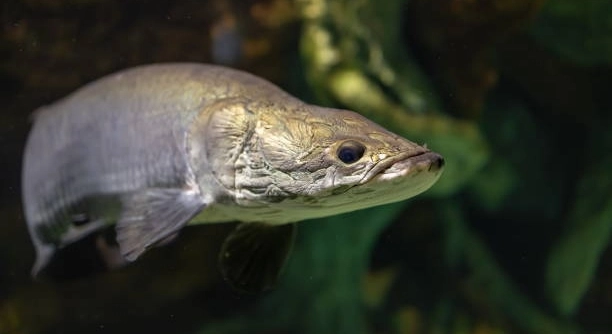
Arowanas are among the most admired freshwater fish, celebrated for their elegance and vibrant colors. Their unique appearance and graceful movements make them popular choices for both hobbyists and serious aquarium enthusiasts alike.
The seven most popular arowana varieties include the Asian, Silver, Jardini, Super Red, Golden, Platinum, and Crossback Golden arowanas. Each variety differs in coloration, size, and care requirements, providing diverse options for aquarists with varying levels of experience.
Knowing the differences between these arowanas can make selecting the right fish easier and more enjoyable for your home aquarium.
Asian Arowana
Asian arowanas are prized for their metallic sheen and striking body patterns. They can grow up to three feet in captivity, requiring large tanks and careful maintenance. Their scales are highly reflective, often appearing red, gold, or green, depending on the specific type. Feeding should be balanced, with a mix of live and prepared foods. These fish are sensitive to water quality, so regular monitoring of pH, temperature, and filtration is crucial. Proper tank setup includes hiding spots and minimal stress conditions, as these fish can be shy initially. The investment in care is significant, but they offer a stunning display that draws attention in any aquarium setting. They are often seen in specialized displays, reflecting their status and rarity. Their long lifespan means commitment, but also long-term enjoyment. Many choose Asian arowanas for their elegance and the challenge of maintaining a pristine environment.
Asian arowanas require meticulous care and attention to tank conditions, but they reward patience with remarkable beauty and presence.
Selecting an Asian arowana means committing to proper space, nutrition, and water quality. Their unique coloration and size can transform an aquarium into a striking showcase. Care routines must be consistent, ensuring stress-free conditions. Choosing the right specimen involves considering tank size, health, and color vibrancy. These fish are more than decorations—they are long-term companions for those willing to provide the attention they need. With careful planning, they can thrive, displaying their natural elegance.
Silver Arowana
Silver arowanas are recognized for their long, sleek bodies and silvery scales, often reflecting light dramatically in the tank.
They can grow over three feet, requiring tall aquariums and strong filtration to accommodate their size and swimming habits.
Silver arowanas are active hunters and appreciate open swimming space. They can leap from the water, so tanks need secure covers. Feeding includes insects, small fish, and pellets, offering protein-rich nutrition. Maintaining stable water temperature and pH is critical, as fluctuations can stress them. These fish have a calm temperament when housed alone or with compatible species. Observing their movements provides a dynamic and engaging display, making them a centerpiece in large home aquariums. They are hardy but need consistent care to reach full size and coloration, and their reflective scales make them visually captivating. Regular maintenance ensures a healthy environment, preventing disease and promoting growth. Proper socialization and minimal handling reduce stress.
Silver arowanas offer impressive size, active swimming behavior, and shimmering scales that enhance any spacious tank.
Jardini Arowana
Jardini arowanas are smaller than some other varieties but are known for their strong build and metallic body colors. Their scales often feature green, silver, or reddish hues that become more vivid with age. They are native to Australia and are prized for their adaptability in captivity. Despite their smaller size, they require a well-maintained tank with enough swimming space. Feeding should include a mix of live foods, such as small insects or shrimp, and high-quality pellets. These fish are generally peaceful but can show territorial behavior, especially in confined spaces. Maintaining proper water conditions and a balanced diet is essential for their growth and coloration. Their relatively manageable size makes them a popular choice for those who want a striking arowana without committing to a massive tank. They respond well to attentive care and can live for over a decade when kept in optimal conditions.
Jardini arowanas combine beauty and adaptability, requiring attentive care to thrive in home aquariums.
Their vibrant scales and manageable size make them suitable for aquarists seeking a visually striking yet less demanding fish. Proper diet, tank space, and water quality are essential. Observing their curious and graceful movements adds dynamic interest to the aquarium. Consistency in care encourages natural behavior and enhances coloration. Selecting a healthy specimen ensures long-term enjoyment.
Super Red Arowana
Super Red arowanas are renowned for their intense red coloration, which deepens as they mature.
They require large, well-filtered tanks to support their growth and swimming habits, along with stable water conditions.
The Super Red arowana demands careful attention to diet and tank maintenance. High-protein foods like shrimp, worms, and specialized pellets help maintain vibrant colors and overall health. Their large size necessitates a tank of at least 250 gallons, with ample swimming space and secure coverings to prevent accidents. Water quality must be consistently monitored, including temperature, pH, and ammonia levels. They are sensitive to stress, so tank mates should be chosen carefully. Regular observation allows early detection of illness or injury. With proper care, these fish grow into striking, vividly colored specimens that become the centerpiece of any aquarium. Their elegance and intensity in appearance require a serious commitment but offer significant visual reward. Proper planning and maintenance ensure longevity and health, allowing them to thrive beautifully.
Super Red arowanas offer unmatched color intensity and elegance but require strict care and tank conditions to flourish.
Golden Arowana
Golden arowanas are valued for their bright, metallic gold scales and regal appearance. Their size and coloration make them stand out in large aquariums, demanding proper care and space.
These arowanas grow large, often exceeding three feet, and require tall, spacious tanks. Strong filtration and consistent water quality are critical to their health. Feeding should include high-protein foods, such as shrimp, crickets, and specialized pellets, to support growth and maintain their golden hue. They can be territorial, so tank mates must be chosen carefully to prevent aggression. Lighting enhances their coloration, highlighting the reflective scales. Regular observation ensures early detection of health issues. Golden arowanas are long-lived fish, often thriving for over a decade with proper care. Their striking appearance makes them the focal point in any aquarium. Proper tank setup and attentive maintenance are key to their vibrant display.
Maintaining golden arowanas requires dedicated care, large tanks, and stable water conditions to preserve their color and health.
Their stunning golden scales and imposing size demand careful tank planning. High-protein feeding and consistent monitoring ensure longevity, vibrant coloration, and a healthy, active fish.
Platinum Arowana
Platinum arowanas are rare, with silvery-white scales that shimmer under aquarium lighting. Their rarity increases their appeal among serious fish keepers.
They require exceptionally clean and stable water conditions to thrive. Tanks should be large, well-filtered, and secure, as they are powerful swimmers. Diet should include live or frozen foods rich in protein. Platinum arowanas are sensitive to stress and can react poorly to sudden changes in water or tank mates. Regular maintenance, including water changes and filtration monitoring, is essential. Despite the effort, their appearance and rarity make them a rewarding addition for those prepared to meet their care needs. Observing their graceful movements and metallic sheen provides a dynamic focal point in the aquarium.
Platinum arowanas demand high-level care, large tank space, and attentive feeding to maintain their rare metallic sheen.
Their combination of rarity, elegance, and shimmering white scales makes them visually captivating. With proper diet, stable water conditions, and minimal stress, these fish thrive, providing a striking presence in any large aquarium setup.
Crossback Golden Arowana
Crossback Golden arowanas are admired for their golden scales with a distinctive cross pattern across their back. Their unique markings make them highly sought after for display tanks.
They require large, well-maintained tanks with stable water parameters. Proper feeding with high-protein diets helps maintain coloration and overall health.
Choosing the Right Arowana
Selecting the right arowana depends on tank size, care level, and personal preference for coloration. Consider the adult size of the fish and its temperament, as some varieties are more territorial than others. Ensure the aquarium environment can accommodate the fish comfortably. Regular maintenance, proper diet, and monitoring of water quality are essential to support their growth and longevity. Health and coloration should be key factors when choosing a specimen, along with the availability of compatible tank mates. Understanding these factors before purchasing will help maintain a healthy, vibrant fish that thrives in captivity.
Tank Setup Essentials
Arowanas need tall, spacious tanks with secure covers to prevent jumping. Filtration must be strong and water parameters stable.
FAQ
How often should I feed my arowana?
Arowanas should be fed once or twice daily, depending on their size and age. Juveniles need more frequent feeding, while adults can thrive with smaller, controlled portions. High-protein foods such as shrimp, worms, and specialized pellets are ideal. Avoid overfeeding, as uneaten food can pollute the tank and cause health problems. Monitor their appetite and adjust feeding amounts accordingly. Feeding in the evening is common since arowanas are often more active at that time. Variety in diet also helps maintain vibrant coloration and overall health.
What tank size is ideal for arowanas?
Tank size depends on the variety and adult size of the arowana. Most require at least 250 gallons, with taller tanks preferred for jumping prevention. Ample swimming space is essential, as arowanas are active and can grow over three feet. Tanks should have secure covers, strong filtration, and consistent water parameters. Long-term growth and health depend on providing an environment that supports natural movement and reduces stress. For smaller varieties like Jardini arowanas, slightly smaller tanks may suffice, but adults still need room to swim comfortably.
Can arowanas live with other fish?
Arowanas can live with other fish, but careful selection is required. They are territorial and may attack smaller or slow-moving tank mates. Choose similarly sized, robust species to avoid conflicts. Providing hiding spots and monitoring interactions can reduce aggression. Juvenile arowanas are sometimes more adaptable but still require careful observation. Avoid overcrowding, as it increases stress and competition for food. Compatibility depends on temperament, tank size, and feeding habits. Gradual introductions and sufficient space help create a more peaceful community.
How do I maintain water quality for arowanas?
Maintaining stable water conditions is essential for arowana health. Regular water changes, usually 25–30% weekly, help remove waste and prevent ammonia buildup. Filtration must be strong, and water parameters such as temperature (75–82°F), pH (6.5–7.5), and hardness should be monitored consistently. Avoid sudden changes in water chemistry, as arowanas are sensitive to fluctuations. Testing kits and careful observation of fish behavior can indicate when adjustments are needed. Proper aeration and avoiding overcrowding also contribute to water stability.
What health issues should I watch for?
Common health concerns include fin rot, swim bladder issues, and parasites. Poor water quality often triggers these problems, so maintaining clean conditions is critical. Uneaten food, overcrowding, or incompatible tank mates can increase stress and susceptibility to disease. Signs of illness include lethargy, loss of appetite, unusual swimming patterns, or faded coloration. Quarantining new fish before introducing them reduces the risk of spreading disease. Regular observation and timely treatment with appropriate medications can prevent serious health problems.
How do I enhance arowana coloration?
A balanced diet with high-protein foods supports vibrant scales. Including live or frozen shrimp, crickets, and specially formulated pellets enhances color intensity. Consistent lighting and optimal water conditions also improve coloration. Avoid stress, as it can dull colors. Gradual improvements in diet and tank care yield the best results. Supplements designed for coloration can be used sparingly.
How long do arowanas live?
With proper care, arowanas can live 10–20 years or longer. Lifespan depends on variety, diet, tank conditions, and health management. Consistent care, stable water parameters, and attention to diet are key factors for longevity. Their long lifespan requires commitment but allows for years of enjoyment observing their growth and behavior.
Do arowanas jump out of tanks?
Yes, arowanas are strong jumpers. Secure covers are essential to prevent accidents. Avoid sudden disturbances near the tank and provide a calm environment. Ensuring the tank has adequate height and smooth surfaces reduces injury risk. Jumping behavior is more common in younger, more active fish.
Can I breed arowanas at home?
Breeding arowanas is challenging and requires large, well-maintained tanks. Pairing compatible male and female fish is necessary, along with careful observation of courtship behaviors. Maintaining perfect water quality and providing high-protein foods supports breeding success. Many home aquarists focus on keeping healthy adults rather than breeding, as it is complex and space-intensive.
How do I handle arowanas safely?
Minimize handling to reduce stress. Use soft nets and avoid lifting them by the gills or body. Always have a secure tank environment to prevent jumping. Handling is best limited to tank maintenance or emergency situations. Proper handling preserves both fish health and your safety.
This FAQ provides essential guidance for maintaining arowanas, ensuring their health, coloration, and long-term care are properly managed in home aquariums.
Arowanas are among the most striking freshwater fish, offering vibrant colors and graceful movements that make them captivating additions to large aquariums. Each variety, from Asian to Platinum, brings unique features, coloration, and size that appeal to different aquarists. While they are visually impressive, owning an arowana comes with a significant level of responsibility. Their large size, active swimming habits, and sensitivity to water conditions mean that proper tank setup, regular maintenance, and a carefully balanced diet are essential. Understanding the characteristics of each variety can help ensure that the fish you choose will thrive in your aquarium. They are long-lived fish, which allows owners to enjoy their presence for many years, but this longevity also requires consistent care and attention. Investing in quality filtration, adequate tank space, and monitoring water parameters like pH and temperature is crucial. Without these measures, even the most beautiful arowana can become stressed, leading to health problems and reduced coloration.
Feeding arowanas is another important aspect of their care. A balanced diet consisting of high-protein foods, such as live shrimp, insects, or specialized pellets, supports both their growth and coloration. Overfeeding should be avoided, as leftover food can affect water quality and cause health issues. Juvenile arowanas require more frequent feeding, while adults do well with controlled portions once or twice a day. Consistency in feeding and monitoring the fish’s appetite helps maintain their overall health. Observing their behavior during feeding can also provide insights into their well-being and detect early signs of stress or illness. Additionally, providing a variety of foods not only enhances their color but also encourages natural hunting behaviors. These steps, combined with clean water and a stress-free environment, create the conditions needed for an arowana to thrive, maintaining its vibrant scales and graceful movements over time.
Choosing the right arowana also means considering space, temperament, and tank compatibility. Some varieties are more territorial and aggressive, so tank mates must be selected carefully to prevent conflicts. Large, spacious tanks with secure covers are necessary to accommodate their jumping behavior and active swimming. Lighting, water quality, and environmental enrichment, such as hiding spots or smooth surfaces, all contribute to reducing stress and promoting natural behavior. While arowanas require dedication and attention, they can be incredibly rewarding for those willing to meet their needs. Their elegance and presence make them a striking centerpiece, and with proper care, they can live long, healthy lives. Understanding their requirements, committing to consistent maintenance, and providing appropriate nutrition are the foundation for successful arowana ownership, ensuring these impressive fish remain vibrant and active for many years.

Hello,
If you enjoy the content that we create, please consider saying a "Thank You!" by leaving a tip.
Every little bit helps us continue crafting quality advice that supports the health, happiness, and well-being of pets around the world, for pets of all shapes, sizes, and species.
We really appreciate the kindness and support that you show us!