
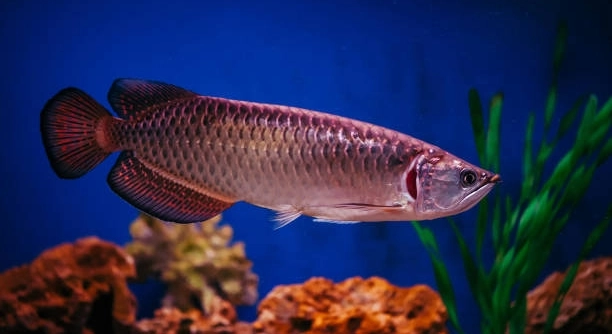
Have you ever brought home a new Arowana and wondered how to make its first moments in the tank calm and safe? Introducing a new fish requires patience and careful planning to ensure harmony with existing tank mates.
The proper method to introduce a new Arowana involves quarantining the fish, gradually acclimating it to the tank’s water, and monitoring interactions. These steps reduce stress, prevent disease transmission, and help the fish adjust smoothly to its new environment.
Learning these techniques can prevent unnecessary stress for your fish. Proper introduction ensures your Arowana thrives and interacts safely with its tank companions.
Preparing the Tank for a New Arowana
Before introducing a new Arowana, it is essential to ensure the tank is fully prepared. Start by checking that the tank is large enough, as Arowanas grow quickly and need ample swimming space. Clean the tank thoroughly, removing any debris or leftover food that may affect water quality. Ensure the water temperature is stable and matches the new fish’s needs. Installing a strong filtration system is crucial to maintain proper oxygen levels and prevent harmful bacteria from spreading. Adding hiding spots and decorations can help reduce stress for both new and existing fish. Finally, test water parameters like pH, ammonia, and nitrate levels to confirm they are within safe ranges. A properly prepared tank reduces aggression, promotes healthy adaptation, and creates an environment where the new Arowana can feel secure. Taking the time to prep the tank carefully sets a strong foundation for successful integration.
Proper tank preparation can save time and prevent future health issues for your Arowana.
A tank that is clean, properly filtered, and stable in temperature will allow your Arowana to settle in faster. Monitoring water conditions daily and ensuring the tank is spacious enough will minimize stress. Decorations and hiding spots help the fish feel safe, especially during its first few days. Gradual introduction in a prepared tank increases the chances of peaceful cohabitation with existing fish. A well-prepared environment supports long-term health and reduces the likelihood of aggressive behaviors or illness.
Acclimating Your New Arowana
Acclimation helps your Arowana adjust to new water conditions safely.
Slowly introducing your Arowana to the tank water is crucial. Float the fish in its bag for 15–20 minutes, then gradually add small amounts of tank water to the bag over an hour. This prevents shock from sudden changes in temperature or chemistry. Monitor the fish closely during this period to ensure it is not overly stressed. Using a net, gently release the fish into the tank when acclimation is complete, avoiding sudden movements.
During acclimation, the goal is to minimize stress and support the fish’s immune system. Rapid changes in water conditions can weaken the Arowana, making it more prone to illness. By gradually mixing tank water into the transport water, the fish adapts to temperature, pH, and hardness differences. Observe behavior carefully; signs of distress include erratic swimming or hiding excessively. Keep the lights dim during this time to reduce stress further. Avoid feeding immediately; allow the fish to explore and settle in before introducing food. Proper acclimation ensures a smoother transition, promoting confidence and comfort in its new home.
Introducing the New Arowana to Tank Mates
Careful observation is key when introducing your Arowana to existing fish. Monitor their behavior closely during the first few hours and days to prevent aggression or territorial disputes. Adjust tank setup if needed to create safe spaces for all fish.
Start by placing the new Arowana in a separate, transparent divider inside the main tank. This allows visual contact without direct interaction, helping both the new fish and current tank mates get used to each other. Gradually increase interaction time over several days while keeping a close eye on any signs of stress, chasing, or nipping. Rearrange decorations or add plants to create neutral zones, reducing territorial tension. Observing their behavior carefully ensures that conflicts are minimized and the tank environment remains calm. This method allows a smoother transition for everyone in the tank.
Even after initial introduction, continue monitoring daily. Some fish may display delayed aggression or stress responses. Be ready to separate or rearrange as needed. Using barriers, plants, or driftwood to break sightlines can reduce direct confrontation. Keeping water conditions optimal also helps all fish stay healthy and less irritable. A patient, careful approach makes cohabitation successful and allows the Arowana to adapt naturally without unnecessary risk.
Feeding and Monitoring Health
Introduce food gradually to avoid overwhelming the new Arowana. Observe eating habits and make adjustments based on appetite and tank dynamics.
Feed small portions multiple times a day initially. Monitor how the Arowana and other fish respond to mealtime, ensuring no one is stressed or left hungry. Start with familiar foods, gradually introducing variety to support nutrition. Keep uneaten food minimal to prevent water quality issues. Consistent observation helps detect illness early, as changes in appetite, swimming patterns, or coloration often indicate stress or disease. Documenting behavior and feeding patterns provides valuable insight for long-term care.
Daily checks of your Arowana’s health are important. Watch for signs of injury, unusual swimming, or fin damage. Maintaining stable water parameters supports immune function and reduces the risk of disease. Regularly clean the tank, remove uneaten food, and check filter performance. Quarantine any new fish in the future to avoid introducing pathogens. Keeping a feeding and health routine strengthens the fish’s adaptation and ensures a harmonious tank environment. Patience and consistency are essential for building a stable and thriving community.
Observing Behavior Daily
Watch your Arowana closely for the first week. Look for signs of stress, aggression, or hiding, as these indicate how well it is adjusting.
Pay attention to interactions with other fish. Minor chasing is normal, but constant aggression may require separating the new fish or rearranging tank decorations to create safe spaces.
Maintaining Water Quality
Regular water testing is crucial. Check ammonia, nitrite, nitrate, and pH levels frequently to ensure a stable environment. Sudden changes can stress your Arowana and weaken its immune system. Clean filters, remove uneaten food, and perform partial water changes as needed. Maintaining consistent water conditions supports long-term health and reduces disease risk. A stable tank environment also helps your Arowana settle in faster, encouraging natural behavior and feeding. Observing water quality closely during the first weeks of introduction prevents problems before they escalate, making integration smoother for all fish.
Handling Stress
Keep lighting soft during the first days. Too bright or sudden changes can increase anxiety for the new Arowana.
FAQ
How long should I quarantine a new Arowana?
Quarantining a new Arowana for at least 2–3 weeks is recommended. This period allows you to monitor the fish for illness or parasites before introducing it to your main tank. Quarantine tanks should have stable water conditions, proper filtration, and minimal stress factors.
Can I introduce an Arowana directly to the main tank?
Direct introduction is not recommended. Sudden exposure can shock the fish and increase the risk of disease spreading to existing tank mates. Using a divider or acclimation process reduces stress and allows the Arowana to adjust safely.
What foods should I feed a new Arowana?
Start with familiar, high-quality foods like pellets, frozen shrimp, or live feeder fish. Gradually introduce variety, including insects or small fish, to ensure balanced nutrition. Feed small portions multiple times a day initially, monitoring appetite closely.
How do I know if my Arowana is stressed?
Signs of stress include hiding excessively, erratic swimming, loss of appetite, or clamped fins. Stress can weaken the immune system, making the fish more prone to disease. Adjust water conditions, lighting, or tank layout if stress persists.
Is it normal for an Arowana to be aggressive at first?
Some aggression is normal, especially with territorial behavior. Minor chasing or displays are expected, but constant biting or fin damage requires intervention. Rearranging decorations, providing hiding spaces, or temporary separation can help reduce aggression.
How often should I test water parameters?
During the first few weeks, daily testing is ideal. Check ammonia, nitrite, nitrate, and pH to ensure stability. Once the Arowana settles, testing every few days is sufficient. Consistent water quality is critical for reducing stress and supporting long-term health.
Can I mix Arowanas with other fish species?
Arowanas can coexist with similarly sized, non-aggressive species. Avoid small fish that can be seen as prey. Monitor interactions closely, and provide ample space and hiding spots to minimize territorial disputes.
What is the best way to acclimate a new Arowana?
Float the sealed transport bag in the tank for 15–20 minutes to equalize temperature. Gradually add small amounts of tank water to the bag over an hour. Release the fish gently with a net, avoiding sudden changes or rough handling.
How can I prevent disease when introducing a new Arowana?
Quarantine the fish, maintain water quality, and monitor behavior closely. Avoid introducing multiple new fish at once. Disinfect nets and equipment, and ensure existing tank mates are healthy before adding the new Arowana.
When should I feed the new Arowana after introduction?
Wait a few hours after introduction before offering food, allowing the fish to adjust. Start with small portions and gradually increase once you observe normal swimming and interest in food. Feeding at regular intervals supports adaptation and reduces stress.
What tank size is suitable for a new Arowana?
A tank of at least 250–300 liters (65–80 gallons) is recommended for juveniles. Larger tanks are necessary as the fish grows. Adequate space reduces stress, supports natural swimming, and prevents aggressive interactions.
How do I handle aggression between Arowanas?
Aggression may occur due to territorial instincts. Provide partitions or rearrange tank décor to break sightlines. If fighting persists, temporarily separate the fish until a peaceful hierarchy forms. Observing behavior closely helps prevent injury.
Can lighting affect my new Arowana?
Yes, harsh or sudden lighting can stress the fish. Use soft lighting and gradually adjust intensity. Dim lights during the first days can help the Arowana feel secure and reduce erratic behavior.
How do I know if my Arowana is healthy after introduction?
Healthy behavior includes active swimming, normal feeding, bright coloration, and alert responses. Monitor for signs of illness such as white spots, fin rot, lethargy, or unusual swimming patterns. Early detection ensures timely care.
How long does it take for a new Arowana to fully adjust?
Adjustment varies by individual fish but generally takes 1–3 weeks. During this period, maintain stable water conditions, observe behavior, and provide consistent feeding routines. Patience is key to a smooth transition and long-term health.
What should I do if my Arowana refuses to eat?
Refusal to eat can indicate stress, illness, or poor water quality. Ensure the tank is calm, water parameters are stable, and the fish is not being harassed. Try offering familiar foods in small amounts. Consult a specialist if the problem persists.
Are hiding spots important for a new Arowana?
Yes, hiding spots reduce stress and provide security, especially during the first days. Use plants, driftwood, or rocks to create shaded areas. A well-structured environment helps the fish settle and minimizes conflicts with other tank mates.
How can I reduce stress during the first week?
Keep lights dim, avoid sudden movements, and maintain stable water parameters. Limit feeding to small portions and provide safe spaces. Gradually increase interactions with other fish, allowing the Arowana to adjust at its own pace.
Is it necessary to rearrange the tank after introducing a new Arowana?
Sometimes, rearranging decorations helps reduce territorial disputes. Create neutral zones and break line-of-sight between fish. Small changes can make a big difference in minimizing stress and encouraging peaceful coexistence.
How do I handle multiple new Arowanas?
Introduce them one at a time if possible. If multiple are added together, ensure the tank is large enough, provide partitions, and monitor interactions closely. Gradual acclimation and adequate space prevent aggressive behavior and support healthy social dynamics.
What are early signs of aggression to watch for?
Look for chasing, nipping fins, flaring gills, or cornering other fish. Early intervention with partitions, rearranged décor, or temporary separation can prevent injury and maintain a peaceful tank environment.
How often should I perform water changes after introducing a new Arowana?
Partial water changes of 20–30% weekly are recommended. Increase frequency if water quality drops or if multiple fish are added. Clean water supports adaptation, reduces stress, and prevents disease outbreaks.
Can Arowanas be stressed by tank noise or vibrations?
Yes, loud noises, tapping on the glass, or strong vibrations can stress the fish. Keep the area around the tank calm, minimize sudden disturbances, and maintain a consistent environment to support comfort and health.
What is the best way to observe behavior without causing stress?
Watch from a distance, avoid tapping on the glass, and use soft lighting. Take notes on feeding, swimming, and interactions. Gentle observation allows you to detect issues early without adding stress.
How important is a consistent feeding schedule?
Consistency helps the Arowana feel secure and supports digestion. Feed at the same times each day, using measured portions. Irregular feeding can cause stress, aggression, or overeating, impacting overall health.
Should I use a net to remove the new Arowana during the first week?
Avoid using a net unless necessary, as it can stress the fish. If removal is required, move slowly and carefully. Minimizing handling supports adaptation and reduces risk of injury.
What adjustments can help a timid Arowana feel secure?
Provide shaded areas, hideaways, and a calm environment. Keep lights dim and minimize disturbances. Gradually increase exposure to tank mates to build confidence and reduce stress.
How do I prevent water parameter swings during introduction?
Test water daily, perform partial changes carefully, and avoid sudden temperature or chemical adjustments. Stable conditions are essential for reducing stress and supporting a smooth transition for the new Arowana.
Can seasonal changes affect a newly introduced Arowana?
Yes, temperature fluctuations or light cycle changes can stress the fish. Maintain stable heating and consistent lighting patterns. Monitor behavior closely during seasonal transitions to ensure comfort and health.
How long should I monitor interactions before considering them stable?
Observe daily for at least 1–2 weeks. Look for reduced chasing, normal feeding, and relaxed swimming. Stability indicates the Arowana has adapted and can coexist safely with other fish.
What are signs that I should separate the new Arowana temporarily?
Separation is needed if you notice constant chasing, fin damage, hiding, or aggression that does not subside. Temporary barriers allow the fish to calm down and prevent injury, supporting long-term peaceful coexistence.
Is it okay if the Arowana explores slowly?
Yes, slow exploration is normal. Give the fish time to acclimate, gradually increasing movement and interaction. Avoid forcing contact with other fish or removing hiding spots too soon.
Can tank decorations impact adaptation?
Yes, proper decorations provide hiding spots and break sightlines. Rearranging or adding décor can reduce territorial disputes, create safe zones, and encourage natural behavior.
How do I know if my Arowana is fully settled?
Signs include normal swimming, consistent feeding, bright coloration, minimal hiding, and peaceful interactions with other fish. Once these behaviors are observed, the Arowana is likely comfortable and adapted to its tank.
What should I do if stress signs persist after two weeks?
Reassess tank conditions, check water quality, provide additional hiding spots, or consider temporary separation. Persistent stress may indicate underlying issues that require careful observation or professional advice.
How can I maintain long-term harmony in the tank?
Provide adequate space, hiding spots, proper feeding, and stable water parameters. Observe interactions regularly, adjust décor as needed, and intervene early if aggression or stress appears. Consistency and careful management help all fish coexist peacefully.
How important is patient observation during the first month?
Extremely important. The first month sets the tone for long-term health and social dynamics. Gradual adjustments, consistent monitoring, and attentive care prevent problems and help the Arowana integrate successfully.
Can I introduce new tank mates after the Arowana settles?
Yes, but wait until the Arowana shows stable behavior. Introduce additional fish gradually, using barriers or acclimation methods to minimize stress. Monitor interactions closely to maintain a harmonious tank environment.
Are there special considerations for juvenile versus adult Arowanas?
Juveniles are more sensitive to stress and may be more prone to aggression or hiding. Adults require larger tanks and may establish territories more strongly. Adjust introduction methods, tank layout, and feeding practices according to the age and size of your fish.
How do I track the new Arowana’s adaptation effectively?
Keep a journal of feeding, behavior, and interactions with other fish. Note water parameters and any changes in activity or coloration. Regular tracking helps detect problems early and guides adjustments to care routines.
What is the recommended observation schedule after introduction?
Daily for the first two weeks, noting behavior, feeding, and water quality. Reduce to every few days once stable. Consistent monitoring ensures early detection of stress or aggression, supporting a smooth adaptation process.
Can sudden changes in the room affect the new Arowana?
Yes, loud noises, strong vibrations, or temperature changes can stress the fish. Maintain a quiet, stable environment, especially during the first few weeks, to support safe adaptation and long-term health.
How do I support immune health during adaptation?
Provide high-quality food, maintain stable water parameters, minimize stress, and quarantine new additions. A healthy immune system helps the Arowana resist disease and adapt more successfully to its new tank environment.
What signs indicate successful adaptation?
Active swimming, normal feeding, bright coloration, minimal hiding, peaceful interactions, and consistent behavior are all signs that the Arowana has successfully adapted to the tank environment.
Introducing a new Arowana to your tank requires careful planning and patience. Each step, from tank preparation to acclimation and observation, plays an important role in helping the fish adjust. A properly prepared environment reduces stress and supports the health of both the new Arowana and the existing tank mates. Ensuring the tank is clean, filtered, and stable in temperature creates a strong foundation for a smooth introduction. Adding hiding spots and neutral spaces can help prevent aggressive behavior and give the fish areas to retreat if needed. Small details, like testing water parameters regularly and maintaining a consistent feeding schedule, can have a big impact on the fish’s comfort and adaptation.
The acclimation process is just as important as the physical setup of the tank. Gradually introducing your Arowana to the water conditions allows the fish to adjust safely, preventing sudden shocks that could lead to illness or stress. Using a divider or slowly adding tank water to the transport bag ensures a smooth transition. Observation during this time is essential, as subtle changes in behavior, appetite, or swimming patterns may indicate stress or health issues. Allowing the fish to settle in gradually promotes confidence and encourages natural behaviors. Even after the first few days, continuing to monitor interactions with other fish is important to maintain a peaceful tank environment. Adjustments such as rearranging decorations or temporarily separating fish may be necessary, and taking these measures early helps prevent injury or long-term aggression.
Long-term care of a newly introduced Arowana involves more than just observation. Maintaining water quality, providing a balanced diet, and creating a calm environment support the fish’s overall health and wellbeing. Regular monitoring of water parameters, daily observation of behavior, and careful feeding routines help detect potential problems early. Stress management is essential, especially during the first few weeks, as stressed fish are more vulnerable to disease. Over time, as the Arowana adapts, you may notice increased activity, curiosity, and peaceful interactions with tank mates. By being attentive and consistent in care, you can create a stable and harmonious environment where your Arowana thrives. Careful preparation, patience, and daily attention make the process of introducing a new Arowana rewarding and successful, resulting in a healthy, confident fish that can flourish in its new home.

Hello,
If you enjoy the content that we create, please consider saying a "Thank You!" by leaving a tip.
Every little bit helps us continue crafting quality advice that supports the health, happiness, and well-being of pets around the world, for pets of all shapes, sizes, and species.
We really appreciate the kindness and support that you show us!