
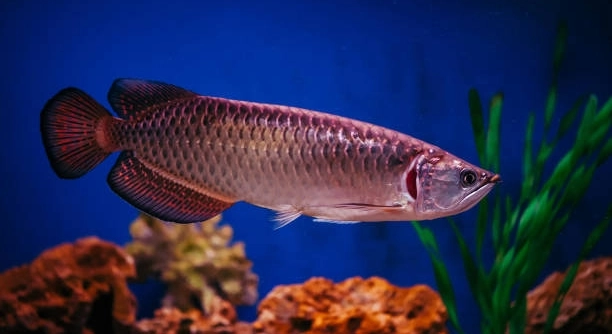
Have you ever noticed your arowana acting restless or refusing to eat, leaving you wondering if something in its tank might be bothering it?
Arowanas are highly sensitive fish that react strongly to unsuitable tank conditions. They dislike small spaces, poor water quality, overcrowding, strong currents, bright lights, and certain tankmates. These stress factors can harm their behavior, health, and overall lifespan.
Understanding what makes your arowana uncomfortable will help you create a calm, balanced environment where it can thrive beautifully.
1. Small Tank Size
Keeping an arowana in a small tank limits its ability to swim freely and grow properly. These fish are large, active, and require plenty of space to move around without feeling trapped. When confined, they can become stressed, aggressive, or prone to injuries from bumping into tank walls. A cramped tank also makes it harder to maintain good water quality, as waste builds up faster. Ideally, arowanas need a long, spacious tank that allows smooth movement and stable conditions. A tank that’s too tight will only lead to poor health and constant agitation for your fish.
Arowanas need a large, open environment to feel secure. A small tank restricts their movement and creates an uncomfortable living space, often leading to unwanted behavior and health complications over time.
When setting up a tank, always consider the full-grown size of your arowana. Choosing the right tank size early prevents future stress and ensures long-term comfort and safety.
2. Poor Water Quality
Arowanas are extremely sensitive to changes in water conditions. Even minor fluctuations in pH, ammonia, or nitrate levels can cause visible stress. Cloudy water, foul smells, or unusual behavior are clear signs of poor tank management. Regular testing and water changes are essential to maintain a stable, healthy environment.
Water quality affects everything from your arowana’s appetite to its immune system. Dirty or unbalanced water encourages harmful bacteria and toxins to build up, leading to infections or fin rot. It’s best to use a high-quality filtration system that supports your tank size, along with partial water changes every week. Avoid overfeeding, as leftover food quickly pollutes the water. Keeping the tank clean and balanced not only supports your arowana’s well-being but also enhances its color, activity, and overall vitality. Consistent care and monitoring will make a noticeable difference in how your arowana behaves and thrives.
3. Strong Water Current
Arowanas prefer calm, steady water. Strong currents can tire them out and cause unnecessary stress. These fish like to glide smoothly near the surface, and fast-moving water makes it difficult for them to swim comfortably or maintain their natural rhythm.
Too much flow from filters or pumps can push your arowana around, leading to frustration and exhaustion. Over time, this can weaken their immune system and cause fin damage. It’s best to use equipment that allows you to adjust the water flow to a gentle, even pace. Arowanas thrive in a stable environment where movement is soft and consistent. Observe your fish—if it’s constantly fighting against the current, the water flow is too strong and needs adjusting immediately.
A balanced current helps your arowana move naturally without strain. It promotes proper oxygenation, supports healthy swimming behavior, and keeps the tank feeling peaceful, just like their natural river habitats.
4. Bright or Harsh Lighting
Arowanas dislike intense or direct lighting. Bright lights can make them feel exposed and anxious, especially since they naturally prefer shaded areas near the surface. Constant glare also disturbs their rest and may cause them to hide or act aggressively.
When lighting your tank, aim for soft, diffused light that mimics natural daylight. Avoid using overly bright LED fixtures or keeping lights on for long hours. Arowanas need a balance of light and darkness to maintain healthy sleep cycles and reduce stress. You can add floating plants or tank decorations to create shaded areas where they can retreat. This setup helps them feel safe and comfortable. Gradual light changes are also better than sudden ones, as they prevent shock and disorientation. Keeping the lighting calm and natural enhances your arowana’s colors while maintaining a peaceful environment.
5. Overcrowded Tank
Arowanas are territorial fish that need plenty of space to swim without feeling threatened. Keeping them with too many tankmates leads to stress and aggression. Overcrowding also affects water quality, making it harder to keep the environment clean and stable.
Limiting the number of fish in the tank helps prevent fights and ensures your arowana has enough room to move freely. Always consider compatibility and size when adding new tankmates. A spacious, calm setup encourages healthy behavior and reduces the risk of injuries or territorial disputes.
6. Incompatible Tankmates
Arowanas don’t tolerate aggressive or fin-nipping fish. Housing them with unsuitable species often leads to tension, injury, or loss of appetite. It’s best to choose calm, mid-to-bottom dwellers that won’t challenge or provoke your arowana. Careful selection keeps your tank peaceful and balanced.
7. Sudden Temperature Changes
Arowanas dislike abrupt temperature shifts, which can shock their system and weaken immunity. Always maintain a stable range using a reliable heater and thermometer. Consistent warmth supports digestion, comfort, and overall health, keeping your arowana active and stress-free.
FAQ
What is the ideal tank size for an arowana?
Arowanas grow large, often reaching 2–3 feet in captivity. They need a tank that allows full, unhindered movement. A minimum of 250 gallons is recommended for a single adult. Longer tanks are better than taller ones, as arowanas prefer horizontal swimming space. A roomy setup also makes water management easier and reduces stress.
How often should I change the water?
Regular water changes are crucial for arowana health. A 20–30% partial water change once a week is usually sufficient. Overfeeding or overcrowding may require more frequent changes. Always test water parameters to ensure pH, ammonia, nitrite, and nitrate levels remain safe. Stable water conditions prevent stress and disease.
What type of filter should I use?
Arowanas produce a lot of waste, so a strong, reliable filtration system is essential. Canister filters or sump systems work best, providing both mechanical and biological filtration. Adjustable flow is important to prevent strong currents, which can tire your fish. Regular maintenance of the filter keeps water clean and safe.
Can I keep other fish with my arowana?
Yes, but tankmates must be chosen carefully. Avoid small or aggressive species. Suitable companions are larger, peaceful fish that occupy mid or bottom levels. Overcrowding should be avoided, as arowanas are territorial. Proper selection ensures a calm tank and prevents injuries or stress.
How do I prevent my arowana from jumping?
Arowanas are strong jumpers, especially when stressed or startled. Use a tight-fitting lid or cover to prevent accidents. Keep the tank environment stable, with calm lighting and minimal sudden movements near the tank. Floating decorations or plants can also provide a sense of security and reduce jumping behavior.
What is the best diet for an arowana?
Arowanas are carnivorous and thrive on a varied diet. Feed high-quality pellets, live or frozen foods such as shrimp, fish, or insects. Avoid overfeeding, as uneaten food pollutes water and can harm health. Rotating food types supports growth, vibrant colors, and strong immunity.
How do I reduce stress in my arowana?
Stress can be caused by overcrowding, poor water quality, bright lights, or incompatible tankmates. Maintain a clean tank with stable water, soft lighting, and ample swimming space. Avoid sudden changes and handle the fish as little as possible. A calm environment encourages healthy behavior and prevents illness.
Why is my arowana refusing to eat?
Refusal to eat is often linked to stress or poor water conditions. Check temperature, pH, ammonia, and nitrate levels first. Overfeeding or aggressive tankmates may also play a role. Offering live or frozen food may encourage eating. Persistent loss of appetite should be addressed promptly to prevent malnutrition.
How often should I test the water?
Water should be tested at least once a week for ammonia, nitrites, nitrates, and pH. Frequent testing allows early detection of problems before they affect your fish. Use reliable test kits, and track results to maintain a stable and healthy tank environment consistently.
Can bright lights harm my arowana?
Yes, harsh lighting can cause stress and make arowanas hide or act aggressively. Use soft, diffused light, and provide shaded areas with plants or decorations. Gradual changes in lighting help them adjust without shock. Maintaining a natural light cycle supports sleep, appetite, and overall well-being.
How do I introduce a new fish to the tank?
New fish should be quarantined for at least two weeks to prevent disease. Introduce them slowly, ideally in a separate section or with a divider at first. Monitor behavior closely. Gradual acclimation reduces stress for both the arowana and the new fish, maintaining a peaceful tank environment.
What are signs of illness in arowanas?
Look for changes in appetite, abnormal swimming, clamped fins, or discoloration. White spots, frayed fins, or swelling are warning signs. Early detection is key. Test water quality, adjust diet, and isolate sick fish if necessary. Prompt treatment increases recovery chances and prevents disease spread.
How can I make my arowana feel secure?
Arowanas feel safe with sufficient swimming space, shaded areas, and a calm tank. Avoid overcrowding, strong currents, or sudden changes. Floating plants, driftwood, and gentle lighting help them relax. A secure environment encourages natural behavior, reduces stress, and supports long-term health.
What temperature is best for an arowana tank?
Arowanas prefer warm water, generally between 75–82°F (24–28°C). Sudden temperature drops can shock their system and weaken immunity. Use a reliable heater and thermometer to maintain a consistent range. Stable warmth supports digestion, activity, and overall health, keeping your fish comfortable and stress-free.
How do I maintain water pH for arowanas?
A stable pH between 6.5 and 7.5 is ideal. Frequent testing and partial water changes help maintain balance. Avoid adding chemicals unnecessarily, as sudden shifts can stress your fish. Keeping pH consistent supports healthy gill function, feeding behavior, and general well-being.
Can arowanas live alone?
Yes, they can thrive alone. Many owners keep a single arowana to avoid aggression and stress from tankmates. A spacious, enriched tank is necessary to prevent boredom. Solitary living reduces conflicts, allows full growth potential, and ensures the fish feels safe in its environment.
How long do arowanas live in captivity?
With proper care, arowanas can live 15–20 years or more. Longevity depends on tank size, water quality, diet, and stress management. Consistent attention to their environment and needs ensures a long, healthy life, allowing you to enjoy their presence for many years.
What should I avoid putting in the tank?
Avoid small, aggressive, or fin-nipping fish, harsh chemicals, sudden decorations, or sharp objects. Anything that can harm, stress, or pollute the tank should be excluded. Careful planning ensures a safe, calm environment where your arowana can grow and thrive without unnecessary risk.
How can I improve my arowana’s color naturally?
A balanced diet rich in protein and carotenoids enhances color. Include live or frozen foods along with high-quality pellets. Proper lighting, clean water, and minimal stress also play a role. A healthy, calm environment brings out vibrant scales and natural beauty over time.
Can arowanas adapt to changes in the tank?
They can, but only gradually. Sudden changes in water, lighting, or tankmates can cause stress. Introduce modifications slowly, monitor behavior, and maintain stability. Gradual adaptation supports health, appetite, and overall well-being, preventing shock or illness from abrupt transitions.
Arowanas are beautiful and fascinating fish, but they require careful attention to thrive in captivity. Their size, behavior, and sensitivity make them unique compared to many other aquarium fish. Ensuring their environment meets their needs is not only about aesthetics but also about their overall health and happiness. A large, spacious tank with clean, stable water is essential. Small tanks or overcrowded spaces lead to stress, poor growth, and unwanted aggression. Every detail, from water quality to lighting and tankmates, plays a role in creating a balanced habitat. Ignoring these factors can cause long-term health issues, which are often difficult to reverse. Taking the time to plan and maintain the proper setup allows your arowana to move naturally, feed comfortably, and display its vibrant colors.
Temperature and water quality are particularly important because arowanas are sensitive to sudden changes. They need a warm, stable environment, with consistent pH and minimal fluctuations in ammonia, nitrite, and nitrate levels. A strong filtration system and regular water testing are necessary to maintain these conditions. Overfeeding or neglecting water changes can quickly deteriorate water quality, which directly affects the fish’s behavior and immunity. Gentle lighting and calm water flow reduce stress, allowing the arowana to swim naturally without strain. Avoiding incompatible tankmates or overly aggressive species prevents conflict, while providing shaded areas or floating plants gives them a sense of security. Even small adjustments in tank design can make a noticeable difference in their overall comfort and stress levels.
Diet and consistent care also have a major impact on an arowana’s well-being. A varied diet that includes high-quality pellets and live or frozen foods supports proper growth, vibrant colors, and strong immunity. Avoiding overfeeding prevents water pollution, which helps maintain a healthy environment. Regular observation of your fish’s behavior, appetite, and swimming patterns allows you to identify early signs of stress or illness before they become serious problems. By focusing on proper tank setup, water maintenance, diet, and stress reduction, you can provide a stable and secure environment. This ensures that your arowana will not only survive but thrive, exhibiting its natural beauty and unique behavior for many years. Proper care requires attention and patience, but it is highly rewarding to see your fish healthy, active, and comfortable in its tank.

Hello,
If you enjoy the content that we create, please consider saying a "Thank You!" by leaving a tip.
Every little bit helps us continue crafting quality advice that supports the health, happiness, and well-being of pets around the world, for pets of all shapes, sizes, and species.
We really appreciate the kindness and support that you show us!