
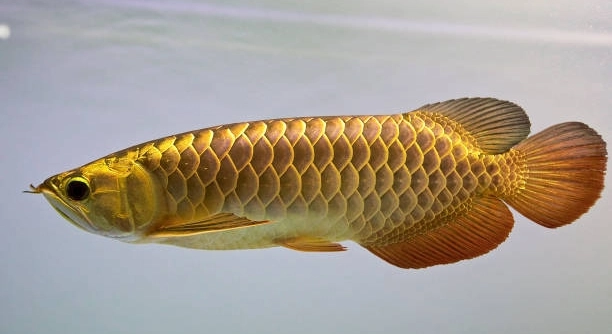
Is your arowana showing unusual behavior by rubbing against the glass of its tank? This action can be alarming to observe, especially when it seems persistent or aggressive. Many fish owners notice this pattern and seek answers.
Arowanas often rub against glass due to irritation, stress, or environmental factors. Common causes include poor water quality, parasites, insufficient space, or lack of stimulation. Addressing these issues promptly helps prevent health problems and ensures the fish’s well-being.
Observing your arowana’s habits closely and understanding its environment is essential for maintaining a healthy, comfortable tank. Proper care can reduce stress and improve its overall behavior.
Common Reasons Your Arowana Rubs Against Glass
Arowanas rubbing against the glass often signal discomfort or stress. One common reason is poor water quality. Ammonia, nitrite, or nitrate levels that are too high can irritate their skin and gills. Temperature fluctuations also play a role, as arowanas are sensitive to sudden changes. Overcrowding is another factor. If the tank is too small or has too many fish, your arowana may feel confined and stressed. Lack of stimulation can lead to repetitive behaviors, including rubbing against the glass. Parasites and skin infections can also provoke this action. Observing your fish closely can help you identify whether it is a behavioral issue or a sign of illness. Proper water maintenance, adequate tank space, and attention to health can prevent these behaviors and support a calmer, healthier arowana. Consistency in care makes a noticeable difference.
Regular water testing is essential to catch issues early.
Behavioral problems may seem minor at first but can worsen over time. Arowanas are large, active fish that require space to swim freely. If ignored, rubbing against the glass can lead to injuries or infections. Providing hiding spots, proper filtration, and balanced nutrition improves their overall comfort. Monitoring behavior daily helps you respond quickly to stress signals. Small adjustments, like moving decorations or adjusting tank mates, can reduce repetitive rubbing. Maintaining optimal water conditions keeps their skin healthy and prevents irritation.
Health Concerns to Watch
Persistent rubbing can indicate parasites.
Parasites, fungal infections, and other skin problems are significant reasons for arowanas rubbing against the tank. External parasites attach to the fish, causing irritation and prompting the rubbing behavior. Bacterial infections may also lead to scratching as the skin becomes inflamed. Early identification and treatment are crucial. Medications or water treatments recommended for aquarium fish can address many issues, but correct diagnosis is important to avoid worsening the condition. Regular observation, quarantine of new fish, and keeping the tank clean reduce the risk of infections. Even minor abrasions can develop into serious problems if left untreated. Maintaining a consistent cleaning schedule, monitoring water quality, and providing a balanced diet strengthen the arowana’s immunity, making it less susceptible to parasites. In some cases, consulting a veterinarian experienced with aquatic species ensures proper treatment. Being proactive protects both the health of the fish and the stability of the tank ecosystem.
Tank Environment Adjustments
Proper tank setup can reduce rubbing behavior. Ensure the tank is large enough, with at least 250 liters for a single arowana. Include hiding spots and open swimming areas. Proper lighting and gentle filtration also help minimize stress and discomfort.
Adjusting water flow and placement of decorations is important. Strong currents can tire or irritate arowanas, causing them to rub against surfaces. Floating plants or soft substrate can create a more comfortable environment. Regular water changes maintain clarity and quality, preventing buildup of harmful substances. Observing how your arowana interacts with the tank helps identify areas that may need modification, ensuring it feels secure and stress-free.
Maintaining consistent temperature and monitoring pH levels further supports arowana health. Sudden changes in water conditions can trigger rubbing behaviors. A stable environment encourages natural activity, reducing the need to engage in repetitive or harmful actions. Small tweaks like moving a rock or adjusting filter output can make a significant difference in comfort and behavior.
Diet and Nutrition
Arowanas need a varied, balanced diet to stay healthy. High-protein foods, including live or frozen fish, insects, and shrimp, support growth and energy. Avoid overfeeding, as excess food can pollute the water and contribute to stress.
Proper nutrition impacts skin and scale health directly. Deficiencies in vitamins or minerals can make arowanas more prone to irritation and rubbing. Including vitamin-rich foods and occasional supplements can strengthen immunity and reduce behavioral issues. Feeding schedules should be consistent, giving the fish time to digest properly between meals. Fresh, high-quality ingredients help maintain energy levels and overall vitality.
Observing appetite and eating patterns can reveal underlying problems. Loss of interest in food may indicate illness or poor water conditions. Adjusting diet based on behavior and seasonal changes supports long-term health. Combining a high-protein diet with occasional treats keeps arowanas stimulated and satisfied. Balanced nutrition not only fuels growth but also encourages natural, relaxed behavior, minimizing stress-driven actions like glass rubbing.
Monitoring Behavior
Regular observation helps identify stress or illness early. Watch for repeated rubbing, unusual swimming, or lethargy. Tracking behavior over time reveals patterns that may indicate environmental or health issues.
Recording feeding habits and interactions with tank mates is also useful. Changes in appetite or aggression often signal discomfort or disease, allowing timely adjustments.
Quarantine New Fish
Quarantining new additions prevents the spread of parasites and infections. Keep new fish separate for at least two weeks while monitoring health. Treatments and inspections during this period reduce risks for your established arowana.
Stress Reduction Techniques
Minimizing stress involves reducing noise, sudden movements, and excessive handling. Providing a calm environment with gentle water flow supports natural behavior and comfort.
Signs of Illness
Red patches, frayed fins, or clamped scales often indicate health problems. Addressing these early improves recovery and prevents further complications.
FAQ
Why does my arowana rub against the glass at night?
Arowanas are more active during certain periods, and night rubbing often reflects irritation or stress from water conditions. Poor lighting, temperature fluctuations, or leftover food particles can make the fish restless. Ensuring stable conditions and clean water at all times helps reduce this nighttime behavior.
Can rubbing against the glass harm my arowana?
Yes, repeated rubbing can damage scales, fins, and skin. Open wounds increase susceptibility to infections and parasites. Monitoring behavior and correcting environmental issues promptly prevents injuries. Using soft substrates and avoiding sharp decorations also reduces physical harm.
Does tank size affect rubbing behavior?
Arowanas need large tanks to swim freely. Tanks that are too small or overcrowded create stress and lead to repetitive rubbing. Providing at least 250 liters per adult arowana and clear swimming paths minimizes frustration and supports natural behavior.
Could parasites cause rubbing against the glass?
External parasites are a common cause. They irritate the skin and gills, prompting the fish to scratch against surfaces. Early detection through observation and water treatments or medications helps prevent severe infestations. Quarantining new fish reduces parasite introduction.
How often should I check water quality?
Water should be tested at least weekly for ammonia, nitrite, nitrate, and pH levels. Fluctuations can stress arowanas, causing rubbing and other unusual behavior. Maintaining consistent temperature and clean water prevents irritation and supports overall health.
Can diet influence rubbing behavior?
Yes, poor nutrition or deficiencies in vitamins and minerals can make skin and scales more sensitive. Feeding a balanced diet with high-protein foods, occasional live or frozen treats, and vitamin supplements strengthens immunity and reduces stress-driven behaviors.
Is rubbing a sign of boredom or stress?
Boredom or environmental stress can trigger repetitive behaviors. Lack of hiding spots, insufficient tank stimulation, and strong water currents often cause fish to rub against glass. Providing proper space, decorations, and moderate currents encourages natural activity and decreases stress.
What treatments help if rubbing is caused by disease?
If disease is suspected, isolate the arowana and treat with appropriate medications. Antiparasitic or antibacterial treatments are commonly used depending on the diagnosis. Prompt intervention prevents worsening symptoms and protects other fish in the tank.
Should I adjust lighting if my arowana rubs against the glass?
Yes, harsh or inconsistent lighting can irritate arowana eyes and skin. Using moderate, consistent lighting schedules reduces stress. Dimmed or filtered light in sensitive areas of the tank creates a calmer environment.
How long does it take for rubbing behavior to stop?
Once environmental and health issues are addressed, improvement can be seen within days to a few weeks. Continuous monitoring, consistent care, and proper nutrition support recovery and help the arowana feel secure.
Can tank mates influence rubbing behavior?
Aggressive or incompatible tank mates increase stress, leading to rubbing. Observing interactions and separating aggressive fish reduces pressure. Choosing peaceful companions and ensuring adequate space helps maintain a stable, low-stress environment for your arowana.
Is rubbing behavior more common in younger or older arowanas?
Both age groups can display rubbing, but younger fish may do so due to stress or adaptation to a new tank. Older arowanas may rub if water quality or health declines. Adjusting care routines based on age supports comfort and minimizes stress behaviors.
Are there preventive measures to avoid rubbing?
Yes, maintaining optimal water quality, proper tank size, balanced nutrition, and low-stress surroundings reduces the likelihood of rubbing. Regular observation, prompt treatment of minor issues, and thoughtful tank setup keep your arowana healthy and calm.
Does rubbing indicate long-term health problems?
If persistent and untreated, rubbing can signal or cause long-term health problems such as skin infections, scale damage, and weakened immunity. Early identification and environmental management are key to preventing chronic issues.
Can stress from transportation cause temporary rubbing?
Yes, moving or introducing a new tank can trigger rubbing. Stress from changes in water, temperature, or surroundings can make arowanas scratch surfaces. Gradual acclimation and careful monitoring reduce stress during transitions and help the fish adapt smoothly.
Final Thoughts
Arowanas are sensitive and majestic fish that require careful attention to their environment, health, and daily care. Rubbing against the glass is a behavior that should never be ignored, as it often signals discomfort, stress, or health concerns. Observing your fish regularly helps identify patterns and potential triggers for this behavior. Many times, simple changes in water quality, tank size, or lighting can significantly reduce rubbing. Consistency is key, and keeping a routine for feeding, water testing, and tank maintenance ensures your arowana feels secure and comfortable. By maintaining clean water, stable temperature, and appropriate space, you are addressing the most common causes of stress that can lead to glass rubbing.
Health is another critical factor to consider. External parasites, bacterial infections, and minor skin irritations are common reasons arowanas scratch against tank surfaces. Early detection and treatment prevent small problems from turning into serious complications. Providing a balanced diet with adequate protein and necessary vitamins strengthens the fish’s immune system and supports overall well-being. It is equally important to observe appetite, swimming patterns, and interactions with other fish, as these can indicate potential health concerns before they become severe. In some cases, quarantining new fish or using medications under guidance can prevent disease spread and protect the main tank population. Regular monitoring combined with preventive measures ensures your arowana remains healthy and exhibits natural, relaxed behavior rather than stress-induced actions.
Environmental enrichment also plays an important role in reducing repetitive behaviors like rubbing. Large tanks with open swimming areas, hiding spots, and gentle water flow allow arowanas to feel safe while exploring. Decorations and plants provide stimulation without causing stress, and careful placement of tank features prevents unnecessary collisions with the glass. Adjustments to lighting, water currents, and tank mates can further minimize stress-related behavior. Maintaining a calm, stable environment supports the fish’s physical and mental health. Small changes in routine, tank setup, or feeding can have a noticeable impact, leading to a healthier, more active, and content arowana. Consistently addressing water quality, diet, space, and enrichment creates an environment where your fish can thrive, reducing the need for behaviors like rubbing against the glass and ensuring long-term well-being.

Hello,
If you enjoy the content that we create, please consider saying a "Thank You!" by leaving a tip.
Every little bit helps us continue crafting quality advice that supports the health, happiness, and well-being of pets around the world, for pets of all shapes, sizes, and species.
We really appreciate the kindness and support that you show us!