
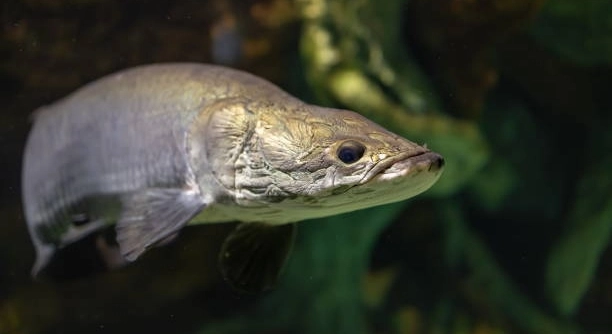
Keeping Arowanas is a rewarding experience, but managing their behavior can be challenging. These majestic fish are known for their size and beauty, making them popular among enthusiasts who value both appearance and presence in an aquarium.
Keeping two Arowanas together requires careful planning. They are territorial and aggressive, especially as they mature. Providing ample space, hiding spots, and monitoring their interactions is essential to minimize conflict and ensure both fish can coexist safely within the same tank environment.
Understanding these needs will help maintain harmony in your tank. Proper care and preparation can make sharing a tank with Arowanas a smoother experience.
Understanding Arowana Behavior
Arowanas are naturally territorial and can be aggressive, especially when housed with other large fish. They often display dominance through chasing or fin-nipping. Recognizing these behaviors early helps prevent serious injuries. They need space to establish personal territory, so overcrowding can lead to stress and fights. Monitoring their interactions closely allows you to intervene before conflicts escalate. Tank size, decorations, and hiding spots all influence their comfort levels. Observing their swimming patterns can indicate whether they feel secure or threatened. Feeding habits can also affect aggression, as competition for food may trigger confrontations. Maintaining consistent water conditions reduces stress and promotes calmer behavior. Over time, some Arowanas may tolerate companions better, but careful management is always necessary. The balance between tank mates and environmental enrichment is critical. Their size and strength mean that even minor disputes can cause damage. Creating a structured environment supports their health, reduces aggression, and allows for a more stable tank atmosphere overall.
Providing a large tank with plenty of hiding spaces can reduce aggression and allow both fish to coexist.
With proper planning, feeding routines, and observation, it is possible to house two Arowanas together. Maintaining water quality, ensuring ample territory, and addressing aggressive incidents promptly are key to keeping both fish healthy and stress-free. Regularly checking water parameters and adjusting tank layout can make a significant difference. Each fish has its own personality, and careful monitoring ensures that neither dominates excessively. By setting clear boundaries through tank design and management, conflicts can be minimized. Choosing compatible sizes and temperaments also increases the likelihood of peaceful cohabitation. Feeding both fish simultaneously reduces food-related disputes. Over time, fish may establish a hierarchy without constant fighting. Even with precautions, occasional sparring can occur, so being prepared to separate them if necessary is important. Understanding Arowanas’ social dynamics and prioritizing their well-being makes a dual setup achievable while keeping the environment safe and comfortable for both.
Tank Setup Essentials
Tank size is the first consideration when housing two Arowanas.
A tank of at least 250 gallons is recommended for adult Arowanas to provide sufficient swimming space. Long, rectangular tanks work best, allowing each fish to establish its territory without feeling cornered. Strong filtration is essential, as these fish produce a lot of waste, and stable water conditions prevent stress and aggression. Decorations like driftwood or large rocks create visual boundaries, giving each fish a sense of security. Avoid sharp ornaments, as Arowanas are prone to injury. Maintaining consistent temperature and pH supports their immune system. Proper lighting enhances their colors while avoiding stress. Regular water testing ensures ammonia, nitrite, and nitrate levels remain safe. A carefully planned tank reduces disputes and allows for more natural behavior. Feeding stations on opposite ends can also minimize competition. Understanding the relationship between tank layout and fish behavior helps create an environment where both Arowanas can thrive and coexist with minimal conflict.
Feeding and Nutrition
Arowanas require a high-protein diet to stay healthy. Feeding them a mix of pellets, live, and frozen foods supports growth and vitality. Regular feeding schedules help reduce aggression during mealtime.
Providing balanced nutrition is critical for maintaining their health and minimizing stress. Protein-rich pellets designed for carnivorous fish supply essential nutrients, while live foods like insects or small fish encourage natural hunting behaviors. Frozen options, such as shrimp or krill, add variety without the risks of introducing disease. Overfeeding can lead to obesity and water quality issues, while underfeeding may cause aggression over limited resources. Feeding both Arowanas simultaneously helps prevent dominance disputes. Observing their appetite and adjusting portions ensures both fish receive adequate nutrition.
Supplements like vitamins and minerals can further support their immune system. A varied diet helps prevent boredom and encourages natural behaviors. Avoid sudden dietary changes, as this can stress the fish. Maintaining consistency is key for healthy, cooperative tank dynamics.
Monitoring and Managing Aggression
Aggression can flare even in well-planned setups. Constant observation helps identify early signs of conflict before injuries occur.
Signs of aggression include chasing, fin-nipping, and territorial displays. Addressing these behaviors early can prevent serious damage. Rearranging decorations or creating temporary barriers can reduce tensions. Providing enough space for each fish to retreat is essential. Stress from poor water quality or improper feeding can worsen aggressive tendencies. Keeping a log of interactions and noting times of heightened aggression helps in planning interventions. Temporary separation may be necessary if fights become intense. Understanding individual temperaments is important, as some Arowanas are naturally more dominant. Adjusting feeding strategies and ensuring simultaneous feeding reduces competition and conflict. Maintaining calm conditions supports long-term coexistence.
Observation, patience, and timely adjustments in tank management make living together possible. Even small changes can significantly impact behavior, keeping aggression manageable.
Choosing Compatible Arowanas
Size and temperament matter when pairing Arowanas. Similar-sized fish reduce the risk of one dominating the other.
Younger fish are generally easier to house together, as they are less territorial. Observing individual personalities helps in selecting a compatible pair, minimizing stress and potential aggression in the tank.
Water Quality and Maintenance
Maintaining stable water conditions is crucial for Arowanas. Regular testing for ammonia, nitrite, nitrate, and pH prevents stress and illness. A consistent filtration system ensures clean water, reducing aggression caused by discomfort. Temperature should remain steady between 75–82°F for optimal health.
Temporary Separation Strategies
Separating aggressive fish temporarily can prevent serious injuries. Dividers or quarantine tanks allow both Arowanas to calm down while maintaining visual contact, minimizing stress and preserving the established hierarchy.
FAQ
Can two Arowanas live together permanently?
Yes, two Arowanas can live together, but success depends on proper tank size, compatible sizes, and careful monitoring of behavior. Adult Arowanas require large tanks with enough space to establish territory. Temporary separation may be necessary during aggressive incidents, especially in the first few months of cohabitation.
What is the minimum tank size for housing two Arowanas?
A minimum of 250 gallons is recommended for two adult Arowanas. Larger tanks are preferred to reduce territorial disputes. Rectangular tanks work best, allowing each fish to have a clear swimming path and personal territory, which helps minimize aggression.
How can I reduce aggression between two Arowanas?
Aggression can be minimized by providing hiding spots, rearranging tank decorations, and feeding both fish simultaneously. Monitoring interactions and separating fish temporarily if fights escalate is essential. Maintaining consistent water conditions also reduces stress-induced aggression.
What should I feed two Arowanas together?
Feed a balanced diet of high-protein pellets, live foods like small insects or fish, and frozen options such as shrimp. Feeding both fish at the same time prevents one from dominating the other. Avoid overfeeding to maintain water quality and reduce competition.
Can Arowanas share a tank with other fish?
It is possible but challenging. Arowanas are predatory and may attack smaller or slower fish. Only other large, non-aggressive fish with similar temperaments are suitable companions. Observing interactions closely is critical to prevent injuries.
How do I know if my Arowanas are stressed?
Signs of stress include hiding excessively, loss of appetite, rapid breathing, and aggression. Stress often results from poor water quality, overcrowding, or insufficient hiding spaces. Monitoring their behavior regularly helps catch problems early.
How often should water be changed for two Arowanas?
Weekly partial water changes of 20–30% are recommended. Larger tanks with strong filtration may allow slightly longer intervals, but consistency is key. Clean water reduces aggression, maintains health, and ensures both fish thrive.
Can two Arowanas fight to the death?
While rare in well-managed tanks, intense territorial disputes can cause serious injury or death. Early observation, adequate space, and temporary separation prevent fatal conflicts. Understanding individual temperaments and careful pairing is crucial.
Do Arowanas form a hierarchy in shared tanks?
Yes, Arowanas often establish a dominance hierarchy. Recognizing the dominant fish helps manage feeding and territory. Proper tank layout allows the subordinate fish to have its own space, reducing stress and conflict.
Is it better to buy Arowanas together or separately?
Buying them together as juveniles often works better because they can grow accustomed to each other. Introducing adult Arowanas can lead to higher aggression and may require careful management, such as large tanks or dividers.
What tank decorations work best for two Arowanas?
Use driftwood, large rocks, and plants to create visual barriers and personal territories. Avoid sharp or fragile decorations that can injure strong, active fish. Proper placement reduces fights and provides hiding spots for each fish.
How long does it take for two Arowanas to adjust to each other?
Adjustment can take weeks to months, depending on size, age, and temperament. Constant observation during this period is essential. Temporary separation may be necessary if aggression escalates.
Can feeding live fish cause aggression?
Live foods encourage hunting but can also trigger territorial disputes. Balance with pellets and frozen foods, and feed both Arowanas simultaneously to prevent dominance during feeding.
How important is water temperature for cohabiting Arowanas?
Temperature stability between 75–82°F is crucial. Fluctuations stress the fish and can increase aggression. Using a reliable heater and thermometer ensures a consistent environment, promoting calm behavior and good health.
What should I do if one Arowana becomes injured?
Separate the injured fish immediately and treat wounds if necessary. Check water quality to prevent infection and monitor the other fish’s behavior to prevent further attacks. Recovery is easier in a calm, clean, and stress-free environment.
Can Arowanas grow too large for a shared tank?
Yes, Arowanas grow quickly and can outgrow tanks. Ensure adequate initial tank size for long-term housing. Overcrowding increases aggression, stress, and health problems. Planning for their adult size is essential when keeping two together.
How often should I observe interactions between two Arowanas?
Daily observation is recommended, especially in the first months. Watch for chasing, nipping, or territorial displays. Early detection allows timely intervention, which prevents injury and helps both fish coexist peacefully.
Are juvenile Arowanas easier to house together?
Juveniles are generally easier to pair because they are less territorial. Early socialization allows them to grow accustomed to each other, reducing aggressive tendencies as they mature. Proper feeding and tank layout remain important.
Can adding new tank decorations help with aggression?
Yes, rearranging decorations or adding barriers can reduce disputes by breaking lines of sight and providing hiding spots. This simple adjustment often calms the fish and allows both to establish separate territories.
How do I know when temporary separation is necessary?
If chasing or fin-nipping becomes persistent or one fish is injured, separation is necessary. Dividers or quarantine tanks allow cooling-off periods without removing both fish from their established environment.
What is the best filtration for two Arowanas?
Strong, reliable filtration is essential because two large fish produce significant waste. Filters that maintain stable water parameters reduce stress and aggression, supporting long-term health. Multiple filtration types, including mechanical, biological, and chemical, are recommended.
Can tank size prevent aggression entirely?
Large tanks reduce aggression but cannot eliminate it completely. Proper layout, feeding practices, and monitoring are equally important. Space allows natural swimming and territory establishment, which minimizes but does not remove conflict.
How can I tell if my Arowanas are compatible?
Compatibility is observed through calm coexistence with minimal chasing. Similar sizes, temperaments, and gradual introductions increase the likelihood of harmony. Careful observation during feeding and swimming interactions provides insight into their compatibility.
Are there specific signs that two Arowanas are becoming comfortable together?
Yes, signs include relaxed swimming, shared feeding without aggression, and limited territorial displays. Fish may tolerate proximity without frequent chasing or nipping, indicating growing acceptance of each other’s presence.
Can water changes affect aggression levels?
Yes, poor water quality increases stress, triggering aggression. Regular water changes stabilize the environment, promoting calm behavior. Maintaining consistent parameters ensures both Arowanas remain healthy and cooperative in the shared tank.
Do Arowanas need separate feeding areas?
Separate feeding areas are helpful for dominant fish to avoid bullying the other. Placing food at opposite ends of the tank reduces conflict and ensures both receive proper nutrition.
How long should I monitor new pairings?
Continuous monitoring is essential for the first few weeks, as aggressive tendencies often appear early. Even after initial acceptance, occasional supervision helps prevent escalated disputes and ensures long-term peaceful cohabitation.
Can Arowanas adjust to each other over time?
Yes, with consistent care, proper tank setup, and observation, many Arowanas gradually accept each other. However, ongoing management and awareness of signs of aggression are necessary to maintain harmony.
Are there long-term risks to keeping two Arowanas together?
Long-term risks include injury from fights, stress from dominance hierarchies, and water quality issues due to large waste output. Proper tank management and preventive measures significantly reduce these risks.
What should I prioritize when keeping two Arowanas together?
Prioritize tank size, compatible fish, feeding strategies, hiding spots, and consistent water quality. Regular observation and timely intervention are essential for reducing stress and aggression, ensuring both fish thrive together.
Can Arowanas bond or form familiarity?
They may develop tolerance and familiarity but not friendship. Over time, they recognize each other’s presence and may coexist with minimal conflict if the environment supports their needs.
How often should I rearrange the tank to prevent aggression?
Occasional rearrangement can help reduce disputes but should be done carefully. Too frequent changes can stress the fish, so adjustments should be minimal and purposeful, focusing on visual barriers and territory establishment.
Can breeding pairs live together peacefully?
Breeding pairs may show temporary aggression during spawning. Careful monitoring and providing ample space are critical. Aggression is usually limited to short periods if tank conditions are ideal.
What is the most common reason for aggression between two Arowanas?
Territorial behavior is the most common reason. Overcrowding, competition for food, or lack of hiding spaces intensifies this instinct. Addressing these environmental factors reduces conflicts and supports peaceful cohabitation.
How long can two Arowanas live together without issues?
With proper care, tank size, and compatible pairing, they can live together for many years. Ongoing monitoring and maintenance are essential to prevent conflicts and ensure both fish remain healthy.
Is it better to start with two females or two males?
Gender can influence aggression, as males are often more territorial. Pairing similar-sized fish, regardless of gender, and monitoring interactions carefully is more important than gender alone.
Can tank lighting influence aggression?
Bright or inconsistent lighting can stress Arowanas, potentially triggering aggression. Soft, consistent lighting reduces stress and encourages natural behavior, supporting peaceful cohabitation.
How do I prevent injuries when housing two Arowanas?
Ensure sufficient space, hiding spots, and proper tank layout. Monitor feeding, separate temporarily if needed, and maintain excellent water quality. These steps reduce the risk of fin damage or other injuries.
Should I rearrange the tank after a fight?
Yes, rearranging can help break established dominance patterns, allowing fish to reestablish territories and reduce further aggression. Changes should be subtle and gradual.
Are some Arowana species more aggressive than others?
Yes, species like the Silver and Super Red Arowanas can be more territorial. Understanding species-specific behavior helps in planning tank setup and pairing strategies.
Can I introduce a third Arowana later?
Introducing a third Arowana increases risk of aggression significantly. Only very large tanks with compatible temperaments and careful monitoring make this feasible, and even then, risk remains high.
Does diet variety affect behavior?
Yes, a varied diet keeps Arowanas occupied, reducing boredom-related aggression. Combining pellets, live, and frozen foods ensures nutritional balance and supports calm behavior.
How important are hiding spots for coexistence?
Hiding spots are critical. They provide refuge for the subordinate fish, reducing stress and giving both fish areas to retreat, which lowers aggression and supports long-term coexistence.
Can aggression be completely eliminated?
No, aggression can be managed but never fully eliminated. Proper tank size, layout, feeding, and monitoring reduce incidents and injuries, allowing safer coexistence.
What is the best way to introduce two Arowanas?
Introduce them gradually in a large tank with visual barriers initially. Observe interactions and separate temporarily if aggression escalates. Careful introduction supports tolerance and reduces stress.
Do Arowanas remember previous conflicts?
Yes, they can remember past interactions, influencing future behavior. Past fights may establish dominance, so observing early encounters is critical to prevent ongoing disputes.
How often should I replace water filters for two Arowanas?
Regular maintenance is essential. Replace mechanical filter media monthly and clean biological media as needed. Ensuring efficient filtration keeps water quality high, supporting calm, healthy fish.
Can temperature shocks trigger fights?
Yes, sudden drops or spikes in temperature can stress fish and trigger aggressive behavior. Maintain consistent temperature for a stable environment.
Are Arowanas sensitive to other tank changes?
Yes, sudden decor changes, water chemistry shifts, or introduction of new fish can increase stress and aggression. Gradual adjustments help maintain harmony.
Can I keep juveniles together without monitoring?
No, even juveniles require supervision. Aggression may appear unexpectedly, and early intervention prevents injuries and establishes safe cohabitation practices.
Do water currents affect aggression?
Strong currents can stress fish and exacerbate aggression. Gentle, consistent flow supports swimming and reduces territorial disputes.
Can frequent feeding reduce fights?
Yes, consistent feeding reduces competition. Offering meals simultaneously and in separate areas prevents one fish from dominating, helping maintain peace.
How do I know if tank mates are causing aggression?
Watch for repeated chasing or nipping directed at specific fish. Incompatible species may increase stress and fights, necessitating separation or removal.
Are large tanks enough to prevent dominance?
Large tanks reduce, but do not eliminate, dominance disputes. Observation, hiding spots, and careful management remain essential for coexistence.
Is it safe to house two Arowanas without dividers?
Yes, with proper tank size, compatible fish, and careful observation. Dividers are only needed temporarily if aggression escalates.
Do Arowanas require constant supervision?
Daily checks are sufficient. Long-term observation is necessary during feeding and initial pairing to manage conflicts and maintain tank safety.
Can stress cause one fish to become aggressive suddenly?
Yes, poor water quality, illness, or overcrowding can trigger sudden aggression. Addressing environmental stressors promptly reduces conflict risk.
Does feeding order affect behavior?
Feeding both fish at the same time prevents dominance during meals. Alternating feeding order may trigger fights over perceived hierarchy.
How do I balance space in a shared tank?
Provide sufficient swimming areas, visual barriers, and feeding zones. Allow each fish a personal territory to minimize aggression and support healthy coexistence.
Can one aggressive Arowana ruin the tank dynamic?
Yes, a dominant or aggressive fish can stress the other, leading to injury or suppressed growth. Timely intervention is necessary.
Is quarantine necessary before introducing a second Arowana?
Yes, quarantine prevents disease transfer and allows observation of temperament. Healthy, disease-free fish reduce stress and potential conflicts.
How long should I wait before introducing a second Arowana?
Introduce only when the tank is fully established and stable. Gradual introduction reduces stress and allows both fish to adjust safely.
Can tank shape affect aggression?
Yes, long, rectangular tanks reduce direct confrontation and allow fish to establish separate territories, minimizing fights. Square or small tanks often increase aggression.
Do Arowanas fight more at certain times of day?
Aggression may peak during feeding or early activity periods. Observing behavior during these times helps prevent serious conflicts.
Can I train Arowanas to reduce aggression?
Not in the traditional sense, but consistent feeding, stable environment, and careful monitoring can encourage tolerance and calmer behavior.
How often should I rearrange hiding spots?
Occasionally, to prevent entrenched dominance, but changes should be subtle to avoid stress. Gradual adjustments work best.
Does introducing plants reduce fights?
Plants provide visual barriers and comfort, reducing stress. They allow subordinate fish to hide, which lowers aggression and supports coexistence.
Can overcrowding lead to health issues?
Yes, stress from overcrowding weakens the immune system, increasing susceptibility to disease. Proper tank size and management prevent both aggression and health problems.
How do I know if both Arowanas are eating enough?
Observe feeding behavior and body condition. Both fish should appear healthy, active, and maintain proper weight. Uneven feeding may indicate dominance or stress issues.
Are some Arowanas naturally more aggressive than others?
Yes, personality varies by species and individual. Monitoring behavior and selecting compatible fish increases the likelihood of peaceful coexistence.
Can temporary dividers permanently affect behavior?
No, temporary dividers allow fish to calm without long-term behavioral effects. They prevent injury while maintaining visual contact to preserve hierarchy awareness.
How can I reduce stress in a shared tank?
Maintain clean water, provide ample space, include hiding spots, and feed consistently. Calm environments reduce aggression and support healthy fish behavior.
Is aggression worse during growth spurts?
Yes, as Arowanas grow, they become more territorial. Adjust tank layout and monitor interactions closely during these periods to prevent fights.
Can tank size compensate for aggressive personalities?
Partially. Large tanks help, but personality differences still require monitoring, careful introductions, and sometimes temporary separation.
Are Arowanas social or solitary by nature?
They are mostly solitary and territorial, but with proper management, some individuals can tolerate a companion under the right conditions.
How do I assess risk before adding a second Arowana?
Consider tank size, water stability, temperament, and age. Evaluate aggression potential and be ready to intervene if conflicts arise.
Do frequent water changes reduce aggression?
Yes, clean water reduces stress, which lowers the likelihood of fights. Consistent maintenance is essential for harmonious cohabitation.
Can feeding live fish increase dominance issues?
Yes, live prey can trigger competitive behavior. Balancing diet with pellets and frozen foods while feeding simultaneously reduces this risk.
What is the role of hiding spots in hierarchy management?
Hiding spots allow subordinate fish to retreat, reducing conflict and injury. They are essential for maintaining balance and peaceful coexistence in shared tanks.
How long should aggression be tolerated before intervention?
Persistent chasing, fin-nipping, or injury requires immediate action. Temporary separation or tank rearrangement is necessary to prevent serious harm.
Do Arowanas ever become completely peaceful together?
Rarely. Tolerance is possible with proper care, but minor displays of dominance or occasional chasing may persist indefinitely.
Is it better to pair two males or two females?
Personality and size matter more than gender. Males may be slightly more territorial, but careful selection ensures coexistence regardless of gender.
How do I introduce a second Arowana to a mature tank?
Use visual separation initially, provide ample space, and monitor closely. Gradual introduction reduces stress and helps establish tolerance.
Can aggressive behavior escalate suddenly?
Yes, stress, illness, or environmental changes can trigger sudden aggression. Quick response and temporary separation prevent serious injuries.
What are common mistakes when keeping two Arowanas together?
Common mistakes include undersized tanks, poor water quality, lack of hiding spots, and inadequate monitoring. Addressing these factors improves coexistence.
Do Arowanas fight less in well-maintained tanks?
Yes, stable water conditions, proper feeding, and adequate space reduce stress and aggression, supporting calmer interactions.
Can one Arowana bully the other?
Yes, dominant fish may intimidate or injure the subordinate. Careful observation and tank design help prevent bullying.
Should I have a backup tank for emergencies?
Yes, a secondary tank or divider system is essential to separate fish temporarily in case of serious aggression or injury.
Can lighting adjustments reduce stress?
Soft, consistent lighting reduces stress and may help minimize aggression. Avoid sudden brightness changes that could startle the fish.
**How important is routine for two
Final Thoughts
Keeping two Arowanas together can be rewarding, but it requires careful planning and consistent attention. These fish are naturally territorial and strong, which means that even small mistakes in tank setup, feeding, or monitoring can quickly lead to stress and aggression. Ensuring that the tank is large enough for both fish to establish their own territories is the first step toward a harmonious environment. A minimum of 250 gallons is recommended for adult Arowanas, with a layout that provides clear swimming paths and visual barriers. Driftwood, rocks, and plants can serve as boundaries and hiding spots, allowing each fish to feel secure. Without proper space and environmental structure, even compatible fish may clash, causing injuries or long-term stress.
Feeding practices and water quality play a major role in maintaining peace between two Arowanas. Providing a balanced diet that includes high-protein pellets, live foods, and frozen options ensures that both fish receive sufficient nutrition. Feeding simultaneously reduces competition and prevents dominance-related fights over food. Overfeeding, however, can lead to water quality issues, so monitoring portions is essential. Maintaining stable water parameters is equally important. Regular testing for ammonia, nitrite, nitrate, and pH, combined with weekly water changes, keeps the environment safe and comfortable. Stress from poor water quality or fluctuations in temperature can trigger sudden aggression, so consistency is key. Even small adjustments, like rearranging decorations or adding visual barriers, can help reduce tension and support a more stable tank dynamic over time.
Patience and observation are critical when managing a shared tank. Each Arowana has its own temperament, and compatibility cannot be guaranteed solely based on size or species. Monitoring interactions daily allows for early intervention if chasing or fin-nipping occurs. Temporary separation using dividers or quarantine tanks can prevent serious injuries while allowing the fish to remain in view of one another. Over time, some Arowanas may develop tolerance and coexist peacefully, though minor displays of dominance or territorial behavior may continue. Understanding their natural instincts, providing sufficient space, maintaining excellent water quality, and observing behavior carefully are all essential steps. With dedication and careful management, keeping two Arowanas together can be successful, creating a visually impressive and stable aquarium without compromising the health and well-being of either fish.

Hello,
If you enjoy the content that we create, please consider saying a "Thank You!" by leaving a tip.
Every little bit helps us continue crafting quality advice that supports the health, happiness, and well-being of pets around the world, for pets of all shapes, sizes, and species.
We really appreciate the kindness and support that you show us!