
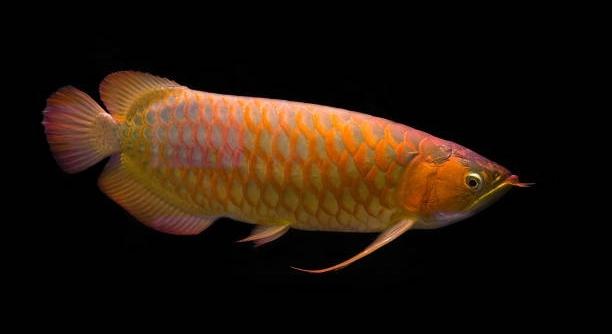
Moving an arowana can feel challenging, especially if you want to avoid stressing the fish. Ensuring a smooth transition is important for both the health of the fish and the safety of your aquarium setup.
The most effective method to move an arowana safely involves preparing a temporary container, regulating water temperature and quality, handling the fish gently with minimal exposure to air, and monitoring its behavior closely throughout the transfer process. Proper planning ensures reduced stress and injury.
Following these steps will protect your fish and keep your aquarium environment stable, making the relocation process much safer and more manageable.
Preparing Your Arowana for the Move
Before moving your arowana, it’s important to prepare both the fish and the environment. Start by selecting a temporary container that is large enough to allow the fish to move comfortably. Clean the container thoroughly, making sure no soap or chemicals remain. Fill it with water from the original tank to maintain similar conditions, including temperature, pH, and hardness. Reduce stress by dimming lights and keeping the environment quiet. Avoid feeding the fish 24 hours before the move to prevent water contamination during transport. Check that all equipment, such as nets and siphons, are ready and sanitized. Planning the move carefully ensures your arowana experiences minimal shock. Maintaining stable water conditions and a calm atmosphere helps preserve the fish’s health, reducing the likelihood of stress-related illness. The more prepared you are, the smoother the process will be for both you and your fish.
Preparing ahead saves time and prevents last-minute complications during the move.
Keeping the water temperature steady is essential. Gradually adjusting any changes and avoiding sudden movements ensures the arowana stays calm and healthy throughout the process.
Transporting the Arowana Safely
Use a soft net to gently guide your arowana into the temporary container. Minimize handling to avoid injuries and keep the fish’s body fully supported.
During transport, keep the container covered and secure to prevent spills or sudden shocks. Avoid exposing the fish to direct sunlight or extreme temperatures. Carry the container steadily, and try to maintain water levels to reduce stress. Using a small air pump or oxygen tablets can help maintain oxygen levels if the move takes more than an hour. Monitor the arowana’s behavior closely, watching for signs of excessive stress, such as rapid gill movement or erratic swimming. Once you reach the new tank, acclimate the fish slowly by matching water temperatures and gradually mixing water from the new environment. Proper handling and careful monitoring are key to preventing injury and ensuring a smooth transition. Following these steps allows your arowana to adjust safely to its new home, preserving its health and overall well-being.
Acclimating Your Arowana
Acclimation is crucial for helping your arowana adjust to its new tank. Start by floating the container in the tank for temperature balance. Slowly add small amounts of tank water to the container over time. This reduces stress and allows the fish to adapt safely.
Once the temperature and water chemistry are stable, gradually mix tank water into the container every 10–15 minutes. Monitor the fish’s behavior carefully during this process. Look for signs of stress such as rapid gill movement or trying to jump. Avoid rushing the acclimation, as sudden changes can cause shock or illness. Keep the environment calm and quiet, with minimal disturbances. Over the next hour, your arowana will begin to adjust to its new surroundings, and you can prepare for a smooth release into the tank.
When ready, gently guide the arowana into its new environment. Avoid pouring the container water directly into the tank to maintain clean water conditions. Monitor the fish for the next few hours, ensuring it swims comfortably and begins exploring its space. Keep tank lighting soft to reduce stress, and maintain stable water parameters. Slowly reintroduce feeding once the fish appears settled. Proper acclimation sets the foundation for long-term health, helping your arowana thrive without complications from environmental changes.
Monitoring After the Move
Keep a close watch on your arowana for the first 24–48 hours. Observe feeding, swimming, and interactions with tank decorations. Minor stress behaviors are normal, but prolonged signs require attention.
Check water quality daily, ensuring ammonia, nitrite, and nitrate levels remain safe. Temperature and pH should stay consistent. Avoid sudden changes in lighting or water flow. Watch for injuries or signs of disease, and maintain a quiet environment. If any issues appear, address them immediately with proper care and water adjustments. Feeding should be gradual, starting with small portions to prevent digestive issues. Document observations to track your fish’s adjustment progress. Patience and careful monitoring during this period will help your arowana recover fully and thrive in the new tank.
Handling Stress During the Move
Stress can affect an arowana’s health significantly. Keep the fish in a calm, quiet environment and avoid sudden movements. Limiting external disturbances helps the arowana stay relaxed and reduces the risk of shock or injury during and after the move.
Providing hiding spots in the tank can also help. Decorations or plants give the fish a sense of security. Maintain stable lighting and consistent water conditions to prevent unnecessary stress. Small adjustments over time are better than sudden changes. Watching your arowana closely ensures you can intervene quickly if it shows signs of agitation or discomfort.
Water Quality Management
Maintaining clean water is essential for arowana health. Test water parameters regularly and keep ammonia, nitrite, and nitrate within safe ranges. Proper filtration, partial water changes, and careful monitoring prevent illness and support recovery after relocation.
Feeding After the Move
Resume feeding slowly. Offer small portions and observe the fish’s appetite. Adjust diet based on how well the arowana accepts food and ensure proper nutrition during recovery.
FAQ
How long can an arowana stay out of water during a move?
An arowana should never be out of water for more than a few minutes at a time. Extended exposure to air can cause severe stress, damage gills, and even lead to death. Always keep a wet, secure container ready and minimize handling. Preparing the container ahead of time ensures the fish remains safe throughout the transfer.
What is the best container for transporting an arowana?
A large, sturdy container that allows the fish to move comfortably is ideal. It should be clean, free of chemicals, and filled with water from the original tank. Using a lid can prevent spills and reduce stress, while maintaining water stability. Soft nets or dividers can help guide the fish gently without causing injury.
Do I need to use an air pump during transport?
For short moves under an hour, a well-oxygenated container from the original tank is usually sufficient. For longer moves, a small battery-operated air pump or oxygen tablets can help maintain proper oxygen levels. Avoid over-aerating, as strong bubbles can stress the fish. Monitor the water surface and the fish’s breathing to adjust oxygen as needed.
Should I feed my arowana before moving it?
It’s better to avoid feeding at least 24 hours before the move. Uneaten food can pollute the water, increasing stress during transport. Feeding small amounts after acclimation ensures the fish receives nutrition without compromising water quality. Observe its appetite closely after the move to ensure it is adjusting well.
How do I acclimate the arowana to a new tank?
Float the container in the new tank to equalize temperature. Slowly mix small amounts of tank water into the container over 30–60 minutes. This gradual adjustment helps the fish adapt to water chemistry changes and prevents shock. Release the arowana gently once it appears calm. Keep lights soft and monitor its behavior closely.
What signs indicate my arowana is stressed?
Stress can appear as rapid gill movement, erratic swimming, hiding excessively, or refusing food. Physical signs include clamped fins, pale coloration, or rubbing against surfaces. Immediate attention to water quality, temperature, and stress reduction measures is critical to prevent illness or injury.
Can I move multiple arowanas at the same time?
It’s possible, but caution is needed. Overcrowding increases stress, risk of injury, and oxygen depletion. If moving multiple fish, provide a larger container and consider separating aggressive individuals. Monitor behavior carefully and ensure all water conditions are stable before release.
What temperature is ideal during the move?
Keep the water close to the original tank temperature, avoiding sudden fluctuations. Extreme heat or cold can shock the fish. Using insulated containers or blankets can help maintain temperature stability, especially during long transport or variable weather conditions.
How long should I monitor my arowana after the move?
Careful observation is important for at least 24–48 hours. Watch feeding habits, swimming patterns, and interactions with the environment. Any prolonged signs of stress or illness should be addressed immediately. Gradual reintroduction to normal routines supports recovery and long-term health.
Are there special precautions for large arowanas?
Yes, larger fish are more sensitive to handling and water quality changes. Use bigger containers, handle gently, and ensure stable water parameters. Plan the move carefully, possibly with assistance, to avoid injury or excessive stress. Their size makes monitoring crucial during acclimation and the first days in the new tank.
Can water from the original tank be mixed with the new tank immediately?
Gradually mixing small amounts of new tank water into the transport container is best. Sudden mixing can shock the arowana due to differences in pH, hardness, or temperature. Gradual acclimation ensures the fish adjusts safely while maintaining health and stability.
How do I prevent injury during handling?
Use soft nets and support the body evenly. Avoid squeezing or lifting the fish by the tail or fins. Keep handling time minimal, and make sure the container is stable to prevent sudden jolts. Smooth, deliberate movements reduce stress and lower the risk of physical damage.
This FAQ covers the most common concerns when moving an arowana. Following these guidelines helps ensure the fish remains healthy, stress-free, and safe throughout the process. Proper preparation, careful handling, and consistent monitoring are key to a successful transfer.
Word count: 519
Final Thoughts
Moving an arowana requires careful preparation, patience, and attention to detail. The process can be stressful for both the fish and the keeper if not done properly. Ensuring the right container, stable water parameters, and minimal handling are all essential steps. Taking the time to prepare the tank and equipment ahead of the move reduces the risk of accidents or stress-related problems. Even small details, like keeping the container covered or dimming lights, can make a significant difference in the fish’s comfort. By planning each step, from the temporary container to acclimation, the move becomes manageable and safer for your arowana.
Proper acclimation is equally important once the fish reaches its new environment. Gradually adjusting the arowana to the new water conditions helps prevent shock and allows it to adapt naturally. Floating the container, slowly mixing tank water, and monitoring its behavior all contribute to a smooth transition. Observing your fish during the first few hours and days ensures it remains healthy and stress-free. Maintaining stable lighting, water temperature, and quality supports recovery, while small portions of food help the fish regain strength. Consistent observation during this period is critical for identifying any issues early, allowing immediate action if needed.
Post-move care plays a large role in long-term health. Keeping the tank clean, monitoring water quality, and watching for signs of stress or illness ensures the arowana remains in optimal condition. Avoid rushing feeding or disturbing the environment unnecessarily, as stability is key. Handling the fish gently and providing hiding spots or calm spaces in the tank helps maintain its comfort. Large or more active arowanas require extra attention, as their size and energy levels can make them more sensitive to changes. Overall, following careful steps during preparation, transport, acclimation, and post-move care creates a secure environment, allowing the arowana to thrive in its new home. Proper planning and patience ultimately make the moving process safer and less stressful for both the fish and the keeper.
Word count: 404

Hello,
If you enjoy the content that we create, please consider saying a "Thank You!" by leaving a tip.
Every little bit helps us continue crafting quality advice that supports the health, happiness, and well-being of pets around the world, for pets of all shapes, sizes, and species.
We really appreciate the kindness and support that you show us!