
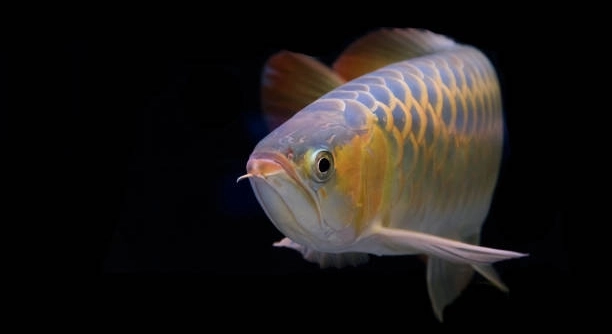
Are you fascinated by keeping arowanas and want to create a balanced aquarium environment? Choosing compatible tankmates can be challenging, as arowanas are large, territorial fish that need careful consideration for cohabitation.
The best tankmates for arowanas include large, non-aggressive fish that can coexist without provoking stress or competition. Avoid small, slow-moving, or highly aggressive species, as these can lead to injury, territorial disputes, or chronic stress for both arowanas and other fish.
Selecting the right companions ensures harmony in your tank and promotes the well-being of all aquatic inhabitants. Learning these principles will make your aquarium safer and more enjoyable.
Best Tankmates for Arowanas
Arowanas are large, powerful fish that require careful selection of tankmates. Ideal companions are similarly sized, non-aggressive species that can handle the arowana’s active and sometimes territorial nature. Examples include large catfish, silver dollars, and certain types of cichlids. Choosing these fish reduces the risk of aggression and ensures a more peaceful aquarium. It is important to avoid small fish, as arowanas may see them as food. Likewise, overly aggressive species can provoke fights, causing stress or injury. Tank size plays a crucial role; larger aquariums allow more space for each fish, helping reduce territorial disputes. Decorations and hiding spots can also improve harmony by providing spaces for fish to retreat. Observing behavior during initial introductions is key, as individual personalities vary. Feeding routines should ensure all species get sufficient nutrition, preventing competition and stress during meal times. Maintaining water quality is equally important, as overcrowding or incompatible species can lead to rapid declines in health.
Careful selection of companions promotes long-term harmony, reducing stress and injury in your tank. Proper planning is essential.
When adding new fish, observe interactions closely. Adjust placements and hiding spots as needed, and ensure compatible diets for all species. This will help maintain a stable, peaceful environment for your arowana and its companions.
Fish to Avoid with Arowanas
Small, slow-moving, or overly aggressive fish should never be housed with arowanas. These traits increase the risk of predation or conflict in the tank.
Feeding patterns, size differences, and territorial behavior are critical considerations when introducing new species. Small tetras, guppies, and bettas are commonly targeted by arowanas due to their size, while aggressive cichlids may provoke attacks. Even medium-sized fish with high aggression can cause injuries or stress. Avoid overcrowding, as confined spaces exacerbate conflicts and heighten territorial disputes. Observation during the first few weeks is necessary to ensure peaceful coexistence. Adjust tank layout with plants, driftwood, or rocks to create separate territories and minimize interactions that could trigger fights. Planning proper tank size and monitoring compatibility ensures long-term health and safety for all fish involved. By carefully selecting suitable species and avoiding risky companions, your arowana’s aquarium can thrive without frequent injuries, stress-related illnesses, or disruptions in feeding routines. This approach balances activity levels, territorial needs, and dietary requirements efficiently.
Silver Dollars
Silver dollars are ideal arowana tankmates because they are large, fast, and non-aggressive. Their schooling behavior keeps them active, while their size prevents them from being seen as prey by the arowana.
These fish thrive in groups of five or more, which helps reduce stress and encourages natural behavior. Silver dollars are herbivorous, feeding on vegetables and plant matter, which complements the carnivorous tendencies of arowanas. They are hardy, adaptable to a range of water conditions, and unlikely to provoke conflict with other large fish. Providing a spacious tank and floating plants helps maintain a stable environment for both species. Observing their interactions during feeding and daily activity ensures they coexist peacefully.
While silver dollars are generally compatible, monitoring is still important. Occasionally, larger arowanas may attempt to chase them, so sufficient hiding spots and swimming space are necessary. Keeping the tank well-maintained supports the health of both species and prevents aggression from stress or overcrowding.
Large Catfish
Large catfish, such as plecos or redtail catfish, make good companions for arowanas due to their bottom-dwelling nature and size. They occupy a different part of the tank, reducing conflict.
These catfish are generally peaceful, spending most of their time near the substrate, cleaning leftovers, and maintaining tank hygiene. Their presence does not interfere with the active swimming of arowanas, and their size prevents them from being targeted. Feeding routines can be adjusted to accommodate both species, offering sinking pellets or vegetables for catfish and live or frozen food for arowanas. Their robust health and adaptability make them low-maintenance companions, ideal for large, well-filtered aquariums. Arowanas and large catfish can coexist successfully when the tank is spacious and structured with hiding areas.
It is important to consider the adult size of catfish, as some species can grow very large and require significant tank space. Monitoring behavior and ensuring adequate food distribution is essential to prevent dominance or territorial disputes. The combination of bottom dwellers and top swimmers creates a balanced environment, reducing stress for both species and supporting long-term aquarium health. Proper care ensures both the arowana and its catfish tankmates thrive together without unnecessary competition or aggression.
Oscars
Oscars are large, robust fish that can coexist with arowanas due to similar size and activity levels. Their intelligence and adaptability allow them to adjust to arowana behavior without provoking aggression.
They are territorial but usually focus on their own space. Proper tank size and structure help reduce conflicts. Oscars thrive in varied diets, including pellets, frozen, and live foods, which makes feeding easier alongside arowanas. Observing early interactions ensures both species remain stress-free and prevents dominance issues from arising.
Silver Arowanas
Silver arowanas can share a tank with other large, peaceful fish if the aquarium is spacious. Their similar activity levels help maintain harmony.
Careful attention is needed during feeding to prevent competition. Maintaining water quality and providing floating plants or decor reduces stress. These measures support long-term cohabitation.
Redtail Catfish
Redtail catfish are bottom-dwelling giants that stay out of the arowana’s primary swimming area. Their calm nature and size make them compatible companions in large tanks.
Large Cichlids
Large cichlids can coexist with arowanas if the species is non-aggressive and the tank has sufficient space. Maintaining separation zones and monitoring interactions helps prevent territorial disputes and ensures both species remain healthy.
FAQ
What fish should I avoid keeping with arowanas?
Small fish such as tetras, guppies, and mollies are unsafe because arowanas may see them as food. Aggressive species like certain cichlids can provoke fights, while slow-moving fish risk injury. Avoid overcrowding, as limited space can worsen territorial disputes and stress.
Can arowanas live with other arowanas?
Yes, but only in very large tanks with adequate space for each fish. Multiple arowanas are territorial, and conflicts can arise if the tank is too small. Separate territories with floating plants or decorations can reduce aggression and allow them to coexist more peacefully.
Are bottom-dwelling fish safe with arowanas?
Generally, yes. Species like large catfish and redtail catfish occupy different tank zones, minimizing conflict. They stay near the substrate and are non-aggressive, which complements the active swimming patterns of arowanas. Ensure they have enough hiding spots and food to prevent stress.
Do arowanas eat their tankmates?
Arowanas are predatory, so small or slow-moving fish are at high risk. Even medium-sized fish may be chased or nipped. Choosing species that are large, fast, or armored reduces predation risk, while careful observation during feeding ensures coexistence without injury.
How can I introduce new fish to an arowana tank?
Introduce fish gradually, using a quarantine tank when possible to monitor health. Add the new fish during feeding times to reduce aggression, and observe interactions closely. Rearrange decor or create temporary partitions to minimize territorial conflicts while fish adjust to each other.
What tank size is suitable for arowanas and their tankmates?
Large tanks are essential. Arowanas need at least 250 gallons for a single adult, with more space for additional fish. Tank length, height, and open swimming areas reduce aggression, while hiding spots and decorations allow companions to establish separate territories and lower stress levels.
Can arowanas coexist with aggressive fish?
Aggressive fish increase the risk of injury and stress, so they are not recommended. Even species considered moderately aggressive may trigger fights. If aggressive fish are necessary, a very large tank with multiple hiding spots and careful monitoring is essential to reduce conflict.
How should I feed arowanas and their tankmates?
Feed arowanas a protein-rich diet of pellets, live, or frozen foods. Tankmates like silver dollars or catfish require vegetables, sinking pellets, or species-specific diets. Feeding in separate zones prevents competition and ensures each species gets adequate nutrition without stress or dominance struggles.
How do I maintain harmony in a multi-species arowana tank?
Observe interactions daily, provide hiding spaces, and ensure a balanced diet for all species. Adequate water quality, proper tank size, and structured territories minimize stress. Gradual introductions, careful species selection, and monitoring behavior are key to long-term coexistence and health.
What signs indicate tankmate stress or aggression?
Look for nipped fins, hiding, erratic swimming, or chasing. Excessive aggression, refusal to eat, or injuries are warning signs. Adjust tank layout, increase space, or separate fish temporarily to reduce stress and prevent injury. Consistent observation ensures both arowanas and companions remain healthy and comfortable.
Can silver arowanas and redtail catfish live together?
Yes, if the tank is large enough. Silver arowanas occupy the top and middle areas, while redtail catfish dwell at the bottom. Adequate space, proper diet, and hiding spots reduce competition and prevent aggression between these species, promoting a balanced, safe environment.
Are Oscars compatible with arowanas long-term?
Oscars can coexist if the tank is spacious and they have distinct territories. Monitor early interactions carefully, as territorial disputes may arise. A varied diet and structured environment with hiding spots help both species adjust and thrive over time without prolonged stress or injury.
What is the best approach to prevent aggression in an arowana tank?
Use large tanks, compatible species, structured territories, and gradual introductions. Observe feeding and interactions, provide hiding spots, and maintain water quality. These steps minimize conflicts and ensure long-term health for both arowanas and their tankmates, creating a stable and peaceful aquarium environment.
Final Thoughts
Keeping arowanas with other fish requires careful planning and attention. These large, active, and sometimes territorial fish are not suited to every tankmate. Selecting compatible species is essential to prevent stress, aggression, and potential injuries. Fish that are large, fast-moving, or non-aggressive tend to coexist well with arowanas. Bottom-dwelling species such as large catfish or redtail catfish provide balance, while schooling fish like silver dollars offer movement without provoking conflict. Avoiding small or highly aggressive fish is critical, as they are either at risk of being eaten or may trigger fights. Arowanas require spacious tanks with adequate swimming areas, and the same space helps other fish maintain their own territories. Adding decorations, hiding spots, and floating plants further reduces tension and allows fish to adjust comfortably. Feeding routines must also account for the dietary needs of all species, preventing competition and ensuring all fish remain healthy.
Observation plays a key role in maintaining harmony. Even with compatible species, individual personalities can differ, and conflicts may arise. It is important to monitor interactions during the first days and weeks after introducing new tankmates. Early intervention, such as adjusting tank layout or separating aggressive fish temporarily, can prevent injuries and reduce long-term stress. Consistent water maintenance is equally important. Overcrowding or poor water quality exacerbates territorial disputes and weakens immune systems, making fish more vulnerable to disease. Providing clean water, stable temperatures, and regular feeding schedules supports the health of both arowanas and their companions. The goal is to create an environment that balances activity, territory, and nutrition so that all species can thrive together over time.
Arowanas are rewarding fish that require careful attention to their environment and companions. With proper planning, compatible tankmates, and a well-structured aquarium, they can live peacefully with other species. Large, non-aggressive fish, sufficient space, and thoughtful feeding strategies are essential components of a successful setup. Avoiding small or overly aggressive fish, while providing hiding spots and observing behavior closely, further reduces stress and potential conflicts. Maintaining water quality, monitoring interactions, and adjusting the tank when needed ensures that the aquarium remains a safe and stable home for all inhabitants. By following these principles, you create a balanced and healthy aquatic environment where your arowana and its tankmates can thrive together, making care manageable and the tank visually harmonious. Proper planning and attention to detail ensure long-term success, allowing the beauty and activity of the arowana to be enjoyed without unnecessary risk to other fish.

Hello,
If you enjoy the content that we create, please consider saying a "Thank You!" by leaving a tip.
Every little bit helps us continue crafting quality advice that supports the health, happiness, and well-being of pets around the world, for pets of all shapes, sizes, and species.
We really appreciate the kindness and support that you show us!