
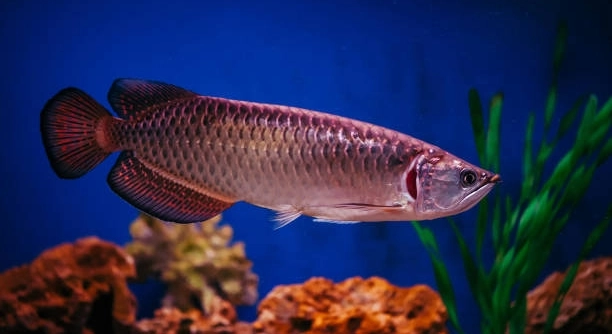
Keeping an Arowana healthy requires attention to its tank environment, including water temperature. Many fish owners wonder whether using a heater is necessary to maintain a stable and comfortable habitat for these majestic creatures.
Using a heater for an Arowana tank is generally recommended, as these fish thrive in warm water between 75°F and 82°F. Consistent temperatures support metabolism, immunity, and overall health, reducing stress and promoting longevity in captivity.
Proper temperature regulation is essential for maintaining a thriving tank environment. Learning how heaters affect your Arowana ensures it stays healthy and active for years.
Why Temperature Matters for Arowanas
Arowanas are tropical fish, and their bodies are highly sensitive to water temperature. Maintaining the right warmth helps their digestion, immune system, and overall activity levels. Sudden drops in temperature can stress the fish, making them more susceptible to disease and reducing appetite. Cold water slows metabolism, leading to lethargy and poor growth. A heater ensures that the water stays within the optimal range, preventing these issues. Even small fluctuations can impact the fish over time, so consistency is key. Beyond health, stable temperatures help Arowanas display natural colors and behavior, making them more visually striking and lively. Observing your fish can give early signs if the water is too cold or too warm. Proper placement of the heater and using a reliable thermometer will maintain stability, avoiding both overheating and chilling. Overall, temperature control is one of the most critical steps in keeping Arowanas healthy and active in captivity.
A heater stabilizes tank temperature, preventing dangerous fluctuations and supporting consistent health for Arowanas.
Even brief exposure to unsuitable water conditions can harm an Arowana. With proper heating, the fish remain active, colorful, and healthy. Choosing the right heater and monitoring it regularly ensures the tank consistently meets the Arowana’s tropical needs, supporting long-term vitality and growth.
Choosing the Right Heater
Not all heaters are suitable for Arowana tanks.
Select a heater that matches the tank size and allows for precise temperature control. Submersible heaters are often preferred because they distribute heat evenly, while adjustable thermostats prevent overheating. Quality heaters are built to resist water damage and maintain consistent warmth, which is critical for sensitive tropical fish. Position the heater near water flow areas to ensure uniform temperature throughout the tank. Combining a heater with a reliable thermometer provides accurate monitoring. Some tanks benefit from dual heaters for larger setups or to maintain stability during maintenance. Always unplug heaters during water changes to avoid damage. Choosing the right wattage is also essential: too weak fails to heat properly, while too strong risks rapid temperature spikes. A well-chosen heater creates a stable environment, reduces stress, and supports the Arowana’s growth, color, and overall behavior. Proper heating helps the tank thrive as a balanced, healthy aquatic habitat.
Installing Your Heater Correctly
Place the heater near a water flow source to ensure even heat distribution throughout the tank. Make sure it is fully submerged if it is a submersible model, and always secure it to prevent movement or damage during cleaning or maintenance.
Proper installation requires attention to placement, submersion, and tank size. Position the heater where water circulation will distribute warmth evenly. Avoid areas blocked by decorations or plants. Ensure it is fully submerged if designed for underwater use and securely attached to prevent tipping. Using a reliable thermometer nearby helps confirm stable temperatures. Regularly inspect the heater for damage or mineral buildup, which can affect performance. Following these steps ensures the heater works efficiently, providing consistent warmth for your Arowana without sudden fluctuations. Proper installation reduces stress and supports long-term health.
After installation, monitor the water temperature for at least 24 hours. This helps confirm that the heater maintains the desired range. Adjust settings gradually if necessary and avoid rapid changes, which can stress your fish. Consistency is critical to keep your Arowana active and healthy.
Monitoring and Maintenance
Regular monitoring of water temperature is essential to prevent harmful fluctuations. Use a thermometer to track the exact temperature consistently.
Cleaning and maintenance extend the life of your heater and keep your tank safe. Mineral deposits can build up on heating elements, reducing efficiency and potentially causing overheating. Unplug the heater before removing it for cleaning. Check the thermostat for accuracy and recalibrate if necessary. Inspect for cracks or damage that could lead to electrical hazards. Replace old or malfunctioning heaters promptly to avoid risking your fish’s health. Proper care ensures stable water conditions, reducing stress on the Arowana. Combining monitoring with routine maintenance provides a consistent, safe environment that promotes strong immunity, healthy growth, and active behavior, supporting the long-term well-being of your tropical fish.
Signs Your Heater Is Not Working
A sudden drop or rise in water temperature can indicate a heater problem. Watch for sluggish fish, changes in appetite, or unusual behavior as early warning signs that the tank is too cold or too warm.
Check the heater’s thermostat and electrical connections. If it fails to maintain the correct temperature, replace it immediately. Regular inspection prevents stress and health issues in your Arowana.
Heater Settings for Arowanas
Set your heater to maintain a stable temperature between 75°F and 82°F. Avoid frequent adjustments, as sudden changes can stress the fish and disrupt their metabolism. Monitoring daily ensures the temperature remains within the optimal range, promoting digestion, immunity, and activity. Maintaining this stability supports long-term health and vibrant coloration, helping your Arowana thrive.
Safety Precautions
Always unplug the heater before cleaning or moving it. Avoid placing it near easily damaged decorations or sharp objects that could compromise the unit.
FAQ
How do I know if my Arowana needs a heater?
Arowanas are tropical fish and require warm, stable water. If your tank drops below 75°F, the fish may become sluggish, lose appetite, or show signs of stress. Monitoring behavior and water temperature daily helps determine if a heater is necessary. A consistent range between 75°F and 82°F supports metabolism and overall health.
Can I use any heater for my Arowana tank?
Not all heaters are suitable. Choose a submersible heater with the right wattage for your tank size. It should have an adjustable thermostat to maintain precise temperatures. Quality heaters last longer, resist water damage, and provide consistent warmth without overheating. Avoid cheap or untested models that may fail suddenly.
Where should I place the heater in the tank?
Position the heater near a water flow area to ensure even heat distribution. Avoid placing it behind decorations or plants that block circulation. Secure the heater to the tank wall with suction cups if submersible. Correct placement prevents cold spots and keeps the entire tank uniformly warm.
How do I monitor the heater’s performance?
Use a reliable aquarium thermometer to track water temperature daily. Observe your fish for signs of stress or lethargy, which may indicate uneven heating. Regular checks ensure the heater maintains a stable environment, and adjustments can be made gradually if needed.
What maintenance does the heater require?
Clean the heater regularly to remove mineral buildup, which can reduce efficiency. Unplug it before cleaning and inspect for cracks or damage. Check the thermostat for accuracy and replace the heater if it fails to maintain consistent temperatures. Routine maintenance prevents sudden temperature fluctuations that could harm the Arowana.
Is it safe to leave the heater on all the time?
Yes, leaving a properly functioning heater on 24/7 is recommended. This maintains a stable environment, preventing harmful temperature swings. Only turn it off during cleaning or when performing water changes. Continuous use supports your Arowana’s digestion, immunity, and activity levels.
What should I do if the heater fails?
Immediately remove the heater and replace it with a working unit. Monitor the tank temperature closely to prevent stress or illness. Temporary solutions, like gently warming water with a smaller heater, may help, but long-term stability requires a reliable replacement. Regular checks prevent sudden failures.
Can two heaters be used in a single tank?
Yes, in larger tanks or to ensure redundancy, two heaters can be used. Place them on opposite sides to distribute warmth evenly. Both should have adjustable thermostats, and you should monitor temperatures to avoid overheating. Dual heaters reduce the risk of sudden cold spots affecting the fish.
How often should I check the water temperature?
Daily checks are ideal. Even minor fluctuations can stress your Arowana over time. Use a thermometer and observe the fish’s behavior. Maintaining the target range consistently prevents illness and supports healthy growth and coloration.
Can heater settings affect breeding or growth?
Yes, stable temperatures support proper metabolism, immune function, and activity, which are critical for growth and reproduction. Sudden temperature drops can halt breeding and stunt growth. Maintaining a steady tropical range encourages healthy development and vibrant coloration in Arowanas.
What signs indicate the heater is too hot?
If water exceeds 82°F, fish may become overly active, gasp at the surface, or display erratic swimming. These behaviors indicate stress and potential long-term health issues. Lowering the temperature gradually helps the fish recover without shocking its system.
Are timers necessary for heaters?
Timers are generally unnecessary for Arowanas. A consistent 24/7 temperature is more important than cycling on and off. Only use timers if simulating seasonal changes or for temporary adjustments during maintenance, always ensuring stability remains.
How do I handle power outages?
During outages, water temperature may drop. Use insulated coverings or temporary heaters to maintain warmth. Monitor fish behavior and gradually restore temperature once power returns. Planning for outages minimizes stress and prevents illness.
Can heaters cause electrical hazards?
If damaged or improperly maintained, heaters pose a risk. Always unplug before cleaning and avoid placing near sharp objects. Use grounded outlets and inspect regularly. Proper care and placement ensure safety for both the fish and the tank environment.
How long do aquarium heaters typically last?
Quality heaters can last 3–5 years with proper maintenance. Mineral buildup, physical damage, or frequent adjustments can reduce lifespan. Replacing aging heaters prevents unexpected failures and keeps the tank environment stable for your Arowana.
What is the best way to combine a heater with filtration?
Position the heater near the filter’s water flow. This ensures even heat distribution throughout the tank. Avoid blocking the heater with decorations that impede circulation. Proper combination of heating and filtration supports consistent water quality and temperature.
Are there alternatives to traditional heaters?
Submersible heaters are standard, but in some cases, external inline heaters or heated mats for smaller tanks can be used. Each method requires monitoring to maintain stability. Regardless of the type, maintaining a steady temperature remains essential for Arowana health.
How do I prevent temperature swings during water changes?
Preheat replacement water to match tank temperature. Slowly add new water to avoid shocking the fish. Using a heater during changes ensures the overall environment remains stable, protecting the Arowana from stress.
Can stress from temperature affect coloration?
Yes, inconsistent or improper temperatures can dull an Arowana’s color. Stable, warm water supports vibrant scales and natural patterns. Maintaining the ideal range promotes overall health, making your fish visually striking while preventing illness.
What routine checks help maintain heater efficiency?
Check temperature daily, inspect the heater for damage, and clean mineral buildup regularly. Ensure the thermostat is accurate and adjust gradually if needed. Routine care ensures consistent performance and long-term stability for the Arowana tank.
Can overheating cause long-term damage?
Yes, prolonged exposure above 82°F can weaken the immune system, increase metabolism too rapidly, and lead to illness or reduced lifespan. Monitoring and adjusting heater settings prevent these harmful effects, keeping the Arowana healthy and active.
How do I balance multiple tank needs with a single heater?
In tanks with multiple species, select a temperature that meets all fish requirements, prioritizing the most sensitive species. Proper placement and circulation ensure even heat distribution, allowing all inhabitants to thrive without stress.
Are there signs of heater malfunction besides temperature fluctuations?
Unusual noises, inconsistent power, visible cracks, or discoloration on the heater surface may indicate failure. Inspect immediately and replace if necessary. Early detection prevents harm to the Arowana and ensures continuous tank stability.
How does water volume affect heater choice?
Larger tanks require higher wattage heaters to maintain stable temperatures. Underpowered heaters struggle to heat the water evenly, creating cold spots. Calculating wattage based on tank volume ensures consistent warmth, preventing stress or illness in Arowanas.
What’s the safest way to adjust temperature?
Gradually adjust the thermostat in small increments. Sudden changes can shock the fish, affecting metabolism and immune response. Monitoring after each adjustment ensures stability and prevents accidental overheating or chilling.
How does a heater impact overall tank health?
A stable heater maintains proper metabolic rates, immune function, and activity levels. Consistent warmth prevents stress, supports digestion, and encourages vibrant coloration. It also complements filtration and water quality management, creating a healthy, balanced aquatic environment for long-term Arowana care.
Can heater placement influence plant growth?
Yes, areas near the heater may be warmer, which can impact certain aquatic plants. Positioning heaters to distribute heat evenly prevents hotspots and supports consistent plant growth throughout the tank. Proper circulation balances temperature for both fish and plants.
Is a backup heater necessary?
In larger or heavily stocked tanks, a backup heater provides extra security. If the primary heater fails, the secondary unit helps maintain stability, preventing sudden temperature drops that could stress or harm the Arowana. Regular checks ensure both heaters are functioning properly.
Do heaters affect oxygen levels in the tank?
Indirectly, yes. Warmer water holds slightly less oxygen, but good circulation from filters and aeration compensates for this. Monitoring both temperature and oxygen ensures the Arowana remains active and healthy without respiratory stress.
How long after installing a heater should I wait before adding fish?
Allow the heater to run and stabilize the tank for at least 24 hours before introducing Arowanas. This ensures the water reaches the correct temperature and the environment is safe for the fish to thrive.
Can heater use reduce disease risk?
Stable temperatures reduce stress, which strengthens immunity and lowers susceptibility to disease. A properly heated tank supports digestion, metabolism, and overall vitality, keeping the Arowana healthier and more resilient over time.
How do I combine lighting and heating for optimal conditions?
Ensure lighting does not create localized hot spots near the heater. Even distribution of both heat and light promotes consistent temperature, healthy plants, and stress-free fish behavior. Monitoring both elements prevents extremes and supports a balanced tank environment.
How often should heaters be replaced?
Replace heaters every 3–5 years or sooner if performance declines. Aging units may fail suddenly, creating temperature instability. Regular replacement ensures consistent, safe conditions for your Arowana, protecting health and longevity.
Can heater use affect feeding schedules?
Yes, stable temperatures support consistent metabolism, allowing predictable feeding routines. Sudden drops or spikes can alter appetite. Maintaining warmth ensures the Arowana remains active and ready for regular feeding times.
How do I prevent heater-related accidents during maintenance?
Always unplug the heater and allow it to cool before handling. Avoid sharp objects and follow manufacturer instructions. Proper care prevents electrical hazards and keeps the tank safe for both fish and caretaker.
Is it necessary to adjust heater settings seasonally?
Seasonal changes indoors are usually minor if the tank is in a temperature-controlled room. Only adjust if ambient temperatures cause noticeable fluctuations. Stability is more important than seasonal cycling for Arowanas.
How do heaters interact with water conditioners or additives?
Most water conditioners are safe to use with heaters. Ensure they are mixed thoroughly to avoid localized chemical concentrations near the heater. Proper mixing prevents stress or irritation to the fish while maintaining stable temperature.
Can heater failure cause sudden fish death?
Yes, extreme temperature changes can shock Arowanas, leading to illness or death. Regular monitoring, proper maintenance, and backup plans reduce the risk and ensure long-term survival and health of your fish.
What are the signs of a heater working optimally?
Stable water temperature within the target range, active fish, good appetite, and vibrant coloration indicate a properly functioning heater. Minimal fluctuations and no visible damage confirm reliable performance.
Final Thoughts
Keeping an Arowana healthy requires careful attention to its environment, and temperature is one of the most important factors. These tropical fish need consistent warmth to maintain their metabolism, immune system, and activity levels. A reliable heater ensures the water remains within the proper range, typically between 75°F and 82°F. Sudden changes in temperature can stress the fish, leading to reduced appetite, lethargy, or even illness. By maintaining a stable environment, you support the Arowana’s overall health and help it display natural colors and behaviors. Proper placement of the heater, combined with daily temperature monitoring, can prevent cold spots or overheating, which are common problems in tanks without adequate heating. This creates a safe and comfortable habitat where your fish can thrive over the long term. Regular observation and adjustments make a noticeable difference in the well-being of these delicate creatures, reinforcing the importance of temperature control in tank management.
Choosing the right heater and keeping it properly maintained is essential for creating a stable environment. Submersible heaters with adjustable thermostats are generally the best choice, as they distribute heat evenly and allow precise control. Regular inspection and cleaning of the heater prevent mineral buildup and potential malfunctions, which could lead to dangerous temperature fluctuations. Even small issues, if left unchecked, can affect the Arowana’s health over time. Daily temperature checks using a reliable thermometer help detect any inconsistencies early, allowing you to address them before they cause harm. In larger tanks, or tanks with multiple species, using dual heaters or higher-wattage models may be necessary to maintain a uniform temperature. This level of care ensures that your fish remain active, healthy, and less prone to stress-related illnesses. Overall, proper heater selection and consistent maintenance are critical steps in providing a safe, comfortable, and thriving aquatic environment for your Arowana.
Maintaining a stable temperature is not only about health but also about supporting long-term growth and vibrant coloration. Consistent warmth encourages proper digestion and metabolism, which in turn allows the fish to develop naturally and maintain strong immunity. Properly heated water helps reduce stress, which is a major factor in preventing disease. While other elements like filtration, water quality, and diet are also important, temperature control forms the foundation of a healthy tank environment. By combining careful heater management with regular monitoring and maintenance, you provide a steady and supportive habitat for your Arowana. Ensuring the heater is properly installed, functioning correctly, and adjusted as needed allows the fish to thrive, displaying their natural beauty and active behavior. Taking these steps demonstrates a commitment to responsible care, creating a balanced and comfortable home for your Arowana for years to come.

Hello,
If you enjoy the content that we create, please consider saying a "Thank You!" by leaving a tip.
Every little bit helps us continue crafting quality advice that supports the health, happiness, and well-being of pets around the world, for pets of all shapes, sizes, and species.
We really appreciate the kindness and support that you show us!