
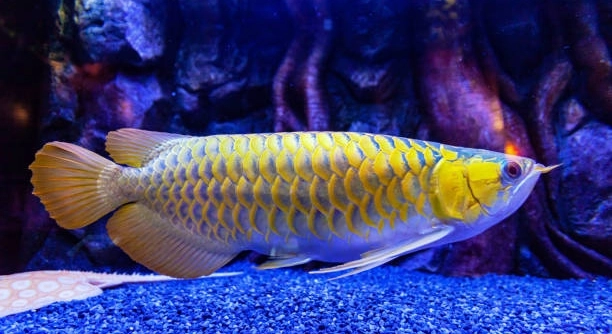
Arowanas are majestic, long-bodied fish that bring elegance to any aquarium. Their shimmering scales and graceful movements make them a captivating addition, but keeping them alongside other fish requires careful planning and consideration of their natural behavior.
Arowanas can coexist with certain tank mates, but compatibility depends on size, temperament, and habitat needs. Aggressive or small fish may be at risk, so careful selection of species is essential to maintain a balanced and safe aquatic environment.
Knowing which fish can share a tank with your Arowana ensures harmony and reduces stress for all inhabitants, creating a more enjoyable and healthy aquarium setup.
Understanding Arowana Behavior
Arowanas are naturally territorial and can display aggressive behavior, especially in confined spaces. Their large size and strong swimming instincts make them dominant in most community tanks. They prefer open water and require plenty of space to move freely. Observing their interactions with other fish can help prevent conflicts and injuries. Feeding routines also play a role in behavior, as Arowanas may become competitive during mealtimes. They are carnivorous and enjoy live or frozen foods, which can trigger hunting instincts. Tank decoration should allow for hiding spots for other fish, though Arowanas rarely use them themselves. Regular monitoring ensures that any signs of stress or aggression are addressed quickly. Adjustments in tank size, water parameters, or fish combinations may be necessary. By understanding their natural tendencies, aquarists can create a more balanced environment that accommodates their Arowana without compromising the well-being of other fish.
Tank size significantly affects Arowana behavior, with larger tanks reducing stress and aggression.
Proper management of tank dynamics and careful selection of companions supports a healthier, calmer environment, keeping aggression minimal and interactions safe for all species.
Choosing Compatible Tank Mates
Arowanas can coexist with certain fish that are robust and similarly sized. Peaceful mid- to large-sized species often do best. Fish with slower movements or small sizes are at risk of being attacked. Consider armored species like some catfish or large cichlids, which can handle an Arowana’s presence without being intimidated. Avoid overly aggressive fish that may challenge the Arowana, as this can lead to constant conflict. Tank mates should have similar water parameter needs to maintain stability. Introduce new fish gradually, observing interactions closely. Providing plenty of hiding spaces for smaller companions can reduce stress. Compatibility also depends on feeding habits, so ensure all species are receiving appropriate nutrition. Monitoring behavior after each addition is crucial, as even typically compatible fish may provoke unexpected aggression. Choosing wisely ensures a harmonious tank where both the Arowana and its companions thrive without unnecessary risk or tension.
Careful selection and observation help maintain a balanced aquarium, preventing stress for all fish.
Introducing suitable species gradually, maintaining ample space, and monitoring interactions ensures a peaceful environment where Arowanas and their tank mates can thrive long-term.
Feeding and Tank Dynamics
Arowanas are carnivorous and prefer live, frozen, or high-protein foods. Feeding should be consistent to reduce aggression. Avoid overfeeding, as leftover food can affect water quality and trigger disputes among tank mates. Proper feeding supports calmer interactions in the aquarium.
Regular feeding schedules help establish a routine, lowering territorial behavior and stress. Providing enough food ensures the Arowana does not view other fish as competition.
Tank layout also impacts harmony. Open swimming areas reduce aggression, while hiding spots help smaller companions feel secure. Observing behavior during feeding allows timely intervention if conflicts arise. Overcrowding increases stress, so maintaining adequate space is essential for all species to coexist safely.
Water Quality and Maintenance
Stable water parameters are crucial for Arowanas and their companions. Frequent testing of pH, ammonia, nitrite, and nitrate levels ensures a healthy environment. Sudden changes can trigger stress or illness in both the Arowana and other fish.
Regular water changes prevent toxin buildup and maintain oxygen levels. Filters should be appropriately sized for the tank, and aeration can help circulation. Maintaining consistent temperature and avoiding sudden fluctuations support overall health. Tank cleaning should be thorough but gentle to avoid stressing the fish. Proper maintenance reduces disease risk and ensures all species thrive together, minimizing aggressive or defensive behaviors caused by poor conditions.
Monitoring water conditions and maintaining cleanliness fosters a balanced ecosystem. Consistency in care supports healthy growth and long-term harmony in mixed-species tanks.
Common Compatible Fish
Large, peaceful fish such as silver dollars, certain catfish, and some cichlids often coexist well with Arowanas. They are robust enough to handle the Arowana’s presence without provoking aggression. Proper size and temperament are key factors in compatibility.
Avoid small, slow-moving, or flashy fish. These are often seen as prey, increasing stress and risk of attacks. Choosing tank mates carefully reduces conflict and promotes a calmer environment for all species.
Signs of Aggression
Arowanas may chase, nip, or corner other fish when feeling threatened or territorial. Continuous harassment indicates incompatibility or insufficient space. Observing these behaviors early helps prevent injuries.
Adjusting Tank Conditions
Increasing tank size, adding hiding spots, or rearranging decorations can help reduce territorial disputes. Proper adjustments allow fish to establish separate areas and feel safer, improving overall tank harmony.
Final Compatibility Checks
Monitor interactions over several weeks before considering the combination successful. Even initially compatible fish may develop conflicts if conditions change. Consistent observation ensures safety and long-term coexistence.
FAQ
Can Arowanas live with small fish?
Small fish are usually at risk in an Arowana tank. Arowanas are predatory and may see smaller species as food. If you want a mixed tank, avoid tiny or slow-moving fish. Focus on larger, more robust species that can coexist without stress or danger.
Which types of fish are safest with Arowanas?
Peaceful, mid- to large-sized fish tend to be the safest companions. Silver dollars, large catfish, and some cichlids can handle an Arowana’s presence. Fish with protective armor or a similar size range are better suited to minimize conflict. Always consider temperament and activity level when selecting tank mates.
How much space do I need for multiple fish with an Arowana?
Space is critical to reduce territorial aggression. Arowanas require a large tank, ideally over 250 gallons for a single adult. Adding other sizable fish increases the space requirement. The tank should allow open swimming areas for the Arowana and hiding spots for companions to maintain balance and reduce stress.
Can Arowanas be aggressive during feeding?
Yes, feeding time can trigger aggression. Arowanas are competitive eaters, especially with live or meaty foods. Feeding in multiple areas of the tank helps distribute attention and reduces chasing. Providing enough food prevents the Arowana from viewing other fish as rivals for resources.
Do tank decorations help with aggression?
Decorations can make a difference. Open swimming space is essential for Arowanas, while hiding spots and plants give smaller fish security. Rearranging the tank occasionally can help reset territorial boundaries. Avoid overcrowding or placing obstacles that trap fish, as this can increase stress and provoke fights.
How can I tell if my tank mate is stressed?
Signs of stress include hiding excessively, loss of appetite, rapid breathing, or visible injuries from chasing. Consistent observation is necessary, as stress can quickly lead to disease. Adjust tank conditions, space, or species if stress signs persist. Proper monitoring keeps all fish healthy and safe.
Are there any fish I should never put with an Arowana?
Tiny, slow-moving, or brightly colored fish should be avoided. Species like neon tetras or guppies are often eaten. Highly aggressive fish may also provoke unnecessary fights. Stick to larger, calm, and hardy species to maintain harmony. Careful selection prevents accidents and ensures peaceful cohabitation.
Can Arowanas and goldfish live together?
Goldfish are cold-water fish and have very different temperature and water requirements than Arowanas. Mixing these species can cause health issues for both. Temperature incompatibility and dietary differences make goldfish a poor choice for Arowana tanks. Opt for tropical, similarly sized fish instead.
How long does it take to see if tank mates are compatible?
Compatibility can usually be assessed over several weeks. Initial interactions may be tense, but persistent chasing or attacks indicate incompatibility. Monitor daily and be ready to separate fish if aggression continues. Early observation prevents injuries and helps maintain a safe environment for all species.
Is it necessary to quarantine new fish with an Arowana?
Yes, quarantining new fish is essential. It prevents disease transfer and allows you to observe behavior before introducing them to the main tank. A two- to four-week quarantine period is recommended. Proper quarantine ensures both Arowana and new companions remain healthy and reduces the risk of conflict.
Can Arowanas live with bottom-dwelling fish?
Yes, bottom dwellers like plecos or larger catfish often coexist well because they occupy different tank zones. Ensure they are large enough to avoid predation and that the Arowana has sufficient space above. This separation of zones reduces encounters and keeps aggression low.
How often should I monitor tank interactions?
Daily observation is ideal. Early signs of aggression or stress can escalate quickly. Watching feeding behavior, chasing, or hiding helps identify potential problems. Consistent monitoring allows timely adjustments to tank conditions, spacing, or species combinations, ensuring long-term harmony.
Can an Arowana live peacefully with more than two other species?
It is possible, but only with careful selection and adequate space. Each species should be large enough, non-aggressive, and occupy different zones of the tank. Overcrowding increases stress and the risk of conflict, so maintain ample swimming areas and hiding spaces. Gradual introduction is key for success.
Do juvenile Arowanas behave differently with tank mates?
Juveniles may be less aggressive initially but can become territorial as they grow. Early observation helps predict future compatibility. Tank size and layout adjustments may be needed as the Arowana matures to maintain peace. Ensuring space and proper feeding routines reduces conflicts during growth stages.
Can Arowanas live with other aggressive fish?
Highly aggressive fish can lead to constant fights and injuries. It is safer to pair Arowanas with calm, robust species. Matching size, temperament, and activity level is essential. Avoid combining multiple dominant species, as territorial disputes can become serious, threatening the health and safety of all fish.
Is it safe to keep Arowanas with other carnivorous fish?
Caution is required. Competing carnivorous fish may provoke fights over food or territory. Only species that are similarly sized, non-aggressive, and accustomed to coexistence should be considered. Feeding in multiple locations helps reduce competition and ensures all fish receive proper nutrition.
How does water temperature affect compatibility?
Arowanas require warm, stable temperatures between 75–82°F. Tank mates must tolerate the same range to thrive. Temperature fluctuations can stress sensitive fish, leading to illness or aggression. Maintaining consistency in heating and circulation supports harmonious coexistence and overall tank health.
What should I do if aggression occurs despite precautions?
Immediate separation may be necessary to prevent injury. Adjusting tank layout, increasing space, or removing incompatible fish can resolve issues. Monitoring water conditions and feeding routines also helps reduce tension. Early intervention protects all species and maintains a stable, safe environment.
Can Arowanas coexist with schooling fish?
Schooling fish that are mid- to large-sized and non-aggressive can coexist. Their movement patterns usually do not provoke the Arowana. Small or highly active schooling fish may trigger hunting instincts, so size and temperament are important considerations for peaceful coexistence.
Does lighting affect Arowana behavior with other fish?
Lighting can influence activity levels. Bright, intense light may stress some species or trigger defensive behavior. Moderate lighting with areas of shade helps all fish feel secure. Providing natural day-night cycles supports normal activity and reduces unnecessary aggression in the tank.
Are there signs that tank mates are fully compatible?
Fish swim freely without constant chasing, feed without disputes, and show minimal stress signs. Balanced interactions, normal coloration, and active, healthy behavior indicate a harmonious tank. Continuous observation ensures that compatibility is maintained as the Arowana and companions grow or conditions change.
How important is tank size in compatibility?
Tank size is one of the most critical factors. Larger tanks reduce territorial conflicts and allow proper zoning. Crowded tanks increase stress, aggression, and risk of injury. Ensure sufficient space for the Arowana and all companions to swim comfortably while maintaining separate territories.
Can compatibility change over time?
Yes, as Arowanas grow, their behavior and dominance can change. Some fish that were previously compatible may face aggression. Regular observation, tank adjustments, and careful monitoring of new additions help maintain long-term harmony among all species.
How do I introduce new fish safely to an Arowana tank?
Float new fish in a quarantine container first, then gradually acclimate them to the tank. Rearrange decorations to minimize territorial claims. Monitor interactions closely during the first few weeks to ensure safety and compatibility. Gradual introductions reduce stress and potential aggression.
Are there any supplements or feeding strategies that reduce aggression?
Providing a varied diet and multiple feeding points can reduce competition. High-protein foods satisfy hunting instincts and prevent the Arowana from targeting other fish. Ensuring all species receive adequate nutrition minimizes stress, reduces aggression, and promotes overall health in the aquarium.
How often should I reassess tank compatibility?
Compatibility should be reassessed whenever fish grow, new species are added, or tank conditions change. Regular monitoring ensures that conflicts are addressed early. Maintaining awareness of behavior and interactions keeps the aquarium environment stable and safe for all inhabitants.
What are the long-term benefits of proper compatibility management?
Maintaining compatible tank mates prevents injuries, reduces stress, and promotes healthy growth. A harmonious aquarium supports natural behavior, vibrant coloration, and longevity for all fish. Careful planning and observation make the tank a safe, balanced habitat that benefits both the Arowana and its companions.
Can Arowanas live with other tropical fish safely long-term?
Yes, if species are carefully chosen, sized appropriately, and the tank is spacious. Maintaining stable water conditions, monitoring behavior, and providing proper feeding routines ensures long-term harmony and a thriving aquatic environment for all species.
How do I recover from unexpected aggression?
Separate injured or stressed fish immediately. Treat injuries and adjust tank conditions to reduce triggers. Consider re-evaluating tank mates or layout to prevent repeated incidents. Quick action preserves health and prevents long-term stress or fatalities.
Are there specific signs that indicate a fish is a poor match?
Frequent chasing, nipping, hiding, or rapid breathing indicates incompatibility. Loss of appetite, color fading, or injuries are serious signs. Observing these behaviors early allows corrective action to maintain a safe and balanced environment.
What is the best overall strategy for mixing Arowanas with other fish?
Select robust, similarly sized species, maintain ample tank space, monitor interactions, and provide consistent care. Gradually introduce new fish, adjust decorations, and ensure proper feeding routines. Regular observation and proactive adjustments create a stable environment that promotes peaceful coexistence.
Can juvenile and adult Arowanas have different compatibility needs?
Yes, juveniles are less territorial, but adults require more space and may become aggressive. Tank mate selection should consider growth potential. Adjust tank conditions and monitor behavior as the Arowana matures to maintain harmony and prevent conflicts.
How does diet variety impact coexistence?
A varied diet keeps the Arowana satisfied and reduces predatory behavior. Feeding different protein sources and distributing food throughout the tank minimizes competition. Proper nutrition supports health, lowers aggression, and helps maintain a peaceful environment for all species.
Are there any behavioral signs that indicate successful cohabitation?
Fish swim calmly, feed without stress, and show no injuries from chasing. Normal coloration and active movement indicate comfort. When all species exhibit these behaviors consistently, it shows that compatibility is well-maintained and the tank is harmonious.
Can environmental enrichment improve compatibility?
Yes, adding plants, rocks, and open spaces allows fish to establish territories and reduces stress. Environmental enrichment gives smaller fish areas to hide and helps the Arowana focus on swimming rather than dominating, promoting peaceful coexistence.
What is the ideal monitoring routine?
Daily checks for feeding behavior, chasing, hiding, and water conditions are recommended. Immediate adjustments for any signs of stress or aggression help maintain a safe, stable, and harmonious tank. Consistent monitoring is key to long-term compatibility.
How do I balance feeding with multiple species?
Feed in multiple locations to reduce competition. Ensure all species get appropriate portions and nutrition. Observing mealtimes helps identify aggression or dominance, allowing timely interventions. Balanced feeding routines reduce tension and support a healthier community tank.
Is it possible for Arowanas to coexist with other apex fish?
Yes, but only with careful selection. Apex fish of similar size and temperament can coexist if space is ample and feeding is managed. Avoid pairing multiple highly aggressive species to reduce territorial conflicts and stress.
Do tank lighting and decorations influence compatibility long-term?
Yes, lighting that simulates natural cycles and decorations that provide hiding and swimming space support calm behavior. Proper environmental setup prevents stress and helps maintain a harmonious relationship between the Arowana and its companions.
Can compatibility issues be permanent?
Some combinations may never work due to size, temperament, or predatory instincts. If repeated aggression occurs despite adjustments, separation is necessary to ensure safety. Understanding the limits of cohabitation is important for long-term aquarium success.
What is the best approach to ensure long-term success?
Choose compatible species, provide ample space, maintain water quality, monitor interactions, and adjust the tank environment as needed. Gradual introductions, proper feeding, and consistent observation support peaceful coexistence and a healthy, thriving aquarium.
How do I balance multiple factors at once?
Prioritize tank size, species selection, feeding routines, water quality, and environmental enrichment. Monitoring behavior and adjusting as necessary creates a balanced ecosystem. Attention to all factors ensures harmony and minimizes stress for both Arowanas and their tank mates.
Arowanas are beautiful, striking fish that can bring elegance to a well-planned aquarium. Their size, natural behavior, and presence make them both fascinating and challenging to keep alongside other fish. Observing their behavior closely is essential to ensure the well-being of all tank inhabitants. Aggression, territorial instincts, and feeding habits must be considered when selecting companions. While some fish can coexist peacefully, others may provoke stress or even become targets of predation. Understanding these tendencies helps create a tank environment that balances the Arowana’s needs with the safety of other species. Proper planning, from tank size to water parameters, plays a crucial role in maintaining harmony and reducing potential conflicts.
Choosing compatible tank mates requires careful thought and observation. Mid- to large-sized, calm, and robust species generally fare best in an Arowana tank. Bottom-dwelling fish or armored species often occupy different zones of the tank, minimizing direct interactions. Feeding routines are important, as competition for food can trigger aggression even among compatible species. Providing ample space for swimming and hiding spots for smaller fish supports a healthier dynamic. Gradual introductions, combined with careful monitoring of behavior over several weeks, allow aquarists to gauge compatibility effectively. Adjustments in tank layout, feeding practices, and monitoring schedules may be necessary as the Arowana grows or as new fish are added. By anticipating potential challenges, it becomes possible to manage the tank in a way that promotes long-term stability and reduces the risk of injuries or stress.
Maintaining a successful mixed-species tank with an Arowana involves ongoing care and attention. Consistent water quality, proper diet, and a spacious environment are essential for both the Arowana and its companions. Observation is key; noticing early signs of aggression, stress, or illness allows for prompt intervention. Tank mates that appear compatible initially may develop conflicts over time, particularly as the Arowana matures and establishes dominance. By staying vigilant and making necessary adjustments, aquarists can create a balanced, peaceful environment where all fish thrive. Proper management not only ensures safety but also encourages natural behavior, vibrant coloration, and overall health for every species in the tank. With thoughtful planning and attentive care, an Arowana can coexist with selected companions, resulting in a harmonious and visually striking aquarium.

Hello,
If you enjoy the content that we create, please consider saying a "Thank You!" by leaving a tip.
Every little bit helps us continue crafting quality advice that supports the health, happiness, and well-being of pets around the world, for pets of all shapes, sizes, and species.
We really appreciate the kindness and support that you show us!