
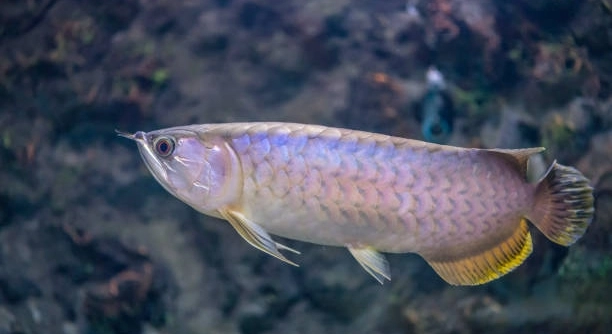
Keeping an Arowana can be exciting, but it comes with its challenges. Many new owners make avoidable mistakes that affect the fish’s health and longevity. Learning about these pitfalls early can save both stress and effort.
The most common mistakes Arowana owners make include improper tank size, poor water quality management, overfeeding, neglecting filtration, using incompatible tank mates, incorrect diet, and inadequate monitoring of fish health. Addressing these factors is crucial for maintaining a thriving environment.
Knowing these common errors will help you care for your Arowana more effectively. Simple adjustments in daily routines can make a big difference in its health and happiness.
Mistake 1: Choosing the Wrong Tank Size
Many new Arowana owners underestimate how large their fish can grow. Arowanas are active swimmers and need plenty of space to move. Keeping them in a small tank can cause stunted growth, stress, and even health issues. Ideally, the tank should be at least 250 gallons for an adult fish. The tank’s length is just as important as its height, as Arowanas prefer horizontal swimming space. Regularly monitoring your fish’s behavior will help you know if it feels cramped. A cramped tank can lead to aggressive behavior or lethargy, both signs that your setup isn’t sufficient. Investing in a larger tank from the beginning saves trouble later. It also allows proper filtration and space for decorations that mimic a natural environment. Remember that proper tank size supports both physical health and mental stimulation. Adjustments in tank setup can prevent long-term problems and give your fish room to thrive naturally.
Choosing a tank that is too small restricts swimming space, increases stress, and may lead to stunted growth or aggressive behavior in Arowanas.
Giving your fish enough room makes maintenance easier and supports its overall well-being. Proper space also allows for better filtration and water quality control, keeping your Arowana healthier over time.
Mistake 2: Poor Water Quality
Neglecting water quality can harm your Arowana quickly. Dirty water leads to infections, weakened immunity, and stress, all of which shorten lifespan. Maintaining a stable pH, temperature, and ammonia level is essential. Regular water changes are critical to removing toxins and keeping the tank safe. Using a reliable filter and testing water weekly prevents sudden spikes in harmful chemicals. Overfeeding or not cleaning debris also affects water quality. A consistent maintenance schedule makes a huge difference, keeping your fish active and healthy. Avoid adding chemicals too quickly, as Arowanas are sensitive to sudden changes. Observing your fish daily helps you detect stress or disease early, allowing immediate correction. Remember, water quality is the foundation of a thriving Arowana, and neglecting it can undo all your other care efforts. Proper attention now avoids costly mistakes later.
Regular testing and filtration ensure your fish stays in a clean, stable environment.
Keeping water quality high involves frequent monitoring, filtration, and careful feeding practices. Using a combination of mechanical and biological filtration systems helps maintain a balanced ecosystem. Water changes of 25–30% weekly remove toxins and prevent ammonia buildup. Avoid overcrowding the tank, as this increases waste and stresses your fish. Temperature should be consistent between 75–82°F, and pH around 6.5–7.5, depending on your fish’s species. Sudden chemical changes, like adding medications or altering pH too quickly, can shock your Arowana. Observe your fish for changes in behavior, such as loss of appetite or unusual swimming patterns, which may indicate poor water conditions. Proper maintenance also includes cleaning decorations and substrate regularly to remove waste buildup. Over time, keeping water quality stable reduces disease risk and promotes growth. With consistent care, your Arowana can live a long, healthy life, showing vibrant colors and active behavior.
Do you want me to continue with the next mistakes following the same format?
Mistake 3: Overfeeding
Overfeeding Arowanas can quickly lead to poor health. Excess food pollutes the water, causes obesity, and stresses their digestive system. Feeding small portions two to three times a day is usually enough. Watching your fish eat helps prevent leftover food from accumulating.
A balanced diet is crucial. Arowanas thrive on a mix of live, frozen, and pellet foods. Overfeeding can cause bloating, swim bladder problems, and digestive issues. Leftover food breaks down in the tank, increasing ammonia and nitrite levels, which are harmful. Paying attention to portion sizes and frequency ensures your fish stays healthy, active, and maintains proper growth. Avoid guessing how much your fish needs; observe its behavior and adjust accordingly.
Feeding too much also increases the risk of aggression. Arowanas can become territorial if food is scattered carelessly. By controlling the amount and timing of meals, you reduce stress and water contamination. Smaller, controlled feedings make your routine easier to manage, and your fish will be healthier and more vibrant over time.
Mistake 4: Ignoring Tank Mates
Arowanas can be aggressive toward smaller or passive fish. Choosing incompatible tank mates often results in injuries or stress. Research species carefully before adding them, and consider size and temperament.
Mixing Arowanas with other large, robust fish reduces conflict. Avoid overcrowding, as it increases tension and competition for food. Aggressive interactions can leave scars, slow growth, and create stress that makes your fish more vulnerable to disease. Keeping only compatible species ensures a stable, peaceful environment.
Even with compatible tank mates, observation is key. Some Arowanas may behave aggressively despite proper selection, requiring adjustments in decorations or temporary separation. Providing plenty of hiding spots, clear territory, and proper feeding reduces conflicts. Monitoring behavior daily allows you to intervene before serious harm occurs. Peaceful coexistence depends on planning, patience, and attention to subtle changes in interactions. A calm environment promotes healthier fish and a more enjoyable tank overall.
Mistake 5: Neglecting Filtration
Arowanas produce a lot of waste, so proper filtration is essential. Using a filter that is too small or inefficient can quickly lead to poor water conditions. Cleaning and maintaining the filter regularly keeps the tank safe and reduces stress on your fish.
Mechanical, biological, and chemical filtration all play a role. Skipping any of these can allow toxins to build up, affecting your Arowana’s health. A strong filtration system keeps water clear, maintains stable parameters, and supports beneficial bacteria that break down waste. Regularly checking flow rates and replacing media ensures long-term efficiency.
Mistake 6: Incorrect Diet
Feeding only one type of food limits nutrition. Arowanas need variety to stay healthy. Rotating between pellets, frozen fish, insects, and occasional live foods provides essential vitamins, minerals, and protein for growth and color development.
Mistake 7: Inadequate Health Monitoring
Ignoring small health changes can become serious quickly. Observing your fish daily for behavior, appetite, and physical signs helps detect illness early and ensures timely treatment, keeping your Arowana healthy and vibrant.
FAQ
How often should I feed my Arowana?
Arowanas should be fed small portions two to three times a day. Overfeeding can cause bloating, water pollution, and health problems. Watch how much your fish eats in a few minutes and remove any leftovers to prevent ammonia buildup. Adjust portion sizes as your fish grows.
What is the ideal tank size for an Arowana?
Adult Arowanas need a tank of at least 250 gallons. They require plenty of horizontal swimming space, as they are active swimmers. A longer tank is better than a taller one. Proper size supports growth, reduces stress, and allows effective filtration and decorations.
How do I maintain water quality?
Test your water weekly for ammonia, nitrites, nitrates, and pH. Perform regular water changes of 25–30% weekly. Use a reliable filtration system combining mechanical, biological, and chemical filtration. Remove uneaten food and debris daily to prevent toxin buildup. Keep temperature stable around 75–82°F.
Can Arowanas live with other fish?
Arowanas are aggressive and territorial. They do best with other large, robust fish, avoiding small or passive species. Overcrowding increases stress and can lead to injuries. Provide hiding spots and territory markers to reduce conflicts, and monitor behavior closely. Some Arowanas may still show aggression despite proper selection.
What should I feed my Arowana?
A balanced diet is essential. Feed a mix of high-quality pellets, frozen or live fish, insects, and occasional treats. Rotating foods ensures proper nutrition and supports growth, vibrant coloration, and overall health. Avoid feeding only one type of food to prevent deficiencies and digestive issues.
How do I prevent disease?
Regularly monitor your Arowana for changes in appetite, behavior, or appearance. Maintain clean water, proper temperature, and stable pH. Quarantine new fish before introducing them. Avoid sudden chemical changes and overcrowding. Early detection and consistent care are key to preventing common illnesses.
Why is my Arowana not growing properly?
Stunted growth often comes from a small tank, poor diet, or unstable water conditions. Ensure your tank is large enough, feed a balanced diet, and maintain clean, stable water. Stress from aggression or inadequate space can also slow growth. Proper environment and care encourage healthy development.
How do I reduce aggression in my tank?
Provide plenty of swimming space, hiding spots, and proper tank mates. Avoid overcrowding and maintain a consistent feeding routine. Observing interactions daily allows early intervention if fights start. Some individual Arowanas may require temporary separation to prevent injury.
How often should I clean the tank?
Partial water changes should be done weekly, around 25–30%. Clean substrate and decorations as needed to remove debris. Filter media may need replacement or rinsing according to manufacturer instructions. Consistent cleaning helps prevent ammonia spikes and keeps your fish healthy.
Can Arowanas jump out of the tank?
Yes, Arowanas are strong jumpers. Always use a secure lid to prevent accidents. Make sure the cover fits tightly and consider leaving minimal gaps. This is especially important during feeding, as sudden movements may trigger jumping behavior.
What are signs of stress in an Arowana?
Stress signs include clamped fins, loss of appetite, unusual swimming patterns, or aggressive behavior. Poor water quality, inadequate space, or incompatible tank mates often cause stress. Early recognition allows adjustments in environment or care to restore health.
How do I know if my Arowana is healthy?
A healthy Arowana has clear eyes, vibrant colors, smooth scales, and active swimming. Appetite should be consistent, and fins should be intact. Regular observation, proper diet, clean water, and compatible tank mates all contribute to overall well-being.
How do I introduce a new fish to the tank?
Quarantine new fish for at least two weeks to monitor health. Slowly acclimate them to the main tank’s temperature and water parameters. Observe interactions carefully once introduced. Some new additions may need temporary separation to avoid aggression from your Arowana.
Can I keep Arowanas alone?
Yes, some Arowanas thrive alone and may be less stressed without tank mates. However, if you choose to add other large fish, make careful selections and provide enough space to prevent territorial disputes. Alone or with compatible species, proper care is key.
How long do Arowanas live?
With proper care, Arowanas can live 10–15 years or longer. Long-term health depends on tank size, water quality, diet, and monitoring for disease. Consistent attention to environment and nutrition ensures your fish reaches its full lifespan.
This FAQ section covers the most common concerns new and experienced Arowana owners face, helping ensure your fish remains healthy, active, and vibrant for years.
Keeping an Arowana is both rewarding and challenging. These fish are beautiful, active, and fascinating to watch, but they require careful attention to thrive. One of the most important factors in caring for an Arowana is providing a proper environment. Tank size, water quality, and filtration all play a critical role in the fish’s health. A tank that is too small or poorly maintained can lead to stress, stunted growth, or illness. Many owners underestimate how large Arowanas can grow, and providing enough space from the beginning makes a significant difference. Alongside space, maintaining stable water parameters is essential. Regular testing, water changes, and proper filtration prevent dangerous ammonia and nitrite buildup. Even small changes in water quality can quickly affect the fish, so consistency is key.
Diet is another area that requires attention. Overfeeding or providing only one type of food can create problems. A balanced diet with a mix of pellets, frozen foods, live foods, and occasional treats ensures proper growth, vibrant color, and overall health. Feeding in controlled portions prevents leftover food from polluting the tank, which in turn supports water quality. Observing your Arowana during feeding also allows you to notice any unusual behavior, which can be an early sign of health issues. Monitoring for stress or illness is a small effort that pays off by preventing serious problems later. Additionally, considering tank mates carefully reduces aggression and stress, creating a more peaceful and manageable environment.
Patience and regular maintenance are the keys to successful Arowana care. Small, consistent actions like cleaning the tank, checking the filter, and monitoring water parameters build a stable environment over time. Attention to detail, such as proper diet, careful selection of tank mates, and observing daily behavior, helps prevent mistakes that could harm your fish. Arowanas require commitment, but the rewards are worth it. Watching a healthy Arowana swim gracefully, showing vibrant colors and natural behavior, is deeply satisfying. Taking the time to provide the right care ensures your Arowana has a long, healthy life, allowing you to enjoy the beauty and energy of this remarkable fish for years.

Hello,
If you enjoy the content that we create, please consider saying a "Thank You!" by leaving a tip.
Every little bit helps us continue crafting quality advice that supports the health, happiness, and well-being of pets around the world, for pets of all shapes, sizes, and species.
We really appreciate the kindness and support that you show us!