
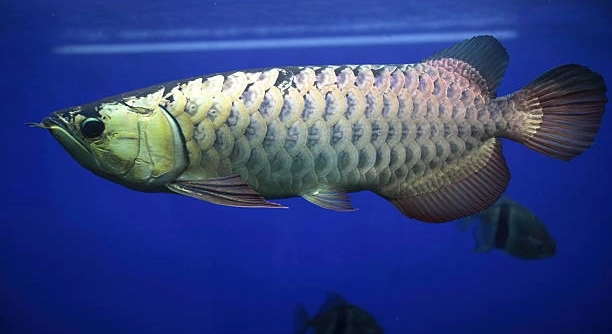
Have you ever noticed your arowana swimming happily one day and then suddenly disappearing from its tank? Many fish owners experience this unsettling situation without knowing why it happened. Understanding the reasons can help prevent future losses.
Arowanas can disappear due to several factors, including jumping out of the tank, predation by other pets, water quality issues, illness, insufficient hiding spaces, improper feeding, or stress from environmental changes. Each factor can significantly impact their survival and behavior.
Knowing the potential causes can help you create a safer, healthier environment for your arowana and reduce the risk of sudden disappearances in the future.
Jumping Out of the Tank
Arowanas are strong, active fish, and sometimes they jump out of their tanks without warning. This can happen if the water conditions are poor, the tank is too small, or there is sudden noise or movement around the aquarium. Many fish owners underestimate how high arowanas can jump, and even a small gap in the tank lid can be enough for them to escape. I’ve seen tanks where arowanas leapt right over decorations or filters. Ensuring the tank is covered securely is essential. Also, adding plants or floating decorations can help reduce the fish’s urge to jump. Keeping the water calm and stable helps as well. Sudden changes in water temperature or quality can startle them, prompting unpredictable movements. Watching your arowana’s behavior daily can alert you to stress or discomfort before they attempt to jump. Overall, preventing escapes requires both a secure tank and a mindful approach to their environment.
Arowanas often jump due to stress or environmental triggers. A secure tank lid and calm surroundings greatly reduce this risk.
Preventing jumps is about more than just a lid. Paying attention to water quality, providing proper space, and minimizing sudden disturbances makes a noticeable difference. Small changes like adjusting lighting, avoiding loud noises, and adding hiding areas can keep your fish safe and comfortable. Observing their behavior helps anticipate problems.
Water Quality Issues
Poor water quality is a major reason arowanas can disappear or become weak. Dirty or unbalanced water causes stress and illness, leading to hiding, lethargy, or death. Regular testing for ammonia, nitrites, nitrates, and pH is crucial. Changing water regularly and using proper filtration supports a healthy environment. Avoid overfeeding, as leftover food decomposes quickly and pollutes the water. Even small fluctuations in temperature or pH can affect their health and behavior. It’s easy to think water looks fine visually, but invisible toxins can harm your fish silently. Keeping a consistent routine for cleaning, monitoring, and adjusting water helps prevent sudden disappearances. I’ve learned that arowanas thrive best in a stable, carefully maintained tank, where sudden changes are minimized. Stress from poor water quality can make them hide in decorations or near the bottom, sometimes giving the impression they’ve vanished. Proper care and observation are key to keeping them active and visible.
Regular maintenance and monitoring are essential to ensure your arowana stays healthy and visible in the tank.
Checking water parameters, performing partial water changes, and observing behavior consistently prevents illness. Even small mistakes in water balance can have a big impact, so a careful, consistent approach protects your fish. Overfeeding, sudden temperature shifts, and poor filtration can all contribute to stress and disappearance. Keeping a detailed log of water tests and changes helps track trends and catch problems early. By understanding how your arowana responds to its environment, you can create a stable, safe home. Consistency is more important than perfection; gradual adjustments help the fish adapt without unnecessary stress. Maintaining clean water, proper filtration, and a calm tank reduces the risk of sudden disappearances and ensures your arowana remains active, visible, and healthy over time. Observing daily habits and providing a supportive environment is the best defense against unexpected losses.
Predation by Other Pets
Arowanas can be vulnerable if other pets have access to their tank. Cats, dogs, or even larger fish in shared aquariums can harm or stress them. Securing the tank and monitoring interactions prevents accidents.
I once had a neighbor’s cat accidentally knock over a small aquarium, which stressed my arowana severely. Even without direct attacks, pets can create vibrations or noises that make the fish hide or jump. Larger tank mates can also pose a threat, especially if they are aggressive or territorial. Ensuring the tank is positioned safely away from other pets and choosing compatible fish species is crucial. Observing the tank regularly helps identify signs of stress caused by potential predators.
Keeping pets away from the tank entirely is often the safest solution. Bars, covers, or separate rooms can minimize risk. It’s also important to watch for subtle changes in your arowana’s behavior, such as hiding or reduced feeding, which may indicate stress. Arowanas are sensitive and can react strongly to perceived threats, so careful planning and observation protect them effectively.
Illness and Disease
Illness is a common reason arowanas disappear from view. They often hide when feeling unwell, making detection harder. Regular observation helps catch early signs before serious issues develop.
Many arowanas develop illnesses due to bacterial or parasitic infections, which can make them lethargic or cause them to hide in decorations. Poor water quality, sudden temperature changes, or inadequate nutrition can trigger these health problems. I’ve seen my own arowana retreat to a corner for days when a minor infection started, which taught me the importance of consistent care. Quarantining new fish and maintaining clean tanks reduces the risk of spreading disease. Early treatment is essential to prevent permanent damage or sudden death. Monitoring appetite, swimming behavior, and color changes helps detect illness early.
Preventing illness requires a proactive approach. Balanced feeding, clean water, stable temperature, and stress reduction all support strong immunity. Observing behavior and taking immediate action when changes appear is crucial. Quarantining new fish and using appropriate medication when necessary can stop minor issues from becoming fatal. Even small infections can escalate quickly, so early detection and care make a huge difference. Arowanas thrive best in a stable, stress-free environment with consistent routines, which significantly reduces the likelihood of sudden disappearances caused by illness or disease.
Insufficient Hiding Spaces
Arowanas need places to hide and feel secure. Without proper hiding spots, they may become stressed or disappear behind decorations for long periods.
I noticed my arowana would often vanish behind rocks and plants when I first set up its tank. Adding caves and floating plants gave it a sense of safety and reduced constant hiding.
Improper Feeding
Arowanas require a balanced diet. Feeding too little or too much can affect their behavior, making them hide or become lethargic. Maintaining a proper feeding schedule is essential for health and activity.
Stress from Environmental Changes
Sudden changes in lighting, temperature, or tank setup can stress arowanas. They react by hiding, refusing food, or attempting to escape. Consistency in their environment is critical for stability.
Tank Size Issues
Small tanks limit arowana movement and can make them feel trapped. Inadequate space often causes stress, reduced activity, and hiding. A properly sized tank supports healthy behavior and visibility.
FAQ
Why did my arowana suddenly disappear from the tank?
Arowanas often disappear due to stress, illness, poor water quality, or jumping out of the tank. They may hide behind decorations, under plants, or in tank corners. Monitoring their behavior and maintaining a stable environment helps prevent sudden disappearances.
Can arowanas jump out even if the tank is covered?
Yes, they are powerful swimmers and can leap if startled. Make sure the tank cover fits securely without gaps. Adding floating plants or decorations can reduce the urge to jump. Observing daily helps notice any risky behavior early.
How do I know if my arowana is stressed?
Signs include hiding, reduced appetite, rapid gill movement, or unusual swimming patterns. Stress can be caused by water quality issues, sudden temperature changes, aggressive tank mates, or loud noises around the aquarium. Consistent routines and proper tank setup reduce stress.
What is the best diet for arowanas to keep them healthy?
Arowanas thrive on a varied diet of high-quality pellets, live or frozen fish, shrimp, and insects. Overfeeding can pollute the tank, while underfeeding weakens their immunity. Feeding small amounts 2–3 times daily helps maintain energy and overall health.
How often should I check water parameters?
Testing ammonia, nitrite, nitrate, pH, and temperature weekly is ideal. Rapid changes in water quality can stress arowanas or make them hide. Regular partial water changes and proper filtration maintain a stable and safe environment.
Can other pets cause my arowana to disappear?
Yes. Cats, dogs, or aggressive fish in the same tank can harm or stress them. Even the vibrations from pets walking near the tank can cause hiding or sudden movements. Keeping pets away and monitoring interactions is essential.
What should I do if my arowana is hiding a lot?
Hiding may indicate stress, illness, or lack of proper space. Check water quality, feeding routine, and tank size. Ensure hiding spots are safe and the tank is stable. Observing their behavior daily helps identify any health issues early.
How do I prevent illness in my arowana?
Maintain clean water, stable temperature, and a balanced diet. Quarantine new fish, watch for color or appetite changes, and treat infections early. Stress reduction and consistent care are critical for avoiding disease.
Can small tanks cause disappearance behavior?
Yes, small tanks limit movement and increase stress. Arowanas need large, well-structured tanks to swim freely and feel safe. Inadequate space often leads to hiding, lethargy, and attempts to escape. Investing in a properly sized tank ensures healthy behavior.
How quickly should I react if my arowana disappears?
Immediate action is important. Check the tank thoroughly, inspect water parameters, and observe for signs of stress or illness. Ensuring a safe, stable environment and correcting any issues promptly can prevent further problems.
Are sudden environmental changes dangerous for arowanas?
Yes. Changes in lighting, temperature, or tank layout can trigger hiding or escape attempts. Gradual adjustments and maintaining consistency reduce stress and improve long-term health. Observing reactions to changes helps understand their comfort level.
What are the most common hiding spots for arowanas?
They often hide behind plants, decorations, rocks, or near the tank bottom. Providing secure hiding spots while keeping them accessible for observation helps maintain balance between safety and visibility.
How can I make my arowana feel safe without hiding too much?
Offer caves, floating plants, and gentle lighting. Keep the tank environment stable and avoid sudden disturbances. Regular observation allows you to gauge comfort and adjust the setup without increasing stress.
Is it normal for arowanas to disappear for days?
Short periods of hiding are normal, especially after changes in the tank or feeding. Prolonged disappearance may indicate illness, poor water quality, or stress. Observing patterns and addressing underlying causes ensures safety and health.
Can overfeeding cause hiding or disappearance behavior?
Yes. Overfeeding can pollute the water and create stress. Leftover food decomposes, affecting water quality and oxygen levels. Feeding small, measured amounts regularly prevents these problems and keeps arowanas active and visible.
What are signs of illness that cause arowanas to hide?
Symptoms include faded colors, clamped fins, labored breathing, loss of appetite, and unusual swimming. Early detection and treatment reduce risks of sudden disappearance or death. Regular observation is key.
How do I choose compatible tank mates for arowanas?
Select fish of similar size and temperament. Avoid aggressive or very small fish that can be eaten. Proper selection prevents stress, reduces hiding behavior, and ensures a balanced tank ecosystem.
Is water temperature critical for preventing disappearance?
Yes. Arowanas are sensitive to temperature fluctuations. Sudden drops or spikes can cause hiding, stress, or illness. Maintaining a stable temperature appropriate for the species supports health and consistent behavior.
Can I use decorations to reduce hiding?
Yes. Strategically placed caves, rocks, and floating plants create security and reduce stress. Proper decorations encourage natural behavior while keeping them visible for observation. Balance hiding spots with open swimming areas.
How often should I observe my arowana to prevent disappearances?
Daily observation is recommended. Watch swimming patterns, feeding, and interactions with the environment. Early detection of changes in behavior allows quick action to prevent prolonged hiding or other issues.
What is the most effective way to secure a tank lid?
Ensure the lid fits tightly with no gaps and uses clips or locks if possible. Even small openings can allow arowanas to jump out. Covering gaps with mesh or tempered glass provides extra security.
Does lighting affect hiding behavior?
Yes. Too bright or fluctuating lighting can stress arowanas, prompting hiding. Soft, consistent lighting and gradual changes in intensity help them feel safe and maintain normal activity patterns.
Can arowanas disappear due to insufficient exercise?
Yes. Limited swimming space in small tanks can make them lethargic and prone to hiding. A spacious tank encourages movement, reduces stress, and promotes overall health and visibility.
Is regular tank cleaning important for preventing disappearances?
Absolutely. Accumulated waste and debris create unhealthy water conditions that stress arowanas. Regular partial water changes, substrate cleaning, and filter maintenance maintain water quality and encourage normal behavior.
Can I prevent disappearance by controlling noise and vibrations?
Yes. Loud noises, vibrations, or frequent disturbances can startle arowanas, causing hiding or jumping. Placing the tank in a quiet, stable area reduces stress and encourages regular activity.
Are there seasonal factors that affect hiding behavior?
Temperature and daylight changes can influence activity. Sudden shifts may stress arowanas, prompting hiding or reduced feeding. Maintaining consistent conditions throughout the year supports stability and health.
What should I do if my arowana jumps out and disappears?
Check the surrounding area immediately. Ensure the tank is secure, review water conditions, and look for signs of injury or stress. Correcting environmental issues and providing stable care helps prevent recurrence.
Can stress from overcrowding cause disappearance?
Yes. Too many fish in one tank increases competition for space, food, and territory. Overcrowding causes hiding, aggression, and jumping. Maintaining proper stocking levels supports calm behavior and visibility.
How can I tell the difference between normal hiding and illness-related disappearance?
Normal hiding is usually short-term and occurs in safe areas. Illness-related hiding often comes with reduced appetite, unusual swimming, faded colors, or labored breathing. Monitoring behavior carefully helps differentiate causes.
Does tank water flow affect hiding behavior?
Strong currents can stress arowanas, making them seek shelter. Gentle, consistent water flow allows exercise without causing unnecessary stress. Adjusting filtration or adding obstacles can help manage flow.
Can I use quarantine tanks to prevent disappearance issues?
Yes. Quarantining new or sick fish prevents disease spread and reduces stress in the main tank. This practice ensures stable water conditions and limits sudden hiding or disappearance behaviors in healthy arowanas.
How important is consistency in daily routines?
Very important. Feeding, lighting, and cleaning routines that are consistent reduce stress and encourage normal activity. Arowanas respond positively to predictable schedules, which minimizes hiding and disappearance incidents.
Can temperature and pH monitoring prevent hiding behavior?
Yes. Sudden shifts in temperature or pH stress arowanas, causing hiding or lethargy. Regular testing and stable parameters create a comfortable environment and promote active behavior.
What role does diet variety play in keeping arowanas visible?
A varied diet keeps them healthy, active, and curious. Limited diets can lead to nutrient deficiencies, weakness, and hiding behavior. Rotating pellets, live food, and frozen options supports energy and overall wellbeing.
How do I safely adjust tank conditions without stressing my arowana?
Make gradual changes in water, temperature, and lighting. Introduce new decorations slowly. Observing reactions and adjusting slowly reduces stress and prevents disappearance behaviors.
Can stress from handling cause temporary hiding?
Yes. Handling or moving the tank can startle arowanas. Minimizing contact and allowing recovery time helps them feel safe and return to normal behavior quickly.
Are hiding behaviors more common in young arowanas?
Juvenile arowanas are often more skittish and prone to hiding as they adapt to their environment. Providing hiding spots, stable water conditions, and gentle care helps them grow confident and visible.
Can poor filtration lead to disappearance behavior?
Yes. Insufficient filtration can cause poor water quality, leading to stress, illness, and hiding. Maintaining a properly sized filter and cleaning it regularly ensures healthy water conditions and reduces disappearance behavior.
How long can a healthy arowana stay hidden without concern?
Short-term hiding for a few hours is normal, especially after feeding or changes. Extended hiding beyond a day or two may indicate stress, illness, or environmental issues that need attention.
Is observation of swimming patterns important?
Yes. Changes in swimming speed, direction, or depth can indicate stress or illness. Observing patterns helps identify problems early and prevent sudden disappearances.
Can inadequate oxygen levels cause hiding?
Yes. Low oxygen makes arowanas lethargic and likely to stay near the surface or hide. Ensuring proper aeration and water circulation maintains oxygen levels and encourages normal activity.
Does tank decoration placement affect hiding frequency?
Yes. Properly arranged decorations provide safety without creating excessive hiding spots. Balancing open swimming areas with secure shelters encourages healthy visibility and activity.
Can sudden tank relocation cause disappearance?
Yes. Moving a tank abruptly or changing its surroundings can stress arowanas, making them hide or become inactive. Gradual relocation and familiar cues help them adapt safely.
How do I maintain consistent water conditions over time?
Regular testing, partial water changes, stable temperature, and proper filtration help maintain consistent water conditions. Keeping logs of measurements and adjustments ensures early detection of potential issues.
What behavioral signs indicate recovery after illness or stress?
Increased activity, normal feeding, bright colors, and exploratory swimming indicate recovery. Observing gradual return to routine behavior confirms improved health and reduced stress.
Can overcrowded filtration or pumps increase hiding?
Yes. Excessive currents or noise from filtration systems can stress arowanas. Adjusting flow and reducing vibrations encourages normal activity and reduces hiding.
How do I balance hiding spots with open swimming areas?
Provide secure hiding places in corners or behind decorations while keeping central areas open. This allows safety without excessive concealment and supports healthy swimming behavior.
Is it necessary to quarantine sick fish even after recovery?
Yes. Quarantine ensures the illness is fully resolved and prevents recurrence or spread to other tank mates. Observation during this period confirms complete recovery.
Can lighting cycles affect disappearance?
Yes. Abrupt changes in lighting or inconsistent schedules can stress arowanas, causing hiding. Maintaining gradual transitions and stable light cycles encourages normal activity.
Do temperature swings at night impact behavior?
Sudden drops or rises can stress arowanas. Consistent nighttime temperatures support normal sleeping patterns and prevent hiding or unusual activity.
Can sudden loud noises near the tank trigger disappearance?
Yes. Loud sounds or vibrations startle arowanas, prompting hiding or jumping. Reducing noise exposure and stabilizing the tank environment minimizes sudden disappearance behavior.
What is the best way to monitor arowana health daily?
Observe swimming patterns, feeding behavior, color, and interactions with decorations. Record any changes and adjust water quality or environment as needed. Early detection prevents prolonged hiding or health deterioration.
How do I know if hiding is due to tank mates?
Watch interactions closely. Aggressive chasing, territorial behavior, or fear responses indicate tank mate stress. Separating incompatible fish or providing more space reduces hiding and improves overall wellbeing.
Can frequent water changes stress arowanas?
Yes. Sudden large changes can shock them. Gradual, partial water changes maintain stability and prevent hiding behavior while keeping the tank healthy.
How do I prevent accidental escapes during maintenance?
Use tight-fitting lids, handle decorations carefully, and avoid leaving openings unattended. Minimize stress by moving slowly and keeping water stable during cleaning.
Are stress-related disappearances reversible?
Yes. Identifying the cause, stabilizing the environment, and providing proper care can reverse hiding and disappearance behavior. Observation and consistency are key.
Does tank location affect hiding frequency?
Yes. High-traffic areas, direct sunlight, or proximity to noise sources can stress arowanas. Placing the tank in a calm, stable area encourages normal visibility and activity.
Can introducing plants gradually reduce hiding?
Yes. Gradual addition of floating or rooted plants creates security and natural cover, allowing arowanas to feel safe while reducing excessive hiding.
What is the role of regular observation in preventing sudden disappearance?
Daily checks of behavior, water quality, and environment allow early intervention. Noticing subtle changes prevents prolonged hiding, illness, or escape incidents.
How important is consistency in feeding times?
Very important. Regular feeding schedules reduce stress, encourage normal activity, and prevent hiding due to anticipation or hunger-related anxiety.
Can arowanas adapt to minor environmental changes over time?
Yes. Gradual adjustments in temperature, lighting, or decoration allow adaptation. Sudden changes, however, trigger stress and hiding, so changes must be slow and monitored.
How do I safely introduce new tank mates?
Quarantine new fish, observe for aggression, and add gradually. This reduces stress, prevents hiding, and maintains a stable, safe environment for all fish.
Does hiding behavior differ between species of arowanas?
Yes. Some species are naturally more skittish or territorial. Understanding species-specific behavior helps plan tank setup, feeding, and hiding spot placement effectively.
Can over-cleaning the tank stress arowanas?
Yes. Removing too many decorations, scrubbing surfaces excessively, or sudden water changes can startle them. Gentle, gradual cleaning minimizes stress and hiding.
Are juvenile arowanas more prone to sudden disappearance?
Yes. Young arowanas are more nervous and react strongly to environmental changes. Providing stable conditions, hiding spots, and gentle handling helps them feel secure.
What are the most common mistakes causing disappearance behavior?
Poor water quality, small tanks, lack of hiding spots, sudden environmental changes, improper diet, and aggressive tank mates are frequent causes. Consistency, observation, and proper care prevent these issues.
Can I train my arowana to feel more secure?
Yes. Consistent feeding, gentle handling, predictable routines, and gradual introduction of changes help build confidence, reduce hiding, and encourage normal activity.
Does water hardness affect disappearance?
Sudden changes in hardness can stress arowanas. Maintaining stable parameters appropriate for the species ensures comfort and reduces hiding or unusual behavior.
How do I manage multiple stress factors at once?
Identify and address each factor gradually. Stabilize water, maintain proper tank size, regulate diet, provide hiding spots, and monitor behavior. Reducing cumulative stress restores normal activity and visibility.
Can seasonal temperature drops cause hiding?
Yes. Sudden drops can stress arowanas, prompting hiding or reduced activity. Using heaters and monitoring temperature consistency prevents stress-related disappearance.
How important is tank maintenance frequency?
Regular maintenance prevents water quality issues, stress, and illness. Consistent routines support arowana health, reduce hiding, and ensure a stable environment.
Does tank decoration type matter for hiding behavior?
Yes. Safe, natural-looking decorations create security without excessive hiding. Avoid sharp or overcrowded decor that can injure or overly conceal the fish.
Can I predict disappearance behavior?
Observing patterns in feeding, swimming, and reactions to changes allows anticipation. Predicting behavior helps prevent stress and ensures timely intervention when issues arise.
What is the long-term effect of repeated hiding?
Frequent hiding can indicate chronic stress, poor health, or inadequate environment. Over time, it may lead to weakened immunity, reduced growth, or illness. Addressing causes ensures better long-term wellbeing.
How do I balance activity and hiding needs?
Provide open swimming areas alongside secure shelters. Gradually adjust tank setup, maintain stable conditions, and observe behavior to ensure a healthy balance between visibility and security.
Is hiding behavior ever permanent?
Rarely. Most hiding is temporary if the environment and health are corrected. Persistent hiding often signals underlying issues that require attention, such as illness or poor tank conditions.
Can minor injuries cause hiding?
Yes. Scrapes or fin damage from decorations or tank mates can make arowanas seek shelter. Providing gentle care and observing recovery reduces prolonged hiding.
How do I safely monitor water temperature daily?
Use a reliable aquarium thermometer. Check temperature at the same time each day and ensure fluctuations are minimal. Consistent readings prevent stress-related hiding.
Does sudden bright light trigger hiding?
Yes. Abrupt light changes can startle arowanas. Gradual transitions and soft lighting help them feel safe and reduce hiding behavior.
Can hiding indicate readiness to spawn?
Occasionally. Some arowanas hide when preparing to spawn, but other signs like pairing behavior, nest-building, or changes in appetite help differentiate this from stress or illness.
What are the safest methods for treating illness to reduce hiding?
Use species-appropriate medications, maintain water quality, and isolate sick fish if needed. Gradual treatment and monitoring prevent additional stress and encourage recovery without excessive hiding.
Can water flow adjustments reduce hiding?
Yes. Moderate, consistent flow encourages exercise without creating stress. Adjusting pumps or filters reduces strong currents that may cause hiding or fatigue.
How can I tell if hiding is due to environmental stress or illness?
Observe appetite, color, swimming patterns, and duration of hiding. Environmental stress often resolves with adjustments, while illness may persist and require treatment.
Can overstocking the tank cause sudden disappearances?
Yes. Too many fish increase competition, stress, and hiding. Maintaining appropriate stocking
Taking care of an arowana can be both rewarding and challenging. These fish are beautiful, active, and require careful attention to thrive. One of the most stressful experiences for owners is when an arowana suddenly disappears or hides for long periods. This behavior can be alarming, but it often has clear causes that can be addressed with proper care. Many factors, such as water quality, tank size, feeding habits, and stress from the environment, play a role in whether arowana feel comfortable and secure. Observing your fish closely every day and maintaining a stable environment helps prevent sudden disappearances and keeps them healthy and active. Arowanas respond best to consistency, so creating routines for feeding, cleaning, and monitoring water conditions is essential.
Ensuring a suitable tank setup is one of the most important steps in keeping an arowana visible and comfortable. They need space to swim freely and hiding spots to feel safe, but the balance between security and visibility is crucial. Overcrowded tanks or tanks with insufficient hiding spaces can increase stress, making the fish retreat for long periods. Likewise, water quality is critical. Regular testing for ammonia, nitrites, nitrates, pH, and temperature stability is necessary to create a healthy environment. Poor water conditions can quickly lead to stress or illness, which can also cause your fish to disappear. Proper filtration, partial water changes, and careful monitoring prevent these issues. By taking these steps, you provide a tank environment that supports both the physical health and mental comfort of your arowana.
Feeding and overall care also play an important role in their behavior. A balanced diet with proper portions keeps arowanas strong, active, and less likely to hide. Overfeeding can pollute the tank and lead to illness, while underfeeding can weaken them and make them more prone to stress. Additionally, sudden changes in lighting, temperature, or tank layout should be avoided, as these can startle the fish and trigger hiding or escape behaviors. Paying attention to their behavior, swimming patterns, and appetite allows you to identify early signs of stress or health issues. Consistent care, observation, and gradual adjustments to their environment ensure that your arowana remains safe, healthy, and comfortable in its tank. In the end, providing stability, security, and attention to detail is the best way to prevent sudden disappearances and help your fish thrive over the long term.

Hello,
If you enjoy the content that we create, please consider saying a "Thank You!" by leaving a tip.
Every little bit helps us continue crafting quality advice that supports the health, happiness, and well-being of pets around the world, for pets of all shapes, sizes, and species.
We really appreciate the kindness and support that you show us!