
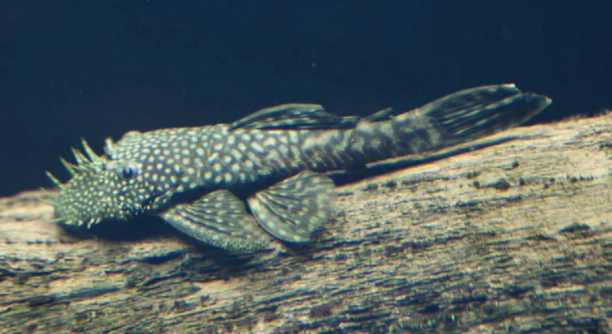
Do you enjoy keeping aquariums but find yourself noticing your Bristlenose Plecos seem indifferent to their surroundings? These small catfish are fascinating creatures, and understanding their behavior can make caring for them more rewarding and enjoyable.
Bristlenose Plecos do not exhibit strong responses to specific colors. Their behavior is influenced more by lighting, hiding spots, and water conditions than by color stimuli. Color does not significantly impact their feeding or social interactions in controlled environments.
Observing these fish over time reveals subtle behaviors that are worth noting. Small changes in their tank environment can make a noticeable difference in their activity.
How Bristlenose Plecos See Their Environment
Bristlenose Plecos rely heavily on their senses other than sight. While they can detect shapes and movement, color perception is limited. They navigate their tanks primarily through touch and taste, using their barbels to explore surfaces. Lighting plays a bigger role than color in influencing activity, as dim or bright light can make them more or less active. Hiding spots such as caves, driftwood, or plants are essential, as these fish feel safer with secure areas. Water parameters, including temperature, pH, and cleanliness, also affect their behavior far more than tank decorations or colored objects. Plecos are nocturnal by nature, so observing them during the day may give the impression they are unresponsive, but at night they become more active. Feeding habits are guided by the smell and taste of algae, sinking pellets, and vegetables rather than visual cues. Overall, their sensory priorities focus on survival and comfort over color recognition.
Lighting conditions and tank structure matter more than color. Adjusting these can enhance Pleco activity and reduce stress significantly.
Understanding how Bristlenose Plecos perceive their environment helps in designing a tank that supports natural behavior. Providing varied hiding spots, appropriate water conditions, and consistent feeding schedules encourages activity. Though color does not attract or repel them, contrasts between light and shadow can influence where they spend time. Observing patterns of movement during night hours can reveal their preferences for certain areas or surfaces. Using natural textures like wood or stone allows their barbels to explore and graze efficiently. Maintaining clean water and stable temperatures is crucial because fluctuations can cause stress or reduce feeding. Combining these environmental considerations ensures Plecos thrive, interact with their tank in healthier ways, and display more natural behaviors. Tank adjustments may seem minor, but they have a direct effect on overall well-being. Paying attention to these details creates an environment where Plecos feel secure and behave in ways that reflect their instincts, making observation more rewarding.
Feeding Responses and Color
Bristlenose Plecos respond to food primarily through smell and texture rather than color. Their feeding is triggered by scent trails and the tactile experience of grazing on surfaces.
Plecos are naturally bottom feeders, searching for algae and detritus. Sinking foods are ideal, and the appeal of any item depends on smell and taste, not the color. Experimenting with vegetables like zucchini, cucumber, or spinach often shows stronger responses than introducing brightly colored pellets. Feeding consistency and placement encourage regular activity. Observing them can reveal preferences for certain textures or locations. Using natural foods also supports healthy digestion and growth. Understanding these feeding behaviors reduces unnecessary attempts to influence them with colored foods. Adjusting tank conditions, such as light and substrate type, can make food more visible or accessible, but color remains a minor factor. Over time, this approach ensures Plecos are eating adequately and exhibiting natural foraging behavior.
Would you like me to continue the next sections of the blog following the outline?
Tank Decor and Color
Tank decorations do not significantly alter Bristlenose Pleco behavior. Their activity and comfort depend more on hiding spots, substrate texture, and water quality than on brightly colored ornaments. Simple, natural decorations work best.
Providing driftwood, caves, and live plants allows Plecos to explore and rest comfortably. These fish feel secure when they have multiple sheltered areas. While color of decorations might add visual appeal for the owner, Plecos do not show strong preferences for specific colors. They use their barbels to sense surfaces and locate food, so the feel of the substrate is more important than visual contrast.
Textures and shapes influence exploration and grazing more than color. Hard surfaces, smooth stones, and leafy plants provide opportunities for natural behaviors. Plecos spend time brushing against surfaces, scraping algae, and seeking shelter. Dense plantings or layered wood create shaded zones, which are more appealing than colorful decorations. Tank design should prioritize functionality, natural textures, and varied hiding spaces to encourage healthy activity and reduce stress. This ensures fish can thrive without relying on visual stimuli for stimulation.
Light and Color Perception
Bristlenose Plecos respond to light intensity more than color. Low to moderate lighting encourages natural behavior, while intense light may cause hiding or inactivity.
Light affects their feeding patterns and exploration habits. Bright or direct light can stress Plecos, causing them to stay hidden. Subdued lighting mimics their natural nocturnal conditions and promotes grazing and movement. Although colored lights may enhance aquarium aesthetics, Plecos do not recognize or prefer specific colors for comfort or activity. Positioning lights to create shaded zones is more effective than altering color. Consistent day-night cycles help regulate behavior, supporting normal feeding and resting periods.
Managing lighting properly supports healthier Plecos. Gradual transitions between light and dark periods reduce stress. Using dim or diffused lights ensures that fish feel safe while allowing observation of natural behaviors. Shaded areas created by decorations or plants work with lighting to encourage exploration. Overly bright or colored lights do not significantly influence activity, but proper light placement can enhance visibility for feeding and observation. Understanding their visual limitations allows for a tank setup that prioritizes comfort and natural routines rather than relying on colors.
Color and Stress Levels
Bristlenose Plecos are not strongly affected by color when it comes to stress. Their well-being is influenced more by water quality, hiding spots, and tank stability. Sudden changes in environment cause more stress than visual stimuli.
Maintaining consistent conditions, including temperature, pH, and clean water, reduces stress. Plecos thrive when their tank provides secure areas and predictable routines. Decorations and lighting are secondary to these essential factors. Observing behavior over time helps identify stress signs, such as excessive hiding or reduced feeding, which are unrelated to color.
Interaction with Other Fish
Bristlenose Plecos are generally peaceful and tolerant of tank mates. Aggression is rare and usually linked to overcrowding or competition for resources. Providing ample space and hiding spots minimizes conflicts and allows natural behavior to continue undisturbed.
Color Preferences in Feeding
These Plecos do not show strong preferences for colored foods. Feeding behavior is guided mainly by smell and texture, making scent and taste more critical for attracting them to meals. Natural foods often elicit the strongest responses.
Observing Behavioral Changes
Regular observation helps track any unusual changes in behavior. Plecos may respond to new environments or adjustments in tank setup, but color alone rarely triggers noticeable reactions.
FAQ
Do Bristlenose Plecos notice bright colors in the tank?
Bristlenose Plecos are not strongly influenced by bright colors. They rely more on touch, taste, and scent to explore their environment and find food. While bright decorations may catch your eye, Plecos typically ignore them unless they provide shelter or surfaces for grazing.
Can colored lights affect their behavior?
Colored lights are mainly cosmetic in an aquarium and do not significantly alter Pleco behavior. They respond more to light intensity and placement. Subdued or indirect lighting encourages natural activity, while overly bright lights may cause hiding. Creating shaded areas is more effective than using color to influence activity.
Do Plecos prefer specific colored foods?
Plecos feed based on smell and texture rather than color. Scent trails, taste, and the feel of the food on surfaces determine their feeding response. Fresh vegetables like zucchini, spinach, or cucumber are often more enticing than brightly colored pellets. Focus on nutritional quality and texture for consistent feeding.
Will tank mates respond to colors more than Plecos?
Some fish are attracted to color, but Bristlenose Plecos are not among them. They remain mostly indifferent to visual cues unless another fish’s movement or scent draws attention. Providing hiding spots and maintaining proper spacing reduces conflicts and ensures peaceful coexistence.
Does color affect breeding behavior?
Bristlenose Plecos do not rely on color for breeding. Spawning is triggered by water quality, temperature, and availability of secure caves. Males guard eggs and fry in sheltered areas regardless of surrounding colors. Tank setup should prioritize security, water stability, and adequate hiding spaces for successful reproduction.
Are there situations where color indirectly matters?
Color may matter indirectly if it affects visibility for you as the owner. Contrasting decorations or backgrounds can help monitor the fish’s health and behavior. For example, a darker background may make Plecos easier to observe for signs of stress, injury, or illness.
Do Plecos interact with colored objects differently over time?
Plecos rarely change behavior based on color alone. They may investigate objects initially due to curiosity or new textures, not because of the color. Over time, repeated exposure usually results in indifference unless the object provides food, shelter, or surfaces for scraping algae.
Can stress be reduced by using certain colors?
Color alone is not a reliable method to reduce stress in Plecos. Stress reduction comes from consistent water conditions, proper hiding spots, and stable lighting. Sudden environmental changes, overcrowding, or poor water quality cause stress far more than color differences in the tank.
How can I make my Plecos more active without changing colors?
Encourage activity by improving tank structure. Adding driftwood, caves, and textured surfaces promotes natural grazing and exploration. Adjust lighting to mimic natural day-night cycles, and maintain clean water with stable parameters. These factors have a direct impact on behavior, unlike visual color changes.
Should I worry about color when designing a Pleco tank?
Color is mostly for the owner’s enjoyment and does not influence Pleco behavior. Focus on functional tank elements: hiding spots, feeding areas, substrate texture, and water stability. Ensuring these basics creates an environment where Plecos can thrive naturally without relying on color for stimulation.
Can colored backgrounds or substrate help me monitor Pleco health?
Yes, backgrounds or substrate colors can make it easier to observe Plecos. Darker or contrasting surfaces highlight their fins, barbels, and overall activity. This practical use of color is helpful for spotting changes in behavior or appearance but does not affect the fish’s own perception.
Do juvenile Plecos respond to colors differently than adults?
Juveniles show no significant response to color either. They explore and feed using the same senses as adults, focusing on texture, taste, and shelter. Tank setup should accommodate hiding spaces and grazing surfaces to support growth and natural behavior rather than relying on visual appeal.
Is there any research supporting color sensitivity in Plecos?
Current studies indicate that Bristlenose Plecos have limited color perception. Their behavior is predominantly guided by environmental conditions, sensory exploration, and food cues. Scientific observation confirms that color plays a negligible role in feeding, social interaction, or stress response.
How can I test if my Plecos respond to color?
You could place colored objects in the tank, but responses are likely linked to novelty or texture, not color itself. Most Plecos will ignore the objects unless they serve as hiding spots or surfaces to graze on. Observations over time generally show no consistent preference for specific colors.
Do other types of Plecos respond differently to color?
Some Pleco species with different habitats or visual adaptations might show slight reactions, but Bristlenose Plecos remain largely indifferent. Factors like food availability, shelter, and water quality consistently outweigh color in influencing behavior.
Can changing the color of food improve feeding in picky Plecos?
No, altering food color is not an effective strategy. Focus on fresh vegetables, algae wafers, and sinking pellets with appealing texture and scent. These elements are what drive feeding behavior, not the visual color of the food.
Does tank decor color influence nighttime activity?
Nighttime activity is guided by natural nocturnal instincts. Plecos prefer low-light conditions and shaded areas. Color of decorations has minimal effect, while placement and texture of hiding spots are far more important in determining activity patterns.
Is it worth investing in colorful Pleco-specific products?
For the fish, colorful products are unnecessary. They do not respond to color, and functional items like caves, driftwood, and feeding surfaces provide far greater benefits. Colorful items may improve tank aesthetics for observation but are not behaviorally meaningful.
How do I ensure Plecos stay healthy without worrying about color?
Maintain clean water, stable temperature, and proper pH. Provide sufficient hiding spots, textured surfaces, and varied foods. Observing their behavior regularly allows adjustments as needed. These steps support overall health far more effectively than focusing on visual elements.
Are Plecos likely to ignore new objects if they are colorful?
Yes, they will typically ignore new objects unless they offer texture, shelter, or food. Initial exploration may occur, but color alone does not sustain interest. Prioritize functional attributes to enhance engagement and well-being.
Can color influence aggression or social behavior?
Color has little to no influence on aggression or social interaction. Territorial disputes or stress-related behavior are triggered by space limitations, competition for resources, or environmental instability, not visual color cues.
Do Plecos see colors the same way humans do?
Bristlenose Plecos have limited color perception compared to humans. Their vision focuses on contrasts and light intensity rather than distinct colors. This explains why color does not meaningfully guide their behavior in the tank environment.
What is the best approach to decorating a Pleco tank?
Use natural textures, varied hiding spots, and accessible feeding areas. Prioritize safety, functionality, and comfort over bright colors. Providing these essentials ensures Plecos thrive, explore, and feed according to natural instincts while maintaining low stress levels.
This FAQ provides practical guidance on Pleco behavior, emphasizing their limited response to color and the importance of environmental and sensory factors for healthy, active fish.
Final Thoughts
Bristlenose Plecos are fascinating fish that rely on senses other than color to interact with their environment. Their behavior is influenced primarily by touch, taste, and smell, rather than visual cues. While many aquarium owners may focus on decorating with bright colors or visually striking items, Plecos do not respond to these features in the same way humans or some other fish might. Observing a Pleco grazing on driftwood, exploring caves, or moving along the tank bottom shows that texture, accessibility, and scent are what truly guide their activity. Even young Plecos display this behavior, demonstrating that their reliance on non-visual senses begins early. Understanding this helps in setting realistic expectations for how these fish behave and respond in a tank. Attempting to use color to encourage activity or feeding is usually unnecessary and ineffective. Instead, providing a tank environment that emphasizes natural elements, stable water conditions, and proper nutrition creates a space where Plecos can thrive naturally.
Creating a Pleco-friendly tank focuses on functionality and comfort over visual appeal. Hiding spots, caves, driftwood, and live plants offer shelter and surfaces for grazing, which are essential for their sense of security. Lighting should mimic their natural day-night cycles, with subdued intensity to encourage natural activity. Water quality is another critical factor; stable temperature, proper pH, and regular cleaning prevent stress and maintain overall health. While colored decorations can make a tank more visually appealing for the owner, they rarely influence the fish. Plecos tend to ignore objects that do not offer tangible benefits like shelter or feeding surfaces. Observing the fish’s behavior over time helps identify which environmental features they use most, allowing for small adjustments that improve comfort and activity. Prioritizing these functional elements ensures the fish remain healthy, active, and less stressed, without the need for bright or flashy additions.
Understanding Bristlenose Plecos’ behavior helps aquarium owners provide an environment tailored to their needs. Their indifference to color does not mean tanks should be plain; instead, focusing on safe, textured, and functional setups supports natural behaviors. Monitoring feeding, movement, and resting patterns allows owners to notice any signs of stress or discomfort early, ensuring timely interventions. Feeding should emphasize foods with appealing scent and texture, such as vegetables and algae wafers, rather than relying on visual cues. By observing Plecos and prioritizing their environmental and dietary needs, owners can create a tank that encourages exploration, grazing, and interaction while minimizing stress. Overall, understanding the limited role of color in their perception allows for better tank management, helping Plecos live longer, healthier, and more natural lives.

Hello,
If you enjoy the content that we create, please consider saying a "Thank You!" by leaving a tip.
Every little bit helps us continue crafting quality advice that supports the health, happiness, and well-being of pets around the world, for pets of all shapes, sizes, and species.
We really appreciate the kindness and support that you show us!