
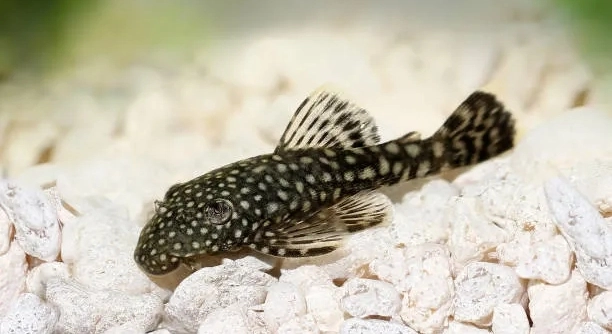
Bristlenose plecos are small freshwater fish often kept in home aquariums for their algae-eating habits. Many aquarists notice unique behaviors, from gentle swimming patterns to interactions with tank mates, sparking curiosity about their emotional responses.
Bristlenose plecos exhibit basic behavioral responses that may indicate awareness of their environment, stress levels, and comfort, but current research does not provide definitive evidence of complex emotional awareness comparable to higher vertebrates. Observations remain largely anecdotal.
Understanding pleco behavior helps aquarists improve tank conditions and enhance the well-being of these unique fish species in home aquariums. Their subtle responses can reveal much about their daily experiences.
How Bristlenose Plecos Show Awareness
Bristlenose plecos display behaviors that suggest they notice changes in their surroundings. They often respond to human presence by hiding or swimming closer to observe. Some plecos react to new tank mates with cautious movements or territorial displays. Feeding time is another moment where their awareness becomes clear. They may recognize the approach of food and position themselves strategically near algae patches. Observing their reactions to water temperature changes or decorations shows sensitivity to environmental shifts. Certain plecos also adjust their activity levels during the day, resting more at times of low activity. These behaviors indicate a basic awareness rather than complex emotional thought, but they demonstrate that plecos are not passive creatures. Their ability to sense and react is important for maintaining health, reducing stress, and ensuring their aquarium environment is suitable for their needs. Careful observation can reveal subtle differences in behavior that signal comfort or discomfort.
Awareness in plecos is largely behavioral, driven by environmental cues and survival instincts rather than conscious emotional processing.
Tracking patterns such as hiding, grazing, and interacting with tank features allows aquarists to better understand daily needs. Recognizing these signals can prevent stress-related health issues and ensure a more stable habitat. Environmental adjustments, like adding shelters or controlling light exposure, support their natural rhythms. Their responsiveness to human presence may also indicate a form of recognition or learned behavior. While not overtly emotional, these actions demonstrate a level of sentience that encourages mindful care. Observing how plecos respond to water changes, food schedules, or tank rearrangements provides insights into their preferences. This knowledge helps create an enriched environment, promoting both mental stimulation and physical well-being.
Social Interactions and Emotional Indicators
Bristlenose plecos interact subtly with other fish and tank companions, showing preference for space and occasional proximity.
Social behavior in plecos is not highly complex, but they demonstrate territory awareness and mild competitive behavior. Observations of gentle nudging, shared hiding spots, or avoidance strategies indicate a basic level of social intelligence. Plecos may establish personal zones within the tank and respect or challenge intrusions depending on size and temperament. These patterns show they recognize other fish and can modify behavior in response. Interaction levels often increase during feeding, revealing a mix of instinctive and learned responses. Subtle movements, such as positioning near certain companions or avoiding aggressive species, highlight their ability to sense social dynamics. Consistent monitoring of these behaviors allows aquarists to maintain harmony within the tank and reduce stress. Social cues in plecos are mostly environmental and instinct-driven, yet they suggest awareness beyond simple reflexes, providing a glimpse into their capacity for subtle behavioral adaptation. Understanding these nuances supports healthier tank management.
Recognizing Stress in Bristlenose Plecos
Stress in plecos often shows through changes in behavior, such as hiding more than usual or refusing food. They may also scrape against surfaces or swim erratically when uncomfortable, signaling environmental or social stressors.
Environmental factors like water quality, temperature, and tank layout significantly affect pleco well-being. Poor filtration, sudden water changes, or high nitrate levels can make them restless or lethargic. Overcrowding or aggressive tank mates can also increase stress. Even subtle changes, like moving decorations or altering lighting schedules, may lead to visible behavioral shifts. Observing these signs early helps prevent illness and ensures the pleco maintains normal activity patterns.
Addressing stress requires careful adjustments. Providing hiding spaces, monitoring water parameters, and minimizing disturbances supports calmer behavior. Gradually introducing tank mates and avoiding sudden environmental changes reduces tension. Recognizing stress indicators allows aquarists to respond promptly, maintaining healthier, more content plecos. Consistent observation and patience are key to interpreting their signals accurately and fostering a stable aquarium environment.
Feeding Behavior and Emotional Response
Bristlenose plecos show consistent feeding patterns that can indicate comfort or stress. Sudden disinterest may signal environmental or health issues affecting their emotional state.
Feeding behavior reflects both instinct and adaptation. Plecos typically graze on algae and supplemental foods, often following predictable schedules. A healthy pleco will actively search for food and maintain regular grazing routines. When they hesitate or refuse food, it may suggest discomfort, illness, or stress from the tank environment. Observing how they interact with feeding zones provides insight into their well-being. Plecos can learn to recognize feeding times and human presence, adjusting their behavior accordingly, which demonstrates a level of awareness in routine activities.
Emotional responses to feeding are subtle but observable. Plecos may become more active or exploratory when food is introduced, while consistent avoidance can indicate negative responses to tank conditions. Tracking these reactions helps aquarists identify environmental or social stressors early. Adjusting feeding methods, such as offering varied diets or placing food in preferred areas, can encourage normal behavior. Understanding feeding responses supports both physical health and emotional comfort, allowing plecos to thrive in a carefully maintained environment.
Environmental Cues and Awareness
Bristlenose plecos respond to environmental changes, such as water temperature shifts or lighting adjustments. They may move to preferred areas, hide, or adjust swimming patterns based on these cues, showing sensitivity to their surroundings.
Subtle environmental changes, like rearranged decorations or new plants, can trigger cautious exploration. Plecos often investigate slowly, testing the safety of altered spaces. Their reactions provide insight into comfort levels, as they may retreat if feeling insecure. Monitoring these responses allows aquarists to maintain a stable and stress-free environment, supporting the pleco’s overall health and well-being.
Recognizing Discomfort
Discomfort in plecos appears through irregular behavior, such as rapid gill movement, scraping, or sudden hiding. These are clear signals that the tank conditions need attention.
Learning and Adaptation
Bristlenose plecos can learn from repeated experiences, adjusting behaviors to better navigate their environment. They may recognize feeding routines, anticipate caretaker presence, or respond to specific stimuli based on previous encounters. This learning shows a capacity for behavioral adaptation rather than complex emotional reasoning.
Interaction with Humans
Plecos may approach or react to human presence, particularly around feeding times, reflecting recognition or conditioned response rather than emotional attachment.
FAQ
Can Bristlenose Plecos feel emotions like happiness or sadness?
Bristlenose plecos do not experience emotions in the same way humans do. Their behaviors may indicate comfort, stress, or contentment, but these are primarily survival-driven responses. Observing activity levels, feeding habits, and interaction with their environment can give clues about their well-being.
Why does my pleco hide so much?
Hiding is a natural behavior for plecos. Excessive hiding may indicate stress, poor water conditions, or incompatible tank mates. Providing adequate shelters, monitoring water quality, and reducing disturbances can help them feel secure. Temporary hiding can be normal during acclimation or after environmental changes.
How can I tell if my pleco is stressed?
Stress in plecos often shows through unusual behaviors such as erratic swimming, scraping against surfaces, or refusing food. Monitoring water parameters, tank population, and environmental stability helps identify causes. Promptly addressing stressors supports overall health and reduces risk of disease.
Do plecos recognize their owners?
Bristlenose plecos can recognize consistent human presence, especially when associated with feeding. Their responses are generally conditioned rather than emotional. Plecos may approach during feeding times or adjust behavior based on repeated interaction patterns, showing learned awareness.
Why does my pleco scrape surfaces or objects?
Scraping is a common behavior for plecos and can serve multiple purposes. It may indicate feeding activity, territorial marking, or attempts to alleviate mild irritation. Regular observation ensures that scraping is not due to poor water conditions, parasites, or stress.
Is my pleco lonely if kept alone?
Plecos are largely solitary by nature. Being alone does not typically cause emotional distress, though providing hiding spaces and a well-structured environment supports normal behavior. Interaction with tank mates should be monitored to prevent aggression or stress.
Can plecos show signs of fear?
Yes, plecos exhibit fear through rapid movements, retreating to shelters, or freezing in place. Fear responses are primarily protective, triggered by perceived threats, sudden changes, or aggressive tank mates. Maintaining stable conditions reduces stress and fear responses.
Do plecos form bonds with other fish?
Bristlenose plecos do not form emotional bonds in the human sense. They display territorial awareness and may tolerate or avoid other species depending on compatibility. Observing social interactions ensures minimal conflict and promotes a balanced tank environment.
How important is water quality for emotional responses?
Water quality is critical for pleco comfort and behavioral stability. Poor water conditions can cause stress-like responses, reduced feeding, and hiding behavior. Regular monitoring of pH, temperature, ammonia, and nitrate levels helps maintain a stable environment, supporting overall health and behavioral consistency.
Can plecos show curiosity?
Plecos may investigate new objects, changes in tank layout, or human movement. This behavior is often driven by instinctive caution rather than emotional curiosity. Observing how plecos explore or avoid stimuli provides insights into their comfort and environmental awareness.
How do plecos react to feeding times?
Feeding elicits consistent responses, including approaching the source of food, grazing actively, or positioning near favorite feeding spots. Changes in these behaviors can indicate stress, illness, or environmental discomfort. Structured feeding schedules help reinforce normal activity patterns.
What signs indicate a pleco is comfortable?
Comfortable plecos show steady grazing, normal swimming patterns, and occasional interaction with tank features. They use hiding spaces without excessive retreating, maintain regular activity throughout the day, and respond predictably to feeding cues, reflecting a stable and secure environment.
Do plecos remember previous experiences?
Bristlenose plecos can learn from past experiences, adjusting behavior in response to feeding schedules, human presence, or environmental changes. This adaptive learning demonstrates awareness and improves their ability to navigate the tank safely.
How can I reduce stress for my pleco?
Providing hiding spots, maintaining consistent water parameters, minimizing disturbances, and ensuring compatible tank mates are key steps. Gradual changes in environment and routine help plecos feel secure, reducing stress responses and promoting normal behavior.
Is it normal for plecos to be more active at night?
Yes, plecos are primarily nocturnal. Increased nighttime activity reflects natural behavior patterns. Monitoring activity during day and night helps differentiate between normal rest periods and possible stress or health issues.
Can plecos feel pain?
Plecos respond to harmful stimuli, which indicates sensitivity rather than emotional pain. Careful handling, proper tank maintenance, and avoiding sharp decorations reduce risks of injury and associated stress responses.
Do plecos enjoy certain environments more than others?
Plecos prefer tanks with hiding spaces, stable water conditions, and gentle water flow. Observing where they spend time and how they respond to different areas can guide habitat adjustments, improving comfort and behavioral consistency.
How can I encourage natural behavior in my pleco?
Offering algae growth surfaces, driftwood, and hiding spots supports grazing and territorial instincts. Maintaining stable water quality and appropriate tank mates encourages healthy activity patterns and natural exploration without causing stress.
Are plecos affected by other fish behaviors?
Yes, aggressive or overly active tank mates can cause stress. Plecos may hide more or avoid certain areas. Monitoring social dynamics ensures peaceful coexistence, allowing plecos to maintain normal routines and reduce stress-induced behaviors.
What role does diet play in pleco behavior?
A balanced diet supports both physical health and behavioral stability. Insufficient or inconsistent feeding may reduce activity, cause stress, or lead to excessive hiding. Providing variety, including algae wafers and vegetables, encourages normal grazing and energy levels.
Do plecos respond to light changes?
Plecos adjust activity according to light levels, often becoming more active in dim conditions. Sudden bright light may trigger hiding or reduced movement. Gradual transitions and appropriate day-night cycles support natural rhythms and reduce stress responses.
Can plecos become habituated to routine?
Plecos adapt to consistent feeding and environmental patterns, showing predictable responses over time. This habituation reflects learned awareness rather than emotional attachment, supporting efficient interaction with their surroundings and stable behavioral routines.
How do I know if my pleco is healthy emotionally and physically?
A healthy pleco exhibits regular feeding, steady grazing, normal swimming, and predictable responses to environmental cues. Signs of stress, discomfort, or illness warrant immediate attention to maintain both physical and behavioral well-being.
Final Thoughts
Bristlenose plecos are small but remarkable fish that display a range of behaviors indicating awareness of their environment. While they do not experience emotions in the way humans do, their responses to water conditions, tank mates, and feeding routines show they are sensitive and observant creatures. Observing plecos over time allows aquarists to notice patterns, such as hiding, grazing, and exploring, which reflect their comfort and overall well-being. These behaviors, while instinctual, provide important clues about how plecos interact with their surroundings and adapt to changes. Understanding these patterns is essential for providing a stable and supportive environment that meets both their physical and behavioral needs. A well-maintained tank with clean water, hiding spaces, and gentle tank mates ensures that plecos can display natural behaviors without stress or excessive fear.
Paying attention to subtle behavioral cues is key when caring for plecos. For example, repeated hiding or sudden changes in swimming patterns can indicate stress or discomfort, prompting adjustments in the tank environment. Feeding routines also reveal much about pleco behavior, as they may respond actively when food is introduced or display hesitation if conditions are not ideal. Recognizing these signs helps aquarists maintain a healthy balance in the aquarium. Additionally, plecos show mild forms of learning and adaptation, responding predictably to consistent feeding schedules or human presence. While these actions are not signs of emotional awareness as humans experience it, they demonstrate that plecos are capable of remembering environmental cues and adjusting behavior accordingly. Providing stability and predictable routines supports their natural rhythms, encourages healthy activity, and reduces unnecessary stress.
Ultimately, caring for Bristlenose plecos involves observing, understanding, and responding to their needs in a calm and methodical way. Their subtle behaviors reflect an awareness of their surroundings, and attentive aquarists can interpret these signals to ensure proper care. Maintaining appropriate water quality, suitable tank decorations, and compatible companions fosters a stable environment that promotes both health and behavioral normalcy. By watching for patterns in feeding, hiding, and social interactions, aquarists can better meet the needs of their plecos while creating an enriching environment that supports natural instincts. Over time, these efforts result in plecos that are more active, responsive, and generally comfortable within their habitat. While plecos may not experience emotions like humans, their observable responses highlight the importance of attentive care and environmental management in supporting their well-being. A thoughtful and consistent approach to aquarium maintenance ultimately allows Bristlenose plecos to thrive and exhibit their full range of natural behaviors.

Hello,
If you enjoy the content that we create, please consider saying a "Thank You!" by leaving a tip.
Every little bit helps us continue crafting quality advice that supports the health, happiness, and well-being of pets around the world, for pets of all shapes, sizes, and species.
We really appreciate the kindness and support that you show us!