
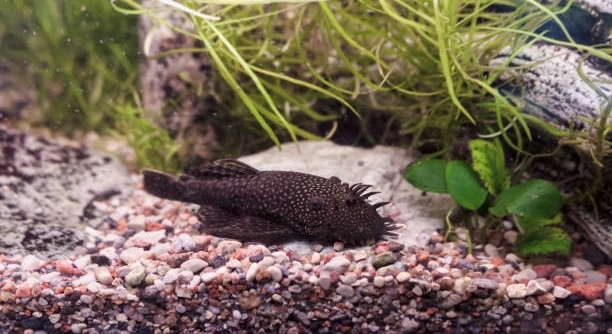
Are your plecos acting restless or hiding more than usual in your tank? Even subtle sounds in their environment can create stress, affecting their health and behavior. Understanding these triggers helps maintain a calmer, healthier aquarium space.
Plecos are highly sensitive to certain auditory stimuli, including sudden loud noises, consistent tapping, vibrations from equipment, and human activity near the tank. Exposure to these sounds can induce stress, alter feeding patterns, and negatively impact their overall well-being.
Identifying the specific sounds that disturb plecos is crucial for creating a peaceful environment. Recognizing these triggers allows for adjustments that improve both their comfort and tank harmony.
Sudden Loud Noises
Sudden loud noises can startle plecos and make them hide for long periods. These noises often come from dropping objects near the tank, slamming doors, or unexpected loud music. Plecos rely on calm surroundings, and abrupt sounds can trigger a stress response. Even if the noise is brief, their sensitive hearing can cause increased heart rates and erratic movements. In some cases, repeated exposure can weaken their immune system, making them more prone to illness. Observing your plecos after a loud event helps determine how sensitive they are. Creating a quieter environment, like placing the tank away from high-traffic areas, reduces stress significantly. Over time, reducing sudden noises encourages them to explore the tank more and resume normal feeding habits. Small adjustments, like adding tank covers or sound-absorbing materials nearby, can make a noticeable difference in their overall comfort and sense of security.
Plecos need stable, quiet surroundings to feel secure. Reducing sudden loud noises promotes healthier behavior and less stress.
Long-term exposure to sudden sounds can negatively affect pleco growth and behavior. By observing their reactions, owners can identify which noises are most disturbing. Even everyday household activities like vacuuming, moving furniture, or children playing can create stress for these fish. Installing sound dampening near the tank and avoiding sudden movements close to it helps maintain a peaceful environment. Plecos often thrive in consistency, and knowing which noises provoke them allows for preventive measures. Adjusting the tank location, using background noise that is constant and gentle, or scheduling noisy activities away from feeding times can improve their overall comfort. Stress reduction is crucial for maintaining proper health, ensuring normal feeding, and preventing disease. Paying attention to these factors demonstrates care for their well-being and encourages a calm, active tank environment.
Vibrations from Equipment
Vibrations from filters, pumps, or air stones can unsettle plecos. Even minor shaking can cause stress if it is continuous or strong.
Continuous vibrations from equipment can lead to chronic stress in plecos. These movements interfere with their resting patterns and natural behaviors, including hiding and feeding. Over time, constant vibration may cause them to retreat to corners, hide behind decorations, or reduce their activity levels. Equipment that touches the tank walls or floor directly can transmit extra vibration, amplifying the effect. Simple fixes, such as placing foam pads under filters, adjusting pump flow, or securing loose parts, can significantly reduce these disturbances. Regularly monitoring the tank for unusual noise or movement helps identify vibration issues early. Maintaining stable equipment performance and reducing unnecessary shaking allows plecos to remain comfortable, encouraging natural behaviors like grazing and exploring. Paying attention to this often-overlooked factor ensures their long-term health and reduces unnecessary stress, fostering a more balanced and peaceful tank environment for both fish and owner.
Tapping on the Glass
Tapping on the tank glass can frighten plecos. Even light taps may cause them to hide or swim erratically, signaling stress.
Repeated tapping creates a sense of danger for plecos. They associate vibrations and sudden impacts with predators or threats, which triggers their natural flight response. Continuous disturbances can prevent them from feeding normally or resting properly. Over time, plecos may avoid visible areas of the tank entirely, reducing interaction and natural behavior observation. Minimizing glass tapping and handling the tank gently allows plecos to feel safe, promoting healthier activity and feeding habits.
Plecos are highly sensitive to repeated glass contact. Even minor tapping transmits sound and vibration that plecos perceive as threatening. Reducing these interactions encourages exploration, natural grazing, and calmer behavior. Keeping the tank in a quiet, low-traffic area and discouraging tapping helps maintain a stable environment. When plecos feel secure, they display their natural patterns, including nocturnal activity and territorial movement. Regular observation after disturbances helps determine how sensitive individual plecos are, allowing further adjustments to protect their well-being.
Human Activity Near the Tank
Frequent movement near the tank, like walking, reaching, or leaning, can stress plecos. They react to shadows, reflections, and sudden changes.
Plecos detect motion and associate it with potential danger. High traffic near the tank or sudden movements can cause hiding, reduced feeding, and avoidance of visible areas. Even routine activities, such as cleaning nearby or moving furniture, create shadows and vibrations that plecos notice. Limiting activity around the tank during key resting or feeding times reduces stress and helps plecos maintain normal behavior. Creating buffer zones or quiet spaces nearby supports a more stable environment.
Consistent human activity near the tank increases pleco stress levels, disrupting their natural rhythm. Plecos may retreat, become less active, or alter feeding patterns if movement is constant. Recognizing which activities affect them most allows for adjustments, like spacing the tank away from walkways or limiting sudden interactions. Reducing disturbances ensures plecos spend more time exploring, grazing, and resting. Maintaining a calm, predictable environment benefits both their physical health and overall behavior, supporting a well-functioning, visually appealing tank that encourages natural activity patterns.
Loud Music
Loud music near the tank can stress plecos. High volume or deep bass vibrations travel through the water, creating discomfort and triggering hiding behaviors.
Plecos respond to consistent loud sounds by reducing activity and avoiding open areas. Even brief exposure can interrupt feeding or resting patterns. Keeping music at a low volume or away from the tank helps maintain a calmer environment.
Cleaning Noises
Cleaning equipment, like vacuums or scrubbing brushes, produces sudden noise that plecos detect easily. They often retreat or stay hidden until the disturbance stops. Maintaining gentle movements during cleaning reduces stress. A slow, predictable routine helps plecos feel safer and return to normal behavior quickly.
Foot Traffic
Heavy foot traffic around the tank shakes the floor and creates vibrations plecos notice. Constant movement makes them more likely to hide or become skittish. Reducing activity near the tank and keeping it on a stable surface minimizes unnecessary stress, encouraging normal feeding and exploration patterns.
FAQ
What are the signs that my pleco is stressed?
Stress in plecos often shows through hiding, reduced feeding, or unusual swimming patterns. They may cling to decorations more than usual or avoid open areas. Rapid breathing or erratic movement can also indicate discomfort. Monitoring these behaviors helps determine if environmental adjustments are needed.
Can sudden noises cause long-term damage to plecos?
Yes, repeated exposure to loud or sudden noises can lead to chronic stress, weakening their immune system. Over time, stressed plecos may become more susceptible to disease, show stunted growth, and display persistent avoidance behaviors. Maintaining a calm environment is essential for their long-term health.
Are plecos sensitive to vibrations from equipment?
Plecos detect even minor vibrations from pumps, filters, or air stones. Continuous vibrations disrupt their resting and feeding habits, increasing stress levels. Using pads under equipment, securing loose parts, and monitoring tank vibrations reduces the impact, allowing plecos to feel more comfortable in their environment.
Does human activity near the tank stress plecos?
Yes, frequent movement near the tank creates shadows and vibrations that plecos perceive as threats. High traffic areas or sudden activity may cause hiding, reduced feeding, and avoidance of visible areas. Limiting activity around the tank during critical resting or feeding times helps maintain calm conditions.
How does loud music affect plecos?
Plecos are sensitive to sound vibrations, especially deep bass or high volume music. Loud music can interrupt resting and feeding routines, causing them to hide. Keeping music at a lower volume or moving speakers away from the tank prevents unnecessary stress and promotes normal behavior.
Is tapping on the glass harmful?
Tapping on the glass causes sudden vibrations that plecos interpret as danger. Even gentle taps can trigger hiding or erratic swimming. Avoiding glass tapping and handling the tank gently allows plecos to remain relaxed and encourages natural feeding and exploring behaviors.
Do plecos react to cleaning noises?
Yes, equipment like vacuums, brushes, or water changes produces sudden sounds plecos notice. They often retreat or stay hidden until the noise stops. Using slow, predictable cleaning routines reduces stress and encourages plecos to return to their normal activity faster.
Can stress affect my pleco’s appetite?
Stress often causes plecos to reduce feeding or ignore food entirely. Prolonged stress can lead to malnutrition and weakened immunity. Identifying stress triggers and minimizing disturbances ensures they eat regularly and maintain overall health.
How can I make my pleco feel safe?
Providing hiding spots, stable water conditions, and a quiet environment is key. Reducing sudden noises, vibrations, and frequent activity near the tank allows plecos to explore naturally, feed properly, and remain calm. Consistent care encourages long-term health and reduces stress-related behaviors.
Are some plecos more sensitive than others?
Yes, sensitivity varies by species and individual personality. Some plecos are naturally skittish and react strongly to minor disturbances, while others are more tolerant. Observing their behavior over time helps identify specific triggers and implement tailored adjustments for a peaceful tank environment.
How often should I monitor my pleco for stress?
Regular observation is important, especially after introducing new equipment, noises, or tank changes. Daily checks during feeding and active hours allow you to notice early signs of stress. Adjusting environmental factors promptly prevents long-term health issues and ensures plecos remain comfortable and active.
Can stress lead to illness in plecos?
Chronic stress suppresses the immune system, increasing the likelihood of infections and diseases. Stress-related health problems may include fungal infections, fin rot, or reduced growth. Minimizing stress through environmental management is crucial for their overall well-being.
What are small changes I can make to reduce stress?
Placing the tank in a quieter area, securing equipment, limiting tapping, reducing foot traffic, and maintaining consistent lighting and water conditions all help. Even minor adjustments create a calmer environment, allowing plecos to exhibit natural behaviors and thrive in their tank.
How do I know if my adjustments are working?
Plecos showing more exploration, regular feeding, and reduced hiding indicate effective changes. Observing behavior over days or weeks confirms whether environmental modifications successfully reduce stress and support long-term health.
Final Thoughts
Caring for plecos involves more than providing proper food and clean water. Their sensitivity to sound, vibrations, and human activity can create stress that affects health and behavior. Sudden noises, tapping on the glass, loud music, and vibrations from equipment all trigger natural defense mechanisms. When stressed, plecos often hide, reduce feeding, or exhibit erratic movements, signaling that their environment is not fully comfortable. Observing these behaviors is the first step in understanding how plecos respond to their surroundings. Making adjustments to reduce disturbances can help them feel more secure. Small changes, such as moving the tank to a quieter area or cushioning equipment to minimize vibrations, can have a significant impact on their well-being. Consistency in care is key, and maintaining a predictable environment allows plecos to behave naturally and thrive.
Human activity around the tank also plays an important role in pleco stress levels. Frequent movement, shadows, and sudden gestures can cause discomfort even if everything else in the tank is optimal. Plecos are highly aware of motion and associate it with potential threats. Reducing traffic near the tank and avoiding sudden actions during feeding or resting periods helps create a stable and calm environment. Cleaning routines should be gentle and predictable, with equipment handled carefully to avoid creating loud noises or strong vibrations. Even seemingly minor factors, like nearby conversations or footsteps, can affect pleco behavior over time. By observing their reactions closely, it is possible to identify specific stressors and implement solutions. This attention to detail ensures that plecos are not only physically healthy but also comfortable and relaxed in their tank environment.
Long-term care for plecos is about understanding their unique sensitivities and adjusting the environment accordingly. Providing hiding spots, consistent water conditions, and a quiet, low-traffic area supports natural behavior and reduces stress. When plecos feel safe, they are more likely to explore, feed regularly, and interact with their environment in ways that reflect good health. Stress management is an ongoing process that requires observation, patience, and small, thoughtful changes. Even simple actions, like reducing loud sounds or securing equipment, contribute to a more peaceful habitat. Prioritizing these adjustments benefits both plecos and their owners, creating a tank that is visually appealing and fosters natural behavior. Ensuring a calm and stable environment is a practical way to support the overall health and happiness of plecos, making care more rewarding and effective.

Hello,
If you enjoy the content that we create, please consider saying a "Thank You!" by leaving a tip.
Every little bit helps us continue crafting quality advice that supports the health, happiness, and well-being of pets around the world, for pets of all shapes, sizes, and species.
We really appreciate the kindness and support that you show us!