
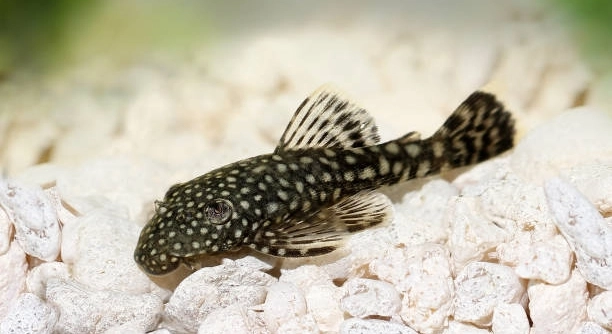
Bristlenose plecos are popular additions to freshwater aquariums for their algae-eating habits and unique appearance. Many hobbyists enjoy watching them explore tanks, often admiring their bristly features as they glide along decorations and surfaces.
Bristlenose plecos generally do not damage healthy, mature plants. They primarily feed on algae and biofilm, occasionally nibbling on soft or decaying leaves. The impact on established aquatic plants is minimal and rarely causes significant harm.
Knowing their feeding habits helps maintain a balanced aquarium and ensures both fish and plants thrive together in harmony.
How Bristlenose Plecos Interact with Plants
Bristlenose plecos spend most of their time grazing on algae that grow on surfaces in the aquarium. They may occasionally nibble on soft, dying leaves, but this behavior is not harmful to established, healthy plants. Their suction-cup mouths allow them to cling to surfaces, which can sometimes move lightweight decorations or plant stems. However, their activity is mostly gentle, and they rarely uproot plants. Providing a varied diet, including algae wafers or vegetables like zucchini, can help reduce any minor plant nibbling. Observing their behavior can be satisfying because you see them actively cleaning the tank while leaving your main plants intact. Proper planting techniques, like anchoring roots in substrate or using heavier pots, help ensure the plants stay secure. Bristlenose plecos can coexist with most species of aquatic plants without causing damage. Over time, you’ll notice your tank remains visually appealing while the plecos perform their natural cleaning behaviors.
Supplementing their diet ensures plants remain untouched and healthy.
Understanding how plecos interact with plants supports a balanced and thriving aquarium ecosystem. Their natural behavior complements plant growth without significant interference.
Preventing Plant Damage in Your Tank
Keeping plants safe involves proper placement and diet management.
Choosing sturdy plant species and securing them in substrate reduces the risk of accidental damage. Fast-growing plants can recover quickly from minor nibbles, while delicate species may need extra care. Maintaining a consistent feeding schedule ensures plecos are not tempted to eat plant matter out of hunger. Including driftwood or rocks for grazing can further redirect attention away from soft leaves. Observing pleco activity allows adjustments before any real damage occurs. Regular water changes and trimming overgrown plants also help maintain balance. By combining these measures, you protect plants and create a healthy, visually pleasing tank that accommodates both flora and fauna. Proper care fosters an environment where plecos thrive without compromising the integrity of the planted areas, keeping both fish and plants in optimal condition.
Signs Your Plants May Be Affected
Yellowing or torn leaves can indicate minor nibbling or natural decay. Plecos usually target soft or dying foliage, so healthy plants often remain untouched. Observing these signs early helps prevent further stress to delicate plants and allows you to adjust care routines to protect your aquarium’s greenery.
Monitoring plant health daily makes it easier to distinguish between normal wear and minor pleco interference. Soft-leaved species like java fern or anubias may show occasional bite marks, but these rarely affect overall growth. Removing decaying leaves promptly reduces temptation and prevents spread of algae or disease. Providing supplemental vegetables, like cucumber slices, satisfies plecos’ grazing instincts. By balancing diet and observing behavior, you can maintain healthy plants while keeping plecos engaged in natural cleaning activities. Careful observation and small adjustments often prevent long-term plant damage and help maintain a thriving, visually appealing aquarium ecosystem.
Tracking pleco behavior alongside plant health ensures your tank stays balanced. Early detection of nibbling patterns allows you to make changes before serious issues arise.
Feeding Habits That Affect Plants
Bristlenose plecos primarily feed on algae, biofilm, and occasional soft vegetables. Providing regular meals helps prevent accidental nibbling on sensitive plant leaves. Maintaining a varied diet supports both pleco health and plant safety.
Offering algae wafers, blanched vegetables, and occasional protein supplements satisfies nutritional needs without compromising plants. Plecos may still investigate tender leaves, but frequent feeding reduces this behavior. Over time, consistent feeding routines encourage plecos to focus on designated food rather than plants. Observing how plecos respond to different foods allows you to fine-tune their diet and prevent potential plant damage. Additionally, placing food near decorations or driftwood diverts attention away from live plants, keeping the planted areas secure while supporting natural grazing behavior. Balanced feeding practices benefit both fish and plants, creating a harmonious aquarium environment that thrives with minimal intervention.
Choosing the Right Plants
Sturdy plants with thick leaves, like anubias or sword plants, are less likely to be damaged. Soft or delicate plants may need extra protection or strategic placement in the tank to avoid accidental nibbling by plecos.
Anchoring plants firmly in the substrate keeps them stable. Lightweight or floating plants can be disturbed by pleco activity. Using pots or rocks to secure roots ensures the plants stay in place. Selecting resilient species reduces maintenance and prevents constant repair or replacement, allowing both plants and plecos to coexist peacefully in the aquarium.
Tank Setup Considerations
Placing plants in sheltered areas or behind decorations helps protect them from pleco interference. Driftwood and rocks create natural hiding spaces for plecos while shielding tender leaves. Strategic arrangement of hardscape ensures fish can graze freely without uprooting or damaging plants. Careful layout balances accessibility for plecos with plant safety, maintaining a harmonious tank environment.
Supplemental Feeding
Supplemental foods like blanched vegetables or algae wafers help reduce plant nibbling. Providing these options regularly keeps plecos satisfied and less likely to target live plants.
FAQ
Do bristlenose plecos eat all types of plants?
Bristlenose plecos mostly stick to algae and biofilm, so they rarely consume healthy, mature plants. Soft or dying leaves may get nibbled, but sturdy plants like anubias, java fern, or swords usually remain intact. Occasional nibbling is natural and doesn’t harm overall plant growth.
How can I protect delicate plants from plecos?
Firmly anchoring plants in the substrate prevents them from being uprooted. Using pots or rocks to secure roots also helps. Placing delicate plants behind driftwood or other decorations gives them a natural shield from curious plecos while allowing fish to graze freely elsewhere.
Will supplemental feeding reduce plant damage?
Yes. Offering blanched vegetables such as zucchini, cucumber, or spinach, along with algae wafers, satisfies plecos’ grazing instincts. Regular supplemental feeding keeps them engaged and less likely to nibble on live plants, supporting a healthier balance in the aquarium.
Are plecos more likely to damage plants if they are hungry?
Absolutely. Hungry plecos may explore any soft plant material in search of food. Maintaining a consistent feeding routine ensures plecos are not tempted to nibble on valuable plants. Observing feeding behavior helps identify if adjustments are needed.
Can plant damage be reversed if plecos nibble occasionally?
Minor nibbling rarely affects the long-term health of strong plants. Damaged leaves can be trimmed to encourage new growth. Fast-growing species recover quickly, and maintaining proper tank conditions supports plant regeneration after small bites.
Does tank size influence plant protection?
Larger tanks give plecos more space to graze away from sensitive plants. Smaller tanks may require more careful plant placement and supplemental feeding to reduce nibbling. Ensuring hiding spots and grazing areas reduces stress for both plants and fish.
Do juvenile plecos cause more plant damage than adults?
Juvenile plecos are more likely to explore and nibble on soft leaves because they are smaller and still learning where to find algae. Adults focus more on surfaces with algae and biofilm. Providing extra food for juveniles can help reduce any accidental nibbling.
Which plants are safest with bristlenose plecos?
Hardy plants like anubias, java fern, crypts, and swords are the most resilient. Fast-growing stem plants can also tolerate minor nibbling. Soft-leaved plants like vallisneria or moss may need extra protection or placement in less accessible areas of the tank.
Can plecos damage plant roots?
Bristlenose plecos generally do not dig aggressively, so roots of firmly planted species remain secure. Occasional movement of lightweight pots or small plants can occur, but using substrate anchors or heavier containers prevents most disturbances.
How can I monitor pleco impact on plants?
Regular observation is key. Watch for yellowing, torn leaves, or uprooted plants. Track feeding habits and ensure supplemental food is sufficient. Early intervention and adjusting plant placement or diet can prevent long-term damage and maintain a healthy, balanced aquarium ecosystem.
This FAQ covers common concerns about plant safety in tanks with bristlenose plecos. Observing habits, providing proper diet, and choosing resilient plants keeps both fish and flora thriving together without conflict.
Bristlenose plecos are generally gentle and plant-safe fish, making them excellent additions to most freshwater aquariums. Their primary diet consists of algae and biofilm, which means they naturally spend most of their time cleaning surfaces rather than damaging plants. While they may occasionally nibble on soft or dying leaves, this behavior is rare and typically does not affect the overall health of mature, well-established plants. Observing your plecos and understanding their habits can help you maintain a balanced environment where both fish and plants thrive. Over time, it becomes clear that their presence is more beneficial than harmful, as they help keep algae growth under control and add visual interest to the tank.
Proper aquarium setup plays a key role in protecting plants while accommodating plecos. Using sturdy plant species with thick leaves, firmly anchoring plants in substrate, and strategically placing delicate plants behind decorations or driftwood all contribute to plant safety. Supplemental feeding with blanched vegetables or algae wafers can further reduce the risk of nibbling, as plecos have their nutritional needs met without turning to live plant leaves. By combining these practices with regular monitoring, trimming decaying foliage, and maintaining a consistent feeding schedule, hobbyists can create a harmonious environment where plants remain healthy, and plecos continue their natural grazing behavior without causing harm.
Understanding the relationship between bristlenose plecos and plants allows for a stress-free, well-maintained aquarium. Their minimal impact on healthy plants, coupled with proper care and diet management, makes it easy to enjoy both flourishing flora and active fish. With careful planning and observation, aquarists can prevent potential issues before they arise. Maintaining a balance between plant placement, tank layout, and pleco feeding habits ensures the long-term health of all inhabitants. Overall, bristlenose plecos can coexist with most aquatic plants successfully, providing the benefits of natural cleaning while leaving plants largely undisturbed. This makes them an ideal choice for planted tanks, offering a visually appealing and well-functioning aquatic ecosystem.

Hello,
If you enjoy the content that we create, please consider saying a "Thank You!" by leaving a tip.
Every little bit helps us continue crafting quality advice that supports the health, happiness, and well-being of pets around the world, for pets of all shapes, sizes, and species.
We really appreciate the kindness and support that you show us!