
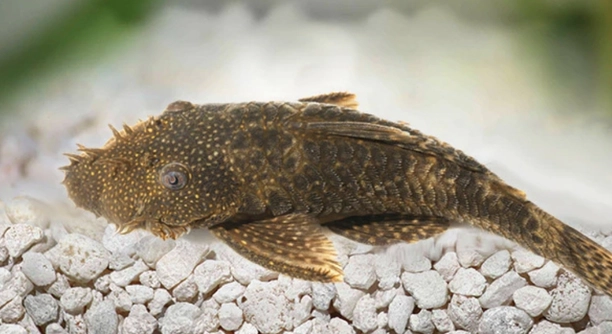
Do you enjoy observing your aquarium but find yourself noticing how your bristlenose pleco reacts to movement around its tank? These small catfish are fascinating to watch, and their behavior often sparks curiosity about their senses.
Bristlenose plecos can detect human movement through changes in water vibrations and visual cues. Their lateral line system allows them to sense disturbances in their environment, while their eyes provide sufficient perception to respond to nearby motion effectively.
Understanding how plecos perceive their surroundings can improve interactions and tank care. Observing their responses offers insight into their behavior and daily activity patterns.
How Bristlenose Plecos Sense Movement
Bristlenose plecos rely heavily on their lateral line system, which runs along the sides of their bodies. This system detects changes in water pressure and vibrations, allowing the fish to notice movement even when visibility is low. When a hand or object approaches the tank, it creates subtle ripples that the pleco can sense almost immediately. Their eyesight also contributes, though it is adapted more for low-light conditions. Plecos often respond by moving to a hiding spot or adjusting their position, demonstrating both caution and awareness. These responses are not random; they reflect an instinctive need to monitor surroundings for safety and feeding opportunities. Watching them respond can be surprisingly insightful, as each reaction shows how finely tuned their sensory systems are. Tank setup, including decorations and plants, can amplify or dampen these signals, which means observing behavior in different environments can reveal interesting variations. This sensitivity is part of what makes plecos engaging to observe daily.
The lateral line allows plecos to detect even minor disturbances. Small movements near the tank are enough for them to respond quickly.
Bristlenose plecos also rely on consistent patterns in their environment. They learn where to expect movement and often position themselves accordingly. For example, a pleco may hide when someone approaches the feeding area but remain visible in other sections of the tank. By understanding their sensory systems and natural instincts, aquarists can create environments that reduce stress and encourage natural behaviors. Observing these reactions can also provide clues about the pleco’s health and comfort, as unusual responses may indicate issues needing attention.
Factors Affecting Detection
Water clarity directly influences how well plecos can use vision to sense movement.
Other factors include water temperature, current flow, and tank size. Water that is too murky or has strong currents can interfere with vibration signals, making it harder for the pleco to detect nearby motion. Larger tanks may require plecos to rely more on their lateral line, as visual cues may be limited over distance. The presence of decorations, plants, and hiding spots can either amplify vibrations or block them, affecting how quickly a pleco reacts. Even the type of substrate can play a role, as sand or gravel can change how vibrations travel through the tank. Monitoring and adjusting these environmental elements ensures plecos remain responsive but not stressed. Proper feeding schedules, minimal sudden movements, and stable water parameters also support their ability to sense motion effectively, keeping them comfortable and healthy. Observing these behaviors consistently allows aquarists to fine-tune tank conditions for optimal care and interaction.
Feeding Responses and Human Interaction
Bristlenose plecos often react to human presence during feeding times. They can sense movement near the tank and will either swim toward the source or retreat to a hiding spot, depending on their comfort level and previous experiences with feeding.
Their reactions are influenced by routine. Plecos learn to associate specific movements, like reaching for food or tapping the tank, with mealtime. This conditioning makes them appear responsive to humans, though it is primarily a survival and feeding instinct. Over time, plecos may position themselves where food is usually offered, showing both recognition and anticipation. Consistent feeding routines help them feel secure and reduce stress, which encourages natural behavior and interaction patterns.
Watching plecos during feeding provides insight into their behavior. They may move cautiously or quickly, depending on water conditions, tank setup, and time of day. Even small actions, such as slight vibrations from tapping, can trigger a response. Understanding these cues allows for better interaction and care, ensuring they remain healthy, active, and less stressed in their environment.
Environmental Enrichment and Sensory Stimulation
Providing hiding spots and plants enhances plecos’ ability to detect movement and explore safely.
Environmental enrichment encourages natural behaviors. Plecos use caves, driftwood, and plants not only for shelter but also as vantage points to monitor their surroundings. A well-decorated tank allows them to feel secure while responding to vibrations and visual cues. It reduces stress and supports mental stimulation, keeping their sensory systems engaged. Regularly changing certain elements, like rearranging decorations or introducing safe new objects, can create subtle variations in their environment. These adjustments help plecos stay alert and active, enhancing their ability to sense movement and maintain natural instincts. Careful attention to tank layout ensures a balance between stimulation and comfort, making daily observation both informative and enjoyable.
Visual Cues and Movement
Bristlenose plecos respond to changes in light and shadow. Sudden movements near the tank create shifts that they notice quickly.
Even slight hand motions can trigger a reaction. Their eyes are adapted for low-light conditions, helping them detect subtle changes in the environment.
Stress and Sensory Overload
Excessive movement or constant disturbance can stress plecos. Stress affects feeding, activity, and overall health. Tank placement, careful interaction, and minimizing sudden motions reduce stress and help them maintain natural behaviors.
Observing Behavioral Patterns
Tracking pleco responses over time shows patterns in movement detection. They often anticipate feeding or hide based on human presence, demonstrating learned behavior and sensitivity.
FAQ
Can bristlenose plecos recognize individual humans?
Bristlenose plecos do not recognize humans in the way mammals might. They respond to familiar routines and movements rather than distinguishing individual people. Over time, they may anticipate feeding from a specific side of the tank or react differently to repeated actions, showing conditioned responses rather than recognition.
How quickly do plecos react to movement?
Plecos can detect changes almost immediately through their lateral line system. Vibrations in the water are transmitted rapidly, allowing them to respond in seconds. Their eyesight contributes in low-light conditions, but water disturbances are the main trigger for movement detection.
Do plecos get stressed by too much human activity?
Yes, excessive movement or tapping near the tank can increase stress levels. Stress can affect feeding, resting, and overall health. It’s important to minimize abrupt actions and maintain a calm environment, giving plecos time to feel secure and continue natural behaviors.
Can plecos differentiate between safe and threatening movement?
Plecos rely on instinct and experience. Regular, non-threatening movement, like feeding routines, is often interpreted as safe. Sudden or unusual disturbances can trigger hiding or escape behaviors. Over time, plecos learn patterns and respond according to perceived safety.
Do all plecos react the same way to human movement?
Responses vary depending on personality, age, and environment. Some plecos are more cautious and retreat quickly, while others may approach or remain stationary. Tank size, decoration, and previous interactions influence these behaviors. Observing individual patterns helps understand their comfort and responsiveness.
How does tank environment affect movement detection?
Water clarity, temperature, and current flow impact how plecos perceive vibrations and visual cues. Murky water can limit vision, while strong currents may interfere with lateral line sensing. Decorations, plants, and substrate can amplify or dampen vibrations, influencing reactions to human presence.
Can plecos become accustomed to human presence?
Yes, repeated exposure to gentle, predictable movements helps plecos feel comfortable. They may anticipate feeding times or swim closer to visible activity. However, sudden changes can still startle them, so maintaining consistency in interaction and environment is important.
Do plecos react differently at night?
Bristlenose plecos are primarily nocturnal, so their activity levels change in low light. They may be less responsive to visual cues but remain sensitive to water vibrations. Nighttime movements outside the tank can still trigger responses, though they may be more cautious.
Are plecos more responsive to certain types of movement?
They are particularly sensitive to disturbances that generate water vibrations. Quick, sudden movements or tapping the tank produce the strongest reactions. Slow, minimal motions are less likely to cause stress and may even encourage curious behavior without alarming the fish.
How can I safely interact with my plecos?
Minimize sudden gestures near the tank and keep movements predictable. Establishing feeding routines and providing hiding spots allows plecos to explore safely while maintaining comfort. Observing their natural responses rather than forcing interaction ensures they remain healthy, active, and stress-free.
Do plecos ever ignore human presence?
Yes, depending on their comfort level, activity, and environmental conditions. If they feel secure or are resting, plecos may not react immediately. Providing a calm, stable environment ensures that interactions are positive and their natural behaviors are preserved.
Can plecos learn over time to respond differently?
Repeated experiences shape pleco behavior. They learn patterns related to feeding or frequent activity around the tank. Over time, plecos may approach or avoid specific movements based on learned safety, showing adaptability while still relying on instinctive responses.
Does the type of food affect their response to movement?
Yes, plecos may become more alert when expecting favored foods. Movement associated with feeding can trigger excitement or anticipation, encouraging them to approach areas where food is usually offered. Less appealing food may result in slower or cautious responses.
Can multiple plecos influence each other’s reactions?
In a tank with several plecos, one fish’s reaction can alert others. Vibrations, movement, and visual cues propagate through the water, so group behavior often reflects shared responses. Observing interactions provides insight into social and sensory dynamics among plecos.
How can I tell if my pleco is stressed from human movement?
Signs include hiding excessively, reduced feeding, erratic swimming, or staying in corners. Adjusting tank setup, limiting sudden movements, and maintaining consistent routines can reduce stress and support healthier, natural behavior.
Are younger plecos more sensitive than adults?
Juvenile plecos tend to be more cautious and reactive to disturbances. Adults may display more confidence, relying on experience to gauge safety. Understanding age-related differences helps in designing interaction routines and tank environments tailored to their needs.
Do plecos respond differently to fast versus slow movement?
Fast movements create strong water vibrations, often triggering immediate retreat. Slow, gentle motions are less alarming and may encourage the fish to remain visible or approach out of curiosity, providing safe opportunities for observation and feeding.
Can plecos sense humans outside the room?
Their sensitivity is limited to vibrations in the water and visual cues near the tank. Movements far away or through walls are generally not detected, so plecos mostly react to activity directly impacting their immediate environment.
Is it possible to train plecos to respond to signals?
While not trainable like mammals, plecos can associate consistent cues with feeding or routine activity. Over time, predictable movements or subtle signals can trigger specific responses, demonstrating learning through repetition rather than conscious recognition.
How does water temperature affect their movement detection?
Temperature influences metabolism and activity levels. Warmer water may make plecos more active and responsive, while cooler temperatures can slow movement and reactions. Maintaining a stable temperature supports normal sensory perception and behavior patterns.
Can decorations or plants change how plecos perceive movement?
Yes, hiding spots and plants can block or dampen vibrations, while open areas allow clearer detection. Strategic placement provides both security and effective sensory engagement, letting plecos react naturally without feeling threatened.
Do plecos respond differently to vertical versus horizontal movements?
Horizontal disturbances often create ripples across the tank, which are more easily detected through the lateral line. Vertical movements may be less pronounced in water, though visual cues still play a role. Their responses adjust based on the direction and strength of the disturbance.
Can plecos distinguish between repeated and random movements?
Repeated, predictable movements are often recognized as safe, particularly during feeding routines. Random or irregular movements trigger caution or retreat. Over time, plecos learn patterns, showing a balance between instinctive reactions and learned behavior for survival.
Does lighting affect their sensitivity to human movement?
Low light conditions reduce reliance on vision, making vibrations more important. Brighter conditions improve visual detection but may also stress them if sudden shadows or changes occur. Maintaining consistent lighting supports both comfort and natural responses.
How can I create a tank environment that supports healthy sensory responses?
Provide hiding spots, stable water conditions, and predictable routines. Minimize sudden disruptions while ensuring adequate space for exploration. This balance encourages natural movement responses, reduces stress, and allows plecos to interact safely with their surroundings.
Are there signs of overstimulation from too much human activity?
Overstimulation may appear as rapid swimming, constant hiding, or refusal to feed. Reducing external disturbances, maintaining calm interactions, and providing adequate cover helps prevent stress and supports healthy behavioral patterns.
Can plecos detect vibrations from appliances near the tank?
Yes, strong vibrations from pumps, filters, or nearby machinery can trigger responses. Monitoring and adjusting placement or minimizing excess vibrations ensures plecos remain comfortable and responsive without unnecessary stress.
Do plecos respond differently to familiar versus unfamiliar movements?
Familiar movements, like routine feeding or gentle tapping, are generally interpreted as safe. Unfamiliar or sudden movements trigger caution or hiding. Over time, repeated exposure to consistent activity helps plecos distinguish safe patterns from potential threats.
Can water quality influence their movement detection?
Poor water quality affects overall health and sensory function. High levels of waste, chemicals, or improper pH can reduce responsiveness, increase stress, and impact behavior. Regular maintenance supports both physical health and natural sensory perception.
How do plecos react to shadows outside the tank?
Shadows cast over the tank can mimic movement and trigger defensive responses. Plecos may hide or shift position, interpreting the change as a potential threat. Understanding this can help manage lighting and placement for a calm environment.
Does the time of day affect reactions to human movement?
Yes, plecos are more active at night. Daytime activity may be slower or limited to hiding areas. Movement during their active periods tends to elicit stronger reactions, aligning with natural nocturnal behaviors and feeding patterns.
Can plecos adapt to noisy households?
They can tolerate moderate vibration and movement with time. However, excessive noise or abrupt activity may increase stress. Providing hiding spots and consistent routines helps them adapt while maintaining normal sensory responses.
Is it possible for plecos to ignore repeated stimuli over time?
Habituation can occur. Plecos may become less reactive to predictable, non-threatening movements, demonstrating a learned tolerance. This does not mean they lose sensitivity but rather that they adjust responses based on experience and safety assessment.
Do plecos respond differently in groups versus alone?
Group behavior can amplify reactions. One pleco’s movement may alert others through vibrations or visual cues. Solitary plecos respond individually, but social dynamics in group tanks influence sensitivity and behavior patterns.
Can changes in feeding schedule affect responsiveness to movement?
Yes, irregular feeding can increase alertness or stress. Consistent routines help plecos associate movement with safe, predictable outcomes, improving responses without causing undue anxiety.
Are plecos more sensitive to certain types of vibrations?
Low-frequency vibrations travel further through water, making them more detectable. High-frequency, subtle vibrations may be less noticeable. Their lateral line system efficiently perceives relevant disturbances, allowing them to react appropriately to environmental changes.
Can plecos communicate their detection of movement to other fish?
Indirectly, yes. Movements in response to disturbances create vibrations that other fish may sense. This shared awareness can trigger group reactions, showing how sensory detection influences social behavior in community tanks.
How do plecos respond to human shadows combined with vibrations?
Shadows paired with water vibrations intensify the perceived disturbance. Plecos often retreat or hide, interpreting the combination as a stronger potential threat. Managing lighting and minimizing water disturbance helps reduce stress while allowing natural sensory behavior.
Can plecos learn to anticipate feeding based on movement cues alone?
Yes, they can associate specific actions, like tapping or hand motions, with food delivery. This learned behavior reflects adaptation to their environment and provides opportunities for observation without causing harm or stress.
Does tank size influence movement detection?
Smaller tanks allow vibrations and visual cues to reach plecos quickly, often resulting in faster reactions. Larger tanks may reduce sensitivity to distant movements, requiring plecos to rely more on lateral line detection than vision.
Can plecos get startled by reflections on the glass?
Reflections can mimic movement and trigger defensive responses. Plecos may hide or swim away if lighting creates noticeable reflections. Adjusting tank placement or lighting reduces startling effects and supports a calm environment.
Is it possible for plecos to habituate to human presence over months?
Yes, with consistent, gentle interaction and predictable routines, plecos can become comfortable with human presence. Habituation does not eliminate sensitivity but reduces unnecessary stress and encourages natural, confident behavior.
Do plecos show different reactions depending on the type of tank mates?
Tank mates influence stress levels and activity. Aggressive or overly active companions may make plecos more cautious, while calm species allow natural responses to human movement. Observing interactions ensures plecos remain comfortable and responsive without excessive fear or stress.
Can plecos detect movements outside their visual range?
Yes, vibrations travel through water, allowing detection beyond direct line of sight. Their lateral line system provides a reliable sense of nearby disturbances, even when objects or humans are not directly visible.
How important is consistency in interaction for plecos?
Predictable routines and gentle movements help plecos feel secure. Consistency reduces stress, encourages natural responses, and allows observation of normal behavior patterns, supporting long-term health and comfort in the tank environment.
Do plecos respond differently to vertical versus horizontal vibrations?
Horizontal vibrations usually travel further and are more easily detected. Vertical disturbances may be less noticeable, though visual cues can compensate. Their behavior adjusts according to the direction and intensity of water movement.
Can plecos distinguish between vibrations caused by humans versus other fish?
They respond primarily to the disturbance itself, not the source. Familiar vibrations from feeding routines may be interpreted as safe, while unexpected movements, regardless of origin, trigger caution or retreat.
Are plecos more sensitive to movements near the water surface or bottom?
Surface disturbances are often felt quickly through water vibrations, while movements near the bottom may be less noticeable unless they directly affect water flow or substrate. Positioning and tank setup influence their ability to detect motion accurately.
How does age affect their response to movement?
Younger plecos tend to be more cautious and reactive. Adults may show more confident behavior due to experience. Understanding age-related differences helps tailor interactions and tank setup for optimal comfort and responsiveness.
Do plecos ever ignore movement when feeding is involved?
During feeding, the desire for food may override caution, leading plecos to respond less to minor disturbances. Hunger and familiarity with feeding routines often influence their tolerance to nearby movement.
Can plecos detect vibrations from outside the room?
Typically, vibrations must be transmitted through the water to be sensed. Movements distant from the tank or through walls usually do not affect them, so they react mainly to immediate environmental changes.
Does adding new objects affect their sensitivity to movement?
Introducing new decorations can create new pathways for vibrations and visual cues. Plecos may become more alert or cautious temporarily as they adjust, reflecting their ability to sense changes and respond to the environment.
How can I monitor their reaction to movement effectively?
Observation during feeding and routine interactions provides the clearest insight. Noting hiding, swimming patterns, and approach behavior helps assess comfort, stress levels, and sensory responsiveness over time.
Do plecos respond differently when alone versus in a group?
Group dynamics influence reactions. One pleco’s movement can trigger responses in others. Solitary plecos respond individually, relying solely on their perception of water vibrations and visual cues.
Can vibrations from pumps or filters be mistaken for human movement?
Yes, strong vibrations from equipment can trigger reactions similar to human activity. Proper placement and adjustment help minimize unnecessary stress while allowing natural behavior to continue.
Is pleco sensitivity consistent throughout the day?
Activity levels fluctuate, typically higher during nighttime. Sensory responsiveness aligns with natural patterns, making them more alert at certain times and less responsive when resting.
Do plecos react to shadows of moving objects outside the tank?
Shadows can mimic movement, prompting plecos to hide or shift. Managing lighting and minimizing external disturbances helps maintain a calm environment without unnecessary stress.
Can plecos differentiate between repeated and random vibrations?
Repeated, predictable vibrations are often interpreted as safe. Random or irregular disturbances trigger caution, demonstrating their ability to learn patterns and adapt responses based on perceived safety.
How does water flow impact their movement detection?
Strong currents can mask vibrations, making it harder for plecos to detect movement. Moderate, consistent flow supports natural sensory perception without overwhelming their lateral line system.
Can plecos sense changes in tank temperature through movement?
Temperature shifts affect metabolism and activity, but plecos detect movement primarily through water vibrations and visual cues. Sudden changes may indirectly influence responsiveness by altering overall behavior.
Are plecos more sensitive to certain areas of the tank?
Open spaces allow clearer detection of movement, while heavily decorated areas may dampen vibrations. Plecos often position themselves strategically to monitor surroundings while feeling secure.
Do plecos show curiosity toward human movement or only caution?
Responses vary. Some plecos approach slowly during feeding or routine activity, showing cautious curiosity, while others prioritize hiding. Behavior reflects both instinct and learned patterns over time.
Can plecos adapt to sudden changes in routine or environment?
They can adjust gradually, but abrupt changes may increase stress. Maintaining consistency in feeding, tank layout, and interaction helps support normal behavior and responsiveness.
Does pleco sensitivity differ between species?
Yes, sensory capabilities and behavior vary across pleco species. Bristlenose plecos have specific adaptations for low-light environments and vibration detection, which may differ from other types of catfish.
Can repeated tapping cause long-term stress?
Persistent tapping or abrupt disturbances can lead to chronic stress, reducing feeding, activity, and overall health. Limiting such interactions protects their well-being and promotes natural behavior.
How do plecos respond to objects placed suddenly in the tank?
New objects create both visual and vibrational changes. Plecos may hide, investigate cautiously, or adjust their position. Gradual introductions minimize stress and allow safe exploration.
Can plecos sense vibrations from outside water-based activities, like walking nearby?
Minor vibrations may travel through the floor, but significant detection requires transmission into the water. They primarily respond to direct disturbances in their immediate environment.
Do plecos respond differently to feeding from different areas of the tank?
Yes, they often learn where food is offered. Movements near familiar feeding spots trigger anticipation, while unfamiliar areas may prompt cautious investigation.
Are plecos more reactive during certain seasons?
Seasonal changes in light, temperature, and natural behavior may slightly affect activity. Stable aquarium conditions minimize variations, keeping responsiveness consistent.
How important is hiding space for movement detection?
Hiding spots provide security, reducing stress and allowing plecos to monitor movement safely. Lack of cover can increase anxiety and alter natural responses.
Do plecos respond differently to glass tapping versus hand movement?
Both create vibrations, but tapping on glass often produces sharper disturbances. Plecos may react more strongly to sudden taps than slow, nearby hand motions.
Can plecos become habituated to predictable tapping?
Yes, repeated non-threatening tapping can reduce stress over time. They learn to associate it with safe, familiar activity, demonstrating adaptability without losing sensitivity.
How do plecos respond to water surface movement?
Ripples on the surface create vibrations detected by the lateral line. Plecos often adjust position, hide, or investigate depending on intensity and context.
Do plecos respond to movement in neighboring tanks?
Vibrations can transmit through shared surfaces or water connections. Nearby activity may trigger mild reactions, though direct proximity produces the strongest response.
Can plecos sense subtle movements, like shadows from leaves outside the tank?
Yes, subtle visual changes paired with water disturbances can trigger mild responses. Sensitivity varies by light, distance, and previous exposure to similar cues.
Are plecos more sensitive during feeding than at other times?
Feeding heightens alertness. Movements associated with food delivery prompt quicker and more consistent reactions compared to neutral periods, reflecting learned anticipation.
Do plecos respond differently to vertical versus horizontal shadows?
Bristlenose plecos are fascinating creatures that display a variety of behaviors in response to their surroundings. Their ability to sense human movement is largely guided by their lateral line system, which detects vibrations in the water. This system allows them to perceive changes in the environment quickly and respond with caution, curiosity, or even avoidance. Visual cues also play a role, though their eyesight is adapted for low-light conditions, making vibrations a more reliable indicator of movement. Watching how a pleco reacts to subtle disturbances, such as a hand near the tank or a ripple in the water, can reveal much about their natural instincts and sensory abilities. These small fish are not simply passive inhabitants; they actively monitor their environment and adjust their behavior accordingly, reflecting both survival instincts and learned experiences over time. Understanding these responses can improve how we care for and interact with them, allowing for healthier and more comfortable living conditions.
Their responses to movement are shaped by a combination of environmental factors and individual experiences. Water clarity, temperature, tank size, and decoration all influence how well plecos can detect disturbances. Murky water or strong currents can interfere with their ability to sense vibrations, while open spaces and strategically placed hiding spots help them monitor movement more effectively. Routine also plays a significant role. Plecos quickly learn patterns associated with feeding and safe interactions, allowing them to anticipate certain actions while remaining cautious of unusual disturbances. Over time, they may approach specific areas of the tank during feeding or hide in familiar spots when sensing sudden movement. These behaviors show a balance between instinctive responses and learned adaptations, highlighting how environmental management and consistent interaction can support natural behaviors while minimizing stress.
Creating an environment that respects their sensory abilities and instincts is essential for their well-being. Providing adequate hiding spaces, maintaining stable water conditions, and minimizing sudden disturbances allow plecos to explore safely and respond naturally to movement. Consistent feeding routines and gentle, predictable human interactions help them feel secure while remaining alert to changes in their surroundings. Observing their behavior over time offers valuable insight into their comfort, health, and overall activity patterns. By understanding how bristlenose plecos sense movement and respond to environmental cues, aquarists can foster an environment that promotes natural behavior, reduces stress, and allows these unique fish to thrive. A thoughtful approach to care not only benefits the plecos but also enhances the experience of watching and interacting with them, creating a harmonious and engaging aquarium environment.

Hello,
If you enjoy the content that we create, please consider saying a "Thank You!" by leaving a tip.
Every little bit helps us continue crafting quality advice that supports the health, happiness, and well-being of pets around the world, for pets of all shapes, sizes, and species.
We really appreciate the kindness and support that you show us!