
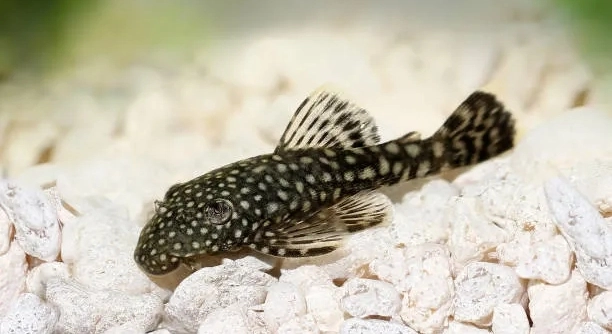
Are your plecos getting bored of the usual store-bought food? Homemade options can add variety and provide essential nutrients. Preparing simple DIY foods allows you to cater to their natural dietary preferences and improve their overall well-being.
Plecos thrive on a variety of fresh vegetables, algae-based foods, and protein sources. Homemade recipes incorporating zucchini, cucumber, spinach, and occasional protein supplements can meet their dietary needs, promoting growth, digestion, and long-term health effectively.
Providing these DIY options ensures your plecos enjoy a balanced, stimulating diet. The following recipes are easy to prepare and designed for their specific tastes.
Zucchini Chips for Plecos
Zucchini is a gentle vegetable that plecos easily digest. Slicing it thinly and lightly steaming or blanching helps soften the texture while preserving nutrients. Once cooled, you can place the slices in your tank, allowing your plecos to nibble naturally. Zucchini is rich in vitamins and minerals, supporting healthy growth and maintaining a strong immune system. Using fresh produce ensures no harmful preservatives enter their diet. You can also vary the thickness of the slices depending on the size of your plecos. Some prefer thinner pieces they can easily grip, while larger plecos enjoy thicker slices that last longer. This simple method also encourages natural foraging behavior, keeping your fish active and engaged. Avoid overcooking, as too soft pieces can quickly pollute the water, affecting overall tank health. Regularly offering zucchini along with other vegetables helps maintain a balanced, varied diet that plecos find appealing.
Zucchini chips are easy to prepare and provide a safe, nutritious snack for your plecos.
Introducing zucchini regularly supports digestion and encourages natural grazing behavior while maintaining water quality.
Cucumber Slices for Plecos
Cucumber slices are a quick, accessible option for plecos. Their mild flavor and high water content make them easy to digest.
Cucumber provides hydration and essential nutrients while remaining low in calories, promoting steady growth and overall health.
To prepare, wash the cucumber thoroughly and cut into manageable pieces. You can lightly blanch them to soften if needed. Attaching slices to a clip or weight keeps them submerged, allowing plecos to graze comfortably. Cucumbers can be rotated with zucchini or other vegetables to avoid monotony. While high in water, cucumbers should be paired with other foods to ensure protein intake. Observing how your plecos interact with each piece helps you adjust size and preparation methods. Over time, your plecos will develop preferences, and offering a variety ensures a balanced diet that supports strong fins, vibrant coloration, and proper digestion. Regular use of cucumber is a simple, effective way to enhance your plecos’ nutrition while keeping feeding straightforward and manageable.
Spinach Leaves for Plecos
Spinach is a nutrient-dense leafy green that plecos enjoy. Blanching the leaves softens them, making them easier to eat and digest.
Blanching spinach helps remove any pesticides and reduces the risk of water contamination. Once cooled, leaves can be attached to a clip or placed in the tank, allowing plecos to graze at their own pace. Spinach provides iron, calcium, and vitamins that support healthy growth and strong bones. Rotating with other greens prevents dietary monotony and ensures a well-rounded intake of nutrients. Offering spinach once or twice a week maintains freshness and encourages natural foraging behavior. Be mindful of portion sizes to avoid decaying leaves affecting water quality.
Regular use of spinach improves digestion and adds variety to a pleco’s diet. Its natural flavor encourages grazing while providing essential minerals and vitamins that support long-term health.
Peas for Plecos
Peas are an excellent source of plant-based protein and fiber, supporting digestion and overall health. Boiling or steaming softens them for easier consumption.
Remove the outer skin before serving to prevent digestive issues. Splitting the peas in half ensures smaller plecos can access them. Frozen peas work well after thawing and lightly cooking. They can be offered a few times a week as part of a balanced diet. Peas promote healthy bowel movements and prevent constipation, which is common in captive plecos. Combining peas with other vegetables and occasional protein supplements ensures a complete nutritional profile. Observing how your plecos respond helps determine the right frequency and portion size. Overfeeding can lead to water quality issues, so careful monitoring is important. With proper preparation, peas are a convenient, nutritious, and enjoyable addition to your plecos’ meals.
Sweet Potato Slices for Plecos
Sweet potatoes provide natural sugars and fiber that plecos enjoy. Slicing them thin and steaming lightly makes them easier to eat.
Offering sweet potato occasionally adds variety to their diet. It supports digestion and provides slow-release energy for active grazing throughout the day.
Cucumber and Zucchini Mix
Combining cucumber and zucchini creates a balanced vegetable option. Both are soft, hydrating, and easy for plecos to nibble. Preparing them together ensures a mix of vitamins and minerals while keeping feeding simple. Rotating slices daily helps maintain water quality and encourages consistent grazing behavior.
Spinach and Pea Mash
Blanching spinach and mashing peas creates a soft, nutrient-rich food. It is ideal for younger or smaller plecos who need easier access to essential nutrients.
FAQ
What vegetables are safe for plecos to eat?
Plecos thrive on a variety of vegetables like zucchini, cucumber, spinach, and sweet potatoes. These options are gentle on their digestive system and provide essential vitamins and minerals. Rotating vegetables prevents dietary boredom and ensures a balanced intake of nutrients. Always wash vegetables thoroughly before feeding.
Can plecos eat frozen vegetables?
Yes, frozen vegetables are safe as long as they are properly thawed and lightly cooked or blanched. Freezing preserves nutrients while making preparation easier. Avoid vegetables with added sauces or seasonings. Splitting larger vegetables into small pieces ensures plecos of all sizes can access them comfortably.
How often should I feed my plecos DIY foods?
Feeding DIY foods two to three times a week works well alongside their regular diet. Fresh vegetables should be removed if uneaten within a few hours to prevent water contamination. Observing how much your plecos consume helps determine the right portion size and frequency.
Can I feed my plecos peas and spinach together?
Yes, combining peas and spinach is beneficial. Spinach provides vitamins and minerals, while peas add fiber and protein. Mashing peas slightly makes it easier for smaller plecos to eat. Mixing vegetables encourages grazing behavior and provides a more complete nutritional profile.
Are there any vegetables I should avoid?
Avoid starchy or overly acidic vegetables like onions, garlic, or raw potatoes. These can cause digestive upset or negatively impact water quality. Stick to vegetables known to be safe for plecos and always monitor how they react to new foods.
Should vegetables be cooked before feeding?
Lightly blanching vegetables softens them and makes them easier to digest. Cooking also reduces the risk of harmful bacteria. Avoid overcooking, as overly soft vegetables can quickly decay in the tank and affect water quality.
How do I prevent water from getting dirty when feeding vegetables?
Using clips, weights, or sinking holders helps keep vegetables in one place, reducing debris in the tank. Remove uneaten portions promptly. Offering smaller portions at a time also prevents excess waste and helps maintain clean water conditions.
Can baby plecos eat the same vegetables as adults?
Yes, but baby plecos may need smaller, softer pieces. Mashing or lightly steaming vegetables ensures they can easily consume them. Observing their feeding habits allows you to adjust texture and portion size for proper nutrition.
Is it okay to combine store-bought food with DIY vegetables?
Yes, combining commercial pellets or wafers with fresh vegetables provides a balanced diet. Pellets offer essential nutrients that vegetables alone may not cover, while DIY foods add variety and enrichment to their meals. This combination supports long-term health and growth.
How do I know if my pleco is enjoying the vegetables?
Plecos that graze, nibble, and actively approach the food are responding well. Uneaten vegetables after feeding may indicate a preference or portion size adjustment is needed. Regular observation ensures you are meeting their nutritional needs effectively.
Can plecos overeat vegetables?
Yes, offering too much can lead to water quality issues and digestive problems. Provide small, manageable portions and remove leftovers promptly. Moderation ensures plecos benefit from the nutrients without negatively impacting their tank environment.
Are all leafy greens suitable for plecos?
Not all leafy greens are ideal. Spinach, romaine lettuce, and kale are safe in moderation. Avoid cabbage or lettuce that may have pesticides or preservatives. Always rinse thoroughly and blanch lightly to ensure safety and digestibility.
How long can prepared DIY foods stay in the tank?
Vegetables should not remain in the tank for more than 4–6 hours. Extended exposure can lead to decay, bacterial growth, and water pollution. Remove uneaten portions and replace with fresh servings during the next feeding.
Do plecos need protein from vegetables?
Vegetables provide fiber and some nutrients, but protein is still necessary. Occasionally adding protein-rich foods like peas or algae wafers balances their diet. This combination ensures proper growth, energy levels, and overall health.
Can I make DIY vegetable mixes in advance?
Yes, you can prepare portions in advance and store them in the fridge for a short period. Avoid freezing prepared mixes, as texture and nutrient content may degrade. Always check freshness before feeding to prevent water contamination.
This FAQ provides practical guidance on feeding DIY vegetables to plecos, ensuring they remain healthy, active, and well-nourished while maintaining clean tank conditions.
Providing a variety of DIY foods for plecos is a simple way to improve their overall health and well-being. Vegetables like zucchini, cucumber, spinach, and sweet potatoes are easy to prepare and digest, offering essential nutrients that support growth and immunity. By including a mix of these foods, you ensure plecos receive a balanced diet that mimics their natural feeding habits. Rotating vegetables regularly also prevents boredom and encourages natural grazing behavior, which keeps them active and engaged in the tank. Preparing fresh foods at home allows you to control quality, ensuring that no preservatives or harmful additives enter their diet. Even small, consistent changes in feeding habits can make a noticeable difference in your plecos’ appearance, energy levels, and longevity. Watching them nibble on homemade foods can also be rewarding, as you can see which options they prefer and adjust portions accordingly.
While DIY foods are beneficial, it is important to maintain proper portion sizes and tank hygiene. Uneaten vegetables should be removed promptly to avoid water contamination and prevent bacterial growth. Using clips, weights, or sinking holders can help keep the food in place and reduce debris in the tank. Overfeeding, even with healthy options, can lead to poor water quality and digestive issues. Observing your plecos during feeding times helps you understand how much they consume and which foods they favor. Smaller plecos or younger fish may need softer or mashed foods, while larger ones can handle thicker slices. Combining DIY foods with their regular pellets or wafers ensures they receive sufficient protein and other nutrients that vegetables alone may not provide. Consistency and attention to detail make feeding DIY foods both safe and effective.
Making your own pleco foods does not have to be complicated. Simple preparation techniques like blanching, slicing, or lightly steaming vegetables are enough to make them digestible and enjoyable for your fish. Offering foods like peas, spinach, or zucchini a few times a week adds variety without creating unnecessary complications. Over time, your plecos may develop preferences, allowing you to provide the foods they enjoy most while maintaining nutritional balance. The process of feeding DIY foods can be both practical and enjoyable, creating a routine that benefits both you and your fish. By understanding their dietary needs and providing fresh, appropriate foods, you create an environment where plecos thrive naturally. This approach promotes long-term health, encourages natural behavior, and keeps your aquarium clean and balanced. Ultimately, incorporating DIY foods into your plecos’ diet is a manageable and effective way to support their well-being while keeping feeding straightforward and satisfying.

Hello,
If you enjoy the content that we create, please consider saying a "Thank You!" by leaving a tip.
Every little bit helps us continue crafting quality advice that supports the health, happiness, and well-being of pets around the world, for pets of all shapes, sizes, and species.
We really appreciate the kindness and support that you show us!