
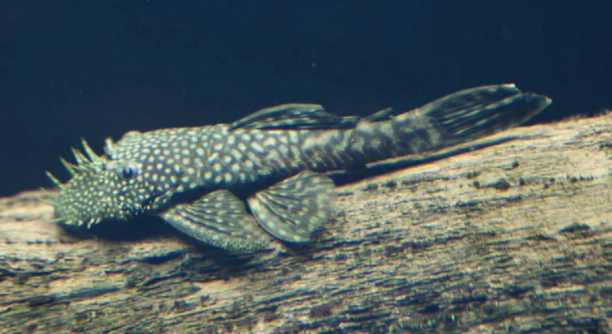
Have you ever noticed your plecos hiding more than usual, leaving your tank looking empty? Their behavior can often be influenced by the lighting schedule you provide. A proper light cycle helps them stay healthy and active.
The best light cycle for plecos typically consists of 10 to 12 hours of light followed by 12 to 14 hours of darkness. Maintaining this schedule mimics their natural environment, supporting their nocturnal habits and overall wellbeing.
Proper light management ensures your plecos feel secure, encouraging natural activity and feeding patterns while keeping your aquarium balanced and visually appealing.
Understanding Pleco Behavior
Plecos are naturally nocturnal fish, which means they are most active at night. During the day, they often hide under decorations, driftwood, or in caves. Observing their daytime behavior can help you adjust the tank’s environment to suit their natural tendencies. They use hiding spots for safety and rest, so overcrowding or removing these areas can make them stressed or less active. Lighting plays a key role in their routine. Too much light can keep them hidden and reduce feeding activity, while too little light may disrupt their natural rhythms. In addition to lighting, water quality, tank size, and temperature also impact how comfortable your plecos feel in the tank. By paying attention to these details, you can create an environment that encourages natural behavior, reduces stress, and promotes healthier growth.
Plecos thrive in tanks where their routines are predictable and they feel secure.
Hiding spaces, gentle water flow, and moderate lighting make plecos more visible during feeding times and help them explore the tank confidently.
Setting the Right Light Cycle
A consistent light cycle helps plecos distinguish between day and night.
For most pleco species, 10 to 12 hours of light per day is ideal. Using a timer ensures the schedule remains steady, preventing irregular lighting that can stress fish. Natural daylight or aquarium-specific LED lights work well, but avoid overly bright lighting directly above the tank. Dim or indirect lighting encourages activity during the evening while allowing them to rest during the day. Adjust the light gradually if changing schedules to avoid shocking your plecos. Consider pairing the light cycle with feeding times to reinforce natural activity patterns. A well-planned light schedule also benefits live plants in the aquarium, helping maintain oxygen levels and water quality, which plecos depend on. Regular monitoring ensures the tank environment remains suitable, supporting your plecos’ health and growth over time. Lighting is a simple adjustment that can have a lasting positive impact on their overall wellbeing.
Adjusting Light for Different Pleco Species
Different pleco species have varying activity levels and preferences. Some are more sensitive to bright light, while others tolerate it well. Observing your specific species helps you provide the most comfortable environment and prevents stress caused by lighting that is too strong or inconsistent.
Some plecos, like the Bristlenose, are more tolerant of moderate lighting, making them easier to keep in community tanks. Larger species, such as the Common Pleco, often prefer dimmer areas with more hiding spots. Adjusting light intensity according to species ensures they feed properly, maintain healthy behavior, and reduce the chance of hiding excessively. Combining species knowledge with a consistent light cycle makes their environment more predictable and secure.
Providing shaded areas or using floating plants can help control light exposure. This not only mimics their natural habitat but also encourages normal nocturnal patterns. Consistent observation allows adjustments to optimize tank conditions for each species, promoting long-term health and activity.
Seasonal and Environmental Considerations
Lighting needs can change with the seasons and room conditions.
During summer months, natural sunlight can increase tank brightness, which may require using blinds or adjusting artificial lighting. In winter, shorter daylight hours might mean extending artificial light to maintain consistent cycles. Maintaining a balance prevents stress and helps plecos follow predictable routines.
Environmental factors, like water clarity and tank placement, influence how much light reaches the bottom where plecos dwell. Cloudy or tinted water may require slightly stronger lighting, while clear water can make even moderate lights intense. Observing behavior, such as hiding patterns or reduced feeding, indicates whether adjustments are needed. Matching lighting to seasonal changes and room conditions keeps plecos active and comfortable throughout the year. Regular monitoring of both light levels and pleco activity ensures that the tank remains a stable, healthy environment regardless of external fluctuations.
Using Timers for Consistency
Timers make maintaining a regular light cycle simple and reliable. They ensure lights turn on and off at the same time every day, helping plecos adapt to a predictable schedule without stress or confusion.
A steady routine supports natural feeding and resting patterns. Inconsistent lighting can cause plecos to hide more or become less active, affecting their overall health and behavior.
Combining Lighting with Tank Setup
Positioning decorations, driftwood, and plants strategically can help manage light exposure. Shaded areas allow plecos to rest during bright periods, while open areas encourage feeding and exploration. A balanced setup mimics their natural environment, making them feel secure and active.
Observing Pleco Reactions
Pay attention to how plecos respond to light changes. Increased hiding or inactivity may indicate the need for adjustment.
FAQ
How long should plecos be exposed to light each day?
Most plecos do best with 10 to 12 hours of light daily. This mimics natural day and night cycles, supporting their nocturnal behavior. Too much light can stress them, while too little may affect feeding and activity. Using a timer helps keep this schedule consistent.
Can plecos live with lights on all day?
Keeping lights on constantly is not recommended. Continuous light can confuse their internal rhythms, causing stress and reduced activity. Plecos need periods of darkness to rest and maintain natural behavior. Maintaining a consistent day-night cycle ensures healthier, more active fish.
Should I use bright or dim lighting for plecos?
Dim to moderate lighting is usually best. Bright lights can make plecos hide more often, while too dim light may prevent observation and affect plants. Adjustable LED lights or indirect lighting help create a balanced environment. Shaded areas also give plecos a safe resting place.
Do plecos prefer natural or artificial light?
Both work well, but natural light should be controlled to avoid excess heat or algae growth. Artificial lights, like LEDs, provide consistent intensity and timing. Combining both, if possible, gives a more natural feel while keeping control over their environment.
Can changing the light schedule stress plecos?
Yes, sudden changes in light duration or intensity can stress plecos. Gradually adjusting schedules helps them adapt without disrupting feeding or resting patterns. Observing their behavior during transitions ensures they remain active and comfortable.
Does the light cycle affect pleco feeding?
Absolutely. Plecos often feed during evening or low-light periods. A consistent light schedule helps them develop predictable feeding habits. Inadequate lighting or irregular schedules can make them hide more and eat less, which may impact their health.
Do different pleco species need different light cycles?
Yes, species vary in light tolerance. Bristlenose plecos handle moderate light well, while Common Plecos prefer dimmer areas with more hiding spots. Observing each species’ behavior and adjusting light intensity ensures they stay healthy and active.
Should I turn off lights at night for plecos?
Yes, darkness is essential for their rest. Plecos are nocturnal, so providing uninterrupted dark periods helps maintain natural rhythms. Artificial moonlight or very low-intensity lights can be used if necessary, but bright lighting at night should be avoided.
Can plants in the tank affect pleco light needs?
Yes, plants require sufficient light to thrive, which may influence overall tank lighting. Balancing plant needs with pleco comfort is key. Using shaded areas, floating plants, or adjustable lighting helps satisfy both plecos and plants without causing stress.
How do I know if my plecos are stressed by light?
Signs include excessive hiding, reduced feeding, and inactivity during normal active periods. Adjusting light intensity or providing more shaded areas can alleviate stress. Observing their daily patterns helps determine if changes are necessary to improve their environment.
Is it okay to use a timer for feeding with the light schedule?
Yes, syncing feeding times with the light cycle encourages activity and natural behavior. Plecos respond well to predictable routines, which improves feeding consistency and reduces stress. Gradual changes in feeding times help them adjust smoothly.
What’s the effect of seasonal light changes on plecos?
Seasonal changes can alter natural light exposure, impacting activity. Adjusting artificial lighting to maintain consistent day-night cycles helps plecos stay active and reduces stress. Monitoring their behavior during seasonal shifts ensures they remain healthy year-round.
Can multiple plecos share the same light schedule?
Yes, most pleco species in the same tank can follow the same schedule. Ensure that hiding spaces are sufficient for all fish. Overcrowding or insufficient shade may lead to stress despite a proper light cycle.
Do plecos benefit from gradual light transitions?
Yes, slowly increasing or decreasing light intensity simulates sunrise and sunset. This reduces sudden stress and mimics natural conditions, helping plecos feel secure while supporting their nocturnal activity patterns.
How important is consistency in the light cycle?
Consistency is vital. Irregular lighting can disrupt resting, feeding, and overall health. Using timers and observing daily routines ensures plecos remain active, healthy, and comfortable in their environment.
This FAQ provides practical guidance to keep plecos healthy, active, and stress-free by understanding their light needs and adjusting the environment accordingly. Regular observation and small adjustments go a long way in ensuring their well-being.
Word count: 517
Final Thoughts
Maintaining a proper light cycle is one of the simplest yet most important steps in keeping plecos healthy. These fish are naturally nocturnal, so they rely on consistent day and night patterns to guide their behavior. Providing 10 to 12 hours of light with an equal or slightly longer period of darkness mimics their natural environment and supports their feeding and resting habits. Sudden changes in light, whether in duration or intensity, can stress plecos and make them hide more often. Observing your plecos over time will give you a clear sense of how they respond to the lighting in your tank. Small adjustments, such as dimming the lights or providing shaded areas with plants or decorations, can make a significant difference in their comfort and activity levels. Using a timer is a simple tool that ensures consistency, making the light cycle predictable and easy to maintain.
Different species of plecos may have slightly different preferences, and taking these differences into account can improve their overall well-being. For instance, some species tolerate moderate lighting, while larger or more sensitive plecos prefer dim areas with plenty of hiding spots. Understanding your specific pleco species and observing their daily routines helps you provide an environment tailored to their needs. Combining proper lighting with thoughtful tank setup—like driftwood, caves, and plants—creates spaces where plecos can rest, explore, and feed without feeling stressed. This careful balance not only encourages natural behavior but also enhances the visual appeal of your aquarium. Plecos tend to respond well to predictable routines, so pairing feeding times with consistent lighting schedules can further reinforce their natural rhythms. Adjusting light gradually during seasonal changes or if tank conditions vary helps maintain stability and ensures that plecos remain active and comfortable.
Finally, keeping plecos healthy is not just about light but also about observing how they respond to the environment you create. Look for signs of stress, such as excessive hiding, reduced feeding, or inactivity, and make adjustments accordingly. The right light cycle, combined with proper tank setup and attention to species-specific needs, supports their health, longevity, and activity. Providing shaded areas, controlling light intensity, and maintaining consistency are all small but important steps that contribute to a thriving aquarium. Paying attention to these details allows plecos to exhibit natural behavior, feed well, and remain active, making your tank both lively and balanced. With patience and careful observation, you can create an environment where plecos feel secure, comfortable, and well-cared-for, giving them the best chance to flourish.
Word count: 406

Hello,
If you enjoy the content that we create, please consider saying a "Thank You!" by leaving a tip.
Every little bit helps us continue crafting quality advice that supports the health, happiness, and well-being of pets around the world, for pets of all shapes, sizes, and species.
We really appreciate the kindness and support that you show us!