
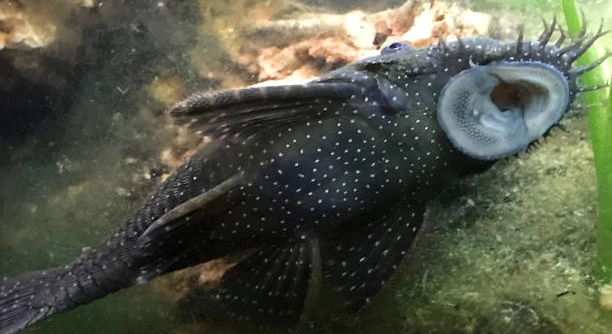
Is your pleco ignoring the treat it usually loves, leaving you puzzled during feeding time? This sudden change can be surprising, especially when you have always enjoyed watching it happily nibble its favorite snacks.
A pleco may refuse its favorite snack due to changes in water quality, stress, illness, or dietary imbalances. Monitoring its environment and health is essential, as these factors significantly influence feeding behavior and overall well-being.
Understanding these reasons will help you provide better care and restore your pleco’s appetite and comfort in its aquarium.
Common Reasons Plecos Stop Eating
Plecos may stop eating due to water conditions, stress, illness, or changes in diet. Water that is too warm, too cold, or has high ammonia levels can make your fish lose interest in food. Even subtle changes in pH or hardness may affect their appetite. Stress can also come from overcrowding, sudden tank rearrangements, or aggressive tank mates. If a pleco is unwell, signs may include lethargy, clamped fins, or unusual swimming patterns. Diet changes or overfeeding can further discourage eating. Many plecos refuse food when their environment or routine is disrupted. Observing behavior daily helps identify problems early. Adjusting water parameters, checking for illness, and offering a variety of vegetables can encourage feeding. Ensuring consistency in tank care supports their health and appetite. Small adjustments often lead to noticeable improvements, restoring your pleco’s willingness to eat.
Monitoring water quality, tank environment, and diet regularly is key to preventing feeding issues in plecos.
Keeping a pleco healthy involves consistent observation and gradual changes. Introduce vegetables like zucchini, cucumber, or spinach slowly. Avoid overfeeding, and remove uneaten food promptly. Cleaning the tank and maintaining proper filtration reduces stress. Watching for illness signs allows early intervention. Adjusting water parameters carefully can restore appetite. Regular checks create a predictable routine, which plecos respond to positively. Ensuring they have hiding spots reduces anxiety. Understanding each pleco’s behavior and preferences helps maintain a stable environment. Over time, healthy habits and careful observation rebuild interest in food. Combining a balanced diet with stable conditions supports growth and long-term health, ensuring your pleco remains active and eager during feeding times.
Stress and Environmental Factors
Stress from tank conditions can cause a pleco to refuse food. Sudden changes or aggressive tank mates can be overwhelming.
Water quality, temperature, and placement of decorations directly impact pleco behavior. High ammonia, nitrite spikes, or improper pH levels create discomfort. Even routine changes like adding new plants or rearranging the tank can make a pleco hesitant to eat. Overcrowded tanks increase stress, reducing appetite and activity. Light exposure and current strength also affect feeding habits. Plecos thrive with stable surroundings and minimal disturbances. Providing hiding places helps reduce anxiety. Monitoring these factors closely ensures a comfortable environment. Small, consistent adjustments can encourage your pleco to resume normal feeding. Balancing tank conditions with proper diet creates the right environment for healthy eating habits. Observing behavior and responding promptly to stress signals maintains a harmonious aquarium.
Reducing stress and stabilizing the environment helps plecos feel safe and resume regular feeding behavior.
Illness and Health Concerns
A sick pleco may refuse food even if it usually enjoys it. Illness can stem from infections, parasites, or injuries. Watching for unusual behavior or physical changes helps identify problems early. Prompt care can prevent worsening health and restore appetite effectively.
Common illnesses affecting plecos include bacterial infections, parasitic infestations, and fungal growths. Symptoms often include lethargy, clamped fins, unusual spots, or rapid breathing. Injuries from sharp decorations or aggressive tank mates can also make a pleco avoid eating. Early detection is essential. Isolating the affected fish and consulting with an aquatic veterinarian or experienced aquarist ensures proper treatment. Medications, water changes, and careful monitoring may be necessary. Maintaining tank hygiene and a balanced diet supports recovery. Observation combined with timely intervention increases the likelihood of restoring normal feeding habits.
Nutritional deficiencies can also reduce appetite. Offering a variety of vegetables, algae wafers, and protein sources ensures plecos receive essential vitamins and minerals. Overfeeding certain foods or failing to rotate diet options may make a pleco uninterested in its favorite snack. Monitoring intake and adjusting portion sizes prevents digestive issues. Keeping a consistent feeding schedule supports healthy routines. Combining proper nutrition with clean water and minimal stress promotes better health and restores normal feeding behavior. Regularly changing and rotating foods can reignite interest in meals and prevent selective feeding habits from forming.
Diet and Feeding Practices
Feeding habits can shift if a pleco is offered the same food repeatedly or in excessive amounts. Variety and moderation are key to maintaining appetite.
Offering a balanced diet prevents boredom and nutritional gaps. Plecos benefit from vegetables like zucchini, cucumber, spinach, and occasional protein sources like shrimp pellets. Removing uneaten food quickly prevents decay and water quality issues, which can further discourage eating. Feeding at consistent times each day helps plecos anticipate meals and encourages regular consumption. Small adjustments in portion size may be necessary to prevent overfeeding or underfeeding. Observing how the pleco reacts to different foods helps refine the feeding routine. Rotating vegetables and supplements ensures they receive diverse nutrients, which supports health and appetite.
Overfeeding can cause digestive problems and reduce interest in food. Uneaten portions can pollute water, stressing the pleco and making it less likely to eat. Moderation is essential, as is removing leftovers promptly. Timing feedings to match natural habits encourages consumption. Gradually introducing new foods ensures acceptance without overwhelming the fish. Observing preference patterns allows adjustments for optimal nutrition. Maintaining clean water and proper diet prevents health issues and promotes consistent feeding behavior. A well-planned diet directly impacts the pleco’s willingness to eat and overall vitality.
Seasonal and Temperature Changes
Plecos can be sensitive to temperature fluctuations. Sudden drops or rises in water temperature may reduce appetite and make them less active. Maintaining a stable range helps them feel comfortable and encourages regular feeding.
Seasonal changes can alter water chemistry and light cycles. These shifts may impact a pleco’s metabolism, causing temporary disinterest in food. Adjusting tank heaters or providing gentle acclimation helps minimize stress.
Tank Size and Space
Crowded tanks or limited hiding spots can make plecos feel unsafe. Stress from insufficient space often leads to skipped meals. Ensuring enough room and providing shelters supports healthy feeding behavior and overall well-being.
Water Quality Maintenance
Keeping ammonia, nitrite, and nitrate levels in check is crucial. Regular water testing and partial water changes maintain a clean environment. Clean water reduces stress and allows plecos to eat normally.
FAQ
Why has my pleco suddenly stopped eating?
A sudden loss of appetite is often linked to stress, illness, or changes in the environment. Water quality shifts, overcrowding, or aggressive tank mates can make your pleco uneasy. Illnesses, including bacterial or parasitic infections, also affect feeding. Monitoring behavior and water parameters helps identify the reason quickly.
Can water temperature affect my pleco’s appetite?
Yes. Plecos are sensitive to temperature changes. Water that is too cold slows their metabolism, while overly warm water can cause stress. Keeping the temperature stable within the species’ preferred range supports consistent eating habits. Using a reliable heater and thermometer ensures proper conditions.
Could my pleco be picky about food?
Plecos sometimes refuse certain foods if their diet lacks variety. Offering only one vegetable or food type repeatedly may reduce interest. Rotate vegetables like zucchini, cucumber, and spinach, and include occasional protein options such as shrimp pellets to maintain their appetite.
How does tank size influence feeding behavior?
Crowded or small tanks can make plecos feel stressed and unsafe. Insufficient hiding spots or aggressive tank mates may discourage feeding. Providing enough space and adding shelters like caves or driftwood creates security, which encourages regular consumption of food.
Are there signs that indicate illness affecting appetite?
Yes. Lethargy, clamped fins, unusual spots, rapid gill movement, or changes in swimming patterns can indicate illness. Injuries from sharp objects or aggressive tank mates also reduce feeding. Observing your pleco closely allows early intervention and treatment, improving recovery chances.
Does overfeeding impact my pleco’s interest in food?
Overfeeding can lead to digestive problems and leftover food pollutes water, causing stress. Feeding moderate portions at consistent times, while removing uneaten food, helps maintain water quality and encourages regular eating habits.
Can seasonal changes affect my pleco’s appetite?
Yes. Seasonal shifts can alter water chemistry, light cycles, and temperature, which may slow metabolism or reduce appetite temporarily. Gradually adjusting conditions and maintaining stable water parameters helps minimize stress and restores interest in food.
How do I know if my pleco is stressed?
Signs of stress include hiding more than usual, erratic swimming, or refusing food. Environmental factors like overcrowding, aggressive tank mates, or sudden tank changes often trigger stress. Adding hiding spots and keeping a stable routine supports a calmer environment and encourages feeding.
Should I change my pleco’s diet if it refuses its favorite snack?
Introducing a variety of foods can help. Offering different vegetables, algae wafers, or occasional protein sources may reignite interest. Ensure portion sizes are appropriate and remove uneaten food to prevent water quality issues. Rotating foods ensures balanced nutrition.
When should I consult a veterinarian?
If your pleco refuses food for more than a few days, shows signs of illness, or exhibits abnormal behavior, it’s time to consult an aquatic veterinarian. Prompt professional advice helps prevent worsening health and restores normal feeding behavior.
Can hiding spots influence eating habits?
Yes. Plecos need shelters to feel safe. Without hiding places, they may avoid food due to stress. Providing caves, driftwood, or dense plant coverage reduces anxiety and encourages them to feed regularly in a secure environment.
How often should I check water quality for my pleco?
Regular checks are important. Testing ammonia, nitrite, nitrate, pH, and hardness weekly ensures water remains safe. Clean water prevents stress and health issues that reduce appetite. Partial water changes and proper filtration maintain a stable environment.
What is the best way to reintroduce a pleco to food after refusing it?
Start by offering small portions of preferred vegetables and gradually rotate foods. Keep feeding areas consistent, ensure water quality is optimal, and reduce stressors in the tank. Observing response and adjusting diet helps restore regular feeding patterns.
Can tank decorations affect my pleco’s willingness to eat?
Yes. Sharp or overcrowded decorations can injure or stress plecos, making them reluctant to eat. Smooth surfaces and ample hiding spots reduce stress and encourage normal feeding behavior. Rearranging the tank gradually allows them to adapt without fear.
Is appetite loss permanent in plecos?
Usually, it is temporary. Appetite loss often stems from environmental stress, illness, or dietary imbalance. Addressing these factors promptly and maintaining a consistent routine allows most plecos to resume normal feeding habits. Monitoring and adjusting care ensures long-term health.
How long is it safe to let a pleco skip meals?
Skipping a day or two is generally safe, especially if the pleco is healthy. Prolonged refusal of food for more than several days may indicate a problem. Observing health and environmental factors helps determine the cause and appropriate action.
Does lighting affect feeding habits?
Yes. Plecos are nocturnal and may eat less under bright lights. Providing dim lighting or feeding during low-light periods encourages natural feeding behavior and reduces stress, making them more likely to accept food.
Are certain foods more likely to stimulate appetite?
Fresh vegetables like zucchini, cucumber, and leafy greens usually attract plecos. Algae wafers and occasional protein supplements provide variety and nutrition. Rotating these foods maintains interest and prevents selective feeding habits from forming.
Can water flow impact feeding?
Strong currents may stress plecos, making them reluctant to eat. Moderate flow that mimics natural conditions encourages activity while allowing them to access food comfortably. Observing behavior under different flow rates helps optimize feeding conditions.
How do I encourage a pleco to eat if it has been refusing food?
Ensure optimal water quality, reduce stressors, and offer a variety of foods in small portions. Provide hiding spots and feed during low-light conditions. Gradual adjustments, consistent routine, and monitoring behavior encourage the pleco to resume regular feeding habits.
Maintaining a healthy pleco requires consistent attention to its environment, diet, and behavior. Plecos are sensitive fish, and even small changes in water quality, tank setup, or feeding routines can affect their appetite. Observing your pleco regularly allows you to notice subtle shifts in behavior or health that may indicate stress or illness. Keeping the water clean and stable, with proper filtration and regular partial water changes, is essential for their well-being. Temperature, pH, and other water parameters should remain within the species’ preferred ranges to prevent discomfort or reduced appetite. A well-maintained tank not only supports feeding habits but also contributes to overall health and longevity.
Feeding practices play a major role in keeping a pleco interested in its food. Offering a variety of vegetables, algae wafers, and occasional protein supplements ensures the pleco receives balanced nutrition while preventing boredom. Overfeeding can lead to digestive problems and leftover food that negatively impacts water quality. Establishing a consistent feeding schedule, removing uneaten food promptly, and gradually introducing new foods help maintain interest and encourage regular consumption. Hiding spots and secure areas in the tank reduce stress and allow the pleco to feel safe while feeding. A combination of proper diet, tank environment, and careful observation creates the conditions necessary for a healthy appetite.
Understanding the signs of stress or illness is equally important. Lethargy, clamped fins, unusual spots, or changes in swimming behavior may signal health issues that require intervention. Promptly identifying and addressing problems helps prevent further complications and restores normal feeding behavior. Seasonal changes, tank rearrangements, and interactions with tank mates can also impact appetite, so maintaining a stable routine is key. By monitoring your pleco’s behavior, adjusting feeding practices, and keeping water conditions optimal, you support both its health and comfort. These steps help ensure your pleco remains active, interested in food, and enjoys a stable, healthy life in the aquarium.

Hello,
If you enjoy the content that we create, please consider saying a "Thank You!" by leaving a tip.
Every little bit helps us continue crafting quality advice that supports the health, happiness, and well-being of pets around the world, for pets of all shapes, sizes, and species.
We really appreciate the kindness and support that you show us!