
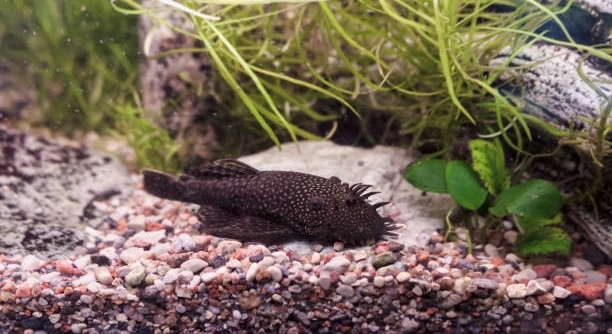
Do you ever notice your pleco disappearing whenever the tank lights are on? These gentle fish often prefer shaded areas, and their quiet, nocturnal habits mean they seek shelter during bright periods in the aquarium.
Plecos hide from tank lights primarily because they are nocturnal and sensitive to intense illumination. Excessive light can cause stress, disrupt natural behaviors, and prompt them to seek shelter in shaded areas to maintain comfort and safety.
Understanding your pleco’s light sensitivity is important for creating a comfortable environment. Adjusting lighting and providing hiding spots can significantly improve its well-being.
Understanding Pleco Behavior
Plecos are naturally nocturnal, which means they are most active at night and prefer low-light conditions during the day. In an aquarium, bright lights can feel overwhelming to them, causing stress and prompting them to retreat. Their instinct is to find dark, secure spaces, such as caves, driftwood, or dense plants. Hiding is not a sign of illness but rather a normal coping mechanism. Observing this behavior helps you understand that your pleco is adjusting to its environment. Providing multiple hiding spots ensures it feels safe, and varying light exposure gradually can help your pleco become more comfortable. Overly bright lights or sudden illumination can trigger anxiety, so careful attention to lighting schedules is essential. By respecting their natural habits, you create a more stable and enriching habitat. Plecos rely on their senses of touch and smell more than sight, making hidden areas critical for their daily routine and stress management.
Adjusting lighting slowly can reduce stress and encourage more natural activity patterns for your pleco.
Creating an environment that mimics their natural habitat ensures your pleco thrives. Using dim lights, shaded areas, and multiple hiding spots allows them to explore and feed comfortably without feeling exposed. Observing their patterns over time helps you recognize when they are active and when they need privacy. Some plecos will venture out briefly during daylight if the lighting is gentle, while others may remain hidden most of the day. Adding driftwood, plants, or caves gives them choice and reduces stress. Even simple adjustments, like covering part of the tank with a dark background or providing floating plants, can make a noticeable difference. Understanding these preferences also helps with feeding schedules, as plecos are more likely to eat when they feel secure. Over time, a well-adjusted pleco will display more natural behaviors and interact with the tank environment in a balanced way, improving both its health and your enjoyment of the aquarium.
Optimizing Tank Lighting
Proper lighting is essential for both your pleco and the overall tank ecosystem.
Tank lights should be on a timer to simulate natural day-night cycles. Sudden, intense illumination can startle plecos and other fish, disrupting their feeding and resting patterns. Gradually introducing light intensity, using dimmers or shaded areas, allows your pleco to adjust comfortably. Low-light periods encourage natural nocturnal activity, helping them feel secure and reducing stress. By observing your pleco’s reactions to different lighting setups, you can create a schedule that balances visibility for you with comfort for your fish.
Choosing the right lighting involves balancing visibility and the pleco’s comfort. LED lights with adjustable intensity are ideal, as they allow control over brightness without generating excess heat. Avoid leaving lights on for extended periods, as prolonged exposure can disrupt nocturnal habits and stress the fish. Incorporating floating plants or driftwood can naturally diffuse light, creating shaded zones that plecos can use at will. Consider the tank’s placement to avoid direct sunlight, which can intensify light exposure and raise water temperature. Monitoring your pleco’s behavior is crucial; if it remains hidden excessively, lighting adjustments may be necessary. Over time, a consistent schedule with gentle transitions will support feeding, growth, and general health, while allowing plecos to express natural behaviors. By prioritizing both fish comfort and tank aesthetics, you can maintain a thriving, balanced aquatic environment.
Creating Hiding Spots
Providing multiple hiding spots helps plecos feel secure and reduces stress in the tank. Caves, driftwood, and dense plants allow them to retreat from bright light and mimic natural habitats, promoting healthier, more natural behavior.
Driftwood is especially beneficial because it offers both shelter and a surface for algae growth, which plecos enjoy feeding on. PVC pipes or ceramic caves also work well, giving your pleco safe spaces during daylight hours. Arranging these hiding spots at different levels of the tank encourages exploration while giving them control over where they feel safe. Covering part of the tank with floating plants adds shaded areas and helps diffuse strong lighting. This setup not only protects your pleco from stress but also improves their overall activity patterns, feeding, and interaction with the tank environment. A carefully designed tank ensures your pleco can thrive while remaining visible when comfortable.
It’s important to regularly check that hiding spots are clean and free of sharp edges. Dirty or overcrowded shelters can lead to water quality issues or injuries. Rotating decorations occasionally can keep the environment stimulating, preventing boredom. While plecos are generally low-maintenance, their preference for privacy must be respected to maintain health. By combining multiple materials, shapes, and locations, you create a dynamic environment where the pleco can feel secure yet remain part of the aquarium ecosystem. Observing its choices helps fine-tune the arrangement, ensuring it meets the fish’s comfort and natural instincts.
Adjusting Feeding Schedules
Feeding during low-light periods encourages plecos to eat more confidently and reduces stress. Nighttime or dim-light feeding aligns with their natural nocturnal activity patterns.
Offering food when plecos feel secure improves nutrition intake. Sinking wafers, vegetables like zucchini or cucumber, and occasional protein supplements meet dietary needs. Avoid overfeeding, as uneaten food can decay and harm water quality. Feeding at consistent times helps them establish predictable routines. Observation during these periods allows you to see which areas of the tank they prefer for eating, helping optimize hiding spots and lighting. Providing food near shelters can encourage them to come out gradually while feeling safe, improving both behavior and health.
Some plecos may remain shy initially, only emerging when they feel confident the tank is quiet. Gradually shifting feeding to slightly brighter periods can help them adjust, but abrupt changes may trigger stress. Using a variety of foods keeps their diet balanced and stimulates natural foraging behavior. Vegetables should be blanched for easy consumption, and protein-rich wafers support growth. Consistent monitoring of eating patterns allows you to gauge comfort levels and overall health. Adjusting feeding locations and timing ensures plecos remain active, confident, and well-nourished, while preventing water issues caused by leftover food. These small adjustments create a positive routine that aligns with their natural instincts and enhances the overall aquarium environment.
Monitoring Water Quality
Maintaining clean water is crucial for plecos. Poor water quality can increase stress, causing them to hide more frequently. Regular testing for ammonia, nitrites, and nitrates helps ensure a safe environment.
Partial water changes every one to two weeks keep toxins low. Using a reliable filter and avoiding overcrowding supports stable water parameters, which helps plecos feel secure and reduces hiding behavior. Clean substrate and careful removal of uneaten food also prevent harmful buildup. Consistent monitoring allows you to spot changes early, keeping the aquarium balanced and your pleco healthy.
Choosing the Right Tank Size
A larger tank provides more space for hiding and exploring. Plecos need room to swim and multiple areas to feel secure, which reduces stress.
Smaller tanks limit natural behaviors and increase stress, leading to excessive hiding. A minimum of 30 gallons is recommended for most pleco species. Providing height, depth, and multiple structures allows plecos to select their preferred shelter. Sufficient space supports natural activity, feeding, and social interaction with other tank inhabitants.
Reducing Stress Factors
Sudden movements, loud noises, or tapping on the glass can stress plecos. Minimizing disturbances helps them feel safe and more likely to explore the tank.
Why does my pleco hide all the time?
Plecos are naturally nocturnal and prefer dim or shaded areas. Constant hiding is often a response to bright light, sudden movement, or stress from water conditions. Providing multiple hiding spots and ensuring stable water parameters can encourage your pleco to feel safe and explore more frequently.
Is it normal for plecos to stay hidden during the day?
Yes, it is normal. Most plecos are most active at night, so daytime hiding is part of their natural behavior. They seek dark areas, like caves or dense plants, to rest and avoid stress, which helps maintain their overall health.
Can tank lighting harm my pleco?
Intense or prolonged lighting can stress plecos and affect their natural activity. Using dimmable lights, floating plants, or shaded areas allows your pleco to control exposure. Gradually adjusting light intensity can help them adapt without triggering stress responses.
How can I make my pleco feel more secure?
Providing multiple hiding spots, such as driftwood, caves, and plants, helps plecos feel safe. Offering food near these shelters and maintaining a calm environment also improves their sense of security. Observing their behavior helps identify which areas they prefer.
Do plecos need special feeding times?
Yes, feeding during low-light periods aligns with their nocturnal habits. Sinking wafers, vegetables, and occasional protein supplements are ideal. Feeding consistently at these times encourages natural foraging behavior and ensures your pleco receives adequate nutrition without feeling threatened.
Will my pleco come out if the lights are bright?
Some plecos will adjust, but sudden bright lights usually cause stress and hiding. Using dim lighting, shaded zones, or slowly increasing brightness allows them to gradually become more comfortable and venture out more confidently.
Can stress affect pleco health?
Chronic stress can weaken the immune system, reduce appetite, and lead to illness. Stressors include bright light, poor water quality, overcrowding, and frequent disturbances. Monitoring behavior, maintaining clean water, and providing hiding spaces can reduce stress and support long-term health.
Do plecos prefer certain types of hiding spots?
Yes, plecos often prefer caves, driftwood, PVC pipes, or dense plant areas. Driftwood also provides surfaces for algae growth, which they feed on. Offering variety in size, shape, and location allows them to choose areas that meet their comfort needs.
How often should I check water quality for my pleco?
Testing water at least once a week for ammonia, nitrites, nitrates, and pH helps maintain a stable environment. Partial water changes, filter maintenance, and cleaning uneaten food prevent harmful buildup that can stress plecos and cause excessive hiding.
Can plecos adjust to household activity?
Yes, gradually. Plecos are sensitive to sudden movement and vibrations. Minimizing tank disturbances, avoiding loud noises, and allowing them to explore in calm conditions helps them become more comfortable with daily activity while maintaining natural behavior.
What tank size is ideal for a pleco?
A minimum of 30 gallons is recommended for most pleco species. Larger tanks provide room to swim and explore, multiple hiding areas, and reduce stress from crowding, supporting natural behaviors, feeding, and overall health.
How can I encourage my pleco to explore more?
Gradually dimming lights, offering food in open areas, and providing multiple shelter options encourages exploration. Avoid sudden changes in lighting or environment, and observe their behavior to ensure they feel safe while becoming more active.
Are plecos social or solitary?
Plecos are generally solitary, especially during the day. They may tolerate other fish but prefer having their own hiding spots. Providing enough space and shelter ensures they do not compete for territory, reducing stress and promoting natural behavior.
Can plecos get used to brighter lights over time?
Some can adapt gradually if the light intensity is increased slowly and shaded areas remain available. Sudden bright light is stressful, so a slow adjustment allows them to become comfortable without hiding excessively.
How do I know if my pleco is stressed?
Signs of stress include constant hiding, loss of appetite, erratic swimming, clamped fins, or color changes. Addressing water quality, lighting, tank size, and providing adequate hiding spots can alleviate stress and restore normal behavior.
What is the best way to set up a pleco tank for comfort?
Include multiple hiding spots, dimmable lighting, shaded areas, clean substrate, and regular water testing. Offer food near shelters during low-light periods and minimize sudden disturbances. A balanced setup ensures plecos feel secure while maintaining health and natural activity.
Can plecos thrive without hiding spots?
They can survive but may experience stress, reduced feeding, and lower activity. Hiding spots mimic natural environments, reduce stress, and allow plecos to express normal behaviors, which supports long-term health and comfort in the tank.
Are there any signs that indicate my pleco prefers a specific hiding spot?
Yes, frequent use of a particular cave, driftwood, or plant cluster indicates preference. Observing where they spend the most time helps optimize tank layout and lighting, improving comfort and security while encouraging natural behaviors.
How often should I clean pleco hiding areas?
Hiding areas should be cleaned during routine maintenance to prevent algae overgrowth, debris buildup, or bacteria. Remove uneaten food and gently scrub surfaces without harsh chemicals. This keeps plecos safe, encourages exploration, and maintains water quality.
Is it okay for plecos to stay hidden all day?
Yes, it is normal due to their nocturnal habits. As long as they eat regularly and remain healthy, daytime hiding is expected. Providing nighttime feeding and a secure environment ensures they remain active and well-nourished.
Do plecos interact with other fish while hiding?
Interactions are limited while hiding. Plecos are generally solitary and will retreat to shelters to avoid stress. Ensuring enough space and separate hiding areas prevents conflicts and allows peaceful coexistence with other tank inhabitants.
This FAQ covers the main concerns regarding pleco hiding behavior, stress factors, tank setup, feeding routines, and interaction with the environment. Proper observation, tank management, and respect for natural habits ensure plecos remain healthy, comfortable, and active.
Plecos are unique fish with specific habits that often surprise aquarists. Their tendency to hide from bright tank lights is a normal behavior rooted in their nocturnal nature and sensitivity to their environment. Observing a pleco retreating to a cave or behind driftwood does not indicate illness but reflects a natural instinct to seek shelter when feeling exposed. By understanding this behavior, you can adjust your tank setup and daily routine to make your pleco feel more comfortable. Simple steps, such as providing multiple hiding spots and creating shaded areas, can have a significant impact on reducing stress and encouraging natural activity. Over time, these adjustments allow your pleco to explore more confidently while still having secure spaces to retreat when needed, promoting overall well-being.
Proper lighting, feeding schedules, and water maintenance are all key to ensuring a pleco thrives. Bright or sudden lighting can create stress, so using dimmable lights or floating plants to diffuse intensity is helpful. Feeding during low-light periods aligns with their nocturnal habits, allowing plecos to eat safely and comfortably. Offering a variety of foods, including vegetables and protein supplements, supports proper nutrition while keeping them engaged. At the same time, regular water testing, partial water changes, and filter maintenance maintain water quality, which directly affects pleco behavior and health. A tank that balances environmental comfort, nutrition, and cleanliness allows plecos to express natural behaviors, remain active at the right times, and reduce excessive hiding caused by stress.
Ultimately, creating a suitable environment for your pleco requires attention to both physical setup and daily care. Large tanks with multiple hiding spots, calm surroundings, and consistent routines allow plecos to feel safe and reduce anxiety. Observing your pleco’s behavior is essential to understanding its preferences and adjusting the tank accordingly. Even small changes, like repositioning a cave or providing an additional shaded area, can encourage more activity and improve overall quality of life. By respecting their natural habits and providing a stable, enriched habitat, plecos can remain healthy, active, and comfortable. Maintaining this balance ensures that your aquarium remains a safe and engaging home for your pleco, supporting its long-term health and happiness.

Hello,
If you enjoy the content that we create, please consider saying a "Thank You!" by leaving a tip.
Every little bit helps us continue crafting quality advice that supports the health, happiness, and well-being of pets around the world, for pets of all shapes, sizes, and species.
We really appreciate the kindness and support that you show us!