
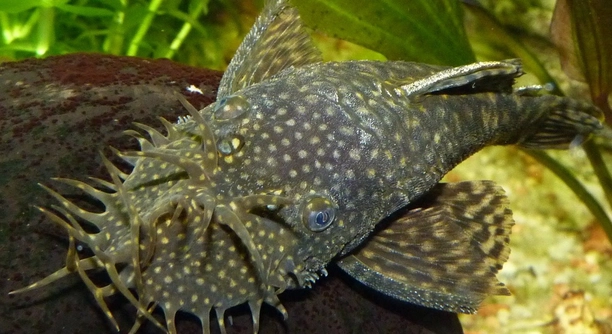
Keeping bristlenose plecos healthy often starts with offering a variety of foods. These fish are not picky eaters, but adding new textures and flavors can support their growth and make their meals more enjoyable.
Bristlenose plecos can consume a range of creative foods beyond standard algae wafers, including blanched vegetables, zucchini, cucumber, spinach, peas, and occasional protein sources. Providing this variety ensures proper nutrition and promotes natural feeding behaviors in their aquarium environment.
Introducing these foods gradually encourages plecos to explore new tastes, enriching their diet and keeping them active and engaged in their tank.
Blanched Vegetables
Bristlenose plecos really enjoy blanched vegetables. I often prepare zucchini, spinach, or peas by briefly boiling them until soft, then cooling them down before adding them to the tank. This method keeps the nutrients intact while making it easier for the plecos to chew. Over time, I’ve noticed they prefer zucchini slices the most. Spinach and peas are also favorites, though I usually cut them into smaller pieces. Blanching vegetables not only softens the texture but also removes any potential bacteria that could harm the fish. It is important to remove uneaten pieces after a few hours to prevent water contamination. I also make sure to rotate different vegetables to prevent boredom and ensure they get a balanced mix of vitamins and minerals. Watching them explore and nibble on these soft foods has been satisfying, as it promotes natural foraging behaviors and keeps their digestive system healthy and active.
Blanched vegetables are an easy, safe way to provide fiber and nutrients. Plecos often eat them eagerly.
Introducing a variety of soft vegetables gradually helps plecos adapt without stress. Observing which ones they prefer allows you to adjust portion sizes and maintain a clean tank. Over time, rotating zucchini, spinach, and peas keeps their diet balanced. These vegetables also encourage natural scraping behavior, similar to how they graze on algae in the wild. Preparing the vegetables properly ensures they stay fresh longer and reduces the risk of water fouling. I usually use a small mesh clip or place the vegetables in a feeding dish to prevent them from drifting around the tank. This method also lets me monitor consumption. By paying attention to their preferences and feeding habits, I can ensure they remain healthy while keeping the aquarium stable. Providing these vegetables alongside algae wafers creates a well-rounded diet that supports growth, color, and activity, which is essential for bristlenose plecos to thrive.
Occasional Protein Treats
Protein treats like bloodworms or shrimp flakes add extra nutrition. They are not required daily but are appreciated by plecos.
Adding small amounts of protein occasionally helps maintain growth and vitality. Plecos use protein to support strong fins, vibrant coloration, and overall health. Introducing treats once or twice a week complements their plant-based diet without causing digestive issues. I usually soak frozen bloodworms to soften them before feeding to avoid sudden water quality changes. Shrimp flakes are convenient, and I sprinkle a few on the substrate to encourage natural foraging. Overfeeding protein can lead to water pollution, so moderation is key. Watching plecos eagerly explore these treats reminds me how important variety is for their wellbeing. This practice also allows me to observe their behavior closely, ensuring all fish get access and none are left out. Combined with regular vegetable servings and algae wafers, occasional protein treats round out a balanced, nourishing diet that plecos enjoy naturally.
Algae Wafers
Algae wafers are a staple for bristlenose plecos. They provide essential nutrients and mimic the natural grazing behavior these fish exhibit in the wild. I always make sure the wafers sink slowly so plecos have time to eat them.
Algae wafers are designed to supply a balanced mix of vitamins and minerals that support pleco health. I often place them near decorations or in corners of the tank, allowing plecos to graze at their own pace. Over time, I noticed my plecos prefer wafers that have softened slightly in water, as they are easier to nibble. These wafers also reduce the need for constant fresh vegetables, though I never skip rotating other foods for variety. Consistency with algae wafers helps maintain digestive health and prevents sudden nutrient gaps, especially when other foods are not immediately available.
Using wafers also helps maintain cleaner tanks since they are easier to monitor and remove if uneaten. I usually feed once a day, observing how much each pleco consumes. This practice prevents overfeeding, which can cloud the water and affect filtration. Mixing wafers with occasional fresh vegetables and protein treats creates a balanced feeding routine. I also rotate different wafer brands to check which textures and ingredients my plecos prefer, ensuring they stay interested and active. Proper placement of the wafers allows shy fish to eat without competition, promoting harmony in the tank and steady growth for all plecos.
Cucumber Slices
Cucumber slices are a soft, hydrating option that plecos often enjoy. I remove the peel for easier consumption and cut the slices small enough for them to nibble comfortably.
I usually blanch cucumber slices briefly to soften them and make them more appealing to plecos. Over time, I found that placing the slices near hiding spots encourages shy plecos to explore and eat without feeling exposed. Cucumbers provide fiber and hydration, which aids digestion and keeps plecos active. I rotate cucumber with zucchini or spinach to maintain variety, ensuring their diet doesn’t become monotonous. By trimming slices to a manageable size, I prevent leftover pieces from decaying and polluting the tank.
Cucumber feeding also creates interactive feeding sessions. Plecos naturally scrape and nibble on the slices, mimicking their behavior in natural habitats. I often leave a slice for a few hours, monitoring consumption closely. If any piece remains uneaten, I remove it promptly to avoid water quality issues. This simple addition supports both nutrition and mental stimulation. Feeding cucumbers alongside other vegetables and occasional protein treats keeps plecos active, engaged, and thriving, while helping me track their health and eating patterns more efficiently.
Spinach Leaves
Spinach leaves are soft and packed with nutrients plecos need. I usually blanch them briefly, then cut them into small pieces so my plecos can nibble easily without struggling.
Rotating spinach with other vegetables keeps their diet varied. It also encourages natural grazing, which helps digestion and prevents boredom in the tank.
Peas
Peas are a good source of fiber and help prevent digestive issues. I always remove the outer skin and lightly cook them before feeding. This ensures plecos can eat them without difficulty.
Zucchini
Zucchini is one of the most popular vegetables for plecos. I slice it thinly and blanch it slightly to soften the texture. Placing slices near hiding spots allows shy plecos to eat comfortably. Its high water content helps with hydration, and regular feeding promotes active grazing and healthy digestion.
Shrimp Flakes
Shrimp flakes are a convenient occasional protein treat. I sprinkle small amounts on the substrate so plecos can forage naturally, providing extra nutrients without overfeeding or compromising water quality.
How often should I feed my bristlenose pleco?
I feed my plecos once a day, usually in the evening when they are most active. Some hobbyists split the feeding into two smaller portions, but I’ve found once a day is enough to keep them healthy and prevent overfeeding. Overfeeding can lead to water pollution and digestive issues. It’s important to observe how much they eat and adjust the portions accordingly. Leftover food should be removed after a few hours to maintain water quality. Providing a mix of algae wafers, vegetables, and occasional protein ensures they get a balanced diet without overloading their system.
Can bristlenose plecos eat lettuce or other leafy greens?
Yes, leafy greens like romaine lettuce, kale, and spinach are safe for plecos. I usually blanch the leaves to soften them and make it easier for plecos to nibble. Leafy greens provide fiber, which helps with digestion and keeps the fish active. I rotate greens with other vegetables like zucchini and peas to prevent boredom and maintain a balanced diet. It’s important to remove uneaten leaves after a few hours to prevent water contamination. Small portions work best, especially for younger plecos, to ensure they can consume everything before it decays.
Are protein treats necessary for plecos?
Protein treats like bloodworms, shrimp flakes, or daphnia are not required every day but can be a healthy addition once or twice a week. I use them sparingly to supplement their mainly plant-based diet. Protein supports growth, strong fins, and vibrant coloration. Overfeeding protein can cause digestive problems and water issues, so moderation is key. Frozen bloodworms should be thawed or softened before feeding to avoid shocking the fish. Observing plecos while they eat protein treats helps me ensure all fish get access. When combined with algae wafers and vegetables, occasional protein rounds out a balanced feeding routine.
How do I know if my pleco is eating enough?
I watch my plecos during feeding and note how quickly they consume the food. Healthy plecos are active and eagerly nibble on algae wafers or vegetables. If a fish avoids food or seems lethargic, it may indicate stress, illness, or insufficient nutrition. Measuring portions carefully helps prevent overeating, which can cause obesity or digestive issues. I also check the substrate after feeding for leftover food. Tracking weight or body condition over time can help determine if adjustments are needed. Keeping a consistent feeding schedule and providing a variety of foods ensures plecos maintain proper health.
Can bristlenose plecos survive on algae alone?
Algae alone is not enough for long-term health. While plecos will graze on algae in the tank, it doesn’t provide all necessary vitamins and minerals. I always supplement with vegetables like zucchini, spinach, and peas, along with occasional protein treats. Relying solely on algae can lead to nutrient deficiencies, slow growth, and weakened immune systems. Algae wafers can help fill gaps, but a varied diet is essential. Observing feeding habits ensures each pleco receives adequate nutrition and avoids competition for limited algae sources. A balanced approach keeps plecos active, healthy, and thriving.
What vegetables are best for plecos?
Zucchini, cucumber, spinach, and peas are my go-to vegetables. I blanch or lightly cook them for easier consumption, especially for smaller or younger plecos. Rotating vegetables helps maintain interest and ensures a variety of nutrients. Cutting vegetables into manageable sizes prevents leftover decay in the tank. I usually place them near hiding spots to encourage shy plecos to eat. These vegetables provide fiber, hydration, and essential vitamins. Feeding a mix of vegetables along with algae wafers and occasional protein treats ensures a complete diet and promotes natural foraging behaviors.
How do I prevent overfeeding and water pollution?
I feed small portions and remove uneaten food after a few hours. Observing how much plecos eat helps adjust portion sizes. Overfeeding can cloud water and increase ammonia levels, harming fish and plants. Using feeding clips or dishes keeps food contained, making it easier to remove leftovers. Rotating vegetables, wafers, and protein treats ensures proper nutrition without waste. I monitor water quality regularly, testing ammonia and nitrate levels. A balanced feeding routine prevents excess food from decaying in the tank while keeping plecos healthy, active, and engaged.
Can plecos eat frozen vegetables or only fresh?
Frozen vegetables work well and are often easier to store and prepare. I thaw and blanch them briefly before feeding to soften the texture. This method preserves nutrients while making them safe and palatable for plecos. Fresh vegetables are fine too, but frozen options offer convenience and consistency. Either option should be rotated to maintain variety. Removing uneaten pieces promptly prevents water quality issues. Using both fresh and frozen vegetables allows me to maintain a stable feeding schedule without compromising nutrition or hygiene in the tank.
How long does it take for plecos to accept new foods?
It can take several days to a few weeks for plecos to try new foods. I introduce vegetables or protein gradually, sometimes placing them near familiar foods to encourage exploration. Observing their behavior helps me determine which foods they accept readily. Patience is important, as forcing new foods can stress the fish. Softening tough vegetables or breaking them into small pieces often speeds up acceptance. Once plecos recognize the new food as edible, they usually return for more. Gradual introduction ensures they benefit from a varied diet without disrupting their normal feeding habits.
Can plecos eat fruits or sweet foods?
Fruits are not recommended for plecos. Sugary foods can upset their digestion and lead to water contamination. I stick to vegetables, algae wafers, and occasional protein treats. This keeps their diet safe, balanced, and aligned with their natural nutritional needs. Any deviation from plant-based or protein-rich foods should be done with caution and limited frequency. Fruits or sugary items are unnecessary for health and may encourage overfeeding or water issues. Focusing on vegetables, algae wafers, and protein treats ensures plecos get the nutrients they need without compromising their digestion or tank environment.
Are there signs my pleco dislikes a certain food?
If a pleco ignores food, pushes it away, or leaves it untouched for hours, it may not like it. I observe these behaviors and try different preparations, like blanching or cutting into smaller pieces. Preference varies among individuals, so rotating foods helps.
Is it safe to leave vegetables in the tank overnight?
I avoid leaving vegetables overnight. Uneaten food can decay, causing ammonia spikes and water quality issues. It’s best to remove leftovers after a few hours. Using clips or feeding dishes helps control placement and cleanup. Regular removal protects pleco health and keeps the tank stable.
How do I balance feeding vegetables, wafers, and protein?
I feed a combination daily: algae wafers as the staple, vegetables several times a week, and protein treats occasionally. This rotation provides balanced nutrition while preventing overfeeding. Observing consumption and adjusting portions ensures all plecos get access and remain healthy. Tracking feeding habits maintains a consistent routine.
What if my pleco refuses all new foods?
Patience and consistency are key. I continue offering familiar favorites alongside small amounts of new foods. Softening tough vegetables or breaking them into tiny pieces can help. Over time, plecos usually explore and try new options without stress.
Can baby plecos eat the same foods as adults?
Juveniles may need softer or finely chopped vegetables and smaller wafers. Protein treats should be minimal. As they grow, I gradually increase portion sizes and introduce standard adult foods, ensuring proper development and digestive health.
How important is variety in a pleco’s diet?
Variety prevents boredom, supports digestive health, and ensures they get all necessary nutrients. Rotating vegetables, protein, and algae wafers keeps them active and encourages natural foraging behaviors. Consistency with variety helps maintain long-term health and vitality.
Can I feed plecos store-bought vegetables directly?
Yes, but washing and blanching is essential. This removes pesticides and bacteria, making vegetables safe for consumption. I always cut them into manageable sizes and monitor consumption to prevent leftovers from decaying in the tank. Proper preparation ensures safe, nutritious meals.
How do I monitor overfeeding signs?
Cloudy water, leftover food, or lethargic fish indicate overfeeding. I adjust portion sizes and remove uneaten items promptly. Observing fish behavior during and after feeding helps prevent excess nutrition from harming water quality or pleco health.
Are there any foods to avoid completely?
Avoid sugary fruits, processed human foods, and anything with preservatives. These can disrupt digestion, cause health issues, and pollute water. Sticking to vegetables, algae wafers, and occasional protein keeps plecos safe and nourished.
How can I encourage shy plecos to eat?
Placing food near hiding spots or using feeding clips helps shy plecos access meals. Softening vegetables or breaking them into small pieces reduces stress and encourages natural grazing behavior. Patience ensures even timid fish get proper nutrition.
Do plecos need supplements or vitamins?
Usually not if their diet is balanced with vegetables, algae wafers, and occasional protein. A varied diet provides essential nutrients, reducing the need for extra supplements. Monitoring health and growth ensures they get what they need naturally.
Can bristlenose plecos eat live plants?
They may nibble lightly but rarely destroy healthy plants. If the plant is tender, plecos might eat some leaves. Providing vegetables and algae wafers reduces interest in live plants and supports balanced nutrition.
How do I introduce multiple new foods at once?
I introduce one new food at a time alongside familiar staples. This helps plecos adapt without stress and prevents water quality issues. Observing preferences allows me to rotate new foods gradually for a balanced diet.
Is feeding the same time every day important?
Yes, plecos respond well to consistent schedules. Feeding at the same time reduces stress, encourages natural foraging patterns, and helps maintain regular tank management practices. Consistency improves overall fish health and activity.
What is the best way to remove uneaten food?
I use a small net, feeding dish, or tweezers to remove uneaten pieces. Prompt removal prevents decay, maintains water quality, and protects pleco health. This is especially important after feeding vegetables or protein treats.
How do I ensure all plecos get enough food?
I spread food across the tank and monitor shy or smaller plecos. Using multiple feeding spots or dishes ensures access and reduces competition. Observing each fish helps maintain a fair feeding routine.
Can plecos overeat if given unlimited food?
Yes, overfeeding can cause digestive issues, obesity, and water quality problems. I always measure portions, rotate foods, and remove leftovers promptly to prevent health or tank issues.
Do bristlenose plecos eat dead fish or meat?
They may nibble if available, but this is not recommended. Excess meat can decay quickly, pollute water, and harm their health. Stick to vegetables, algae wafers, and occasional protein for safety.
How long can plecos go without food?
Plecos can survive a few days without food, but prolonged fasting is unhealthy. Regular feeding ensures proper growth, digestive health, and overall activity in the aquarium. Maintaining a consistent routine prevents stress and nutrient deficiencies.
Can I feed plecos in a community tank without conflict?
Yes, placing food in multiple locations or using feeding dishes helps reduce competition. Observing fish behavior ensures shy plecos eat, while dominant fish do not monopolize resources. Variety and proper portions help maintain peace.
Are frozen bloodworms better than live?
Frozen bloodworms are safer, as they reduce risk of disease. I thaw them slightly before feeding, ensuring texture is soft for plecos. Live worms can be used occasionally, but frozen is more convenient and hygienic.
Do plecos prefer vegetables over wafers?
Preference varies. Some plecos eagerly eat vegetables first, while others stick to wafers. I rotate foods and monitor preferences to ensure all fish get balanced nutrition and maintain interest in meals.
Can plecos eat carrots or squash?
Yes, both are safe if softened by blanching or steaming. Cutting into small pieces ensures plecos can nibble easily. These vegetables add variety and nutrients to their diet without harming digestion.
How do I know when a pleco is full?
They stop actively grazing, move away from food, or slow down nibbling. Observing feeding behavior helps determine portion sizes and prevents overfeeding. Consistent observation ensures plecos remain healthy and active.
Is it safe to feed plecos aquarium-grown plants?
Yes, as long as no chemicals or fertilizers are present. I rinse leaves and monitor for damage. This can supplement their diet but should not replace vegetables or wafers entirely.
How do I make feeding time less stressful?
I place food in quiet areas of the tank, avoid sudden movements, and use familiar feeding spots. Softening vegetables or cutting them small reduces competition and allows shy plecos to eat comfortably.
Can bristlenose plecos eat algae from the tank walls alone?
No, algae alone is not sufficient. While they will graze naturally, supplementation with vegetables, wafers, and protein ensures proper nutrition, growth, and overall health.
How important is water quality during feeding?
Very important. Uneaten food can decay quickly, raising ammonia and nitrate levels. I remove leftovers, monitor water, and maintain filtration to prevent health problems. Clean water ensures plecos can feed safely and thrive.
Should I chop vegetables for small plecos?
Yes, small or juvenile plecos need finely chopped or softened vegetables. This prevents choking, aids digestion, and encourages healthy eating habits from an early age. Proper portion size is essential for growth and wellbeing.
Do plecos benefit from occasional treats?
Yes, protein treats or slightly different vegetables add variety, encourage natural behaviors, and provide supplemental nutrients. Moderation is key to avoid overfeeding and maintain water quality.
How do I store vegetables for plecos?
I refrigerate or freeze them, washing and blanching as needed. Proper storage preserves nutrients and prevents spoilage, making feeding easier and safer. Rotating vegetables keeps meals fresh and varied.
Can plecos eat iceberg lettuce?
I avoid iceberg lettuce, as it has low nutritional value. Dark leafy greens like spinach or romaine are better for fiber and vitamins. Plecos benefit more from nutrient-dense vegetables than watery, low-nutrient options.
What is the best feeding schedule for plecos?
Feeding once a day in the evening works well, with occasional protein treats twice a week. Consistency and rotation of vegetables, wafers, and treats maintain health, digestion, and activity levels.
How do I handle picky plecos?
Introduce new foods gradually, soften tough vegetables, and rotate offerings. Observing preferences and adjusting portions ensures picky plecos still receive proper nutrition without stress.
Can plecos eat cucumber peels?
I usually remove peels to make nibbling easier, though some plecos may eat them. Softened slices encourage consumption and reduce waste in the tank. Cutting into small pieces improves accessibility.
Are there seasonal feeding considerations?
Temperature affects metabolism. In cooler water, plecos may eat less, requiring smaller portions. Warmer water increases activity and appetite. Adjust feeding accordingly to prevent overfeeding or underfeeding.
How do I balance fiber and protein in their diet?
Vegetables provide fiber, wafers supply vitamins, and occasional protein treats complement both. I rotate foods and monitor consumption to maintain digestion, growth, and overall health.
Can bristlenose plecos eat zucchini seeds?
I remove seeds when possible, as they can be harder to digest. Soft, seedless slices are easier for plecos to nibble and prevent potential digestive issues.
Do plecos need soaking or prepping for all vegetables?
Blanching or lightly cooking tough vegetables is recommended. Softer leaves may not need preparation, but cutting into small pieces ensures safe, easy consumption and prevents water quality issues.
Is it safe to mix protein and vegetable feeds?
Yes, mixing occasionally is fine, but moderation is important. I usually feed wafers and vegetables together, adding protein separately to prevent overfeeding or water contamination.
How can I tell if my pleco is getting enough nutrients?
Healthy growth, active behavior, strong fins, and vibrant color indicate sufficient nutrition. Monitoring feeding and adjusting portions ensures they remain balanced, active, and thriving.
Do plecos prefer fresh over frozen foods?
Preference varies. Some plecos eat fresh vegetables or protein eagerly, while others accept frozen options. I rotate both types to ensure variety, convenience, and consistent nutrition.
Can plecos eat commercial fish food meant for other species?
Occasionally, small amounts are fine if nutrient content is compatible. However, specialized pleco foods, vegetables, and algae wafers provide a safer, balanced diet tailored to their needs.
Should I remove uneaten protein treats faster than vegetables?
Yes, protein decays faster and can spike ammonia. Vegetables last longer but should still be removed within hours. Prompt cleanup protects water quality and pleco health.
Can plecos eat boiled or steamed vegetables?
Yes, both methods are safe. I blanch or steam to soften vegetables, making them easier to nibble and digest. Proper preparation reduces waste and maintains water quality.
Do plecos eat driftwood or supplements from it?
They may scrape wood for fiber and gut health. I provide driftwood in the tank, which supports digestion and natural behaviors, complementing their diet.
Are homemade vegetable mixes safe?
Yes, as long as they are cleaned, blanched, and cut into manageable sizes. I avoid seasoning or additives. Homemade mixes offer variety and ensure plecos get balanced nutrients.
How long should I leave vegetables in the tank?
I leave vegetables for a few hours, then remove leftovers. This prevents decay, maintains water quality, and ensures plecos consume fresh, safe food.
Can plecos eat cucumber with seeds?
I prefer removing seeds to make feeding easier. Small, seedless pieces are safer and easier to digest. Some plecos may nibble seeds, but it’s better to avoid potential digestive issues.
Do plecos prefer firm or soft vegetables?
They prefer softer vegetables that are easy to nibble, especially younger fish. Blanching firm vegetables ensures easier consumption, encourages grazing, and prevents leftover waste in the tank.
Can plecos eat algae from aquarium decorations?
Yes, they scrape algae naturally from decorations. This supplements their diet but should not replace vegetables, wafers, or occasional protein treats for balanced nutrition.
How do I rotate foods without stressing plecos?
I gradually introduce new vegetables or treats alongside familiar foods. Observing reactions helps adjust rotation. Gradual changes prevent stress while maintaining a varied, balanced diet.
Is it okay to feed plecos at different times than other fish?
Yes, feeding plecos separately ensures they get their portion without competition. I place food near hiding spots to allow shy fish to eat safely.
Do plecos need fiber supplements?
No, vegetables and algae provide
Bristlenose plecos are interesting fish that benefit from a well-rounded diet. Offering a variety of foods helps maintain their health, supports proper growth, and keeps them active in the tank. While algae is a natural food for plecos, it is not enough to meet all their nutritional needs. Providing vegetables like zucchini, spinach, cucumber, and peas adds fiber, vitamins, and hydration. Algae wafers supply essential nutrients, and occasional protein treats like bloodworms or shrimp flakes give extra support for growth and overall vitality. Rotating these foods prevents boredom and encourages natural grazing behaviors, which are important for both physical and mental well-being.
Monitoring how much your plecos eat is an important part of feeding. Overfeeding can cause digestive problems and pollute the tank, while underfeeding can slow growth and weaken the fish. Observing their behavior during feeding helps determine the right portion sizes and ensures all fish get access to food. Smaller or shy plecos may need vegetables or wafers placed near hiding spots, and juvenile plecos may require softer or finely chopped foods. Removing uneaten food after a few hours helps maintain water quality, which is crucial for plecos and other tank inhabitants. Keeping a consistent feeding schedule also supports healthy routines, making it easier to notice changes in appetite or behavior that could indicate health issues.
Feeding bristlenose plecos is both practical and rewarding. Using a mix of vegetables, algae wafers, and occasional protein treats provides balanced nutrition while encouraging natural behaviors. Preparing vegetables by blanching or cutting them into small pieces makes them easier to eat and prevents waste in the tank. Protein treats should be given sparingly, and monitoring tank conditions ensures a safe environment. Over time, plecos will show preferences for certain foods, but rotating options keeps them engaged and nourished. Consistency, observation, and variety are key elements in maintaining healthy, happy plecos. A well-managed feeding routine not only supports their growth and coloration but also helps create a stable and enjoyable aquarium environment.

Hello,
If you enjoy the content that we create, please consider saying a "Thank You!" by leaving a tip.
Every little bit helps us continue crafting quality advice that supports the health, happiness, and well-being of pets around the world, for pets of all shapes, sizes, and species.
We really appreciate the kindness and support that you show us!