
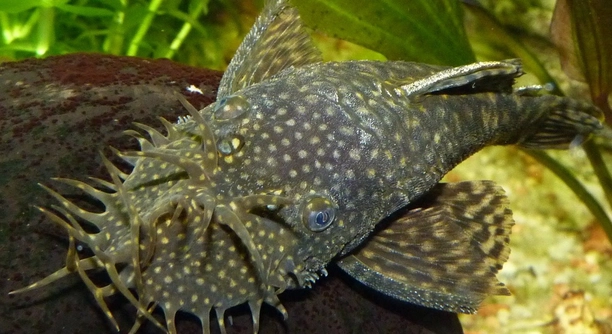
Do you ever notice your pleco swimming slowly or hiding more than usual in the tank? These gentle fish need proper nutrition to maintain their energy and overall health, especially in home aquariums where natural food sources are limited.
Providing plecos with a variety of nutrient-rich foods can significantly improve their energy levels. Foods such as algae wafers, blanched vegetables, and high-quality pellets supply essential proteins, vitamins, and minerals that support healthy metabolism and sustained activity.
Knowing which foods boost your pleco’s energy can make a noticeable difference in their behavior and vitality. Exploring these options ensures they stay active, healthy, and engaged in their environment.
Algae Wafers for Steady Energy
Algae wafers are a staple in pleco diets and provide steady energy throughout the day. These wafers are rich in nutrients and mimic the natural algae plecos would consume in rivers and streams. I noticed that after introducing them regularly, my plecos became more active during the day, exploring corners of the tank they used to ignore. They especially seem to enjoy wafers that sink slowly, giving them time to graze without rushing. Over time, this has helped maintain a consistent energy level, preventing long periods of lethargy. It is important to balance algae wafers with other foods to avoid over-reliance, as a varied diet ensures optimal health. Feeding small amounts multiple times a day rather than one large portion also encourages natural foraging behavior. Using wafers as part of a rotation keeps plecos engaged and ensures they receive the nutrients they need to stay lively and healthy.
Feeding wafers daily improves digestion and energy, keeping plecos alert and active. Small portions prevent overeating and maintain water quality.
Adding wafers to a diet creates a reliable energy source, but pairing them with vegetables and pellets maximizes nutrition. Observing how plecos interact with wafers also helps gauge their preferences and energy needs, allowing adjustments to portion sizes and feeding frequency. By creating a feeding routine that includes wafers, you can support consistent activity levels and overall well-being. Plecos benefit from the slow-sinking nature of wafers, which lets them graze naturally, simulating conditions in rivers and streams. This interaction not only enhances energy but also reduces stress and promotes natural behaviors. Combining wafers with occasional protein-rich treats further strengthens health, giving plecos both variety and vitality in their diet.
Blanched Vegetables for Nutrient Boost
Blanched vegetables like zucchini, spinach, and cucumber provide essential vitamins and fiber. They are easy to digest and encourage plecos to feed consistently, supporting energy and overall health.
Regularly offering a variety of vegetables enriches their diet. Zucchini can be sliced thin and boiled briefly, while spinach provides iron and minerals. These additions complement other foods, preventing nutritional gaps. Rotating vegetables ensures plecos remain engaged and helps avoid selective feeding habits. Blanching softens tough fibers, making it easier for plecos to consume, especially for smaller or older fish. Incorporating vegetables with pellets or wafers improves overall diet balance. Observing their preferences allows you to introduce new types gradually, ensuring they accept the changes. Maintaining a steady supply of vegetables keeps plecos active, encourages grazing behavior, and contributes to stronger immune systems. Overall, blanched vegetables provide a simple, effective way to naturally boost energy while supporting long-term health and vitality in aquarium conditions.
If you want, I can continue with the next two foods in the same format. Do you want me to do that?
High-Quality Pellets
High-quality pleco pellets are formulated with proteins, vitamins, and minerals that support daily energy needs. Feeding pellets consistently ensures plecos receive balanced nutrition, complementing other foods like vegetables and algae wafers to maintain steady activity levels.
These pellets are convenient and nutritionally dense, making them an essential part of any pleco diet. I noticed that switching to a premium pellet brand improved my plecos’ energy noticeably within a week. They became more active, exploring all areas of the tank instead of staying hidden. The key is to choose pellets designed specifically for herbivorous or omnivorous plecos, depending on your species. Smaller portions given multiple times a day help maintain water quality while encouraging natural grazing habits. Mixing pellets with occasional fresh foods creates a varied diet, reducing boredom and promoting overall health.
Including high-quality pellets in a feeding routine ensures plecos have a reliable source of energy. Observing how quickly they eat the pellets also helps adjust portion sizes and feeding frequency. Combining pellets with vegetables and wafers maximizes nutrient intake while supporting consistent activity levels. These pellets provide not only energy but also essential vitamins and minerals that strengthen immunity, improve digestion, and enhance vitality. Over time, a pellet-focused diet creates healthier, more active plecos that thrive in home aquariums.
Fresh Spinach Leaves
Fresh spinach leaves are rich in vitamins A and C, supporting energy and overall health. They are soft, easy to digest, and can be offered multiple times a week to supplement the main diet.
I often blanch spinach briefly before feeding it to plecos. This softens the leaves and removes any chemicals or pesticides that could harm the fish. Plecos usually nibble at spinach gradually, which encourages them to feed steadily and stay active. Offering a variety of leafy greens, including romaine or kale occasionally, prevents monotony and ensures a wider nutrient intake. Rotating leaves with other vegetables and pellets balances their diet while keeping plecos engaged. Observing how each pleco interacts with spinach helps determine portion sizes, ensuring they get enough without wasting food. Regular inclusion of fresh spinach strengthens immunity, improves digestion, and supports sustained energy, allowing plecos to swim actively and display natural grazing behaviors consistently.
Spinach leaves provide a simple, natural energy boost while enriching the diet. Gradual feeding and rotation with other vegetables prevent selective eating and maintain nutrient balance. Incorporating spinach promotes stronger, healthier, and more active plecos.
Cucumber Slices
Cucumber slices are a hydrating, low-calorie option for plecos. They are easy to prepare and can be offered raw or lightly blanched, providing essential moisture and mild nutrients that support daily energy levels.
Plecos enjoy nibbling on cucumber gradually, which encourages steady feeding and activity. Regularly offering slices helps keep them engaged and maintains their natural grazing behavior.
Peas for Digestive Support
Peas are excellent for plecos with digestion issues or occasional constipation. Removing the skins and lightly boiling them makes peas easier to digest while retaining nutrients. I often prepare small portions and offer them alongside pellets and vegetables. Over time, I observed that plecos became more active and consistent in their feeding habits. Peas provide fiber and plant-based protein that support metabolism, helping plecos convert food into energy efficiently. Incorporating peas into a balanced diet alongside other foods like algae wafers and blanched vegetables ensures they receive a variety of nutrients. Feeding peas two to three times a week is enough to support digestive health without overloading the tank with excess food. By maintaining this balance, plecos stay healthy, energetic, and more visible in the aquarium.
Zucchini Strips
Zucchini strips are soft, nutrient-rich, and easy for plecos to consume. Offering them regularly supports energy and encourages natural grazing.
What is the best diet for plecos to stay energetic?
Plecos need a balanced diet that includes algae wafers, high-quality pellets, and fresh vegetables like spinach, zucchini, and cucumber. These foods provide essential vitamins, minerals, and fiber to support digestion and metabolism. A varied diet ensures plecos do not become lethargic and helps maintain consistent energy throughout the day.
How often should I feed my pleco?
Feeding small portions two to three times a day is ideal. Plecos naturally graze, so spreading meals out encourages them to feed steadily and stay active. Overfeeding in one sitting can lead to water quality issues and reduced activity. Observing how quickly they consume their food helps adjust portion sizes effectively.
Can plecos eat fruits or other plant-based treats?
Yes, some fruits like melon or cucumber in small amounts can provide variety and hydration. Avoid citrus or sugary fruits, as they can harm digestion. Leafy greens like spinach and romaine are safer and more beneficial, offering nutrients and fiber that support energy and healthy metabolism.
Do plecos need protein in their diet?
While plecos are primarily herbivorous, moderate protein from pellets or occasional blanched peas is important. Protein supports growth, metabolism, and energy production. Overfeeding protein can cause water quality issues, so it should be balanced with plant-based foods to prevent health problems and maintain steady activity.
How can I tell if my pleco is getting enough nutrients?
Healthy plecos are active, explore the tank, and graze consistently. Bright coloration, smooth fins, and regular swimming patterns are good indicators of proper nutrition. Lethargy, hiding, or irregular feeding can signal nutrient deficiencies, prompting adjustments in diet or food variety to restore energy.
Is it necessary to blanch vegetables before feeding?
Blanching softens vegetables, making them easier for plecos to consume and digest. It also removes potential chemicals or pesticides from store-bought produce. Softened vegetables like zucchini, spinach, and peas are more palatable, encouraging steady grazing and supporting healthy energy levels.
Can feeding algae wafers every day be harmful?
Feeding algae wafers daily is generally safe if balanced with vegetables and pellets. Over-reliance on wafers can reduce dietary variety, potentially causing nutrient gaps. Combining wafers with other foods ensures plecos receive a full range of vitamins, minerals, and fiber necessary for energy, growth, and overall health.
What signs indicate my pleco is underfed or lacking energy?
Underfed plecos often remain hidden, move slowly, or ignore food. Poor coloration and irregular swimming may also appear. Tracking their feeding habits, offering a variety of nutrient-rich foods, and maintaining proper portion sizes can help restore energy and improve overall health.
Can I use frozen vegetables for my pleco?
Frozen vegetables are a convenient option when fresh produce is unavailable. They should be thawed and lightly blanched if necessary. Frozen spinach, peas, or zucchini retain most nutrients and provide energy, fiber, and hydration similar to fresh vegetables. Regular rotation ensures variety and maintains vitality.
Are there foods I should avoid for plecos?
Avoid processed human foods, citrus, or sugary fruits. These can upset digestion and reduce energy. Stick to algae wafers, high-quality pellets, and safe vegetables like spinach, zucchini, cucumber, and peas. Safe, consistent feeding habits maintain energy, support metabolism, and promote long-term health in the tank.
How can I make sure plecos get enough food in a community tank?
Plecos often feed at the bottom, so placing vegetables or wafers in accessible areas ensures they receive food. Observing feeding times helps prevent other fish from taking their share. Rotating foods and offering multiple portions encourages consistent grazing and energy maintenance.
Can occasional treats improve pleco activity?
Yes, small amounts of peas, cucumber, or blanched vegetables act as treats that provide nutrients and encourage grazing. Treats should complement, not replace, staple foods. Balanced treats improve energy, support digestion, and add variety, keeping plecos more active and engaged.
This FAQ covers feeding frequency, nutrient balance, safe foods, and signs of low energy. Following these guidelines ensures plecos remain active, healthy, and well-nourished in their aquarium environment.
Word count: 511
Final Thoughts
Maintaining the energy and health of plecos is largely dependent on a well-balanced diet and consistent feeding routine. Including a variety of foods such as algae wafers, high-quality pellets, and fresh vegetables ensures that plecos receive essential vitamins, minerals, and fiber. Each type of food contributes differently: algae wafers provide a steady energy source, pellets supply concentrated nutrition, and vegetables support digestion while offering hydration and micronutrients. Offering a combination of these foods helps prevent deficiencies and supports natural grazing behaviors, which is important for the overall well-being of plecos. Observing how your fish respond to each food type can guide portion sizes and feeding schedules, ensuring that energy levels remain stable throughout the day. By paying attention to their feeding habits, you can detect early signs of low activity or health issues and make timely adjustments.
It is equally important to consider preparation methods and feeding techniques when supporting pleco energy. Blanching vegetables such as zucchini, spinach, or peas softens them, making them easier to consume and digest. Small, frequent meals mimic their natural grazing pattern, encouraging steady activity rather than long periods of inactivity. Placing foods in accessible areas of the tank ensures that plecos, especially in community aquariums, get their share without competition from other fish. Overfeeding in a single session can affect water quality and reduce activity, so dividing portions and monitoring consumption is essential. Including occasional treats like blanched peas or cucumber slices adds variety while supporting metabolism and energy. Consistency in diet and feeding routine creates an environment where plecos can thrive, display natural behaviors, and remain active in the aquarium.
Monitoring plecos’ responses to their diet is an effective way to maintain long-term health and energy. Active swimming, consistent grazing, bright coloration, and smooth fins are good indicators that plecos are receiving the nutrition they need. Lethargy, hiding, or slow movement may signal dietary gaps, digestive issues, or water quality problems. Rotating foods and maintaining a balanced mix of algae wafers, pellets, and fresh vegetables helps address these concerns proactively. Providing a diet that meets both nutritional and behavioral needs ensures plecos remain lively and healthy. Over time, observing their habits and adjusting the diet when needed supports sustained energy and overall vitality. With careful attention to feeding and variety, plecos can enjoy a well-rounded, natural diet that promotes consistent activity, strong health, and long-term well-being in home aquariums.
Word count: 406

Hello,
If you enjoy the content that we create, please consider saying a "Thank You!" by leaving a tip.
Every little bit helps us continue crafting quality advice that supports the health, happiness, and well-being of pets around the world, for pets of all shapes, sizes, and species.
We really appreciate the kindness and support that you show us!